



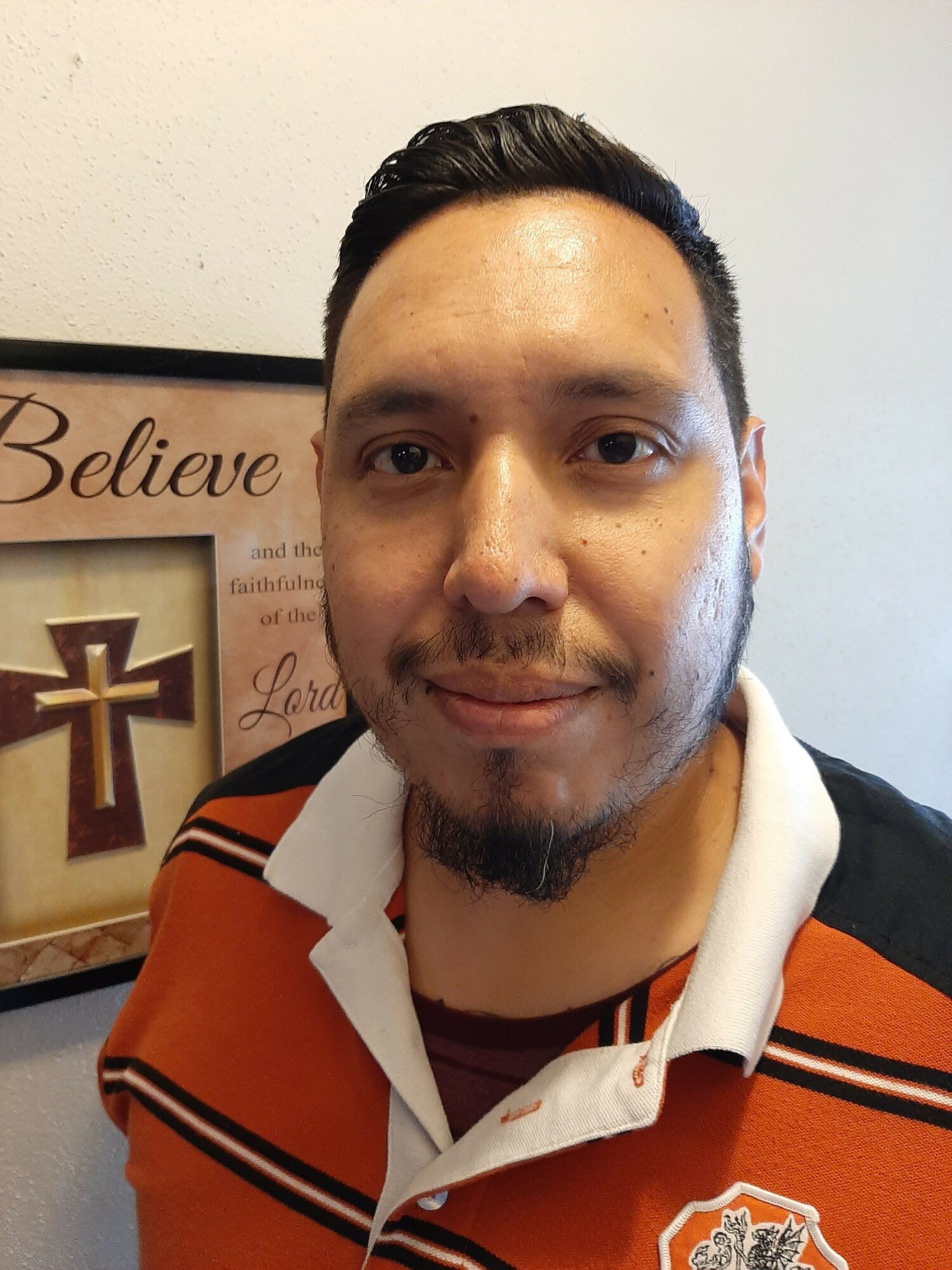
Today we’d like to introduce you to Rogelio Cirilo.
Hi Rogelio, thanks for sharing your story with us. To start, maybe you can tell our readers some of your backstory.
I didn’t come up through a traditional path, just a long stretch of curiosity, trial and error, and a quiet obsession with learning how stories actually work. I started by teaching myself everything I could—through YouTube, podcasts, books, and long nights experimenting with a camera. I invested in courses, sought out many mentors, and slowly found myself working alongside filmmakers who had real industry experience, including Emmy-winning and Emmy-nominated creatives in Hollywood. That exposure didn’t just sharpen my technical skills—it reshaped how I thought about storytelling, discipline, and craft. And having support from my wife, Samantha, and my seven kids helped.
At the same time, I was building projects on my own. I shot real estate videos, music videos, films, branded content, nonprofit work, and short-form social media, often wearing every hat. Over time, I realized I wasn’t just interested in making things look good. I was drawn to meaning: why stories move people, how visuals shape belief, and how media can be used to serve something bigger than itself. That realization pushed me into founding and growing multiple creative and media-driven ventures, from Cinema By Cirilo, focused on cinematic and social-first video, to deep involvement with faith-based nonprofit work, prison ministry storytelling, and long-form film projects. Along the way, I also learned marketing, business strategy, and systems, not because I wanted to, but because I had to. If you want your work to survive, you can’t separate art from structure.
Today, I work as a producer and at the intersection of filmmaking, marketing, and mission-driven media. I collaborate with businesses, nonprofits, and creatives who care about substance, not just attention. My journey has been nonlinear and often uncomfortable, but that’s been the gift. Every detour forced me to grow skill, patience, and conviction. I’m still learning. Still building. But now everything I do is guided by one question: Does this story matter—and does it serve people honestly?
We all face challenges, but looking back would you describe it as a relatively smooth road?
Not at all. It’s been anything but smooth. Most of the struggle came from time and building without a clear roadmap. I didn’t have institutional backing or a predefined path, so every step required learning the hard way—through mistakes, misjudgments, and seasons of uncertainty. There were long stretches where I was doing solid work but still questioning whether it would ever compound into something sustainable.
Financial instability was part of that early on especial as the sole income earner and a family of nine. Creative work often looks successful from the outside long before it actually is, and there were moments where I had to decide whether to keep investing time, money, and energy into something that hadn’t yet proven itself. That tension forces you to get honest with yourself fast. Another challenge was wearing too many hats for too long—creative, technician, marketer, strategist, administrator. While that builds resilience and range, it can also lead to burnout if you’re not careful. I had to learn when to slow down, when to simplify, and when to let go of projects that weren’t aligned, even if they were paying.
There were also internal struggles—self-doubt, comparison, and the pressure to measure success by visibility instead of substance. I had to unlearn the idea that momentum always looks loud. Some of the most important growth happened quietly, off-camera. Looking back, the difficulty was formative. The obstacles forced me to build skills, discipline, and clarity that I wouldn’t trade. The road wasn’t smooth—but it was honest. And that honesty shaped both my work and the way I approach people and projects today.
Can you tell our readers more about what you do and what you think sets you apart from others?
At its core, my work is about story—how it’s told, why it works, and what it leaves behind. Practically, I specialize in cinematic video and social-first media for businesses, and AI consulting. That includes short-form content, branded films, documentaries, movies and campaign-based storytelling designed not just to look good, but to move people toward action. I work across the full process—from concept and scripting to shooting, editing, and distribution strategy—so the story stays intact from idea to audience.
I’m known for blending high-end visual craft with clarity of message. A lot of content today is either beautiful but hollow, or meaningful but poorly executed. I care deeply about closing that gap. Whether it’s a nonprofit fundraiser, a brand story, or a short film, I approach each project with the same question: What is this really about—and how do we make that unmistakably clear on screen? What I’m most proud of isn’t a single project, but the range and intention behind the work. I’ve had the opportunity to collaborate on commercial projects, creative films, and deeply personal stories—especially in nonprofit and prison-ministry spaces—where media isn’t entertainment, it’s service. Seeing stories help raise funds, change perceptions, or give someone dignity and voice—that’s the work that stays with me.
What sets me apart is how interdisciplinary my approach is. I don’t see filmmaking, marketing, and meaning as separate lanes. I’ve spent years studying storytelling, attention, psychology, business systems, and faith—not in isolation, but as one ecosystem. That allows me to create work that’s emotionally grounded, strategically sound, and built to last beyond a trend. I’m not interested in chasing virality for its own sake. I’m interested in creating stories that earn attention—and then use it well.
Are there any important lessons you’ve learned that you can share with us?
The most important lesson I’ve learned is that having a loving support system at home and having clarity matters more than momentum. Early on, I thought progress meant constant motion, more projects, more output, more visibility. But over time, I realized that without clarity of purpose, momentum just leads you faster in the wrong direction. Some of my hardest seasons came from saying yes to things that looked productive but weren’t aligned.
I’ve learned to slow down and ask better questions: Why am I doing this? Who does this serve? What does success actually look like here? Those questions have saved me years of wasted effort and helped me build work that’s sustainable, not just impressive. And my wife and seven kids get me through hard times.
Another part of that lesson is patience. Real craft, real trust, and real impact take time. There are no shortcuts that don’t eventually cost you something—quality, integrity, or peace. When I stopped trying to rush the process and focused on doing fewer things well, everything began to compound. Clarity doesn’t always feel exciting in the moment, but it’s steady. And in the long run, steady beats loud. And mentorship is priceless.
Contact Info:
- Email: [email protected]