




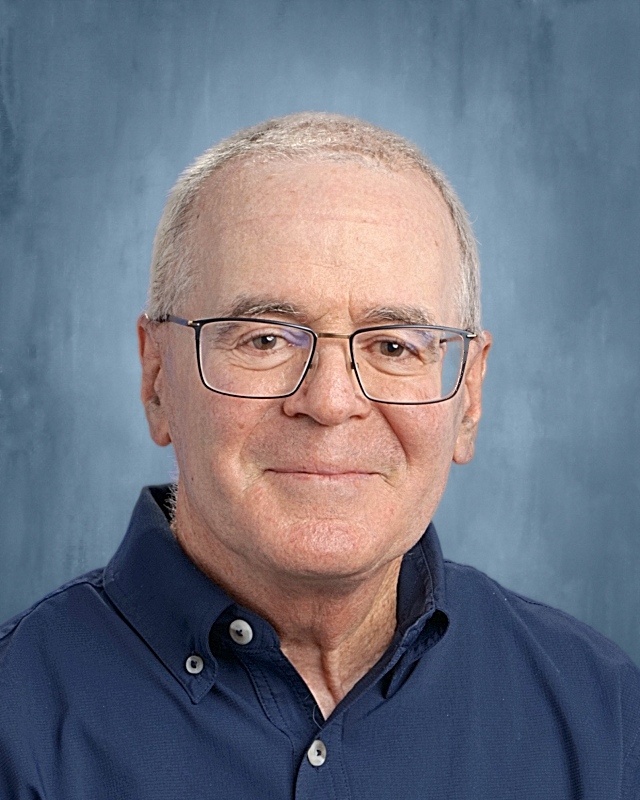
Today we’d like to introduce you to William Handmaker.
Hi William, please kick things off for us with an introduction to yourself and your story.
Like many people, I grew up in a house that emphasized the importance of education as a way to move forward in life, but also as an end in itself. I was always teaching, whether it was in religious school or as a coach during middle and high school. While attending George Washington University, I tutored elementary school students in Washington, DC, and after graduating college, I taught Ethiopian children in immigration absorption centers in Israel. So, it was only natural that I would pursue a Masters of Arts in Teaching at Washington University-St. Louis.
I have also been fortunate to have had experiences over the course of my life that influenced my career as a history teacher and school administrator. I entered high school the year Louisville, Kentucky, instituted court-ordered desegregation, and schools were closed due to violent protests. This brought home the importance of everyone having the opportunity to pursue an education.
Whether it was spending a year backpacking around the world in my mid-20s and spending several months in China in the mid 1980’s as it was opening to the West, returning to Europe via the Trans-Siberian Railway through the former USSR and crossing the Iron Curtain on foot, or traveling around the Middle East while studying overseas during my junior year of college, I was able to integrate what I experienced into my classes.
Ultimately, I opted to combine my love of history with a passion for teaching that had resulted in an almost forty-year career in education. Ultimately, outside of our undying love, there’s nothing more impactful and permanent that adults can give children than their education, and there are few ways that we can make our world a better place than working with students of any age. I feel fortunate to work in this field with admirable and inspiring educators who are truly making a difference in the lives of children and young adults.
We all face challenges, but looking back would you describe it as a relatively smooth road?
There have been ups and downs as one would expect, but I have never regretted going into education, and I cannot imagine doing anything else.
Having served as a head of school since 1996, I can recall what schools were like pre-Columbine and-pre Covid. I remember schools before social media, laptops, phones, and definitely AI.
Every generation has its own struggles in schools, and the past forty years are no different. While some of the technological advancements have benefited teaching and learning, others have had detrimental effects that we have yet to figure out how to counteract.
In some cases, schools are more aware of the importance of mental health than in the past, and that’s a good thing. Schools are providing more resources toward supporting students in all areas of their lives, and this bodes well for the future.
Unfortunately and all too often, though, progress has resulted from tragedy. There’s nothing more shattering to a school community than the death of a child. This is all the more true when multiple children are lost. The frequency of gun-related violence in schools speaks to something gone awry in our society, and we must look for systemic solutions that address the core issues.
Can you tell our readers more about what you do and what you think sets you apart from others?
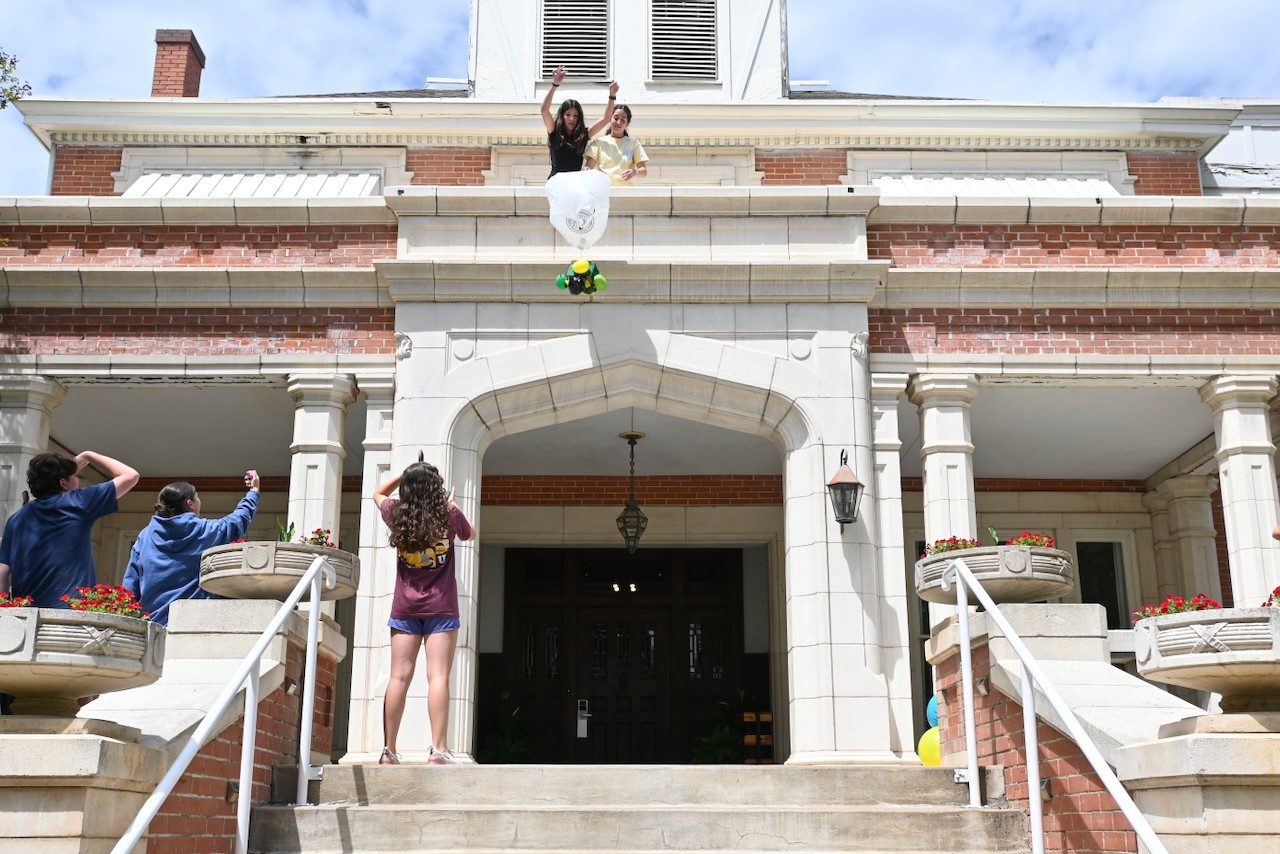
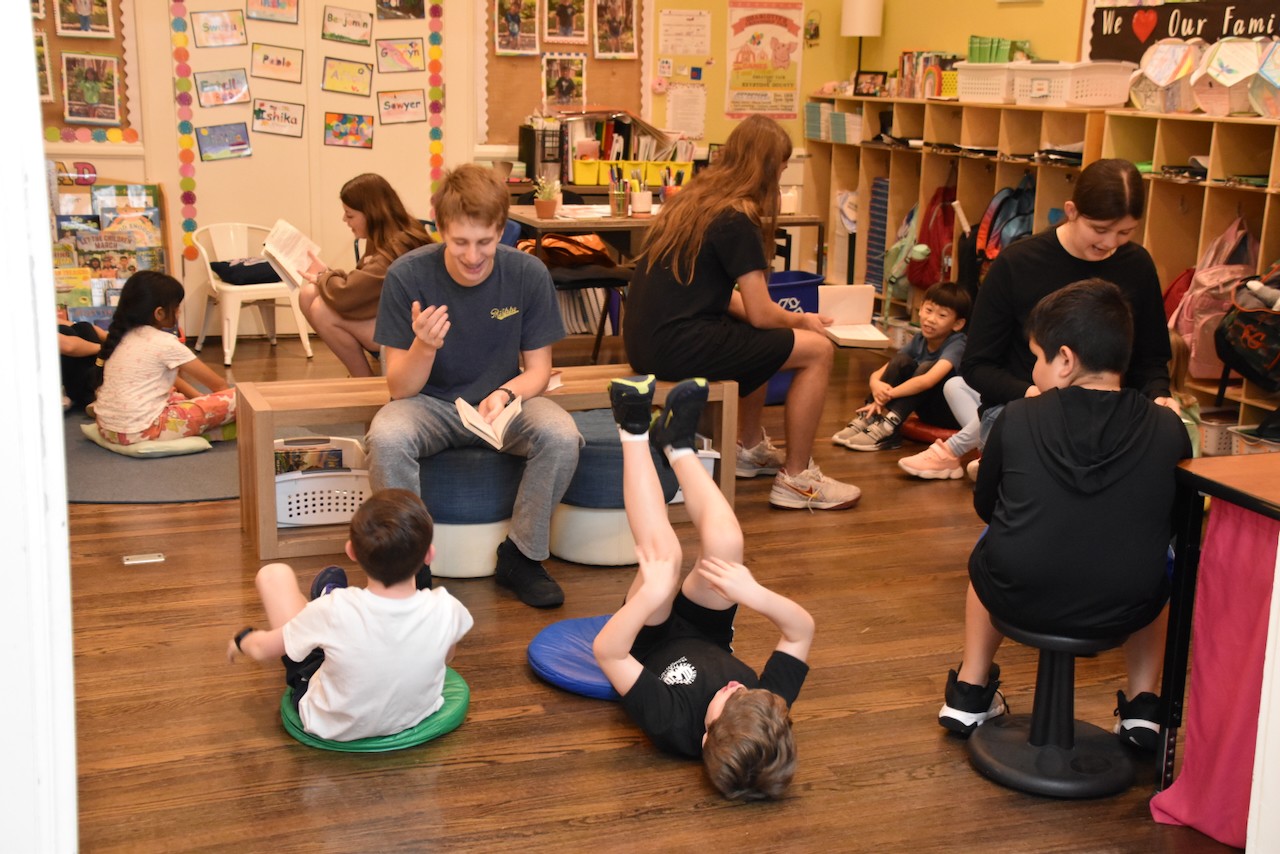
I have the benefit of partnering with outstanding educators and administrators, supportive parents, and visionary trustees to help lead Keystone School, a school known for academic excellence while creating a balanced approach to education that focuses on physical and psychological wellness.
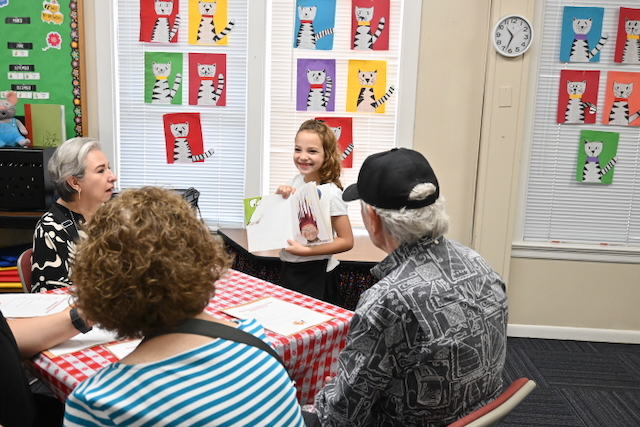
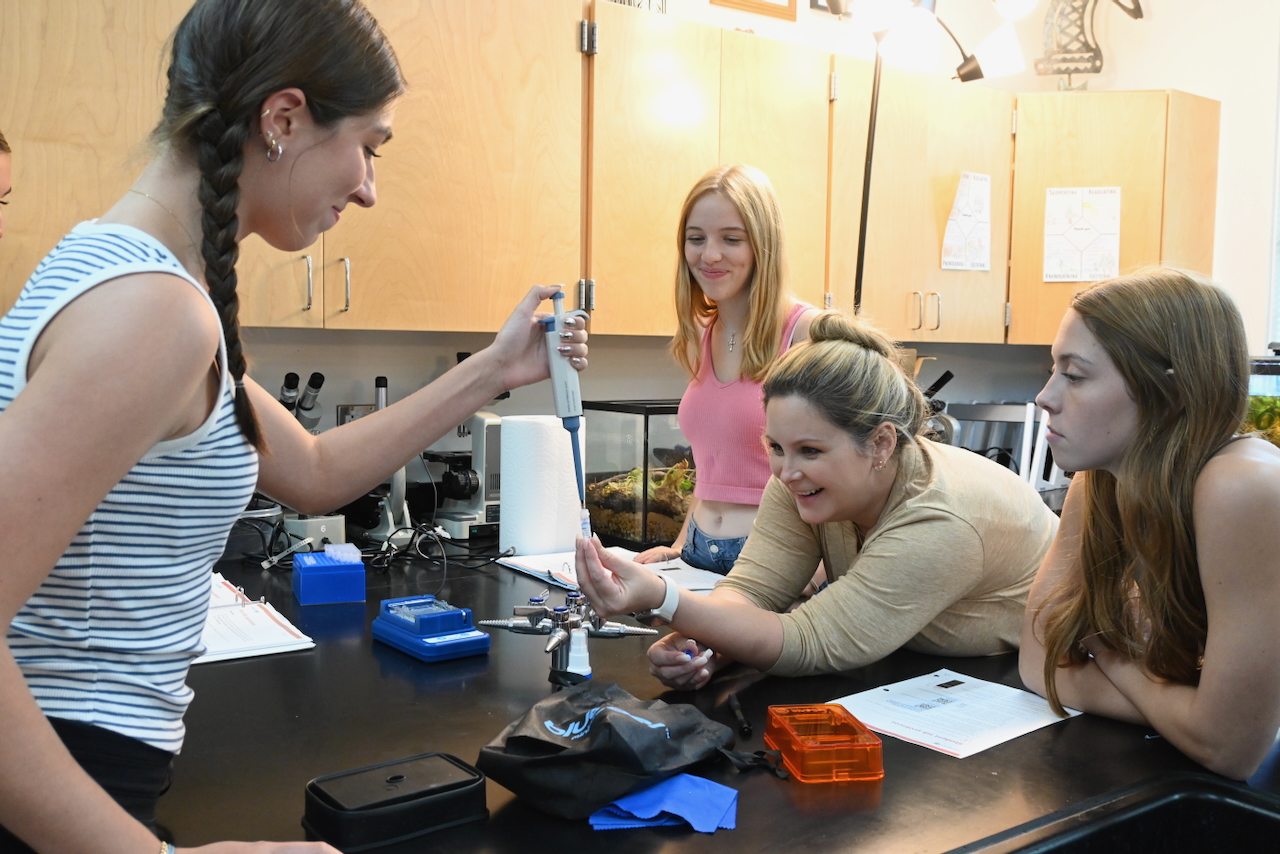
I am proud of the way our students apply what they are learning in the classroom to the problems facing our world. Whether they are creating a non-profit organization to support literacy among girls, doing research on ways to offset the impact of climate change, or seeking a cure for cancer, I stand in awe of our students and the work they do.
Perhaps another element that sets Keystone apart is that we do all this in an amazingly diverse environment where people are genuinely curious about each other and interested in learning more about one another. While every school may consider itself unique, Keystone is truly exceptional, and I am humbled by the work of our community.
What does success mean to you?
Success is leaving school at the end of a long day after attending evening games or performances, looking at our mission statement on the way out the door, and realizing the work we did that day moved us closer to achieving those goals.
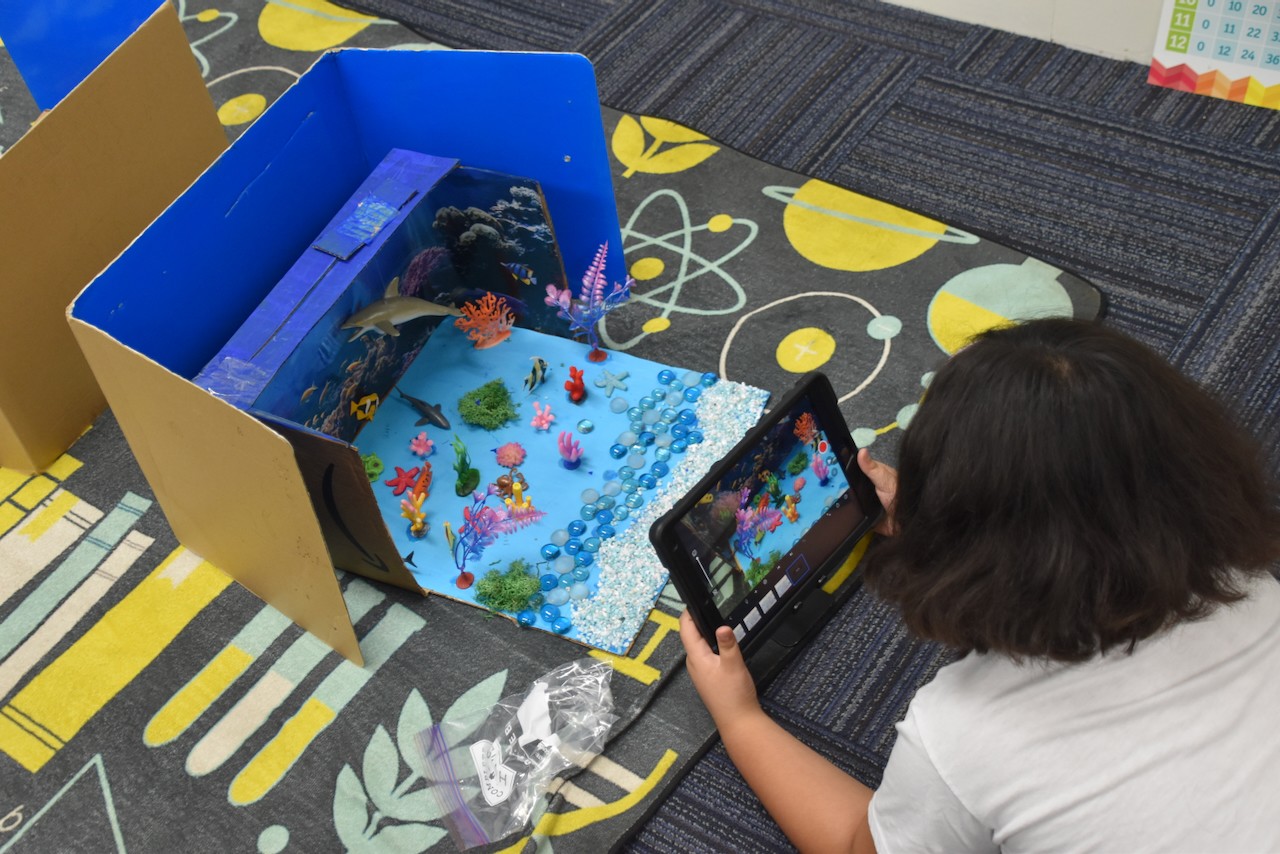
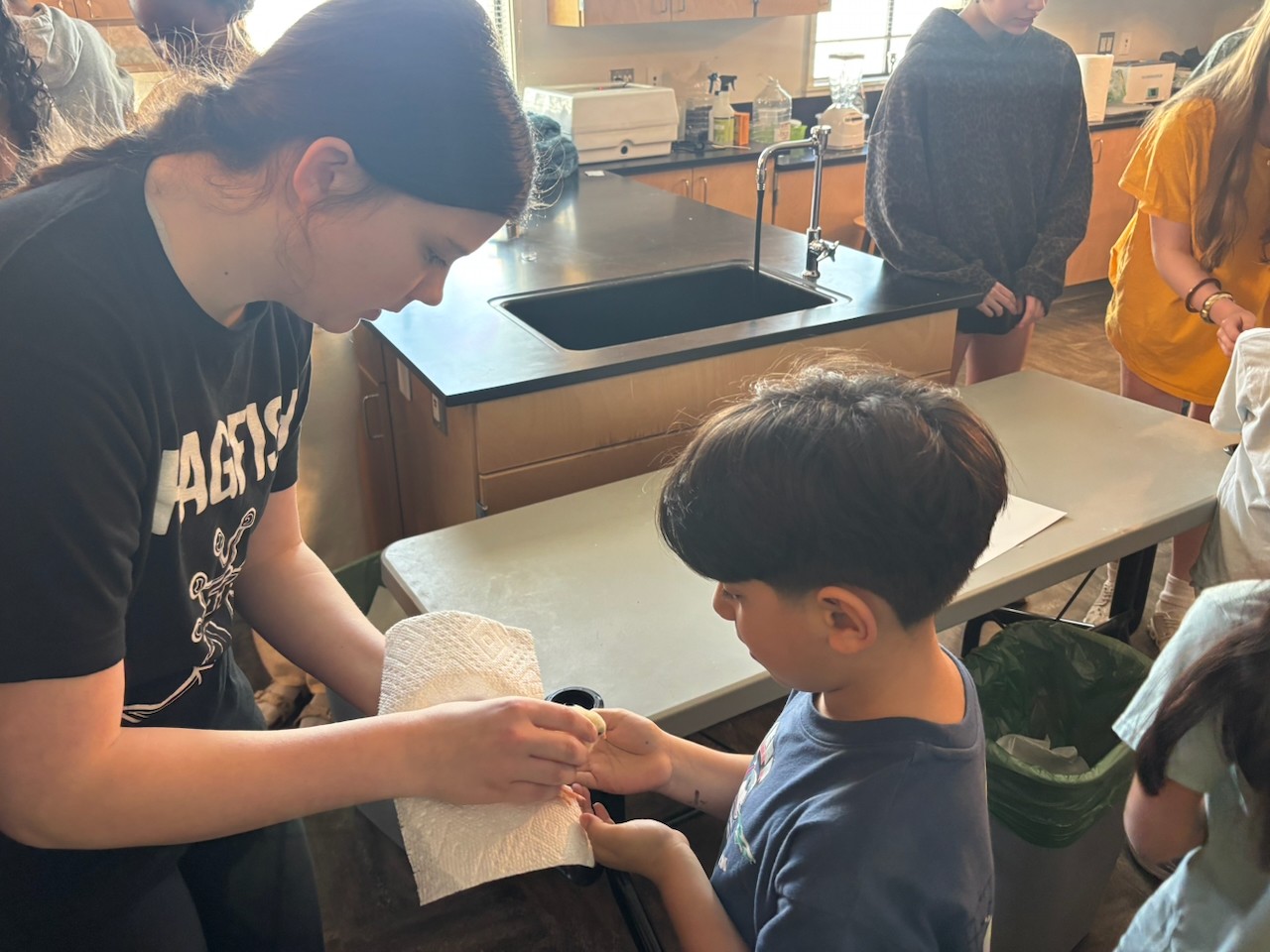
Success can also be seen in the pride students take in what they have created after hours of hard work and guidance by adult mentors. Similarly, when peers, educators, and family members applaud what those children and adolescents have done, we have been successful.
In addition, when students have that “a-ha” moment, and they discover how to apply what seemed ephemeral and theoretical in the classroom to a “real world” problem and in the process make the world better for others and themselves, we have succeeded.
Pricing:
- Our Schedule of Tuition and Fees can be found at https://keystoneschool.org/admissions/.
Contact Info:
- Website: https://keystoneschool.org/
- Instagram: https://www.instagram.com/keystoneschool1948
- Facebook: https://www.facebook.com/keystoneschoolSA
- LinkedIn: https://www.linkedin.com/school/keystone-school
- Youtube: https://www.youtube.com/channel/UCXs_7wiEUQh9Wh2eUBcq0Jg