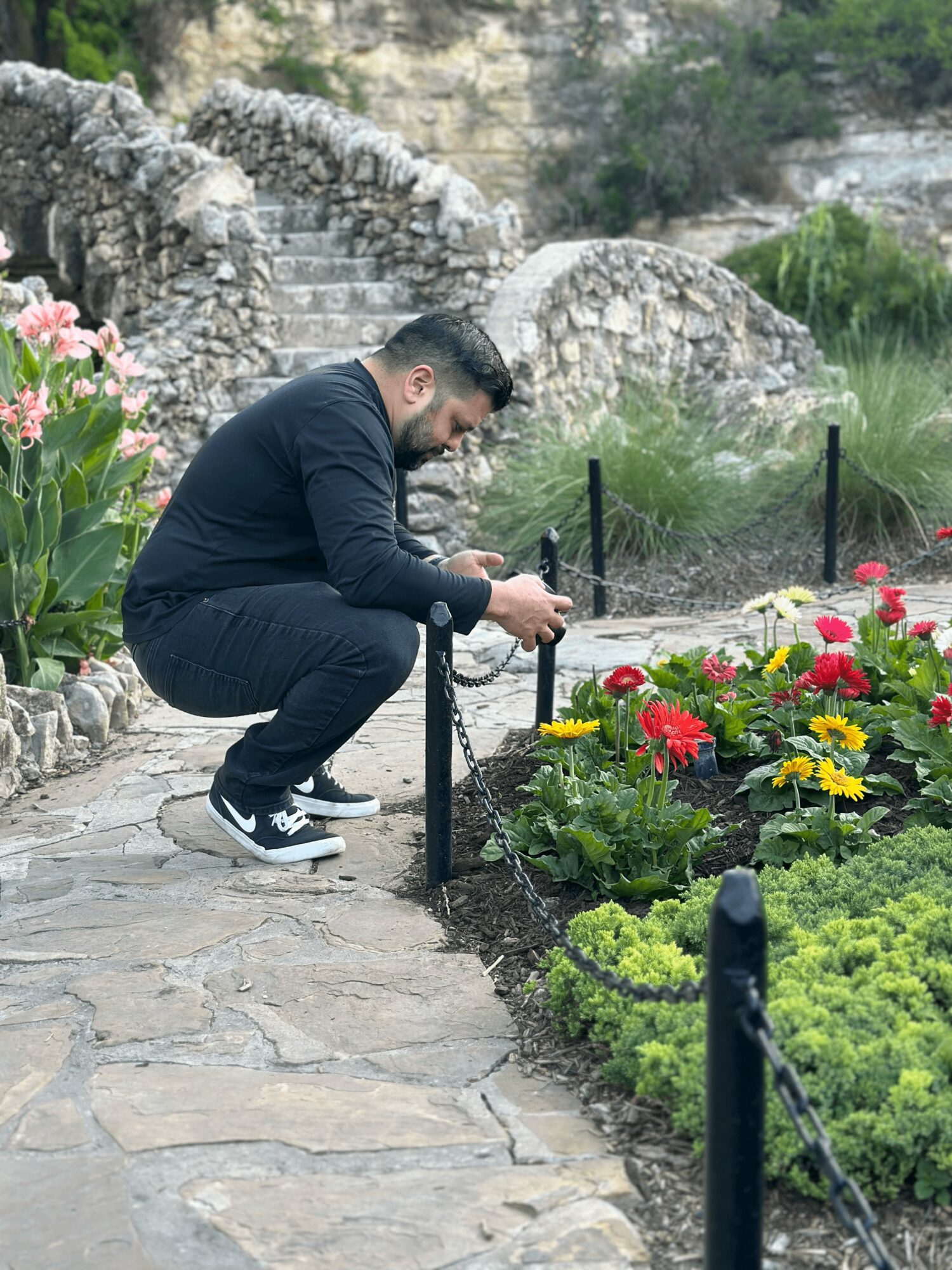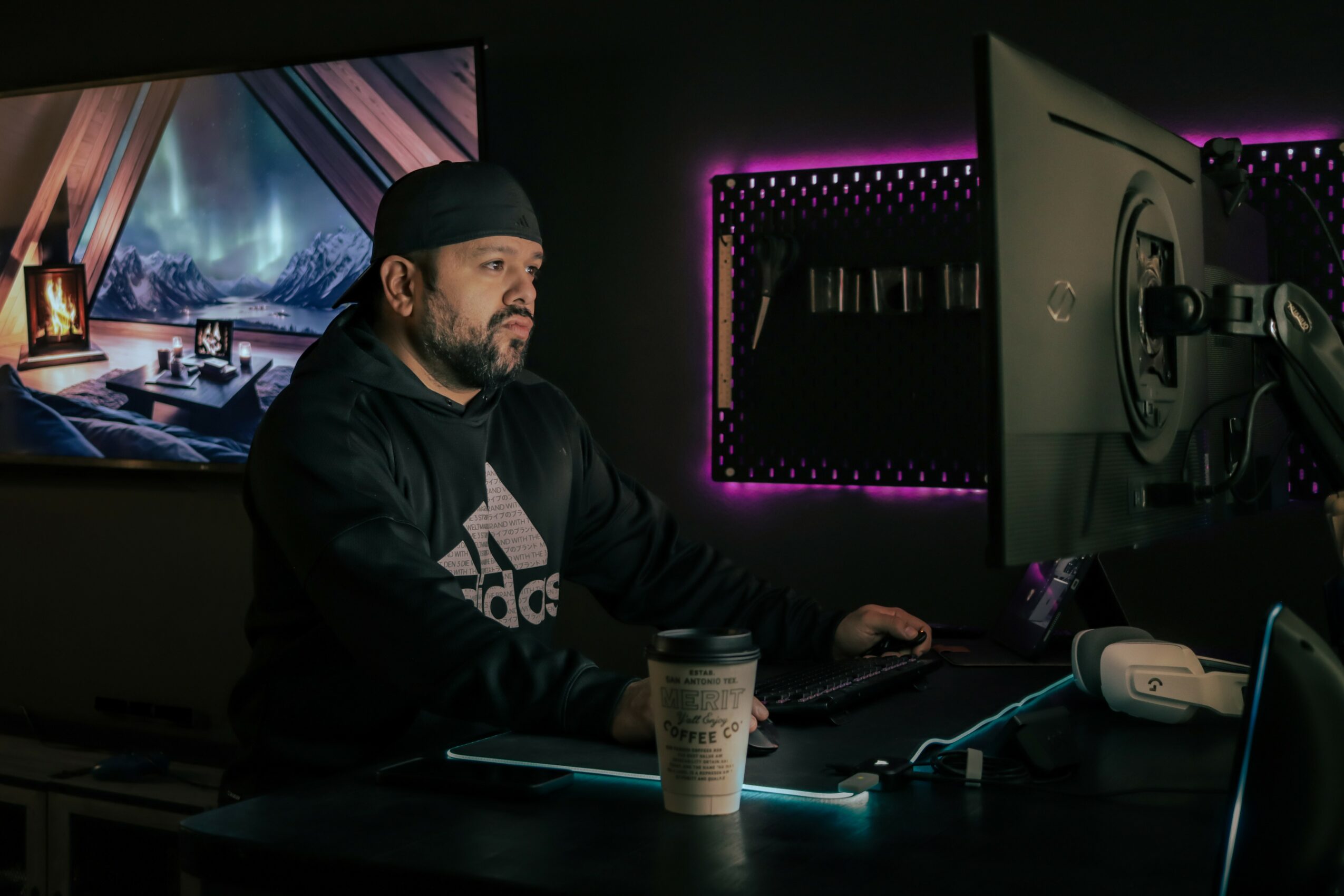





Today we’d like to introduce you to Roger Macias.
Alright, so thank you so much for sharing your story and insight with our readers. To kick things off, can you tell us a bit about how you got started?
I didn’t start out wanting to build an agency. I started by trying to understand why things worked when they worked, and why they broke when they didn’t.
My background spans creative work, technical systems, and business strategy, and over time I noticed a recurring pattern: most companies don’t fail because they lack effort or talent. They fail because their underlying systems are misaligned. Marketing, branding, technology, and operations are often treated as separate silos, when in reality they’re part of the same engine.
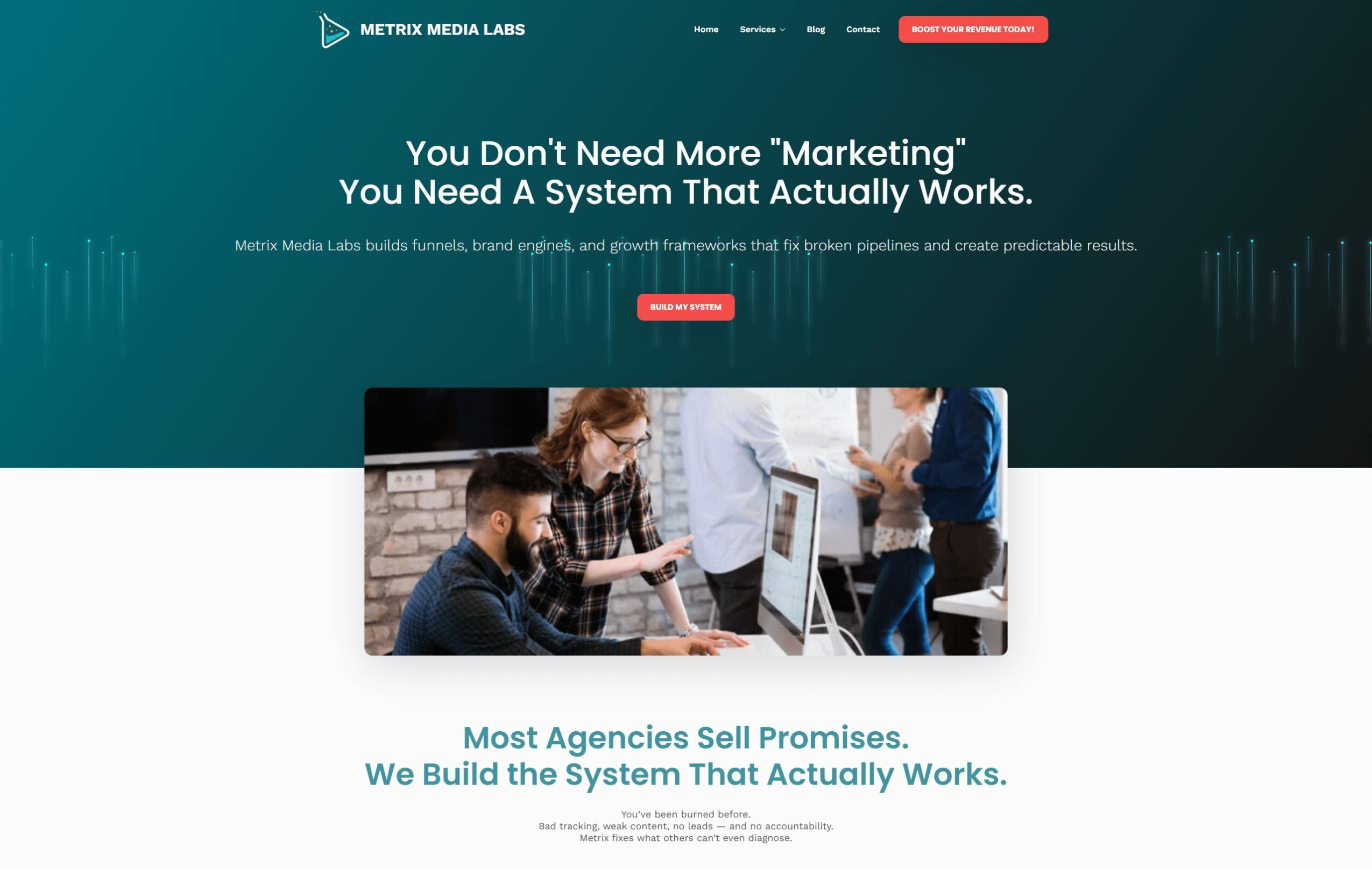
That insight eventually led me to found Metrix Media Labs, a San Antonio–based growth and media strategy firm focused on helping businesses build durable, scalable foundations rather than chasing short-term tactics. In parallel, I built Dark Horizon Photography as a visual storytelling brand, which sharpened my ability to translate abstract strategy into something people can actually see and feel.
The path wasn’t linear. I spent years refining my judgment, learning when to say no, when to slow down, and how to build things correctly the first time instead of patching problems later. That process shaped how I work today: fewer clients, deeper partnerships, and an emphasis on clarity, systems thinking, and long-term impact.
At this stage, my work sits at the intersection of strategy, creativity, and infrastructure. I’m less interested in quick wins and more interested in building things that hold up, for businesses, for teams, and for the people behind them.
Alright, so let’s dig a little deeper into the story – has it been an easy path overall and if not, what were the challenges you’ve had to overcome?
No, it definitely was not a smooth road. For a long time, the hardest part wasn’t the work itself. It was learning how to trust my own judgment. When you’re capable of doing a lot of different things, it’s easy to say yes too often and assume you’ll figure it out along the way. I did that more than once, and it usually meant working harder than necessary or building things I eventually had to rethink.
There were also moments where slowing down felt uncomfortable. Turning down work, setting boundaries, or choosing not to scale something just because I could went against every instinct I had early on. But over time, I realized that moving fast doesn’t always mean moving forward.
The biggest shift for me came when I stopped trying to do everything and focused on doing the right things well. Once I leaned into clarity, intention, and fewer but better partnerships, the work became more sustainable and honestly, more rewarding.
Looking back, the struggles weren’t dramatic. They were subtle. Small decisions, repeated over time, that taught me how I actually want to work and what kind of impact I want to have.
Thanks – so what else should our readers know about your work and what you’re currently focused on?
At a basic level, I help businesses get clear on who they are and build systems that actually support that.
Through Metrix Media Labs, my work blends strategy, creative direction, and execution. I spend a lot of time helping companies align their message, their brand, and the way their marketing actually functions once real people interact with it. My background in visual storytelling shapes how I approach that work. I tend to think in terms of structure, cause and effect, and how something feels when it’s experienced, not just how it looks on paper.
What I’m most known for is slowing things down enough to understand what’s really happening. A lot of problems aren’t obvious at first glance, and jumping straight to solutions usually makes them worse. I try to figure out why something isn’t working before trying to fix it, whether that’s a message that doesn’t land, a system that’s confusing, or a setup that was never designed to grow.
What I’m most proud of is the trust I build with the people I work with. I tend to work best with clients who care about doing things well and doing them honestly. That usually leads to longer-term relationships and better outcomes on both sides.
What sets me apart is that I don’t separate creativity from structure. I think that’s a major pillar of why my methods work. I care about how things feel, but I also care about whether they actually hold up. When those two things are lined up, the work tends to speak for itself.
Are there any books, apps, podcasts or blogs that help you do your best?
A lot of what helps me do my best work doesn’t look like “work” on the surface.
Cooking is a big one. It forces me to slow down, pay attention, and stay present. There’s something grounding about working with your hands, trusting your senses, and creating something real from scratch. It’s also where a lot of my thinking quietly sorts itself out without me trying to force it.
Storytelling matters too, especially through film. I’m drawn to movies that take their time and respect the audience, films like Arrival, where meaning is built through restraint, pacing, and emotional weight rather than spectacle. Watching how stories are structured visually has influenced how I think about clarity, tone, and cause and effect in my own work.
Books have been steady anchors over the years. I’ve returned to Meditations more than once, especially when I need a reminder to focus on what’s actually within my control. I’ve also found Invisible Women eye-opening, not in a confrontational way, but in how clearly it shows how systems shape outcomes differently depending on who they’re built for. It changed how I think about design, assumptions, and responsibility.
Fitness is another non-negotiable for me, even if I have to relearn that lesson occasionally. I’ve noticed that when I drift away from it, everything else gets harder. It doesn’t have to be extreme or punishing, consistency matters more than intensity. Showing up regularly clears my head and gives me an outlet that keeps everything else balanced.
I’m not perfect at any of it, but I try. Staying grounded, curious, and physically present makes me better at the work and more honest about how I approach it.
Pricing:
- Discovery & Strategy Engagements Most projects begin with a paid discovery or strategy phase, typically starting in the low four figures, depending on scope and complexity.
- Ongoing Marketing & Growth Work Ongoing partnerships are usually structured as monthly engagements and tend to start in the mid four figures, scaling based on depth of involvement and responsibility.
- Project-Based Work For defined projects (branding, websites, campaigns, etc.), pricing varies widely, but most engagements fall somewhere between mid four to low five figures.
- Creative & Visual Work Visual storytelling and creative projects are scoped individually based on usage, deliverables, and production needs rather than flat rates.
- General Philosophy on Pricing I prioritize clarity and fit over volume. Every engagement is scoped intentionally so expectations, outcomes, and responsibilities are clear on both sides before work begins.
Contact Info:
- Website: https://metrixmedialabs.com