



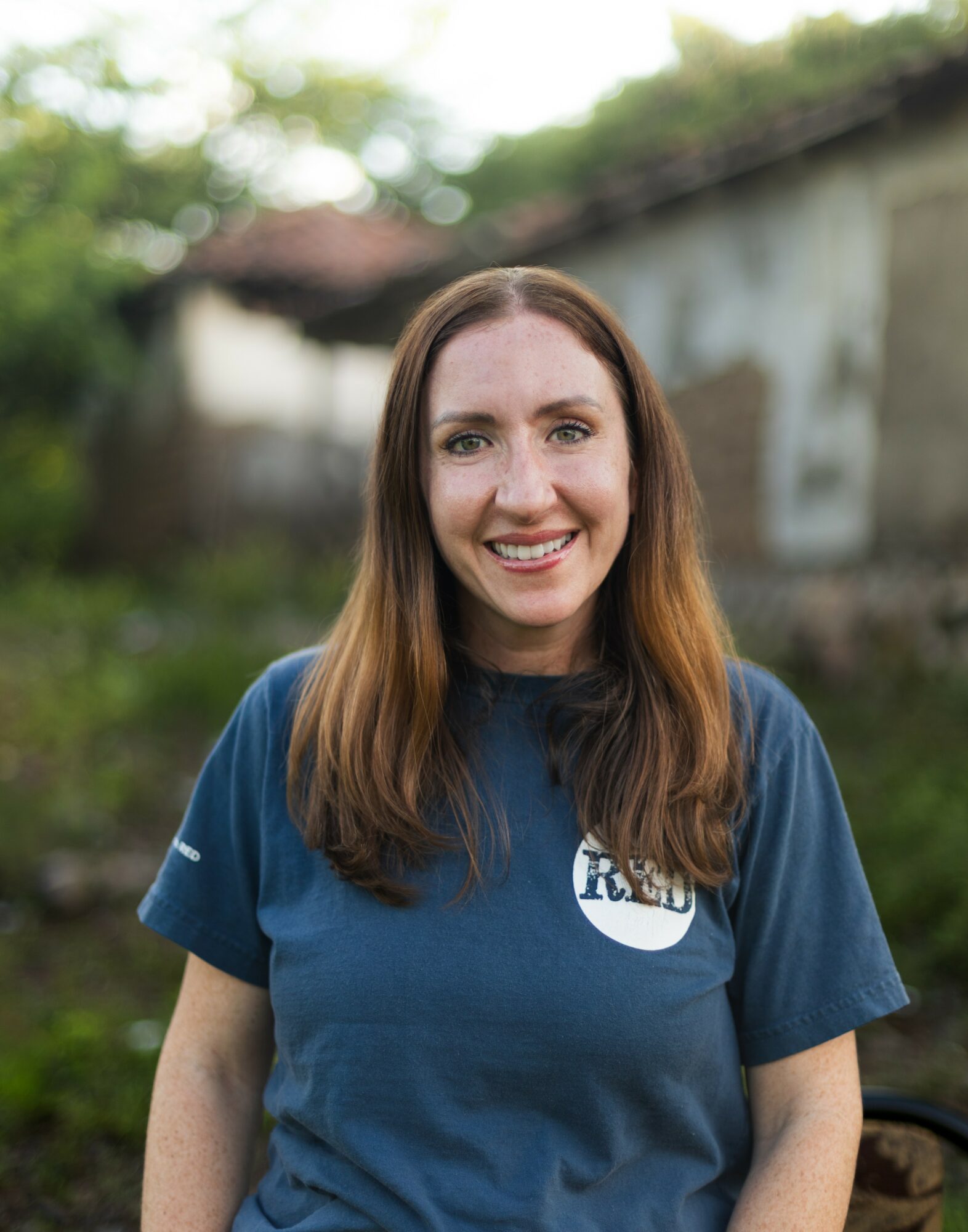
Today we’d like to introduce you to Kara Wilson Garcia.
Hi Kara, it’s an honor to have you on the platform. Thanks for taking the time to share your story with us – to start maybe you can share some of your backstory with our readers?
My story starts when I was 11 years old. I went on a trip with Oak Hills Church, where I spent a great deal of my childhood, to help care for young children at a women’s workshop in the Rio Grande Valley. Nearly 30 years later, I can still remember what I felt. It was this deep sense of purpose and drive. Even at that age, I knew that my “calling” in life—and I honestly can’t think of another word that fits—was to help Spanish-speaking children who were in need. I also knew that I HAD to learn Spanish.
That feeling only grew three years later, when I took my first international trip to El Salvador at age 14. That trip affected me just as deeply, personally and spiritually. I felt this strange sense of belonging, like this country and its people were somehow part of me and this was my “place.” I felt led to serve children there, even though at 14 I couldn’t have begun to comprehend the vulnerabilities many of them faced.
I had no idea what any of that looked like practically, and I certainly didn’t know how deeply my life would eventually become intertwined with the people of El Salvador. I just knew I wanted to serve children and live there.
So I learned Spanish, earned a couple of degrees, got a little work experience, and moved to El Salvador at 24. All these years later, El Salvador is still like a magnet for me. I am pulled to it whether I want to be or not. And after many years of living there, I honestly sometimes don’t necessarily want to be! It’s a hard place to live. But that inexplicable pull has driven this entire story and, in a lot of ways, the work we do today at Project RED.
It was 2010. I had just finished my master’s degree in International Development for Latin America, and all I really knew was that I wanted someone to pay me to live in El Salvador. So I accepted the first job I was offered. Honestly, it wasn’t a very good offer, but I was elated.
Over time, I began to see how each step was paving the way for the next. That job introduced me to El Salvador’s child protection system at a pivotal moment in the country. A new child protection law, known as LEPINA, began implementation in January 2011, just two months after I moved there. The law represented an important shift: instead of routinely institutionalizing children, the system was supposed to prioritize strengthening biological and extended families whenever it was safe to do so.
The principle was a good one. The implementation, however, created enormous problems. Thousands of children were leaving residential institutions and returning to families with NO assessment, preparation, follow-up, or support. In a country where there is very little social safety net to begin with, the consequences were devastating.
Around that time, as I was preparing to leave my first job, I started paying closer attention to what was happening. I saw stacks of case files in the trash cans of government offices and heard comments from overwhelmed caseworkers that concerned me. I still didn’t fully understand the system, but I knew enough to realize that something was wrong.
So I decided to start a six-month pilot project just to find out what was happening and whether we could help. Two donors gave me $17,000 to start the pilot. With that money, I hired a Salvadoran social worker and psychologist, and the three of us started learning.
The government initially gave us several cases involving children who were being reintegrated with family members. On one of those first visits, we picked up children from an orphanage and accompanied them back to their parents’ home. What we encountered remains one of the most disturbing situations I have witnessed in all these years of doing this work.
What was supposed to be a happy reunification quickly became children crying because they did not want to stay there, particularly a 13-year-old girl. We learned that she had previously been sexually exploited by her own parents.
A week later, we returned to the home. The situation was dire. We immediately reported what we had found and assumed the children would be removed quickly. Instead, government officials became angry with us. That same day, we were told to leave the tiny office space we had been using inside a government building. We gathered what we could carry and walked out.
I went upstairs to the Executive Director’s office and sat on a couch for several hours until he would talk to me. The message was basically: Thanks, but no thanks. You’re not needed here.
For exactly three days, I thought, “Maybe I shouldn’t do this. Maybe people don’t actually want help for these children.”
For the record, I still have some version of that thought at least twice a week.
But then I started thinking differently. If a 24-year-old gringa with almost no experience could make people in positions of power uncomfortable simply by asking questions about whether children were safe, then maybe there really was important work to be done.
So instead of going back to the government, we started knocking on the doors of private children’s homes. Almost all of them told us the same thing: “The children we cared for have gone home, and we have no idea how they are doing. Please help us find them.”
So we did.
We started with nine families in 2011.
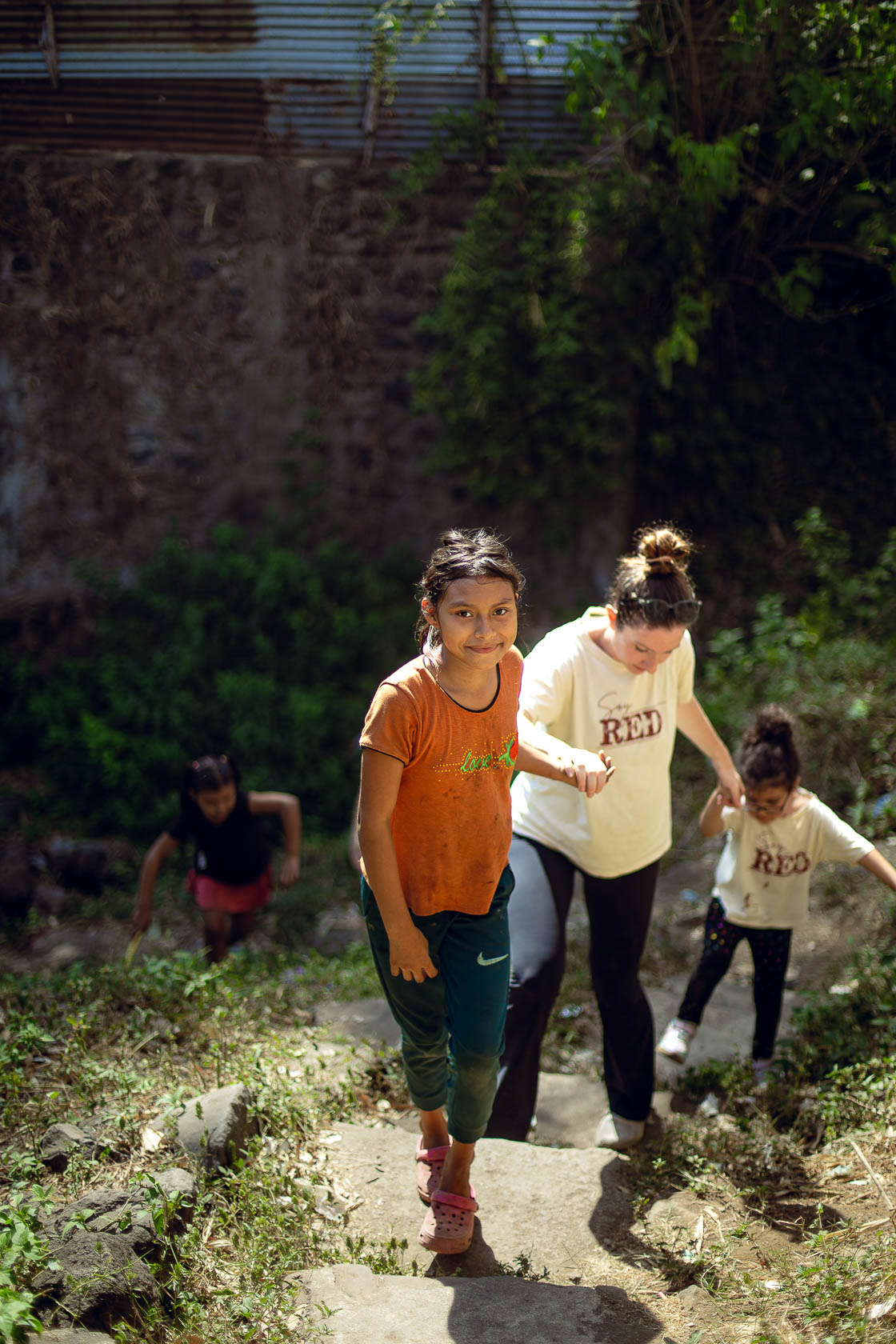
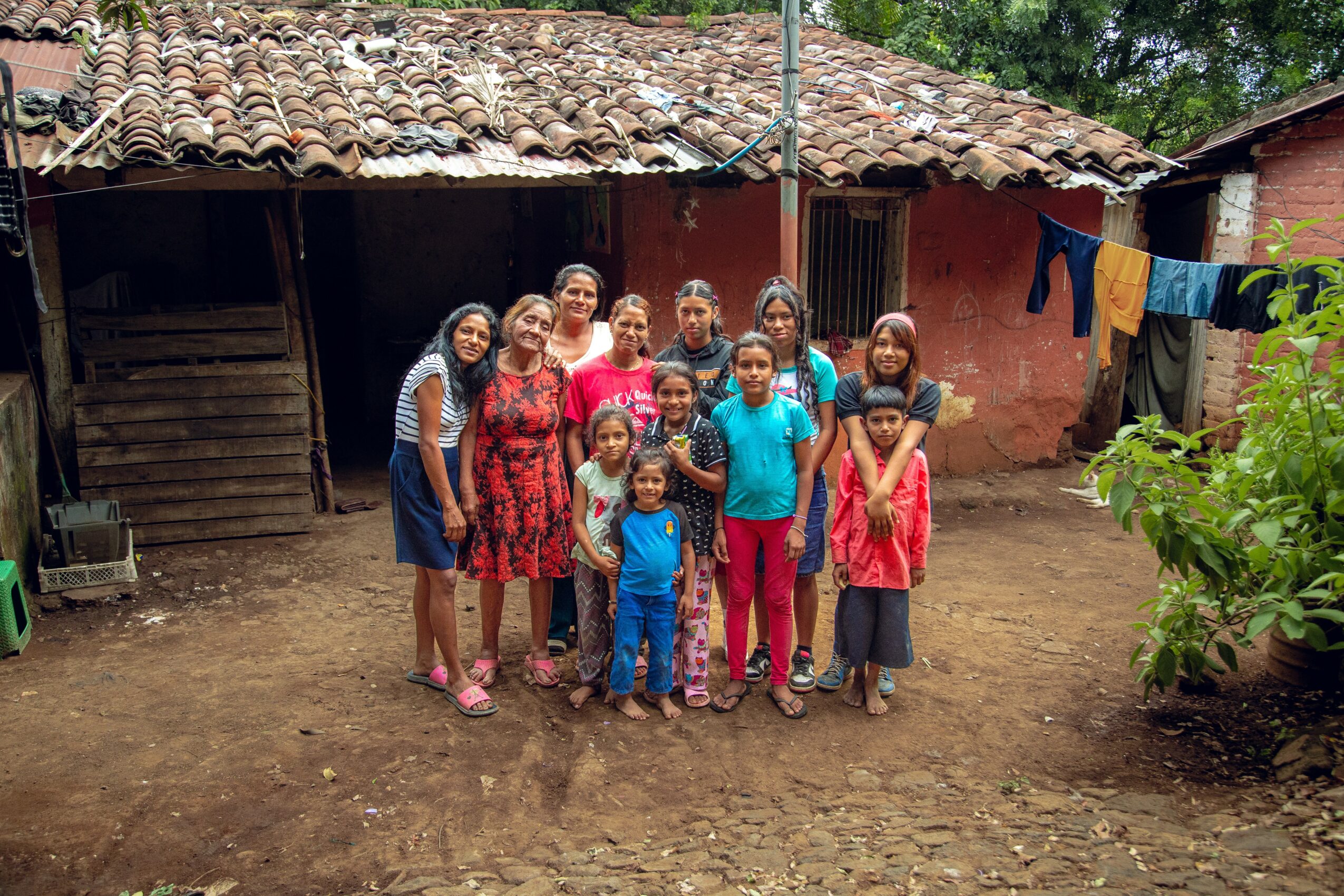
Project RED has grown gradually and very organically since then. We learned what families actually needed by spending time in their homes and communities and listening. Over the years, I learned about trauma and what it really means to be trauma-informed. I learned how easily helping can actually hurt the very people you are trying to help. Our work expanded beyond reintegration into education, mental health, family strengthening, legal advocacy and practical support, always with the same basic goal: helping children be safe and helping families become stronger.
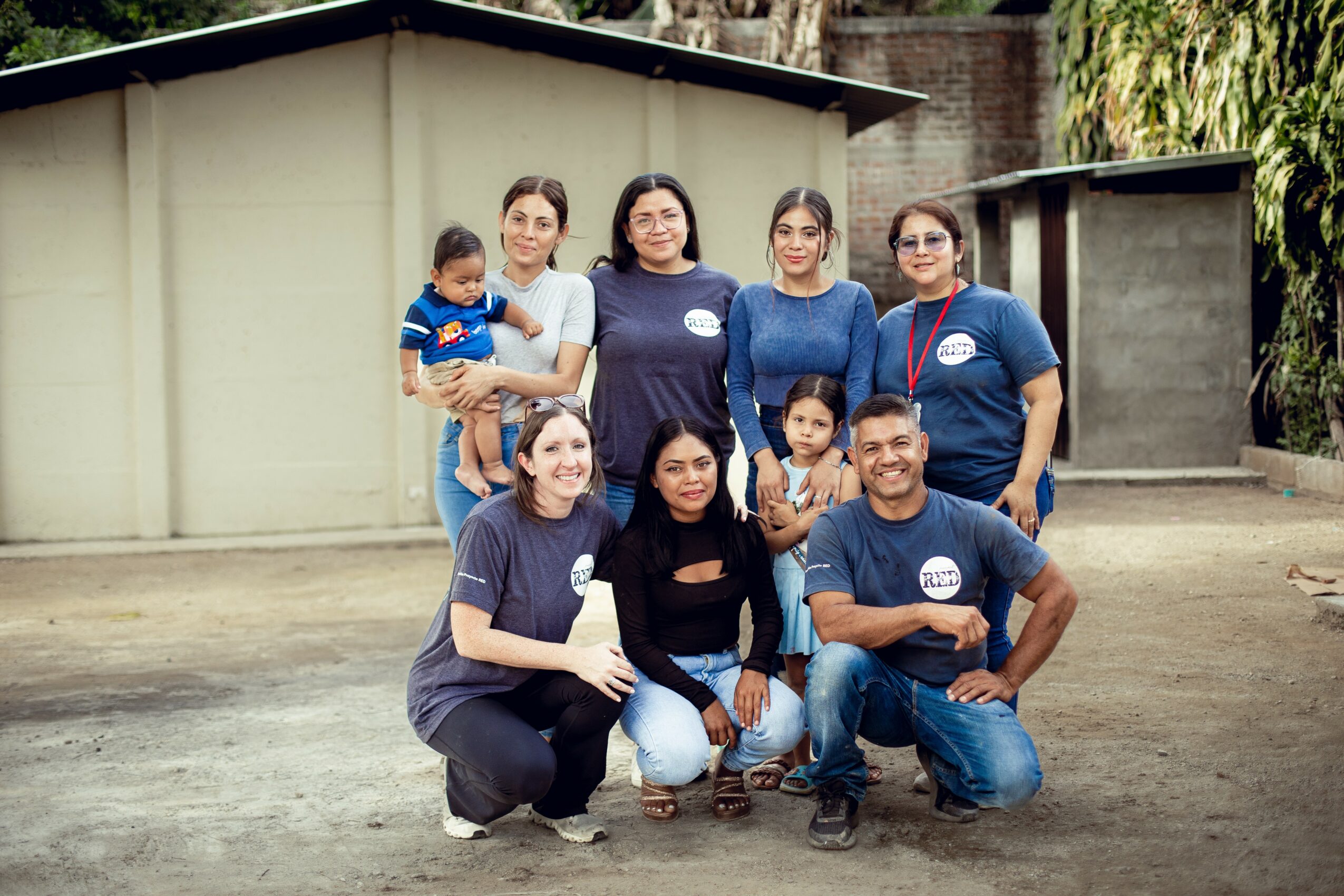
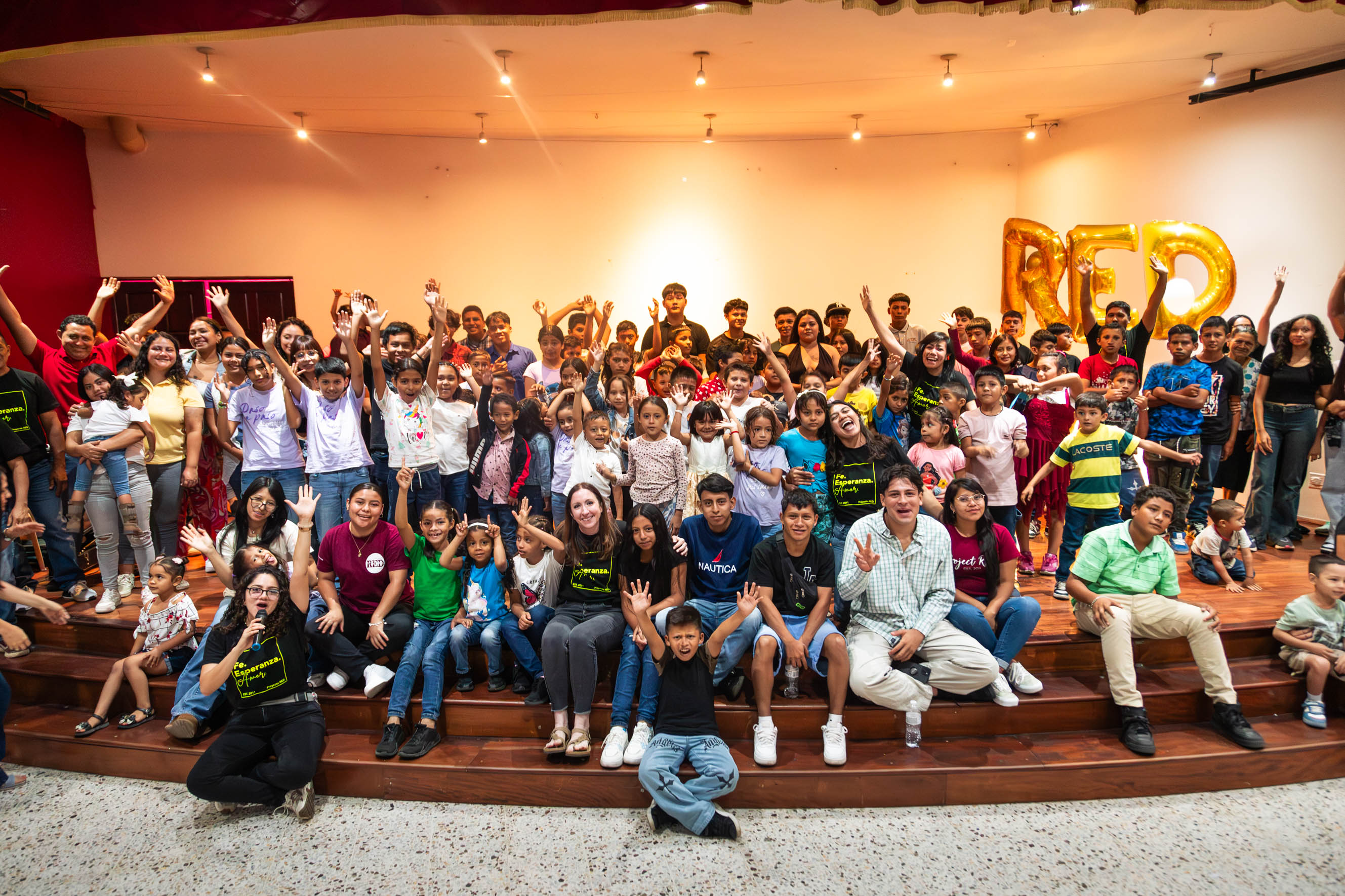
Today, Project RED has a 25-person Salvadoran staff working with 100 families each year in communities across the country. They understand this work in ways I never could, because it is their country, their culture and their communities. I may have gotten the organization started, but they are the ones doing the hard work every day and carrying it forward.
We all face challenges, but looking back would you describe it as a relatively smooth road?
This question made me laugh! When the road has had any smooth moments, I almost begin to worry.
It has been anything but smooth. We are often dealing with a David-and-Goliath situation in a country that has endured generations of violence, corruption, poverty and institutional instability. The problems affecting the children and families we serve are incredibly complex, and there are no quick fixes.
People often say to me, “You were so brave to move there and start Project RED!” I actually disagree. Moving to El Salvador and starting Project RED was the easy, fun part. It was exciting. I was 24 years old, and I was finally doing what I had felt destined to do since I was a child. Sticking with it has been the hard part.
Over the years, I have been threatened, sued (twice!), mugged, traumatized, and found myself in some unbelievably dangerous situations. I have felt alone, unsafe in just about every possible way, and unwanted. Somewhere in the middle of all of that, I also became a mother and had two children of my own, including one who spent time in the NICU during the pandemic.
There have been many, many moments when I have wondered whether I could keep doing this. There still are. But what continues to draw me back and center me is the purity of what we do. The love, plain and simple.
I have come to believe very deeply that love is transformational. And now, 15 years after starting Project RED, I am finally able to see some of the long-term results of what has been built. I see children we knew years ago as scared, vulnerable kids who are now adults with degrees, careers and families of their own. I see young people who once believed their future would be limited by gangs, violence or extreme poverty discovering completely different possibilities for their lives. I see parents changing the patterns of trauma that have existed in their families for generations. I see people who received help years ago now helping others. This is incredibly powerful to witness and be part of.
The road has definitely not gotten any smoother. I’m not sure it ever will. But after 15 years, I have enough perspective now to know that the difficult parts are not the whole story. I can look back and see that lives really have changed. This is what keeps me going.
Alright, so let’s switch gears a bit and talk business. What should we know about your work?
Project RED works with children and families in El Salvador who are facing some of the most complicated situations imaginable: abuse, neglect, family separation, extreme poverty, sexual violence, displacement, and generations of trauma. Our goal is ultimately pretty simple: we want children to be safe and families to be strong enough to care for them well.
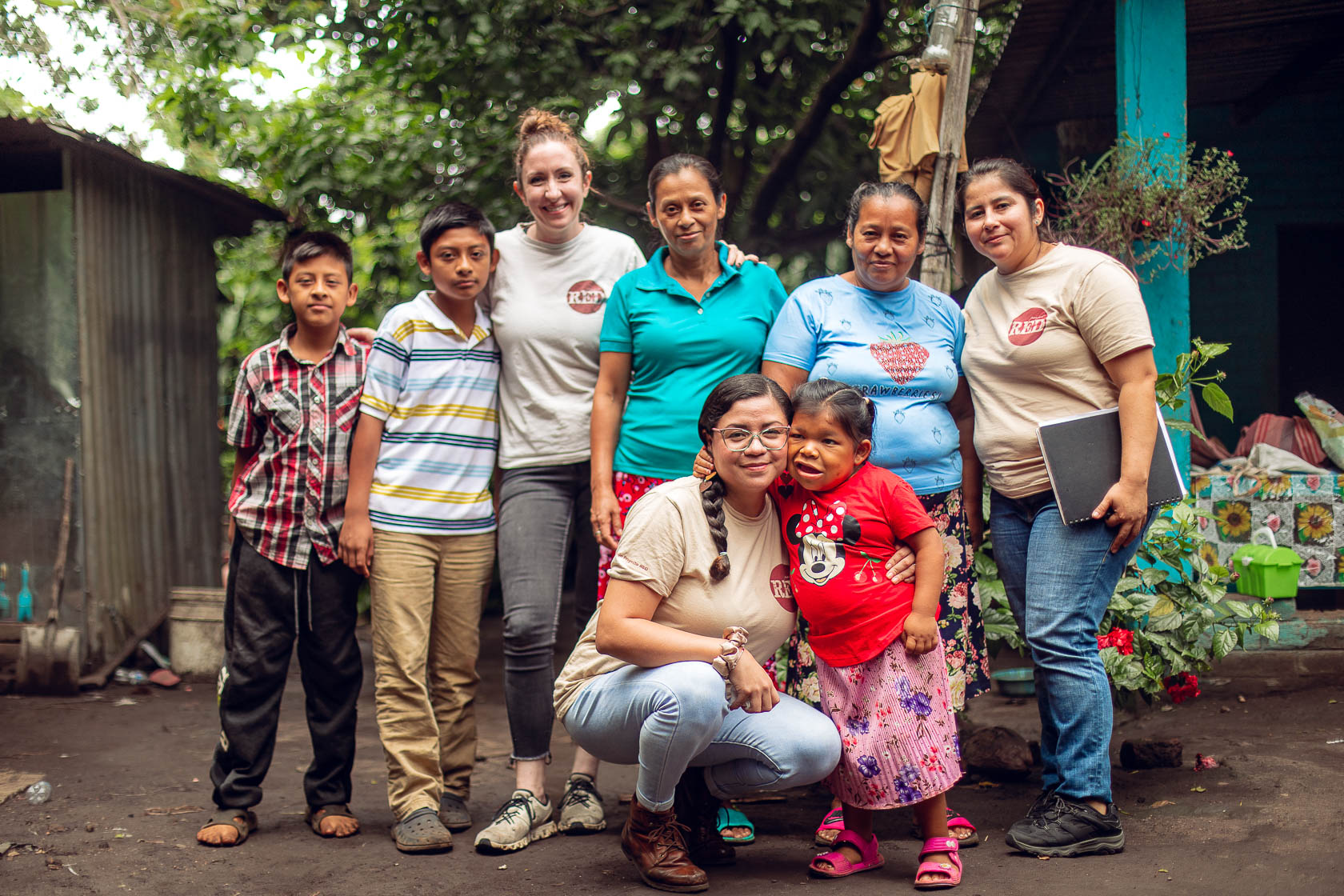
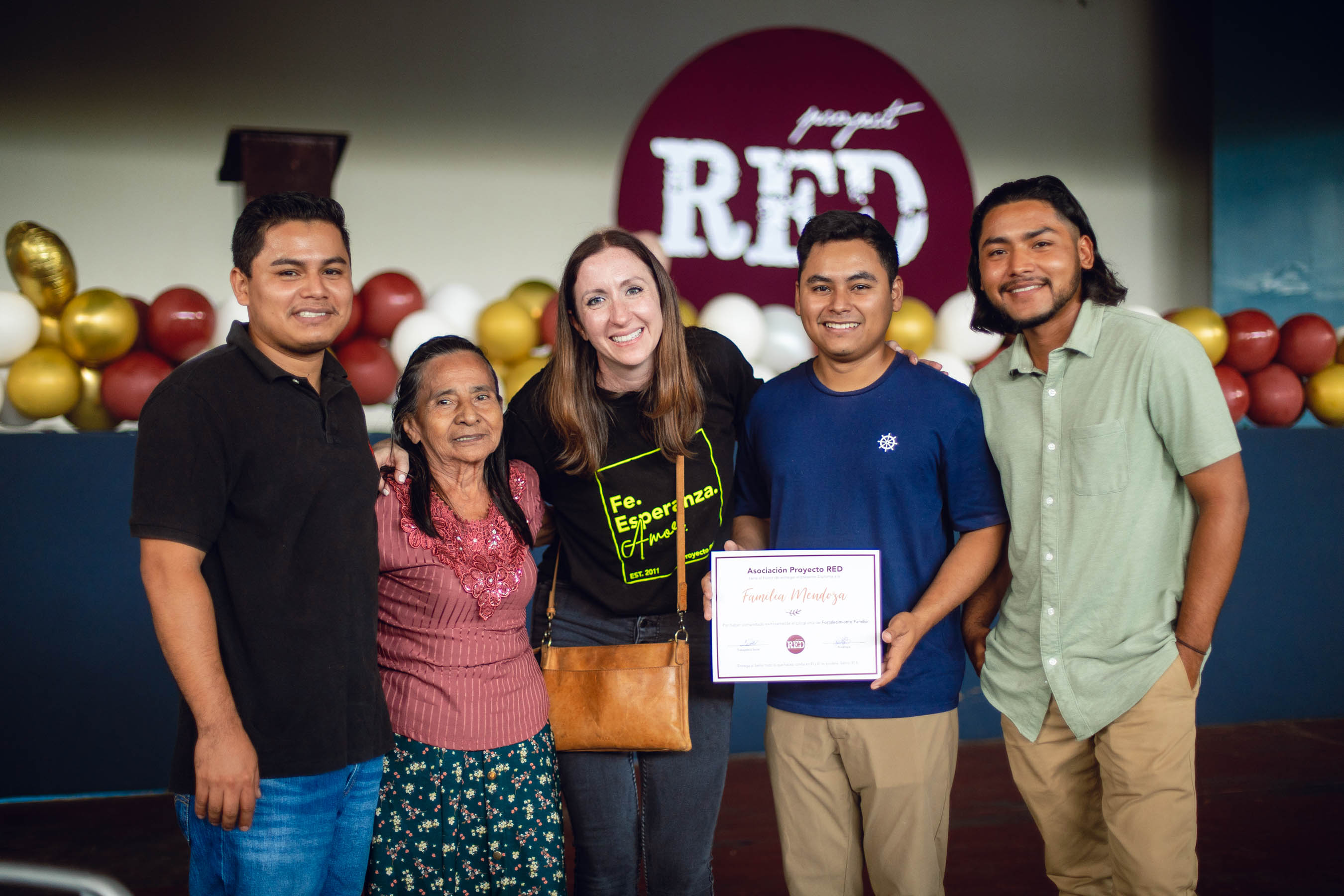
How we get there is much more complicated! We have teams of Salvadoran social workers, psychologists, attorneys and other professionals who work directly in families’ homes and communities. Depending on what a particular family needs, that might include trauma therapy, education, legal advocacy, parenting support, help accessing medical care, improving unsafe housing conditions, or working with government institutions to protect a child. We don’t have a one-size-fits-all program because families don’t have one-size-fits-all problems.
Personally, I guess I am known in El Salvador as the gringa who gets very far into the weeds of child protection in El Salvador (not always a good reputation)! I have spent 15 years learning how the system works, building relationships within it, asking a lot of questions, and sometimes being willing to talk openly about things that are uncomfortable. But one of the things I am most proud of is that Project RED is no longer dependent on me to understand that work. We now have an entirely Salvadoran team of professionals who bring expertise, cultural understanding and personal connection to the work that I never could.
Project RED has also developed a reputation for taking on the hard cases. Really hard cases. We work with families experiencing layers and layers of vulnerability, including situations that other organizations simply may not have the capacity or specialization to address. These cases are complicated, slow and sometimes frustrating. Progress rarely happens in a straight line. But those are exactly the families we believe deserve excellent professional care rather than being written off as “too difficult.”
One thing that particularly sets our work apart in El Salvador is our clinical and trauma-informed approach. Trauma is everywhere in the context where we work. Many of the parents we meet are trying to raise children while carrying enormous amounts of their own unresolved trauma, often passed from one generation to another. If we address only the behavior we can see—or only the immediate material need—we miss so much of what is actually happening.
I say that with a lot of humility because we were NOT always good at this.
Just this week, I happened to read something I had written about one of our families 12 years ago, and I cringed. It could not have been less trauma-informed! I read it and thought, “Oh, Kara. No.” But it also reminded me how much we have learned.
And honestly, that learning process may be what I am most proud of.
Project RED has been willing to change. We have learned about trauma, attachment, child development, secondary trauma, ethical storytelling, healthy boundaries, helping without creating dependency, and the unintended harm that even very well-intentioned people can cause. We have invested heavily in training our staff and continually improving how we work, and we still have so much to learn.
The other thing I think sets us apart is consistency. We have been doing this work for 15 years. We have gone back to the same communities, the same homes and the same incredibly complicated situations over and over and over again. We have watched children grow up.
There is something powerful that happens when professional expertise and human connection exist together over time. I think the combination of deep relationships, trauma-informed professional care, and the willingness to keep learning is probably the best description of what Project RED has become.
What would you say have been one of the most important lessons you’ve learned?
And after all these years, I think the biggest thing I have learned is actually pretty simple: people need to be deeply loved, known and connected to one another. Programs and professional interventions matter—we use a lot of them—but relationships are what hold everything together. In many ways, that is what Project RED has become: a community of people in El Salvador and the United States who believe that children and families matter, and who are willing to do something about it.
Contact Info:
- Website: https://www.projectREDelsalvador.org
- Instagram: @projectREDes
- Facebook: https://www.facebook.com/projectredelsalvador/
- LinkedIn: https://www.linkedin.com/in/kara-wilson-garcía
- Youtube: @ProjectREDes