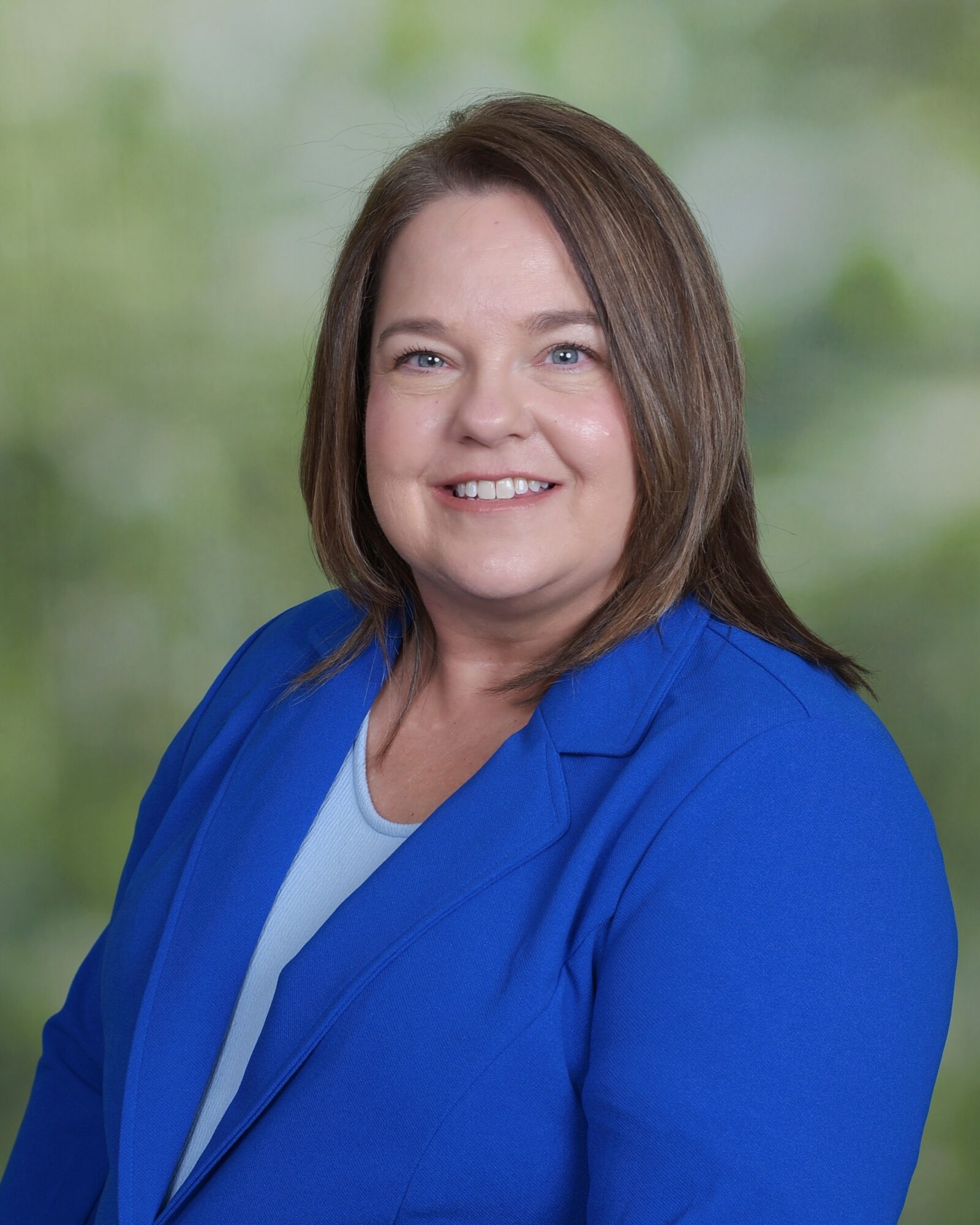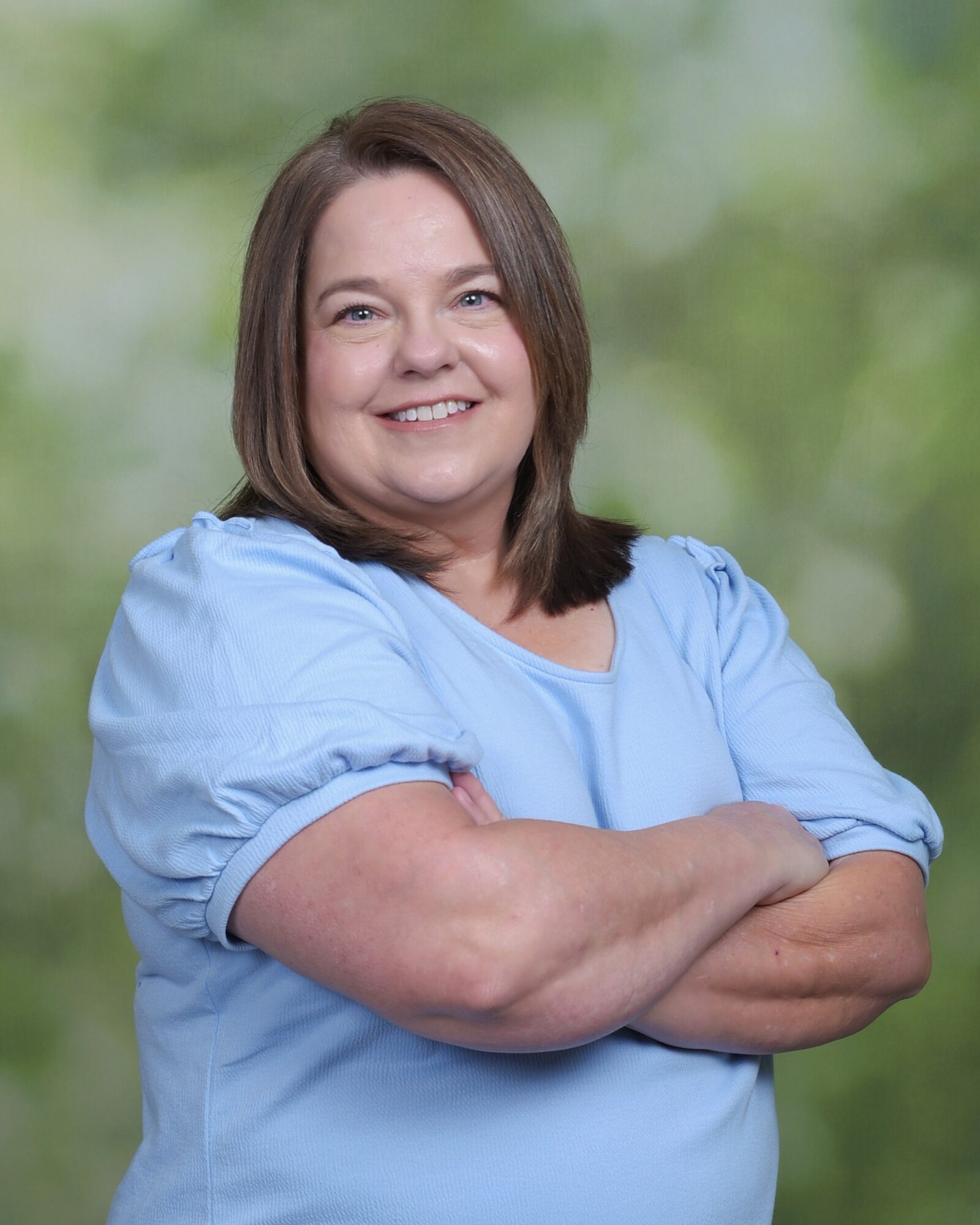





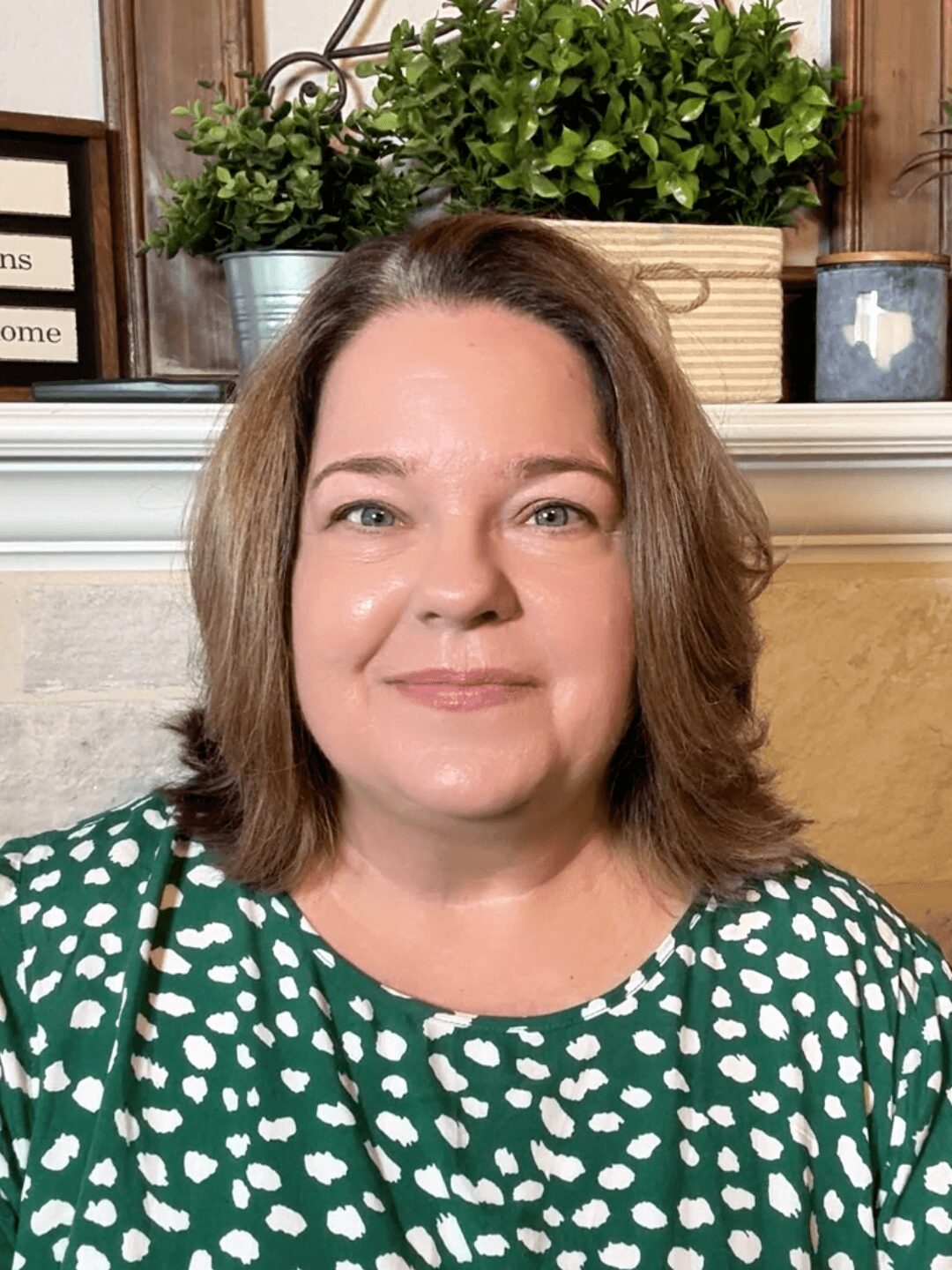
Today we’d like to introduce you to Gina Whitsitt.
Hi Gina, we’re thrilled to have a chance to learn your story today. So, before we get into specifics, maybe you can briefly walk us through how you got to where you are today?
I started my career in education in 1989, and schools were truly a different place back then. Over the years, I’ve watched how much the system has shifted. Today, teachers are often overworked and under-supported, and districts are managing tight budgets and competing priorities. Too often, “doing more with less” ends up impacting the students who can least afford it, especially students with disabilities who rely on consistent services and properly implemented supports.
My path has given me a rare, full-circle perspective. I’ve taught in general education and special education, across both elementary and middle school settings. And I’m not only speaking from the educator seat as I’ve also sat at the IEP and 504 tables as a parent. I even spent three years homeschooling, which deepened my understanding of what it looks like when a child truly needs individualized support and a learning environment that fits. Having been in all the seats at the table helps me bridge gaps: I understand the realities educators face, and I understand the urgency families feel when their child’s needs aren’t being met.
As I gained experience, I kept seeing the same pattern: families didn’t need to be “difficult,” they needed to be informed and supported. They needed someone who could translate the process into plain language, help them understand their rights, and make sure their child’s plan is appropriate, measurable, and actually implemented. That’s what ultimately led me into special education advocacy… partnering with parents before, during and after IEP meetings, reviewing records, strengthening goals and supports, and helping families advocate in a way that is firm, collaborative, and results-focused.
Along the way, I realized education and empowerment shouldn’t be limited to the families who happen to find me one-on-one. That’s where my content creation came in. As a social media content creator, gen x UGC creator and Amazon influencer, I create relatable, practical content that helps parents feel less alone and more prepared and I’m able to share tools and resources that support learning and daily life. Advocacy is still the heart of what I do; the content is one of the ways I scale the mission and reach more families.
Today, I’m grateful that my work sits at the intersection of experience and impact: supporting families, respecting educators, and helping ensure students with disabilities receive the services and dignity they’re entitled to.
Alright, so let’s dig a little deeper into the story – has it been an easy path overall and if not, what were the challenges you’ve had to overcome?
Definitely hasn’t been a smooth road as there have definitely been struggles along the way. One of the biggest was the leap itself. As a single woman with a mortgage, walking away from the steady income and security of teaching was honestly terrifying. In the beginning, I was trying to build something from scratch while also figuring out how families would even find me. To make it work, I hustled in every way I could delivering groceries for Shipt and Walmart, and even doing a few DoorDash runs. I’ve never been afraid of work, and I believed the hustle would pay off.
Another challenge has been valuing my own services. I care deeply about the families I serve, and I’ve struggled with charging what the work is truly worth especially because I often put in far more hours than I bill. But this is my full-time job, and for it to be sustainable, being paid fairly has to be part of the equation.
The hardest part, though, is the emotional weight of the work. I get attached to the families and students I represent, and it can be heartbreaking when I see a child not receiving what they need and what IDEA requires especially when it’s clearly impacting their progress and confidence. It’s a constant balance: staying compassionate and invested without carrying it all home.
And then there are the realities of running a small business, like invoices that don’t get paid. That one hurts, because I truly put my heart into this work. But even with all of those challenges, I keep going because when a student finally gets the right support and a parent feels empowered, it’s worth it.
Alright, so let’s switch gears a bit and talk business. What should we know?
My business is a special education advocacy practice focused on one clear purpose: helping families make sure their child receives meaningful support in school. Not just a plan on paper, but services and accommodations that are appropriate, measurable, and actually implemented so students can make real progress. I work alongside parents to navigate the IEP and 504 process with clarity and confidence, especially when families feel overwhelmed, intimidated, or unsure of what the school is proposing.
I support families in a number of ways depending on what they need. That can include reviewing records, progress reports, evaluations, and draft IEPs, identifying gaps or missing data, and helping parents understand what the documents really mean. I help families prepare for meetings by clarifying concerns, prioritizing goals, and creating a plan for how to advocate calmly and effectively. I also attend meetings with parents and help keep the team focused on the student’s needs, appropriate services, and accountability. A big part of my work is strengthening the foundation of the IEP itself, including present levels, measurable goals, accommodations, service minutes, and how progress will be tracked and reported.
When necessary, I also support families through dispute resolution. I can help file state complaints with the Department of Education, file federal complaints with the Office for Civil Rights, and I’ve helped multiple families learn how to file a due process complaint on their own. I assist families in preparing for the resolution meeting and help them organize their concerns, documentation, and proposed solutions. I also support parents in school mediation sessions, where having a calm, informed advocate can make a big difference in reaching an agreement that truly benefits the student.
What sets me apart is that I have a 360-degree perspective. I’ve sat in every seat at the table as a general education teacher, a special education teacher, and a parent at the IEP and 504 table. I understand the realities educators are facing, including time constraints and limited staffing, and I also understand the urgency and heartache families feel when their child isn’t receiving what they need. Because of that, my approach is both compassionate and direct. I help parents advocate in a way that is informed, professional, and results-focused, while still being collaborative when possible.
My business is also unique in its reach. With the power of Zoom, I’m able to serve not only families locally in the San Antonio area, but clients across the country, from Maryland to Hawaii. That flexibility has allowed me to support families who may not have access to advocacy in their own community, and it has created a space where parents feel supported, prepared, and not alone in the process.
I want readers to know that special education advocacy is not about fighting schools. It’s about ensuring students with disabilities have access, dignity, and the supports they are legally entitled to, and helping parents learn how to show up as effective partners in the process. I’m most proud that my brand has become known for calm, clear guidance and strong follow-through. Families come to me when they feel stuck, and I’m proud that they leave feeling empowered and equipped.
In addition to advocacy, I also work as a UGC content creator and Amazon influencer. Brands, including local businesses, can hire me to create authentic, relatable short-form video content for their products or services. It’s a creative outlet that lets me use storytelling and communication in a different way, and it also gives me a needed brain break from the emotional intensity that can come with advocacy work. Both parts of my business are built on trust, clarity, and connection, and ultimately, they support the same mission of helping people feel informed and supported.
Risk taking is a topic that people have widely differing views on – we’d love to hear your thoughts.
Starting my business was the biggest risk I’ve ever taken. I walked away from a steady teaching career and all the security that comes with it, not knowing if enough families would find me or if I could truly make it sustainable. Beyond the financial risk, there was also a personal one. I actually lost a few fellow educator friends along the way because of the decision. Advocacy can be misunderstood, and some people automatically hear “advocate” and think “troublemaker.”
My view is that real risk-taking usually isn’t loud or flashy. It’s choosing the harder, uncertain path because you believe in the mission. For me, advocacy was never about walking into a meeting to create problems for a district. I don’t show up looking for a fight. I show up to make sure a student receives the supports and services IDEA requires based on their unique needs, and to help parents communicate clearly and professionally so the team can make good decisions.
I also think risk and integrity go together. Sometimes the “risk” is simply being willing to say the hard thing respectfully, even when it might make someone uncomfortable, because a child’s progress is on the line. That doesn’t mean I dislike teachers. I don’t, ever. Some of my very best friends are teachers, and the majority of teachers I meet in meetings are truly amazing people doing their best in a system that’s stretched thin.
So I don’t see myself as a risk-taker for the sake of taking risks. I’m willing to take calculated risks when they align with my values. If the risk leads to more families being supported, more students getting what they need, and more parents feeling empowered, then it’s worth it.
Pricing:
- $75/hour for advocacy work
- $125 per video for most UGC work
Contact Info:
- Website: https://happyheartsiep.com/
- Facebook: https://www.facebook.com/HappyHeartsIEP
- Youtube: @checkitoutgina
- Other: Amazon: https://www.amazon.com/shop/gina-happyheartsiep