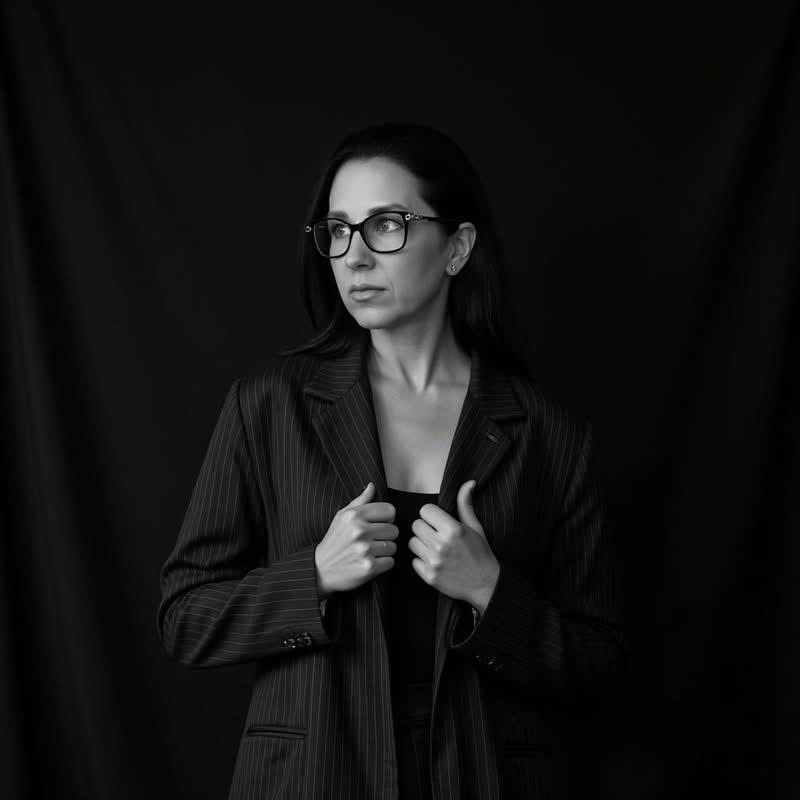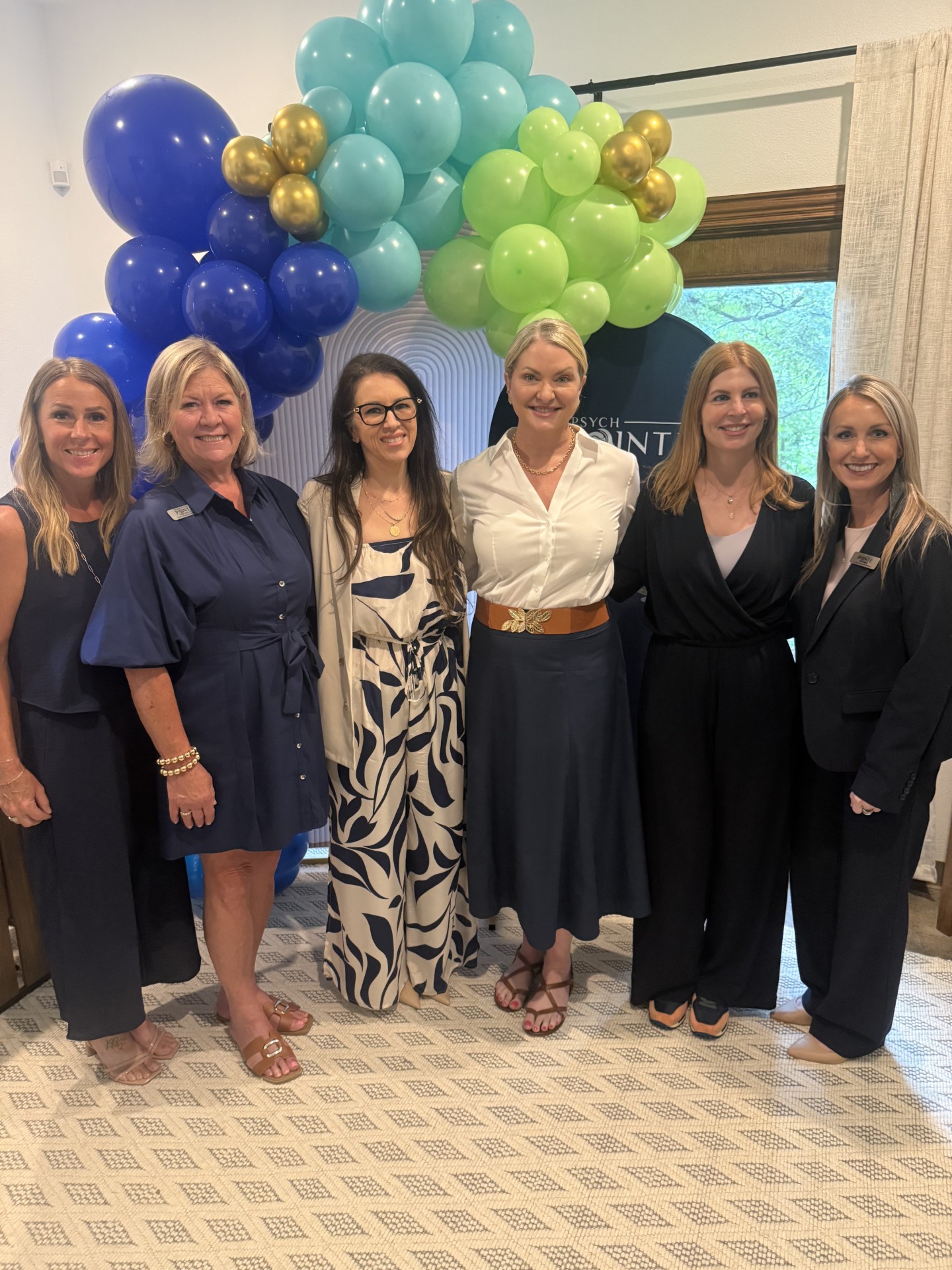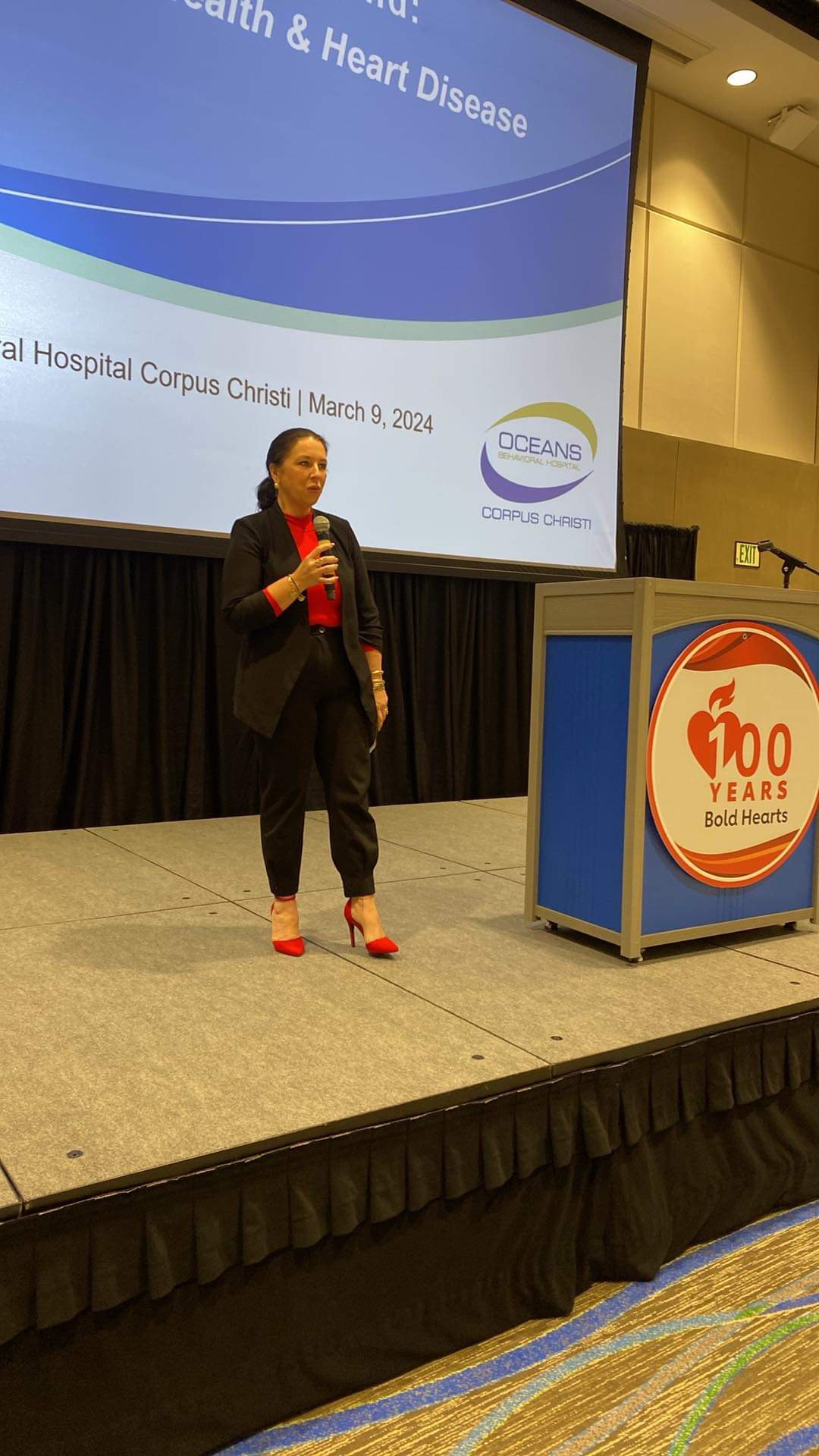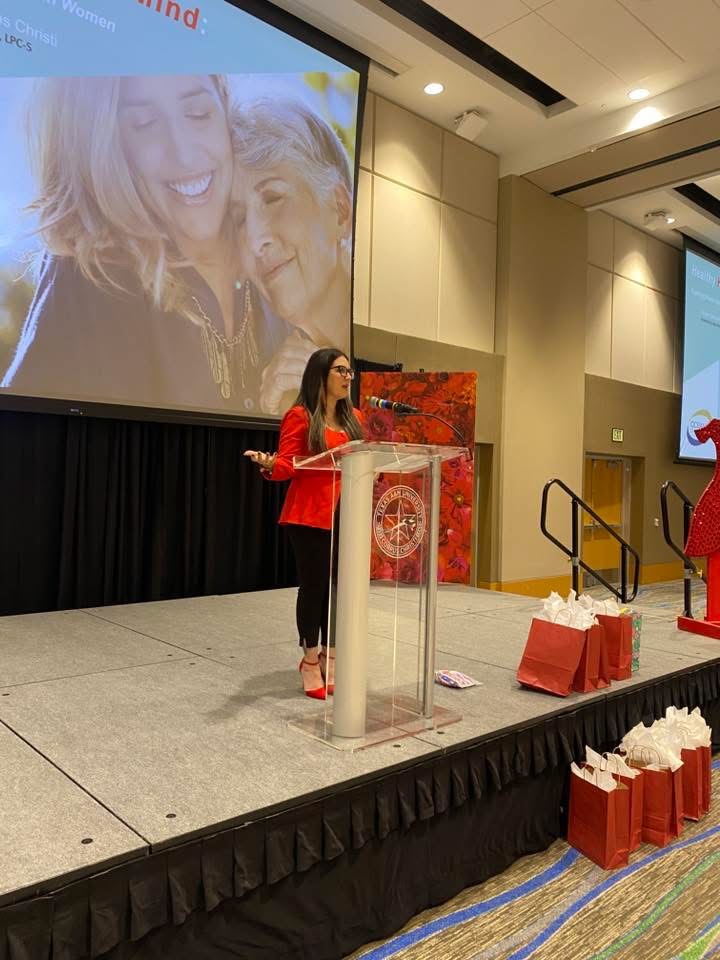




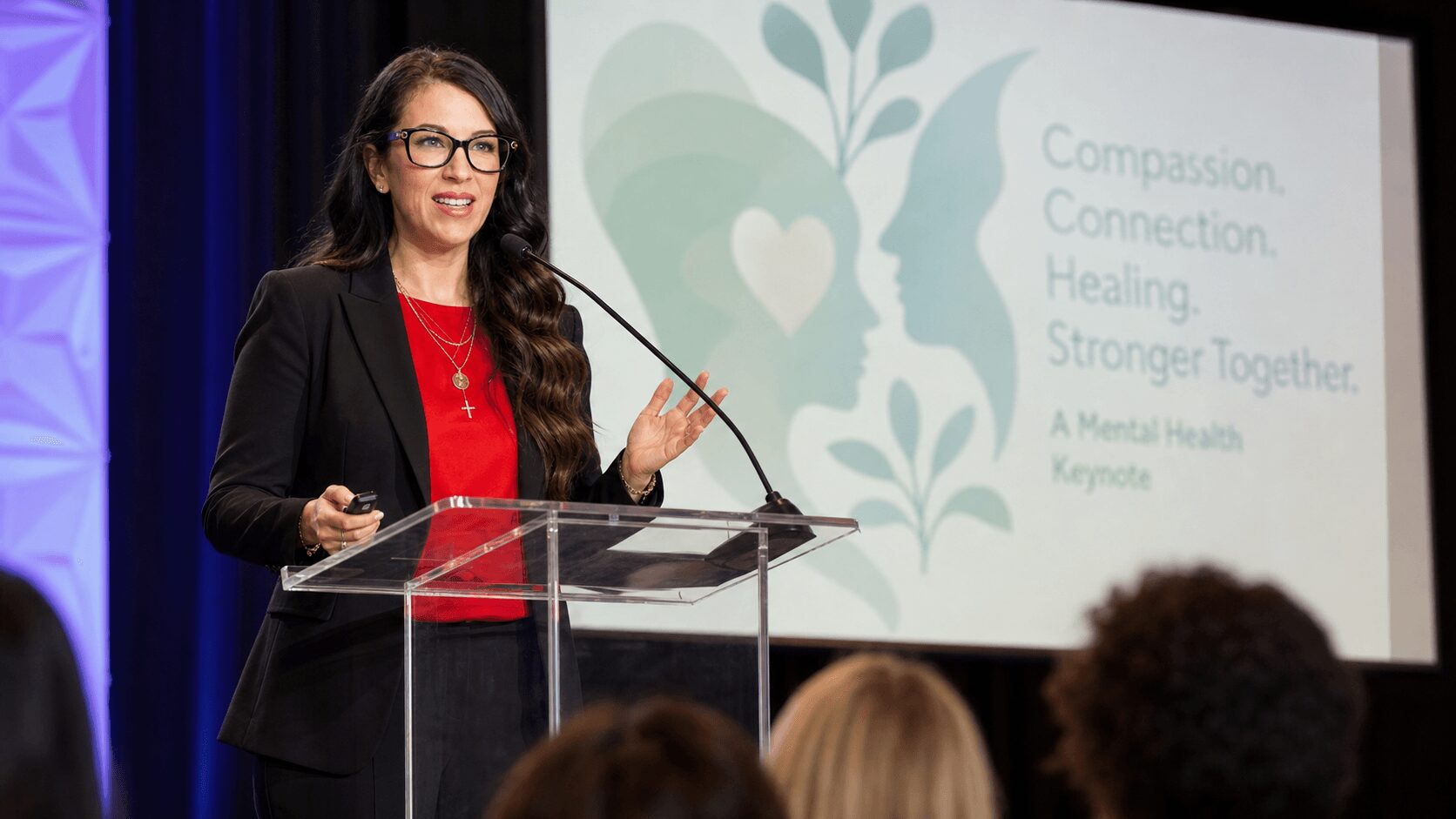
Today we’d like to introduce you to Alexis Michelle Foote.
Alright, so thank you so much for sharing your story and insight with our readers. To kick things off, can you tell us a bit about how you got started?
My story has definitely not been a straight line. In fact, I think most of the things that ultimately shaped my career happened long before I ever considered becoming a therapist.
I grew up in an environment where trust and emotional safety weren’t always a given. I learned very young how to read a room, pay attention to subtle changes in people’s behavior, and notice the things people weren’t saying out loud. At the time, I didn’t understand any of that as a skill. It was simply how I learned to navigate the world.
I also had my children young. My husband and I were building a life and raising a family when we experienced something no parent is ever prepared for. One of our twin daughters passed away. At the same time, her twin sister was sick with the same illness, so there really wasn’t an opportunity to simply stop and grieve. We were grieving one child while terrified of losing another.
That period of our lives changed us. My husband and I dealt with the grief very differently, and for a while, it led us down separate and destructive paths. We were hurting, and neither of us really knew how to find our way back to ourselves or to each other.
Eventually, we found a therapist who helped us do exactly that.
She didn’t erase what had happened or somehow make the grief disappear. She helped us understand it. She helped us see ourselves and each other differently and gave us the tools to begin putting our lives back together. That experience stayed with me. I remember thinking that if I could ever do for another person or family what she had done for us, that would be incredibly meaningful work.
That’s really where my journey into behavioral health began.
I became a therapist and quickly realized I was fascinated by people—why we do what we do, how our experiences shape us, and how incredibly resilient people can be. But as I grew as a clinician, I started paying attention to more than what was happening inside the therapy room. I noticed the systems around the patient. The programs. The leadership. The gaps. The things we were doing simply because “that’s how we’ve always done it.”
And I have never been particularly good at accepting that as an answer.
Over time, I moved into clinical leadership and operations, where I discovered another part of myself. I’m a builder. I can walk into a program or organization, see the bigger picture, identify what’s missing, and immediately start thinking about how we can make it better. I’ve had the opportunity to develop clinical programs, lead incredible teams, and help organizations grow while keeping quality patient care at the center of the work.
More recently, I’ve stopped seeing myself only as a therapist or healthcare executive and have given myself permission to embrace the innovator in me. My work and ideas now sit at the intersection of behavioral health, women’s mental health, clinical operations, and AI-driven healthcare. I’m still driven by the same question that brought me into this field in the first place: How do we help people better?
There have been losses, failures, disappointments, and plenty of redirections along the way. But I can look back now and see how every part of my story connects. My childhood taught me to understand people. Losing my daughter taught me about grief and survival. A therapist showed me the power of having the right person beside you during the darkest season of your life. Becoming a clinician taught me how to help one person at a time. Leadership taught me how to build systems that can help many.
And now, innovation is giving me the opportunity to imagine what we can build next.
I’m incredibly proud of where I am today, but I genuinely feel like I’m just getting started.
Can you talk to us a bit about the challenges and lessons you’ve learned along the way. Looking back would you say it’s been easy or smooth in retrospect?
Ha! Absolutely not. I don’t know that I would even recognize a smooth road at this point.
Some of my struggles have been deeply personal. As I mentioned, I became a mother young, experienced the loss of a child, and had to learn how to keep moving forward while carrying grief that doesn’t simply go away. I went back to school and built a career while raising a family and navigating real life at the same time. There was never a season where everything was perfectly lined up and I could focus on just one thing. I learned to build while life was still happening.
Professionally, one of my biggest struggles has probably been learning how to navigate being someone who sees things quickly and feels very strongly about making them better. I am naturally a problem solver. If I see a gap, an inefficiency, or an opportunity, my instinct is to jump in and start building. That can be an incredible strength, but I’ve also learned that not every environment knows what to do with that kind of energy.
There have been times when I’ve been underestimated, misunderstood, or made to question whether I was too much—too passionate, too direct, too ambitious, or too willing to challenge the way things have always been done. For a long time, I thought I needed to soften those parts of myself to fit into certain rooms.
I don’t believe that anymore.
What I have learned is that good leadership doesn’t make people smaller. The right leaders recognize someone’s strengths, help refine the areas where they need growth, and create space for them to contribute. I’ve been incredibly fortunate to experience that kind of leadership, and it has completely changed the way I lead others.
I’ve also had professional disappointments that, in the moment, felt devastating. Doors have closed that I was convinced were supposed to stay open. I’ve had plans change almost overnight and have had to redirect when I wasn’t ready to. But some of those redirections have created the space for the ideas and opportunities I’m pursuing now.
I think my biggest lesson has been that resilience isn’t always about pushing harder in the same direction. Sometimes it’s knowing when to redirect, take everything you’ve learned, and build something entirely different.
The road has definitely not been smooth, but I also don’t think I would be the clinician, leader, or person I am today if it had been.
Can you tell our readers more about what you do and what you think sets you apart from others?
I am a licensed professional counselor and behavioral healthcare leader, but the simplest way to describe what I do is that I build things. I build clinical programs, teams, systems, and ideas that I believe can make behavioral healthcare better.
My career began as a therapist, and that clinical foundation still influences almost every decision I make. I have worked across different levels of behavioral healthcare and with a wide range of populations, but over time, my career naturally moved into clinical leadership and operations. I became increasingly interested in the bigger picture—how programs are designed, how teams are supported, why patients fall through gaps in care, and how strong clinical outcomes and sustainable business operations can coexist.
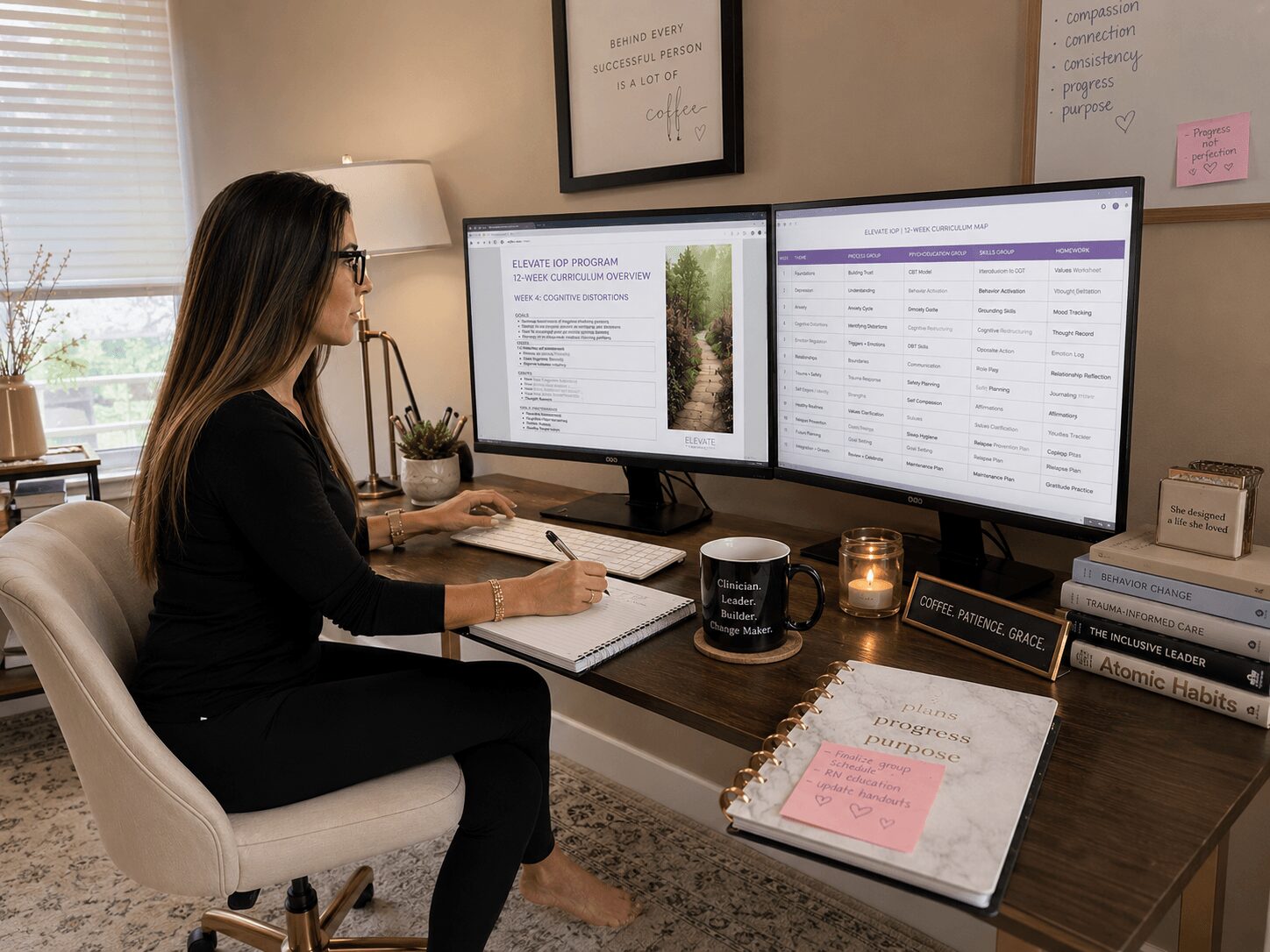
I specialize in clinical program development, behavioral healthcare operations, quality, and organizational growth. I love taking an idea and figuring out how to turn it into something real and operational. That may mean developing an intensive outpatient program from the ground up, creating the clinical framework and curriculum, establishing workflows and quality measures, or helping a team understand not only what we are doing, but why we are doing it.
I think what I am probably known for professionally is seeing the gap. My brain naturally looks for what is missing. I ask a lot of questions, and one of my favorites is, “Why are we doing it this way?” Sometimes there is a very good answer. Sometimes the answer is simply that no one has stopped to question it yet.
I am especially passionate about women’s mental health and the enormous gaps that still exist in behavioral healthcare for women navigating perimenopause, menopause, and major life transitions. We talk extensively about the physical changes women experience, but often fail to adequately address the anxiety, depression, sleep disruption, cognitive changes, identity shifts, grief, and emotional distress that can accompany them. This is an area where I believe behavioral healthcare has an opportunity—and a responsibility—to do much better.
I am also deeply interested in artificial intelligence and its role in the future of healthcare. I don’t believe technology should replace the human connection that is so essential to behavioral health. I believe it should make clinicians better supported, give them better information, reduce unnecessary administrative burdens, and allow them to spend more time doing the work they were actually trained to do. A lot of my ideas right now live at that intersection of clinical expertise, operations, and technology.
What I am most proud of, though, is the programs and teams I have helped build. There is something incredibly rewarding about watching an idea that once existed on a piece of paper become a real program serving real people. I am equally proud when I see someone I have supervised or led begin to recognize their own strengths and step into leadership themselves.
I think what sets me apart is that I can sit in several different rooms and understand the conversation. I can think like a therapist and advocate for the patient. I can think like a clinical leader and understand quality, ethics, and risk. I can look at operations and recognize that healthcare organizations have to be financially sustainable. And I can sit with innovators and ask what we could create if we stopped assuming the current way is the only way.
I am not interested in innovation simply for the sake of doing something new. I am interested in solving real problems. I think my own life has made me deeply aware that sometimes one person, one program, or one idea can change the entire direction of someone’s life.
I know that because someone once did that for me.
What are your plans for the future?
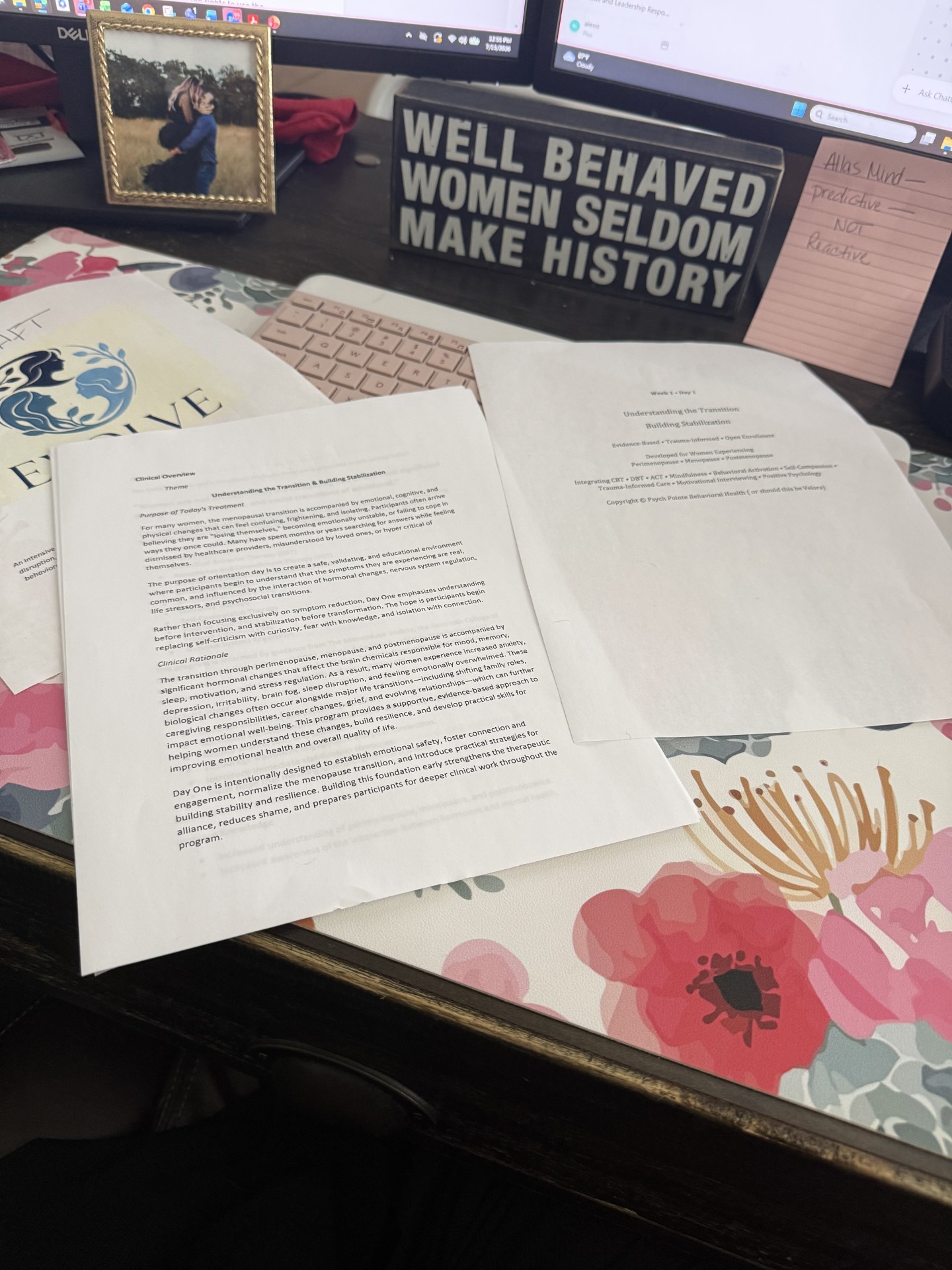
I feel incredibly fortunate because I get to spend every day doing work that genuinely excites me. Right now, one of the projects I’m most passionate about is developing a behavioral health program for women navigating perimenopause and menopause.
For far too long, this has been treated as something women are expected to quietly endure or simply “push through.” We openly discuss pregnancy and postpartum mental health—which is incredibly important—but we don’t spend nearly enough time talking about the emotional, cognitive, and psychological changes that can happen during midlife. Anxiety, depression, sleep disruption, brain fog, changes in confidence and identity—these experiences are real, they’re common, and women deserve care that recognizes all of it.
I’m excited to help bring that conversation to the forefront. My hope is that this program becomes part of a much larger movement to normalize these conversations, reduce stigma, and ensure women know they don’t have to navigate this stage of life alone.
Beyond my current role, I’m also investing time in projects that combine behavioral health with technology. I believe artificial intelligence has enormous potential to support clinicians—not replace them. If we can reduce administrative burden, improve clinical decision-making, and give providers more time to connect with patients, everyone benefits. I love thinking about what the future of behavioral healthcare could look like and helping build it.
I’m also working toward publishing my first novel. While it’s very different from my clinical work, it comes from the same place: a desire to better understand people and tell stories that explore resilience, relationships, and the complexity of being human.
More than anything, I’m looking forward to continuing to build. Whether it’s a clinical program, a new technology, a book, or mentoring the next generation of leaders, I want to spend my career creating things that leave people better than I found them.
I’ve learned that meaningful change doesn’t happen by waiting for someone else to start the conversation. Sometimes you have to be willing to be the one who brings it into the light.
Contact Info:
- Website: https://www.velorahealthpartners.com/
- LinkedIn: https://www.linkedin.com/in/alexis-michelle-foote-m-s-nbcc-lpc-s-35364216a/