




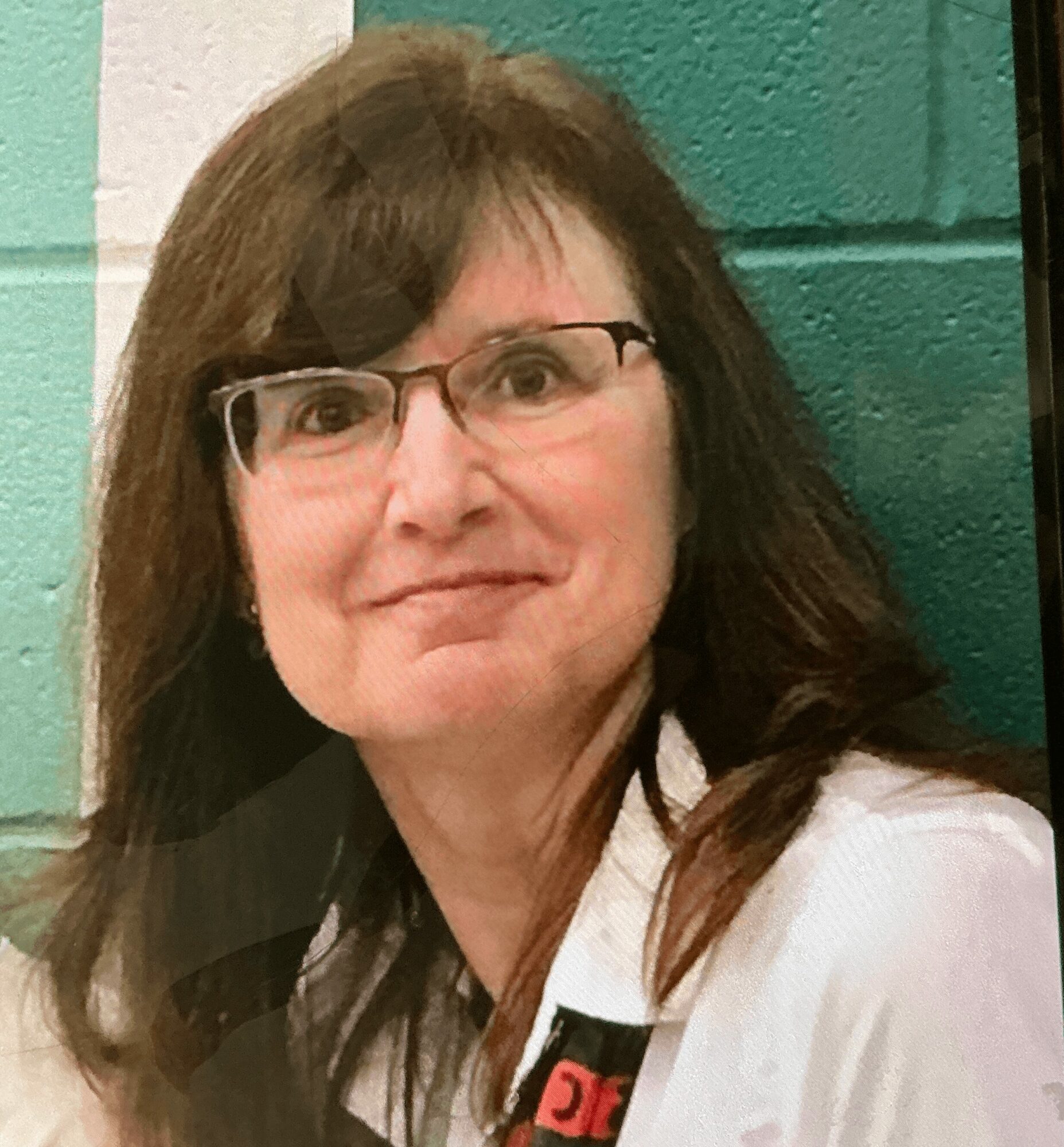
Today we’d like to introduce you to Kimberley Gaskill.
Hi Kimberley, so excited to have you on the platform. So before we get into questions about your work-life, maybe you can bring our readers up to speed on your story and how you got to where you are today?
Dr. Kimberly Gaskill’s path into behavioral health began with a deep awareness that emotional pain, trauma, and life transitions often go unseen — yet profoundly shape people’s lives. Early in her journey, she recognized that many individuals and families struggle not because they are broken, but because they have not had access to understanding, safe support, and effective tools for healing.
Driven by a desire to make a meaningful difference, Dr. Gaskill pursued advanced education in counseling and behavioral health. Through years of academic study, clinical training, and supervised practice, she developed a strong foundation in mental health assessment, therapeutic intervention, and ethical clinical care. Her work has always emphasized compassion, accountability, and respect for the whole person — emotionally, mentally, and socially.
As her clinical experience grew, Dr. Gaskill worked with individuals facing anxiety, depression, trauma, relationship challenges, life stressors, and personal growth concerns. Over time, she saw patterns: many clients had been navigating systems that were fragmented, overwhelming, or dismissive of their lived experiences. This insight shaped her approach — one that values clarity, empowerment, and collaborative healing.
Earning her doctoral degree marked an important milestone, not simply as a professional achievement, but as a commitment to leadership, education, and service in the behavioral health field. With advanced training, Dr. Gaskill expanded her role beyond therapy alone to include consultation, documentation support, ethical practice guidance, and advocacy for quality mental health care.
Today, Dr. Gaskill serves clients through private practice, providing behavioral health services that are grounded in evidence-based care while remaining deeply human and relational. Her work reflects a belief that healing is possible when individuals are met with understanding, structure, and respect. She is known for creating a supportive therapeutic environment where clients feel heard, valued, and equipped to move forward.
Dr. Gaskill’s journey continues to be shaped by a commitment to professional integrity, lifelong learning, and service to her community. Her story is one of purpose — transforming experience, education, and compassion into meaningful behavioral health care.
We all face challenges, but looking back would you describe it as a relatively smooth road?
From Survival to Purpose
Childhood trauma was not the only adversity that shaped Dr. Kimberly Gaskill’s journey. In adulthood, she also experienced domestic violence — a chapter that profoundly deepened her understanding of trauma, power, control, and survival.
Living as a battered wife exposed the realities many survivors face: fear, isolation, self-doubt, and the gradual erosion of safety and identity. These experiences reinforced a painful truth she would later see echoed in her clinical work — trauma does not always end when childhood does, and leaving abusive dynamics is often far more complex than outsiders realize.
During this time, survival required strength, strategy, and resilience. Healing did not happen all at once. It unfolded slowly, alongside moments of courage, support, and clarity. This period further shaped Dr. Gaskill’s understanding of how trauma affects the nervous system, decision-making, attachment, and self-worth — especially when harm occurs within intimate relationships.
Rather than allowing these experiences to define her, Dr. Gaskill chose to integrate them into a deeper purpose. Her professional training and personal healing began to intersect, reinforcing the importance of safety, empowerment, and informed choice in the therapeutic process. She learned firsthand that healing requires more than insight — it requires stability, validation, and time.
Today, Dr. Gaskill brings this lived understanding into her behavioral health work with care and ethical boundaries. She does not position herself as a savior or a story, but as a clinician who understands that trauma is layered and that resilience often develops through hardship. Her practice emphasizes restoring agency, building emotional safety, and helping clients reclaim their sense of self.
What began as survival — through childhood trauma and domestic violence — became a foundation for compassionate, grounded clinical care. Dr. Gaskill’s journey reflects not just professional achievement, but the belief that healing is possible, even after profound adversity.
As you know, we’re big fans of you and your work. For our readers who might not be as familiar what can you tell them about what you do?
I work in behavioral health, providing counseling and clinical support to individuals who are navigating trauma, emotional distress, life transitions, and the long-term impact of adverse experiences. My work is grounded in trauma-informed, ethical, and evidence-based practice, with a strong emphasis on safety, empowerment, and clarity.
I specialize in working with individuals who have experienced childhood trauma, domestic violence, complex relational trauma, anxiety, depression, and identity or life-stage challenges. Much of my focus is on helping clients understand how trauma affects the nervous system, relationships, and self-concept — and then supporting them in building stability, resilience, and meaningful change.
What I’m Known For
I’m known for being direct, compassionate, and grounded. Clients often tell me they appreciate that I balance empathy with structure — that I don’t rush the process, minimize their experiences, or over-pathologize their pain. I’m also known for creating a therapeutic environment where people feel safe to be honest, even when the work is difficult.
Professionally, I’m recognized for maintaining strong ethical boundaries, clear documentation, and thoughtful clinical decision-making. I take the responsibility of this work seriously — not just the emotional aspects, but the professional and systemic ones as well.
What I’m Most Proud Of
What I’m most proud of is not a title or credential, but the fact that I’ve been able to transform adversity into purposeful service without allowing it to define or limit me. I’m proud of building a practice rooted in integrity, resilience, and respect — both for my clients and for the profession itself.
I’m also proud of the clients I’ve walked alongside as they reclaimed their voice, safety, and sense of self. Watching people move from survival to stability — and from stability to growth — is deeply meaningful work.
What Sets Me Apart
What sets me apart is the integration of clinical expertise, lived understanding, and professional discipline. I understand trauma not only from textbooks, but from experience — and I also understand the importance of boundaries, ethics, and evidence-based care.
I don’t view healing as a quick fix or a linear process. I approach it with patience, realism, and hope. I meet clients where they are, help them make sense of their experiences, and support them in moving forward at a pace that is sustainable and empowering.
Ultimately, my work is about helping people feel safe in their own lives — emotionally, mentally, and relationally — and about doing that work with integrity, compassion, and respect. Giving the individual the place to share their story and it to be honored.
So, before we go, how can our readers or others connect or collaborate with you? How can they support you?
There are several ways people can work with me or engage with my work, depending on their needs and interests.
Clients can work with me through individual behavioral health services. I offer a supportive, trauma-informed therapeutic environment where individuals can address emotional challenges, heal from past experiences, and build stability and resilience. I work collaboratively with clients, respecting their pace and goals while maintaining ethical and professional standards.
Professionals and organizations can collaborate with me through consultation, clinical support, and professional guidance. I am open to working with agencies, schools, community organizations, and other providers who value trauma-informed care, ethical practice, and thoughtful service delivery. Collaboration may include case consultation, program development input, or educational support.
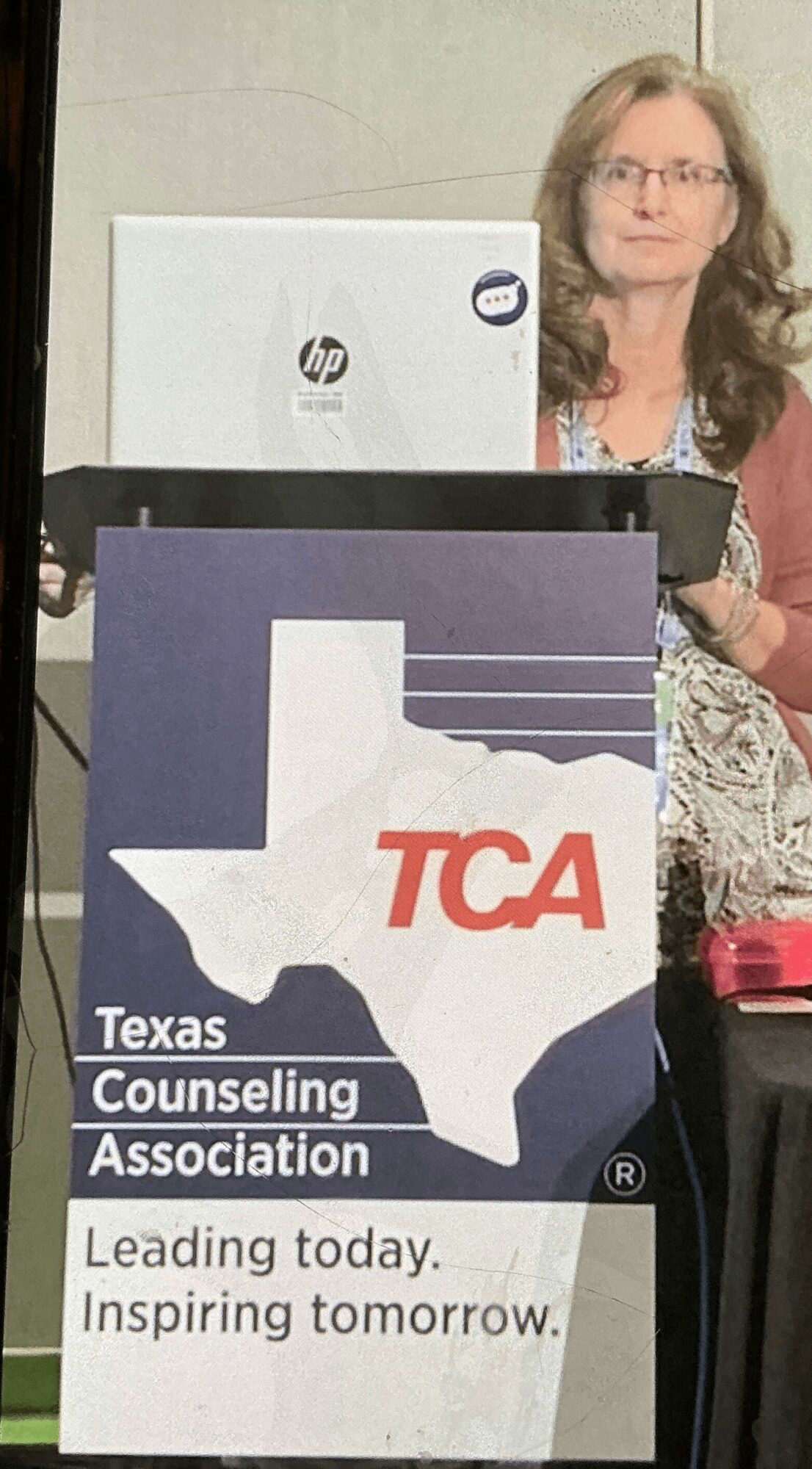
Speaking and training opportunities are another way to collaborate. I welcome opportunities to share insights on trauma-informed care, domestic violence awareness, resilience, professional boundaries, and sustainable practices in behavioral health. My approach is practical, grounded, and accessible, drawing from both clinical expertise and lived understanding.
Community support also matters. Supporting my work can look like referring individuals who may benefit from ethical, trauma-informed care, sharing educational resources, or engaging in conversations that reduce stigma around mental health and trauma. Advocacy for safe, respectful behavioral health systems is an important part of this work.
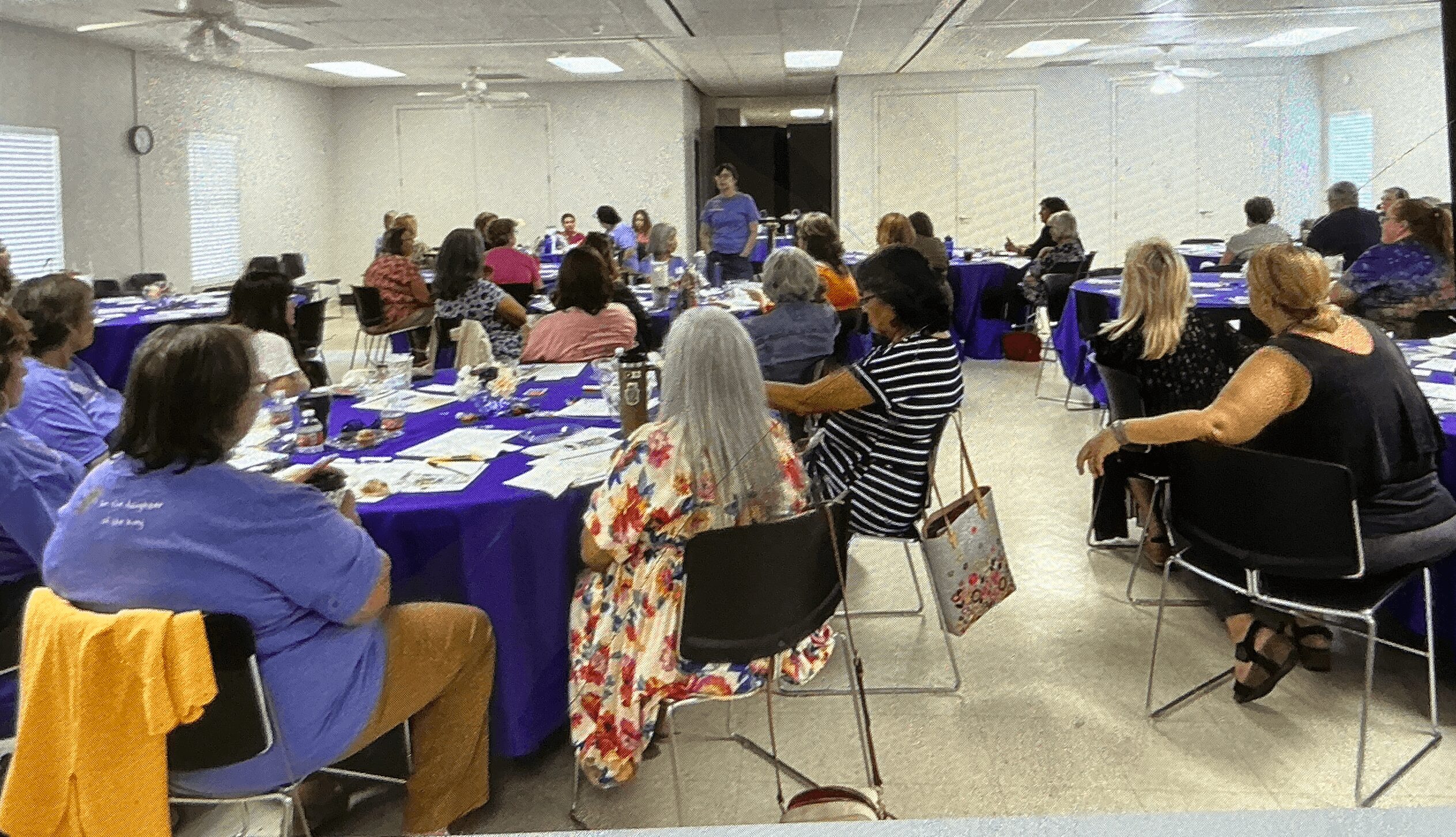
Foundation of the Hearts Connected Women’s Mental Health Coalition that provides community events to support women during challenges
Above all, I value relationships built on respect, clarity, and shared purpose. Whether through clinical work, collaboration, education, or community engagement, I believe meaningful change happens when people come together with intention and integrity.