

Today we’d like to introduce you to Caitlin Bailey.
Hi Caitlin, please kick things off for us with an introduction to yourself and your story.
My passion for animals has been a part of me since my earliest memories. When I was five years old, I declared myself “the animal lover of the world” and I have been trying to live up to that self-made title ever since. My family took a yearly trip to Port Aransas in the summer where my love of the ocean grew and grew. When I was at Incarnate Word High School, I molded my entire curriculum to take an aquatic science class in my senior year. I was practically a sponge for all things ocean. I decided to pursue a Bachelor of Science in Animal Biology with a minor in Psychology at Texas A&M University – Corpus Christi. During college, I tried to gain as much experience as possible. I had a summer internship at San Antonio Zoo in the bird department, studied otter mother and pup behavior in Alaska through Texas A&M – Galveston, studied bird migration patterns in Flour Bluff, researched wild mice vocalizations at the University of North Carolina at Greensboro, volunteered with the Texas Marine Mammal Stranding Network and at Texas State Aquarium in their raptor and shorebird rehabilitation facility, and mentored first year biology students. I learned a lot from all of these experiences, but nothing felt quite right for me.
Just before my last year of college, I was presenting my work at a scientific conference in Austin. Amongst the research posters was a booth about a Master of Fine Arts in Science and Natural History Filmmaking program at Montana State University. I felt like lightning struck me. That’s what I wanted to do! Film animal behavior! I knew nothing about filmmaking and had never touched a camera in my life, but decided to apply anyway. The following year, I found myself moving to Bozeman, Montana to pursue my new degree in a brand new, unexpected field.
Filmmaking was freedom to me. I was able to explore different areas of science through storytelling. While in school, I did an internship at NASA Goddard Space Flight Center where I made films about space weather. I also did an internship with the Ocean Exploration Trust aboard the E/V Nautilus where I fell in love with the deep sea and underwater robotics. I did not know that I could love deep sea animals like chimaeras and deep sea corals as much as I love whales and dolphins, but I fell hard for them.
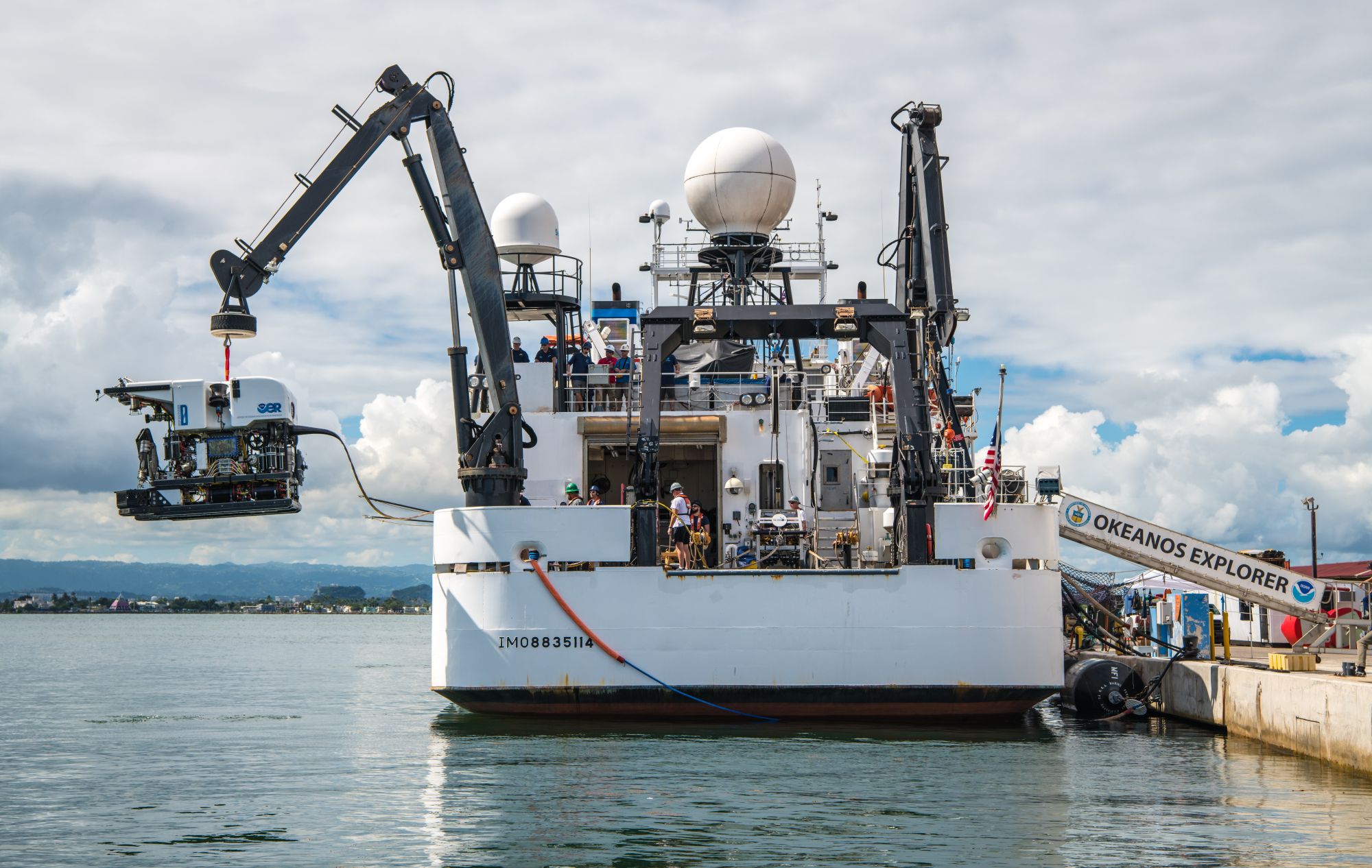
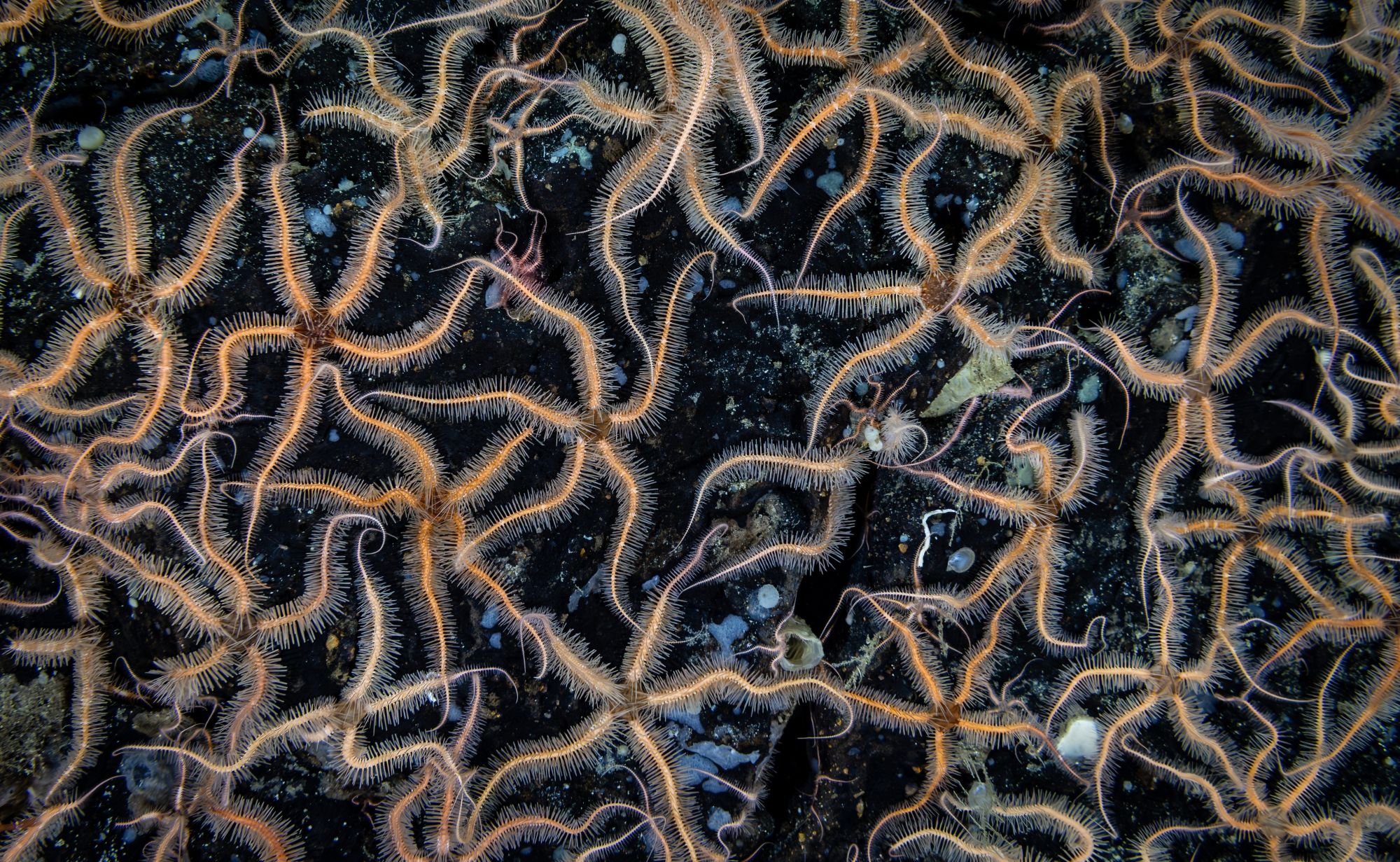
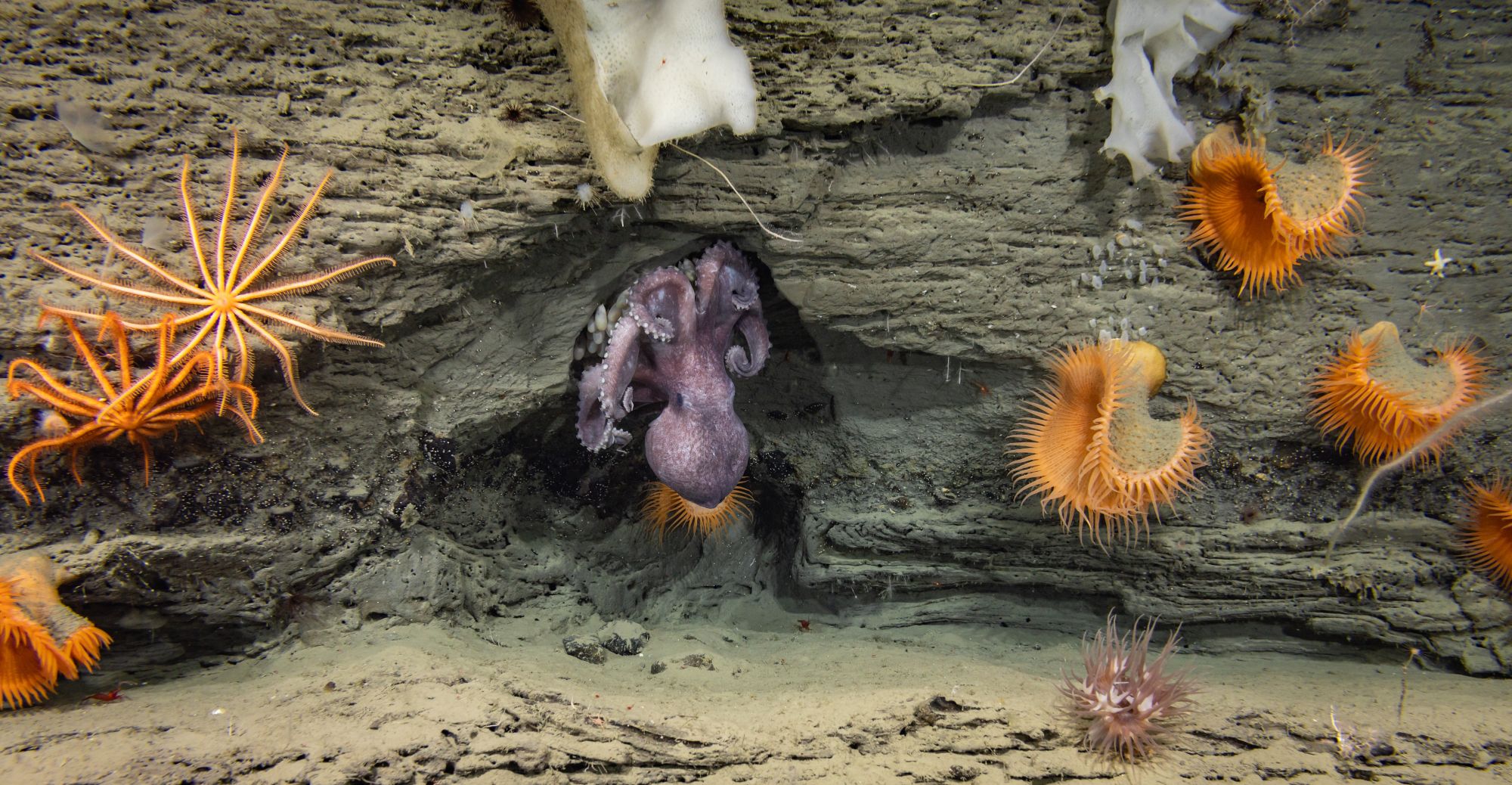
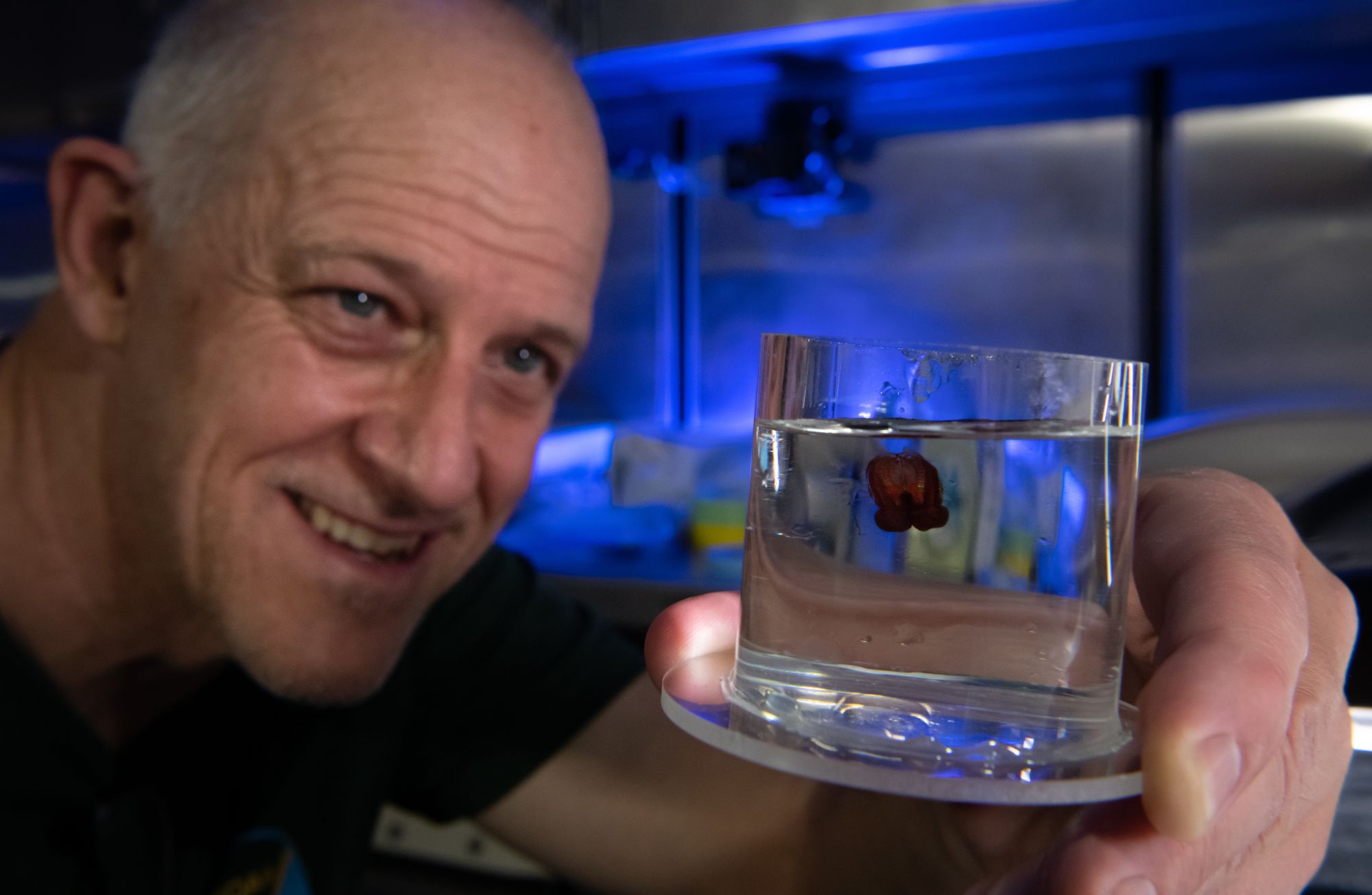
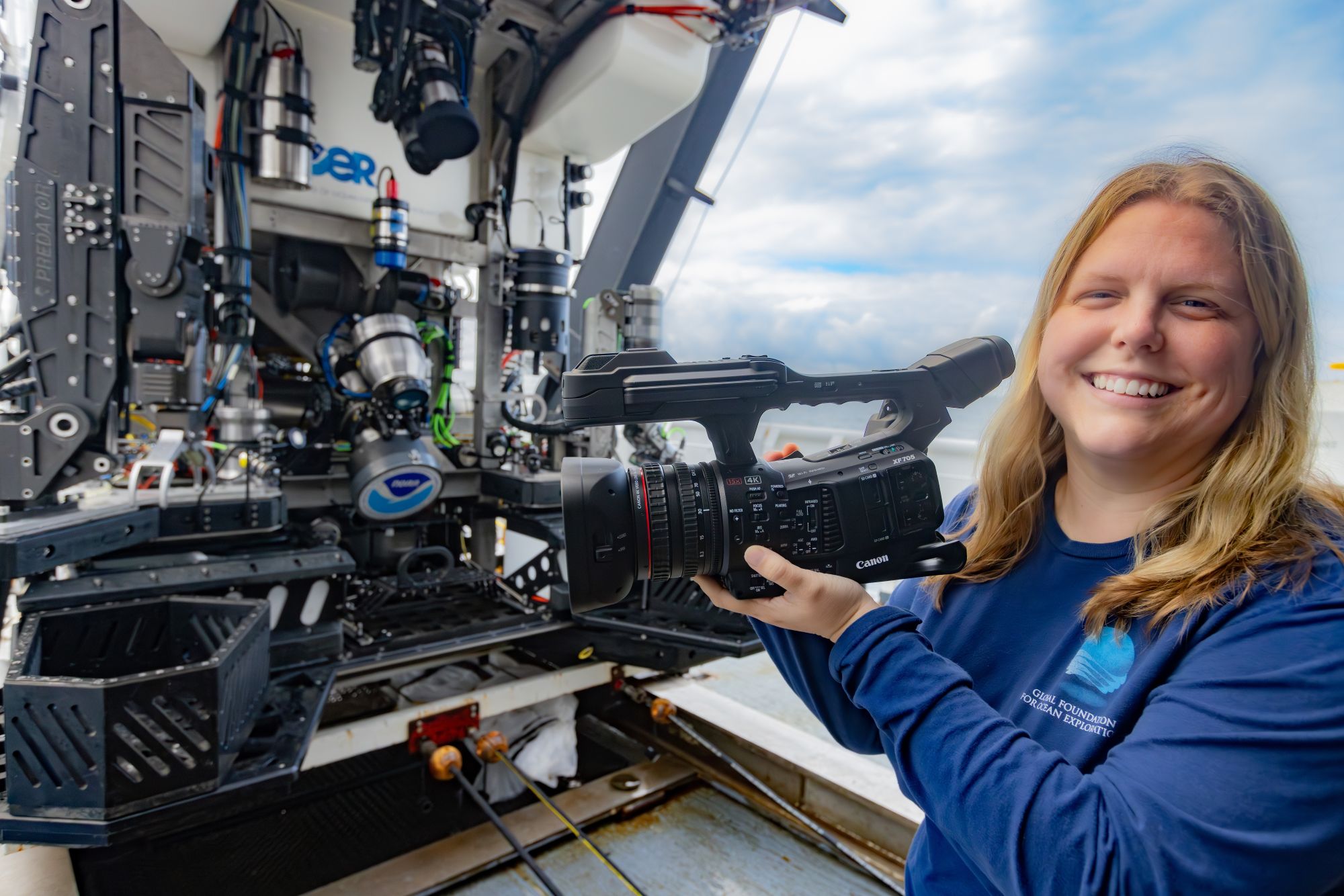
I graduated with my MFA in December 2015 and immediately moved back to San Antonio to job hunt. Within three months, I was offered a contract video position with the Global Foundation for Ocean Exploration aboard NOAA Ship Okeanos Explorer, a United States government vessel whose mission is to explore the ocean. Kind of like Star Trek at sea – we go where no one has gone before and find out what’s there while live-streaming it to the internet. Over the past nine years, I have done 27 expeditions on the Okeanos throughout the world. We have discovered numerous new species, filmed new animal behaviors, and mapped thousands of miles of seafloor. I have made hundreds of short films about the deep sea for students, educators, and policy makers.
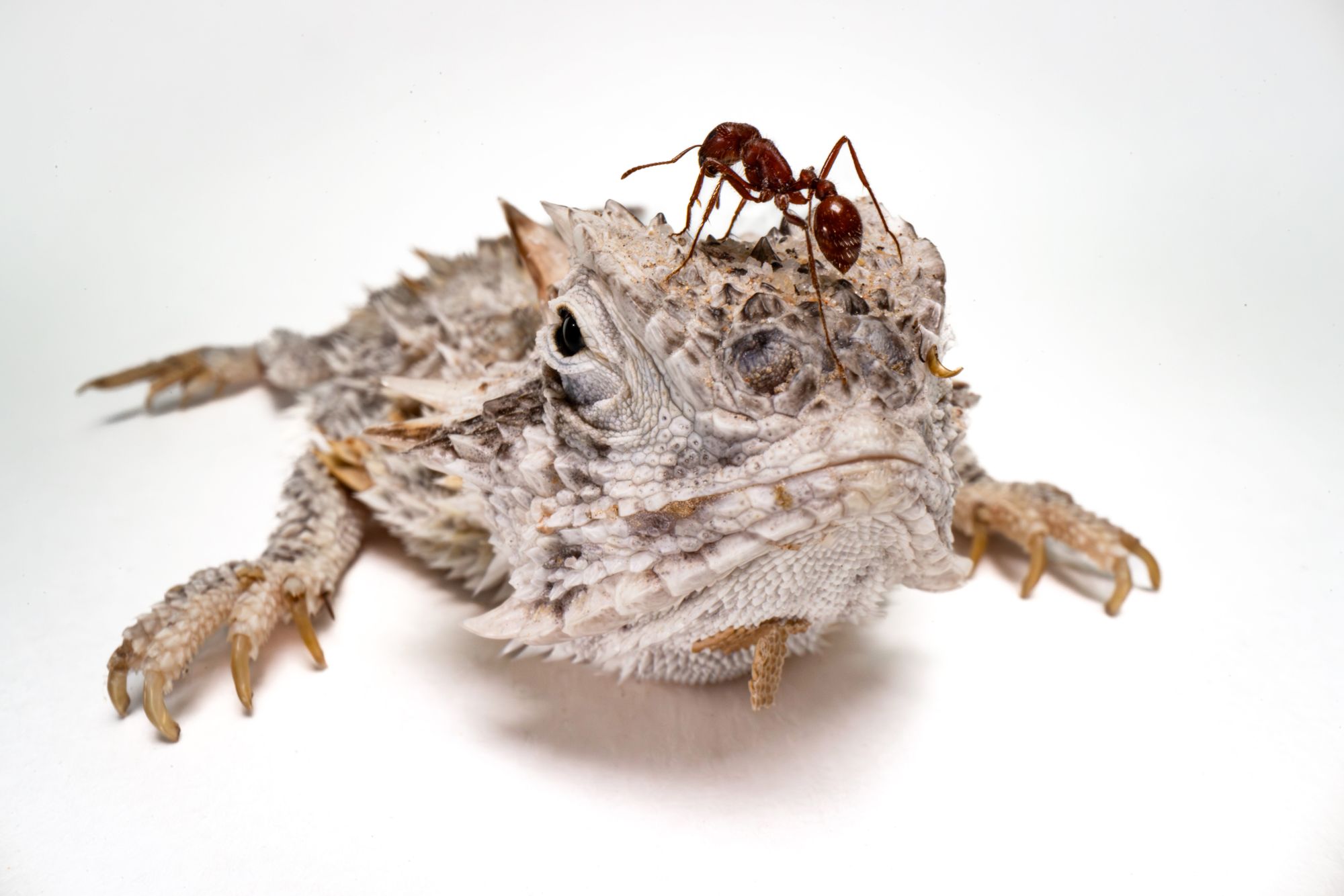
Meanwhile, in 2018, I received an unexpected email from National Geographic Society (NGS) inviting me to participate in their new Second Assistant Program, which pairs early career photographers with National Geographic Photographers on an assignment. I found myself assisting National Geographic Photographer David Liittschwager on a project about microplastics and plankton in Hawai’i. That story was published in the May 2019 issue of National Geographic Magazine. After the program, National Geographic Society suggested I apply for a grant, which I received in January 2019 and officially became a National Geographic Explorer. Returning to my roots in San Antonio, I did a film and photo project about the Texas Horned Lizard Reintroduction Project at San Antonio Zoo. I also participated in NGS’ Field Ready Program where I received training and mentorship to work on broadcast natural history productions. Now, I am a Photo Expert with National Geographic Expeditions and have done four expeditions with National Geographic Pristine Seas as part of their media team.
Alright, so let’s dig a little deeper into the story – has it been an easy path overall and if not, what were the challenges you’ve had to overcome?
Oh, not smooth at all and never will be! As a freelance filmmaker and photographer, the turbulence of work is a constant struggle. Sometimes expeditions are cancelled or delayed, budgets get adjusted, and things happen outside of your control. Change is your constant companion. I also receive rejections all the time from grants and jobs I’ve applied for as well as photo contests and film festivals I’ve submitted to.
There is a dichotomy about living two different lives – one at sea and one on land. While on an expedition, you form a close bond with your coworkers. You sleep, eat, work, and play together every day for 4-6 weeks, or sometimes even longer. We become our own microcosm in the field. I’m lucky that I get to work with most of the same people over and over again. Once the expedition is over, though, we return home to our loved ones and there can be a bit of an adjustment going from sea to land. I am lucky to have friends and family in San Antonio who are very understanding of my work lifestyle and who welcome me home with open arms. However, sometimes working at sea can have major drawbacks when it comes to relationships, whether it’s friends or family. I have missed weddings, bachelorette parties, girls’ trips, birthdays, and baby showers. Loved ones have also died while I’ve been traveling. It’s agonizing to not be with the people I love while they go through these life events. I am lucky to have shipmates and colleagues who also go through the same experiences and offer support when we’re in the field.
Many of my colleagues and I also struggle with imposter syndrome and burnout, which can be difficult to work through. It’s discouraging to constantly see the impacts of environmental and sociopolitical issues like pollution, overfishing, and climate change while on expeditions. It’s hard to not get overwhelmed by how much that needs to get done both in the world and in our own businesses. Being a photographer and filmmaker isn’t just about creativity; you also have to run your own business, do social media, find funding, network, research, write, learn new skills, and adapt to changes in the industry.
However, despite all of these challenges, I cannot imagine doing anything else with my life than being an ocean explorer and science communicator. As an artist, it’s important to know your craft and to be business savvy. However, it’s just as important to be persistent, resilient, and never, ever give up. Change is inevitable, so it’s important to adapt when new technologies and trends appear. I will never know everything about filmmaking and photography because it’s constantly changing. It’s exciting to work in a field that is constantly evolving.
Can you tell our readers more about what you do and what you think sets you apart from others?
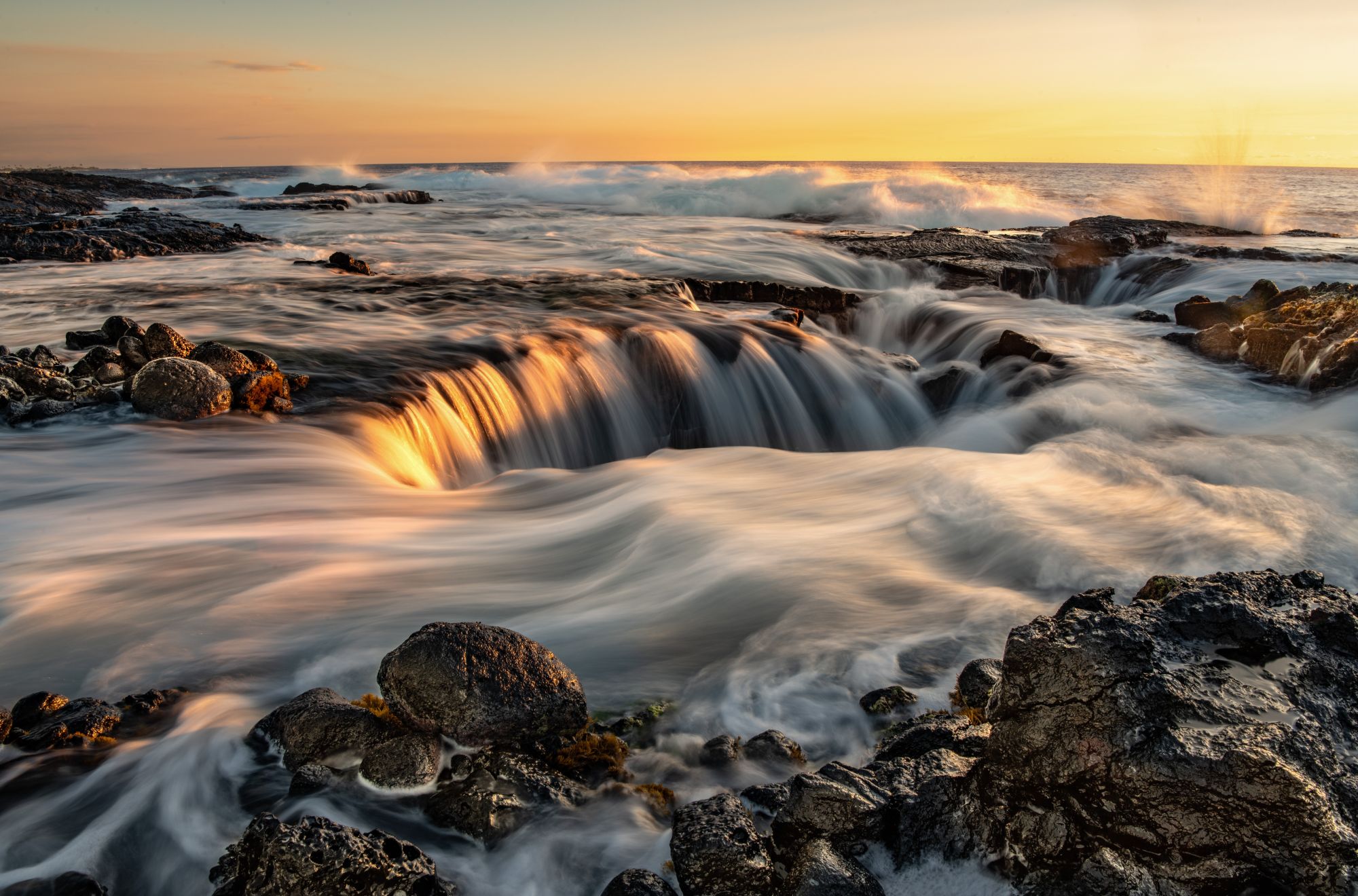
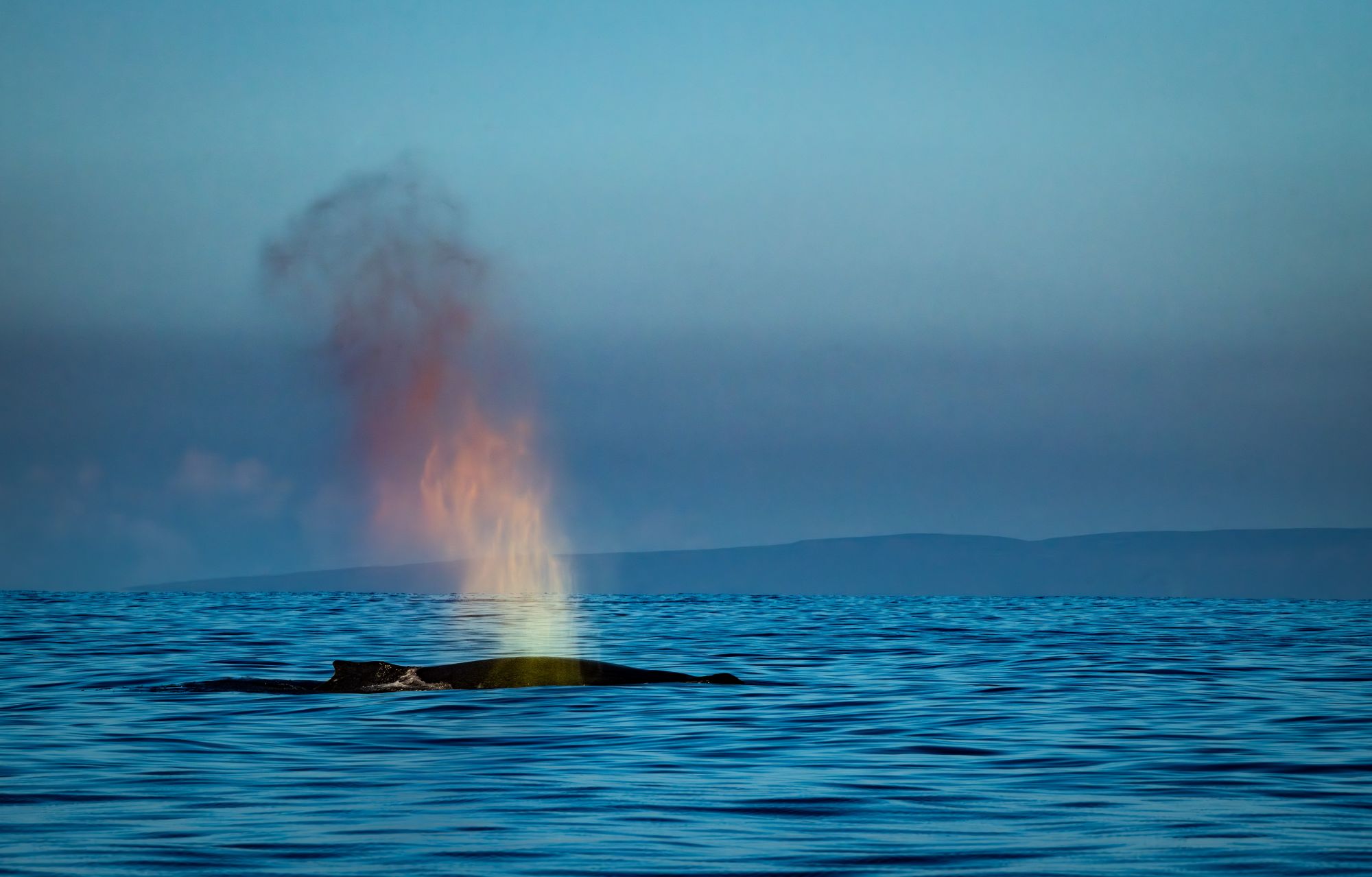
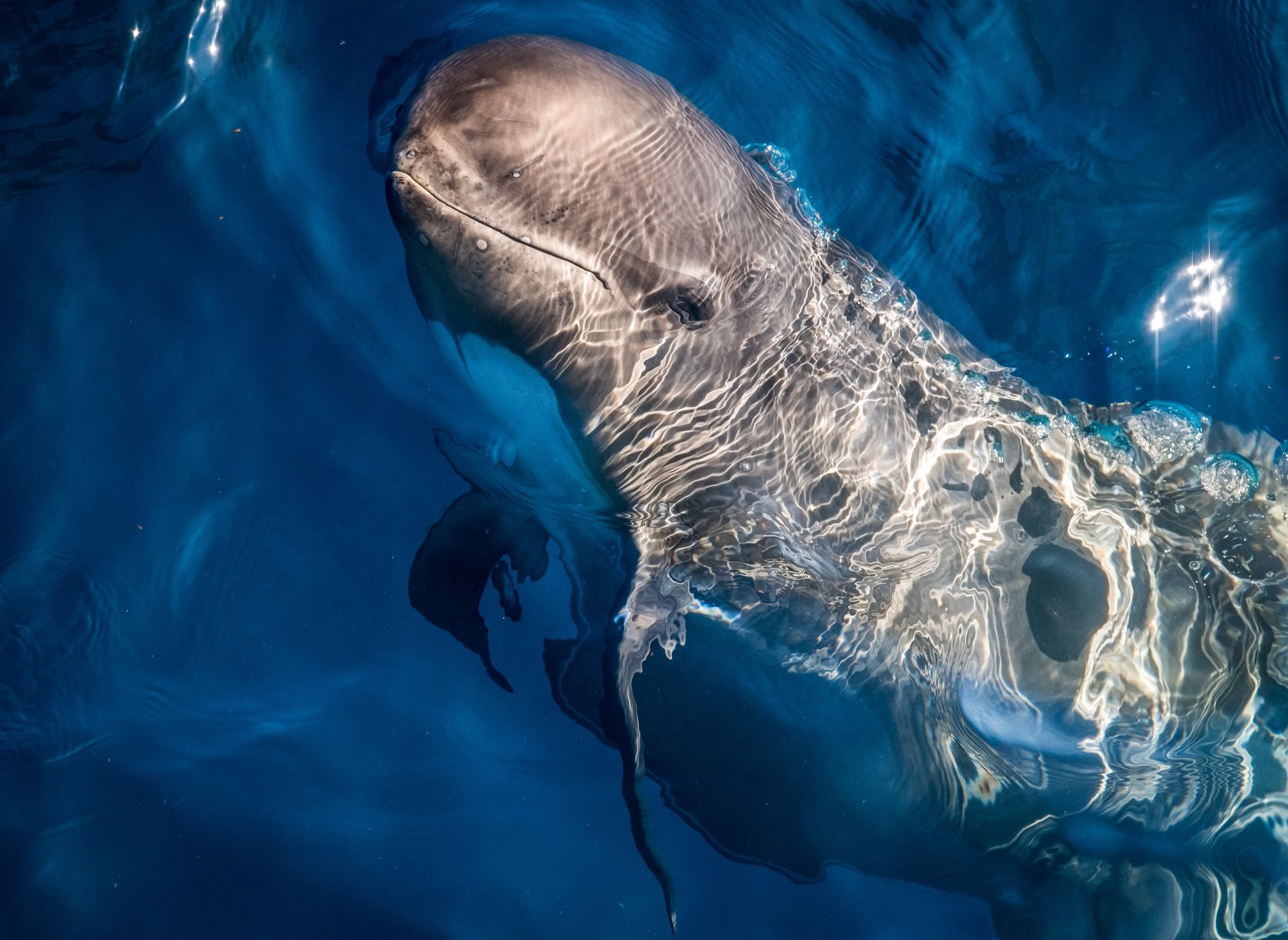
My work as a filmmaker and photographer primarily focuses on the ocean, particularly the deep sea. I create short form education videos that can be found on YouTube and social media. My nature and expedition photography can be seen in multiple magazine and newspaper outlets, both locally and internationally. I am most proud of my persistence as well as my passion for the natural world. Despite my speech impediment, I love public speaking and sharing my explorations and discoveries with as many people as possible. I have given talks to all ages in Texas and around the world. I love introducing people to new deep sea animals and showing everyone how beautiful our oceans are. I also enjoy sharing my career journey and inspiring the next generation of scientists and artists. I do accept public speaking bookings. I also sell some of my nature photography prints on my website to help me fund my own wildlife projects, which I usually film locally in San Antonio.
Before we go, is there anything else you can share with us?
In addition to being a National Geographic Explorer, I am also a member of the Emerging League at the International League of Conservation Photographers. I am a Partner Photographer and Filmmaker with Girls Who Click, a nonprofit that provides support and mentorship to girls ages 13-30 who are interested in nature photography and filmmaking. I am also a board member of the Ocean Media Institute, a nonprofit that primarily funds and supports media related to ocean education. Additionally, I am a member of the Wildlife Cinematographer Diversity Fund, International Association of Wildlife Filmmakers, the Guild of Television Camera Professionals, and the North American Nature Photography Association. Some of my work can also be seen on Underdogs, which is now streaming on Disney Plus.
Contact Info:
- Website: https://caitlinbailey.com
- Instagram: https://www.instagram.com/caitlinmbailey/
- Linkedin: https://www.linkedin.com/in/caitlinbailey2/
- Youtube: https://www.youtube.com/@CaitlinBailey/featured
- Other: https://caitlinbailey.smugmug.com