




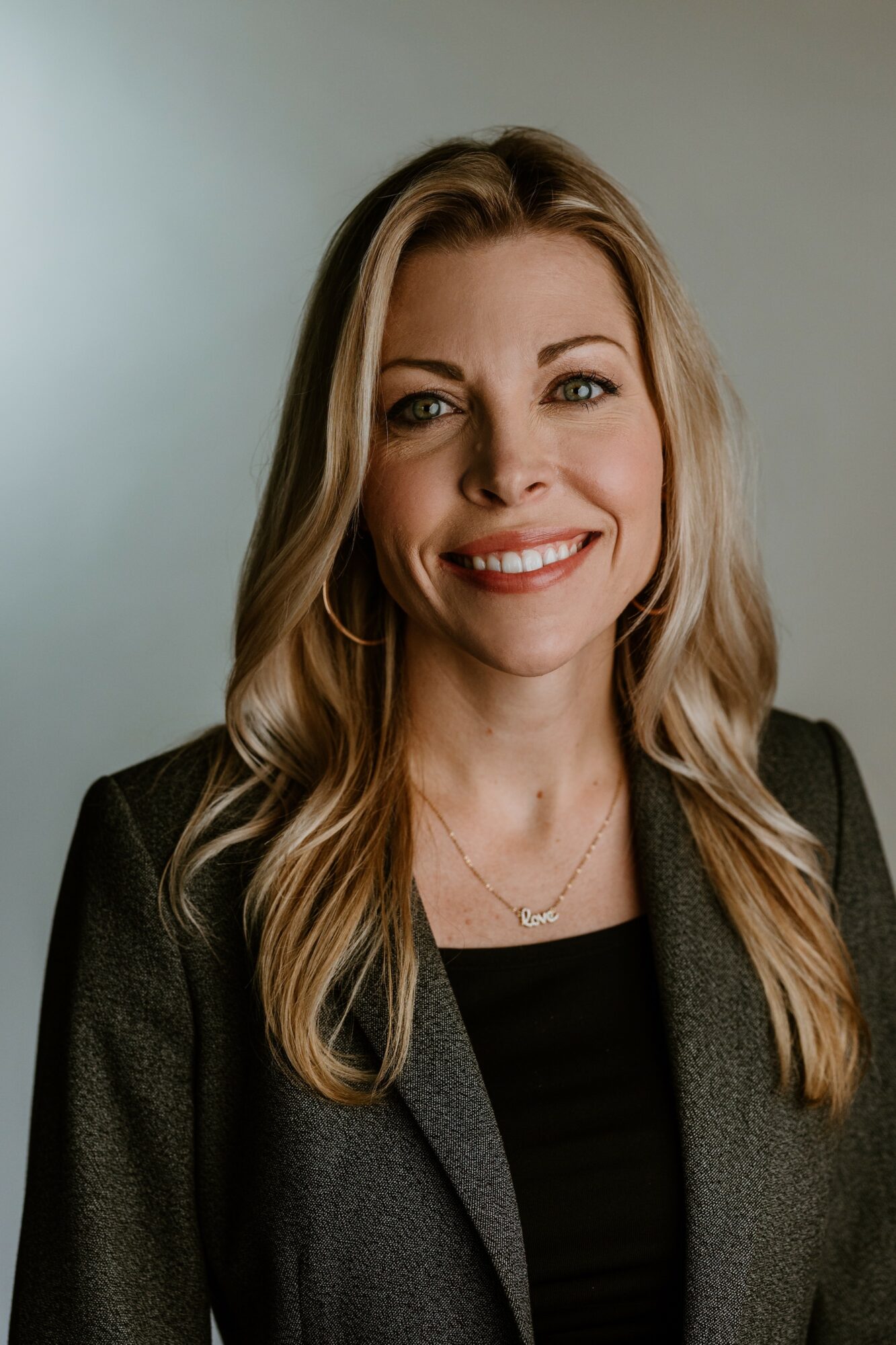
Today we’d like to introduce you to Megan Legacy.
Hi Megan, we’d love for you to start by introducing yourself.
I was raised by a single mother in a small rural town where teachers, counselors, and community members played a significant role in shaping my future. Their encouragement helped me earn scholarships to attend Colorado State University, where I studied political science. After graduation, I moved to Washington, D.C., where I had the opportunity to work on Capitol Hill and later for a government relations firm. While I enjoyed the work and learned a great deal, my experiences outside the office ultimately changed the trajectory of my life. Through community service with my church, I became deeply aware of the challenges many families face—limited access to education, unstable housing, food insecurity, poverty, and a lack of positive support systems. What started as concern quickly became a calling.
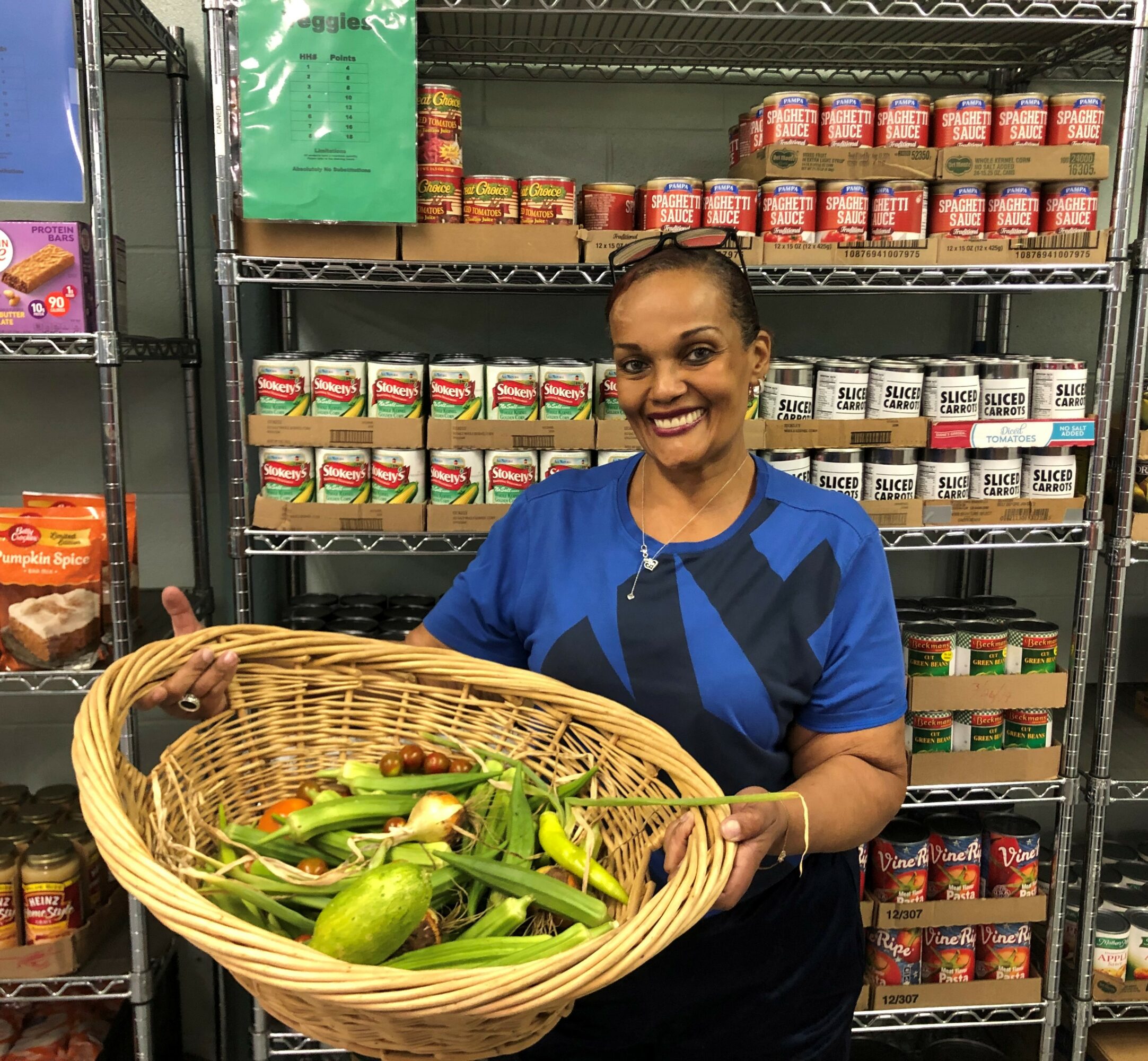
That calling eventually led me to leave my career in Washington and move to San Antonio in 2009 to work at Haven for Hope, one of the nation’s largest homeless service campuses. Three years later, I was given the opportunity to lead what is now known as SA Hope Center. At the time, the organization primarily operated as a food pantry. Over the past 14 years, we have transformed it into a comprehensive community resource center, adding case management, workforce development, financial literacy, health initiatives, and strategic partnerships designed to help families break the cycle of poverty. My journey has been shaped by both personal experience and a deep belief that when we see challenges in our community, we have a responsibility to be part of the solution. More than anything, I feel strongly that my calling in life is to advance opportunity for people who may not currently have access to it, helping create pathways that allow individuals and families to reach their full potential.
Alright, so let’s dig a little deeper into the story – has it been an easy path overall and if not, what were the challenges you’ve had to overcome?
Absolutely not. Like most meaningful work, the journey has come with significant challenges. When I joined SA Hope Center, the organization primarily provided tangible, transactional services. Transforming it into a comprehensive, long-term poverty alleviation organization required a major shift in mindset, strategy, and culture. Along the way, that meant making difficult decisions and navigating change that wasn’t always comfortable. We experienced turnover among board members, volunteers, and staff as we evolved toward a new vision and mission. Growth is exciting, but it also comes with growing pains.
Over the past 14 years, we’ve grown more than tenfold, which has required raising substantial resources, recruiting talented leaders, building new programs, and strengthening our infrastructure. We’ve also faced external challenges, including navigating the uncertainty of COVID-19 while continuing to serve the community without interruption, as well as shifting political and economic environments that impact funding and community needs. In the nonprofit sector, there always seems to be a new crisis competing for attention, which means you have to stay adaptable while remaining focused on your long-term mission.
One of the most complex aspects of nonprofit leadership is that you’re effectively serving two groups at once: the individuals and families who rely on your services, and the donors, partners, and stakeholders who make that work possible. Balancing those responsibilities requires constant attention and stewardship. Through it all, I’ve tried to keep my eyes on our North Star—building systems, programs, and partnerships that will create lasting opportunity for families and remain sustainable long after my tenure. Running a nonprofit is certainly not for the faint of heart, but seeing lives transformed and watching families achieve stability and success makes every challenge worthwhile.
Great, so let’s talk business. Can you tell our readers more about what you do and what you think sets you apart from others?
SA Hope Center exists to empower families to overcome poverty and create lasting pathways to stability, opportunity, and self-sufficiency. While many organizations provide emergency assistance, our focus is on addressing the root causes that keep families stuck in cycles of poverty. We believe that real transformation happens when people are equipped not only to meet immediate needs, but also to build the skills, resources, and support systems necessary to thrive long-term.
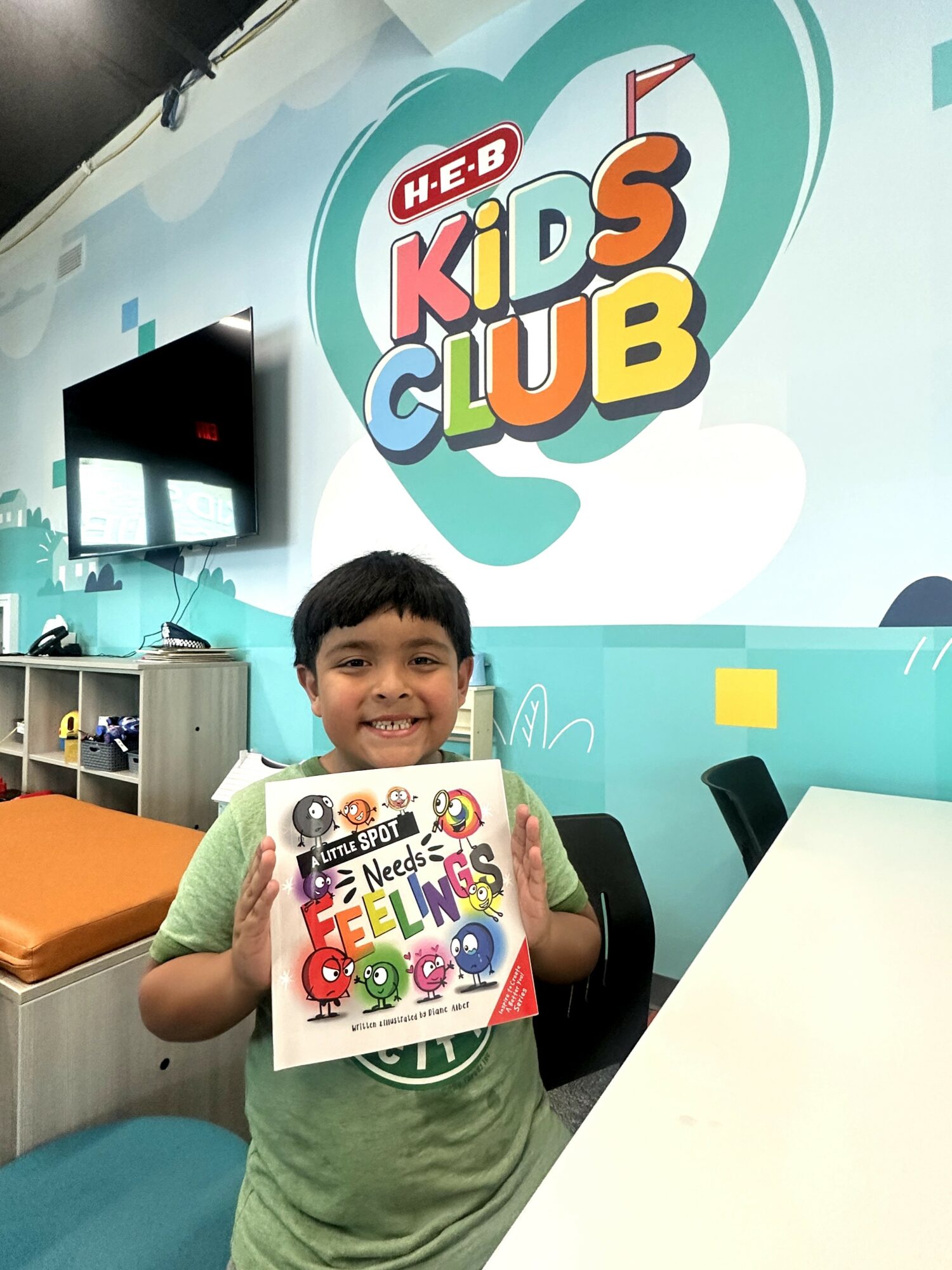
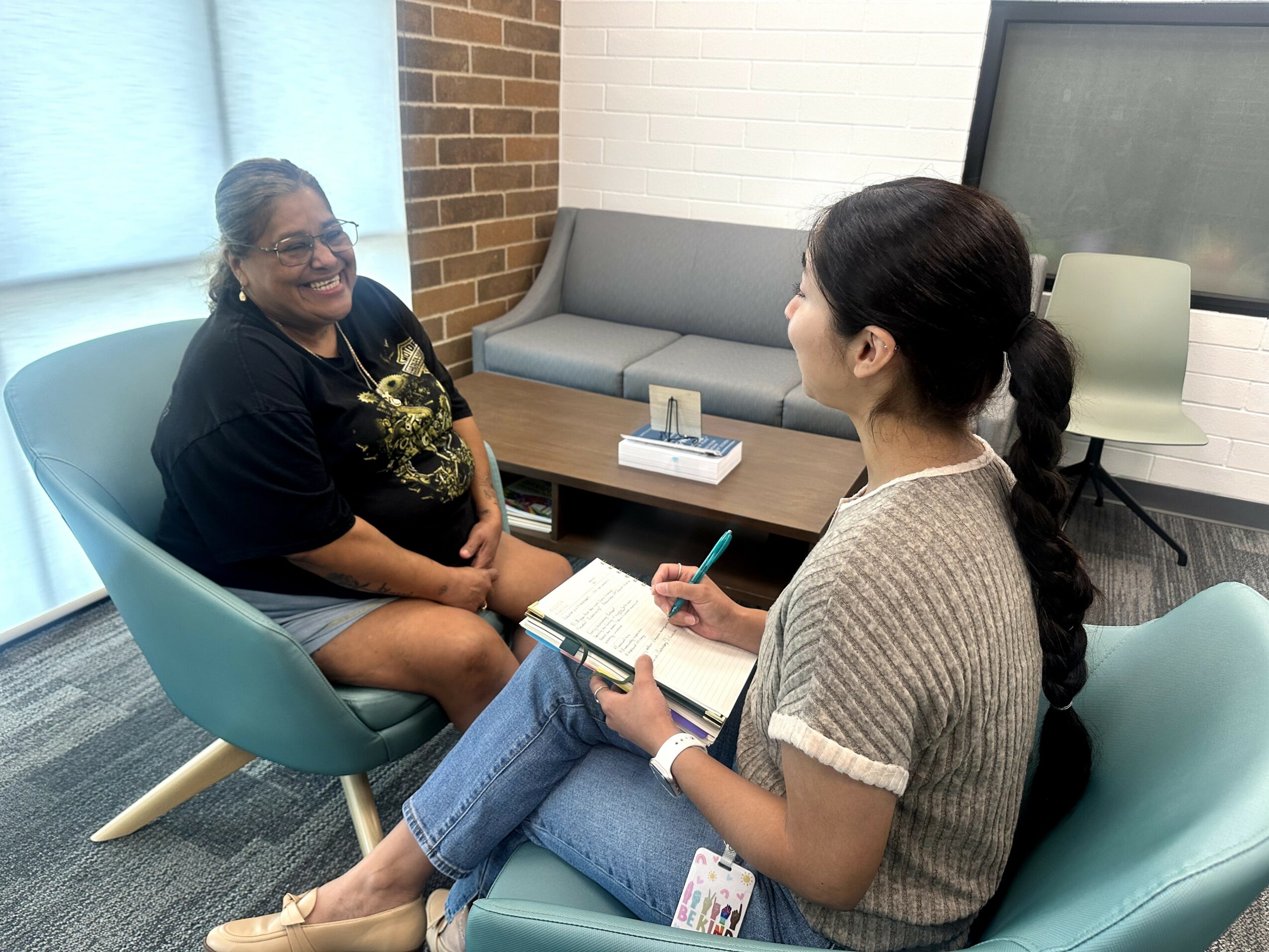
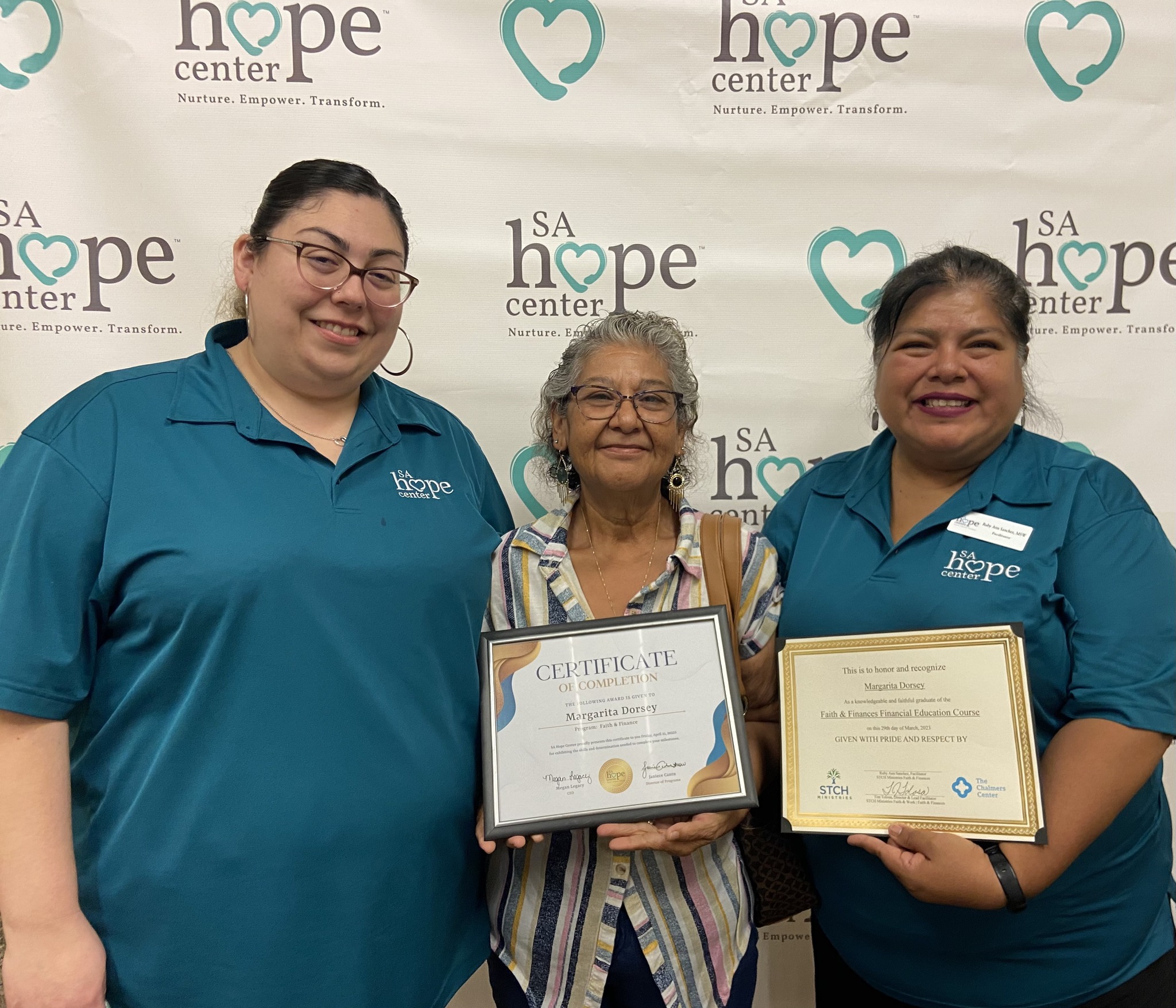
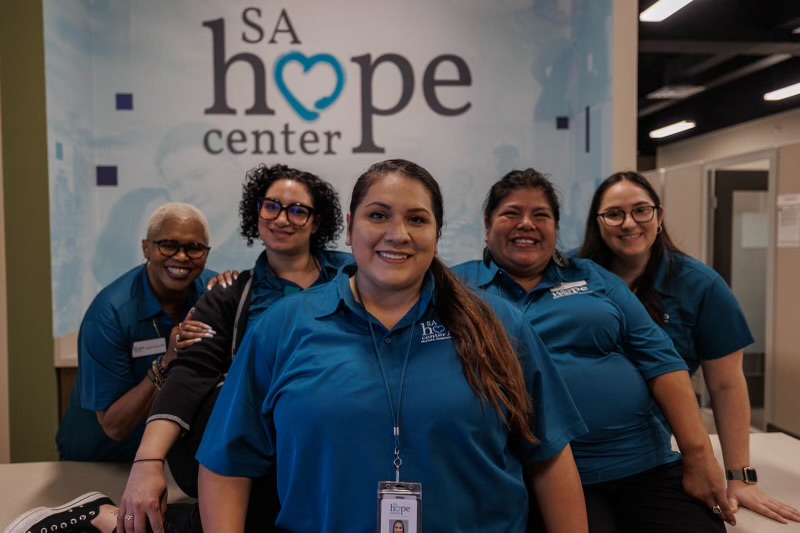
Over the years, we have evolved from a traditional food pantry into a comprehensive community resource center. Today, we provide case management, workforce development, financial literacy, health and wellness services, youth and family programming, and connections to critical community resources. What sets us apart is our commitment to walking alongside families for the long haul. Rather than offering a single service, we take a holistic approach that recognizes the interconnected challenges many families face and helps them create personalized pathways toward their goals.
I am especially proud of the culture we’ve built and the reputation we’ve earned within the community. We have worked intentionally to become a trusted partner—not only to the families we serve, but also to schools, businesses, healthcare providers, churches, and other nonprofits. We understand that no single organization can solve poverty alone, which is why collaboration is at the heart of our work. Some of our most meaningful successes have come through building strong partnerships that allow us to leverage resources and create greater impact together.
What I want readers to know is that poverty is often far more complex than people realize. Behind every statistic is a person with strengths, talents, dreams, and potential. At SA Hope Center, we have the privilege of helping individuals and families discover what’s possible when they are given the right opportunities, support, and encouragement. Our vision is not simply to provide services, but to help create a community where everyone has the opportunity to reach their full potential, regardless of where their journey begins.
What sort of changes are you expecting over the next 5-10 years?
Over the next 5–10 years, I believe the nonprofit sector will need to become more innovative, collaborative, and outcomes-driven than ever before. One of the biggest shifts I see is an increased reliance on private philanthropy. Government funding at the local, state, and federal levels has become increasingly unpredictable as political priorities and economic conditions change. As a result, nonprofits will need to diversify their funding streams, strengthen relationships with private donors and institutional funders, and think more strategically about long-term sustainability.
I also believe we’ll see a greater emphasis on collaboration across sectors. The challenges facing our communities—poverty, housing instability, educational disparities, food insecurity, and workforce shortages—are simply too complex for any one organization to solve alone. Nonprofits will need to think less about operating independently and more about how they fit into a broader ecosystem of solutions. The organizations that thrive will be those that build strong partnerships, leverage shared resources, and focus on collective impact rather than individual recognition.
Perhaps the most important shift will be a move away from measuring activity and toward measuring outcomes. For too long, our sector has sometimes prioritized programs that feel good over strategies that demonstrably move the needle. Donors and communities alike are asking important questions: Are lives truly changing? Are communities becoming healthier, safer, and more prosperous? Are we reducing generational poverty, improving educational outcomes, and creating lasting economic mobility? Those are the questions that should drive our work.
That doesn’t mean we abandon compassion—it means we pair compassion with rigor. We need to be willing to challenge our assumptions, listen more closely to the communities we serve, invest in data and evaluation, and have honest conversations about which approaches are producing meaningful results and which may need to evolve. The future belongs to organizations that are both mission-driven and evidence-based.
I also believe the nonprofit sector needs the best and brightest minds at the table. Some of the greatest opportunities for innovation will come when experienced business leaders, entrepreneurs, and strategic thinkers bring their expertise to nonprofit boards and leadership teams. Our communities need nonprofits more than ever, but meeting the challenges ahead will require a new level of excellence, creativity, and accountability.
At its best, the nonprofit sector serves as the bridge between government, business, and the community. It fills critical gaps that neither government nor the private market can address alone. That role is only becoming more important, which is why I believe the future of the sector will belong to organizations that are willing to innovate, collaborate, and relentlessly focus on creating measurable, lasting impact.
Contact Info:
- Website: https://www.sahopecenter.org
- Instagram: @sahopecenter
- Facebook: @SAHopeCenter
- Youtube: @sahopecenter