




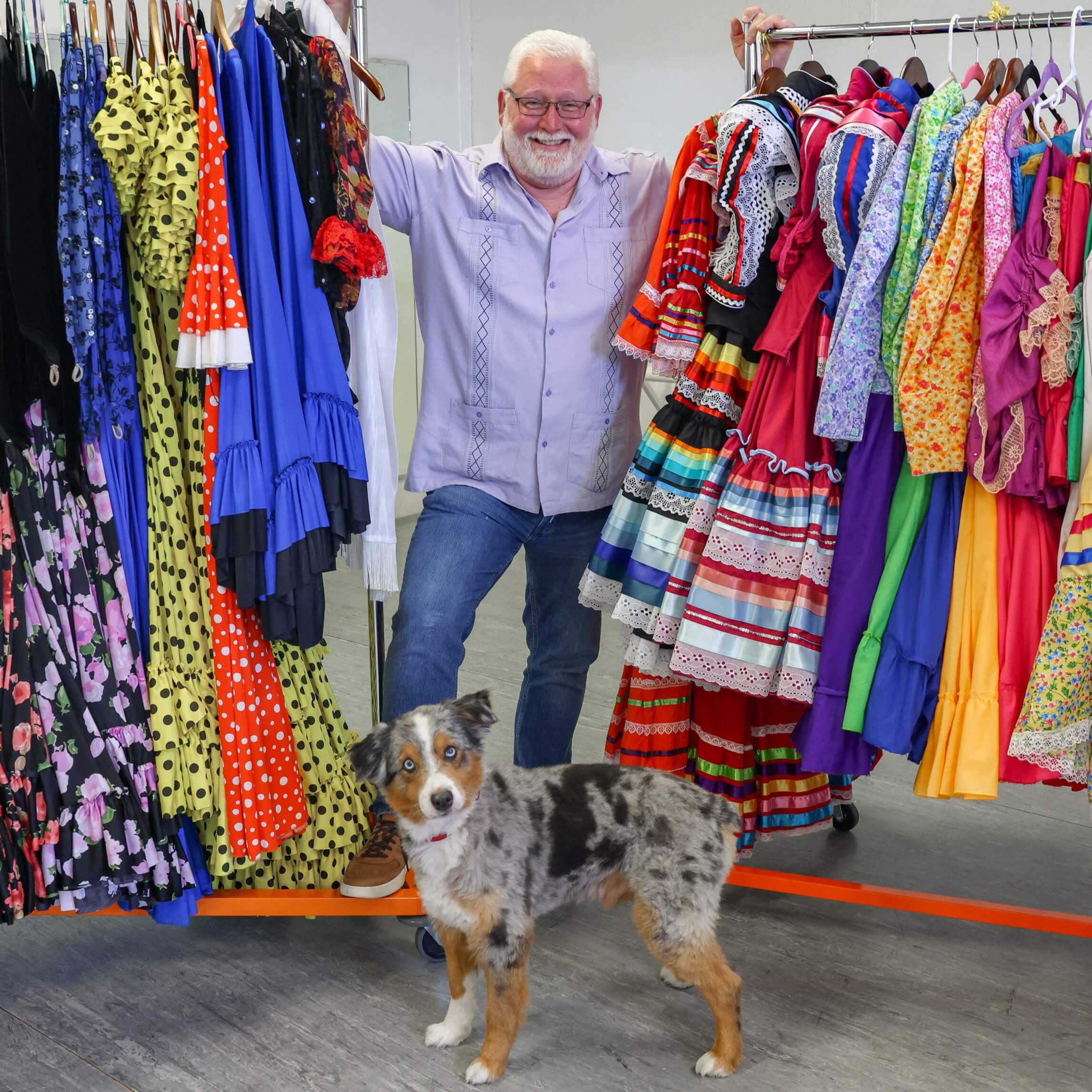
Today we’d like to introduce you to Cory McRae.
Hi Cory, thanks for joining us today. We’d love for you to start by introducing yourself.
My path into the arts wasn’t traditional, and in many ways, it found me before I fully realized how much it would shape my life. Growing up, I wasn’t deeply involved in the arts. It wasn’t until high school, after a football injury, that I was unexpectedly pushed onto the stage. I was cast in Oedipus, and that experience completely changed my perspective. That production went to state, and it opened a door I hadn’t even known existed. I continued performing, eventually landing a lead role in Scapino, and earning a scholarship through my work in theater.
Despite that start, my professional career initially took a different direction. I spent decades in the business world, building and managing companies in industries like oil and gas, construction, and millwork. That experience gave me a strong foundation in leadership, strategy, and growth, skills that I didn’t realize at the time would become critical later on.
Around that time, I had just sold my millwork company and was at a crossroads, trying to decide what my next business venture would be. Then life took an unexpected turn. My wife at the time came home one day and said, “Congratulations, you’re the incoming Board President of Alamo City Arts.” I had no idea she had volunteered me for the role.
At the same time, our current Artistic Director Kathleen was also joining the board. As we both stepped into the organization, we quickly recognized its potential. What stood out to me immediately was not just the talent, but the gap in access, how many people in our community didn’t have the opportunity to experience or participate in the arts. What started as an unexpected commitment became a shared vision. Together, we saw an opportunity not just to sustain the organization, but to grow it into something much larger and more impactful.
Over time, that vision evolved alongside our roles. She stepped into the position of Artistic Director, and I moved into the role of CEO. From there, we began intentionally building Alamo City Arts into the multidisciplinary organization it is today, expanding access, programming, and opportunities across the community.
Today, we produce close to 50 performances annually and serve nearly 100,000 people each year, but what matters most is access. Whether it’s free performances for military families, outreach in Title I schools, or opportunities for young artists who might not otherwise have a path into the arts, our focus has always been on making the arts available to everyone.
Looking back, none of it was a straight line, but every step, from being pushed onto a stage unexpectedly to building businesses and now leading a nonprofit, has played a role in getting me here and in shaping the work we’re doing to expand access to the arts for others.
Can you talk to us a bit about the challenges and lessons you’ve learned along the way. Looking back would you say it’s been easy or smooth in retrospect?
It definitely hasn’t been a smooth road. Like most things worth building, it’s come with its share of challenges, and in many ways, those challenges have shaped who we are as an organization. As we’ve grown into an organization producing close to 50 performances annually and serving nearly 100,000 people, the complexity of those challenges has grown as well.
One of the biggest ongoing struggles has been balancing accessibility with sustainability. Our mission has always been to remove barriers to the arts, whether that’s through free performances, outreach in Title I schools, or providing opportunities for underserved communities. But those programs require significant resources, and funding doesn’t always come consistently or predictably.
We’ve been intentional about building a model that includes earned income through performances, ticket sales, and programming, which is something the arts uniquely allow us to do more directly than many other nonprofit sectors. At the same time, we rely on a combination of donations, grants, and sponsorships, which play a critical role in supporting access for communities who might not otherwise have the opportunity to experience the arts.
There have been moments where funding was delayed or uncertain, and we had to make difficult decisions while staying committed to ensuring access remained at the core of everything we do.
Growth itself has also been a challenge. Expanding from a single dance company into a multidisciplinary organization meant building new programs, developing leadership, and creating systems that could support that scale. Not everything worked the first time, and in some cases, we had to rethink and rebuild from the ground up. There were moments where we had to step back, reassess, and refine parts of the organization to make sure we were setting it up for long-term success.
Another significant challenge has been navigating organizational mergers. We’ve had three groups join Alamo City Arts, our symphony, concert band, and dance band, each with their own history, leadership structures, and ways of operating. These weren’t just programs, they were organizations with established identities and deeply rooted cultures.
Bringing them together into one cohesive organization required a careful balance. We wanted to respect what each group had built while also aligning them within a unified vision for long-term success. That process can be more complex than building something from the ground up, because it involves trust, communication, and sometimes rethinking how things have always been done.
Another unexpected challenge has been learning how to lead in a creative environment. Artists bring a level of passion, individuality, and perspective that’s very different from the traditional business world I came from. That can be incredibly powerful, but it also requires a different approach to leadership. I had to learn early on that you can’t manage artists the same way you would in other industries. It’s about creating an environment where they feel supported and inspired, while still maintaining the structure needed to produce high-quality work consistently. Finding that balance has been one of the more unique and rewarding challenges.
But if anything, those challenges reinforced why the work matters. Every obstacle pushed us to be more creative, more resilient, and more focused on impact. It hasn’t been easy, but it’s been meaningful. At the end of the day, those challenges are what have allowed us to build an organization that not only produces at a high level, but continues to expand access to the arts for the community we serve.
Appreciate you sharing that. What should we know about Alamo City Arts?
Alamo City Arts is a multidisciplinary performing arts organization based in San Antonio, dedicated to providing high-quality performances and accessible arts education to the community. What began as a single dance company has grown into a full-scale organization encompassing dance, music, theater, and arts education, producing close to 50 performances annually and serving over 90,000 people each year.
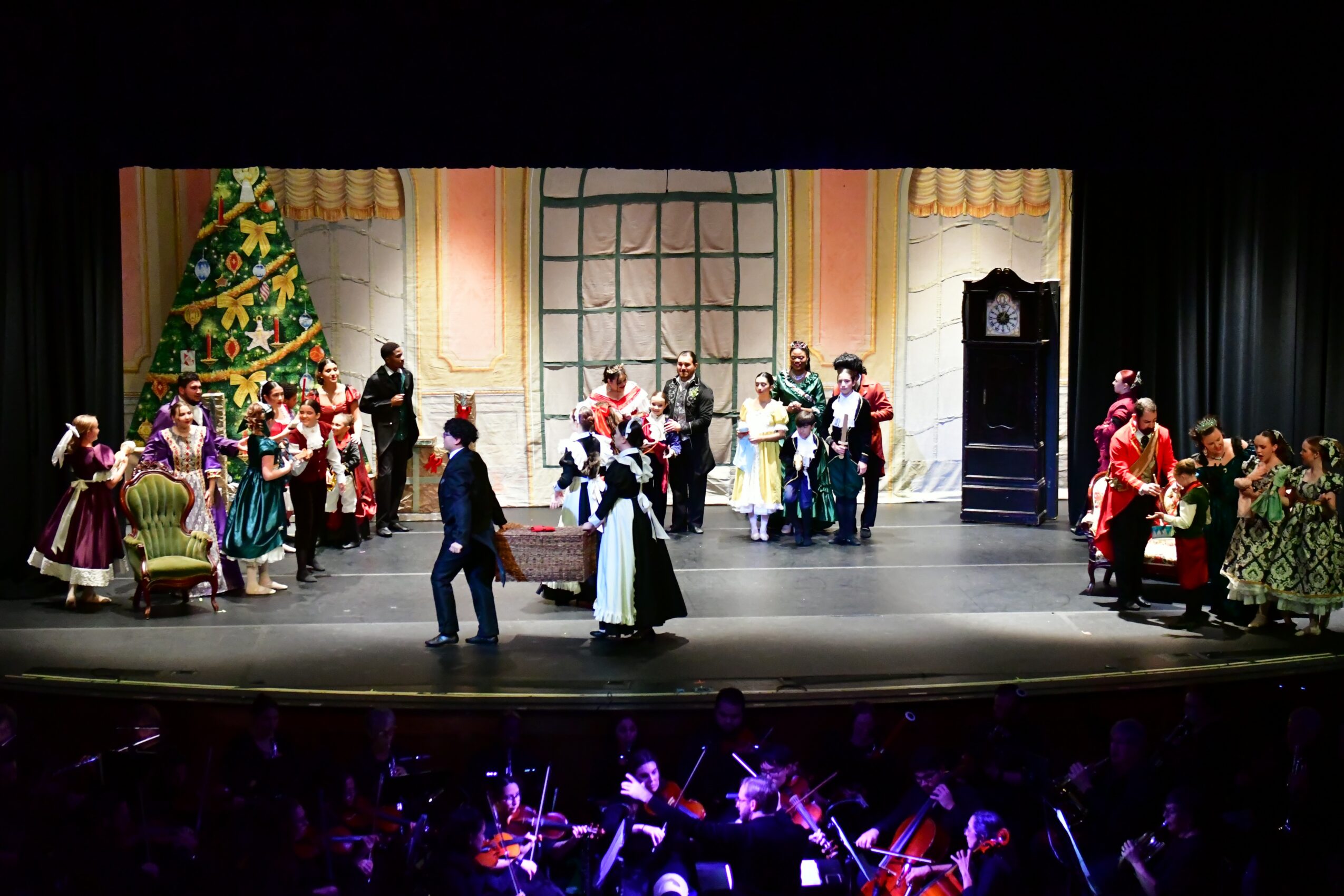
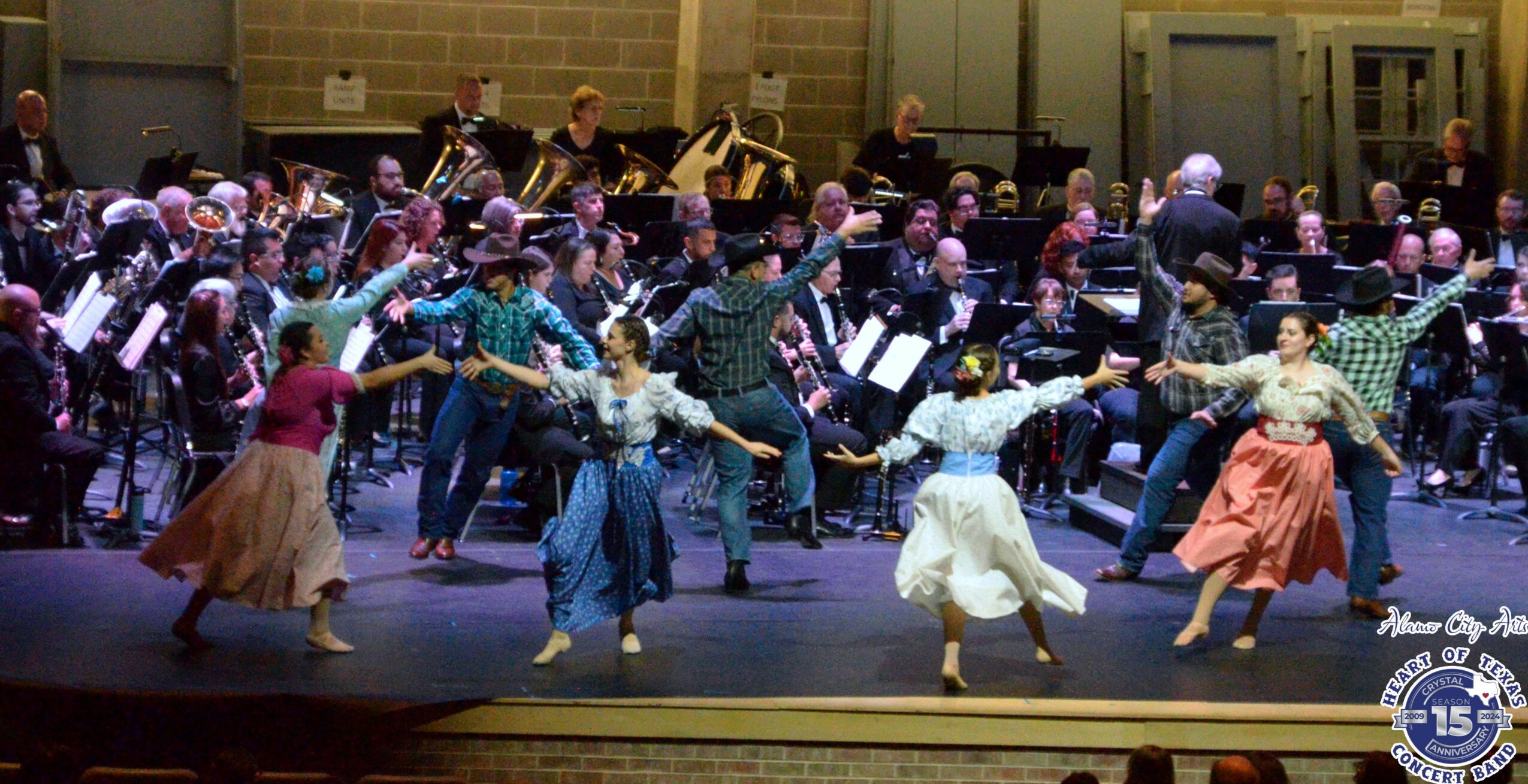
We specialize in creating dynamic, collaborative productions that bring multiple art forms together in a way that’s both engaging and culturally meaningful. Because we offer such a wide range of disciplines, we’re able to create something for everyone, from symphonic performances to ballet, theater, and culturally rich collaborations.
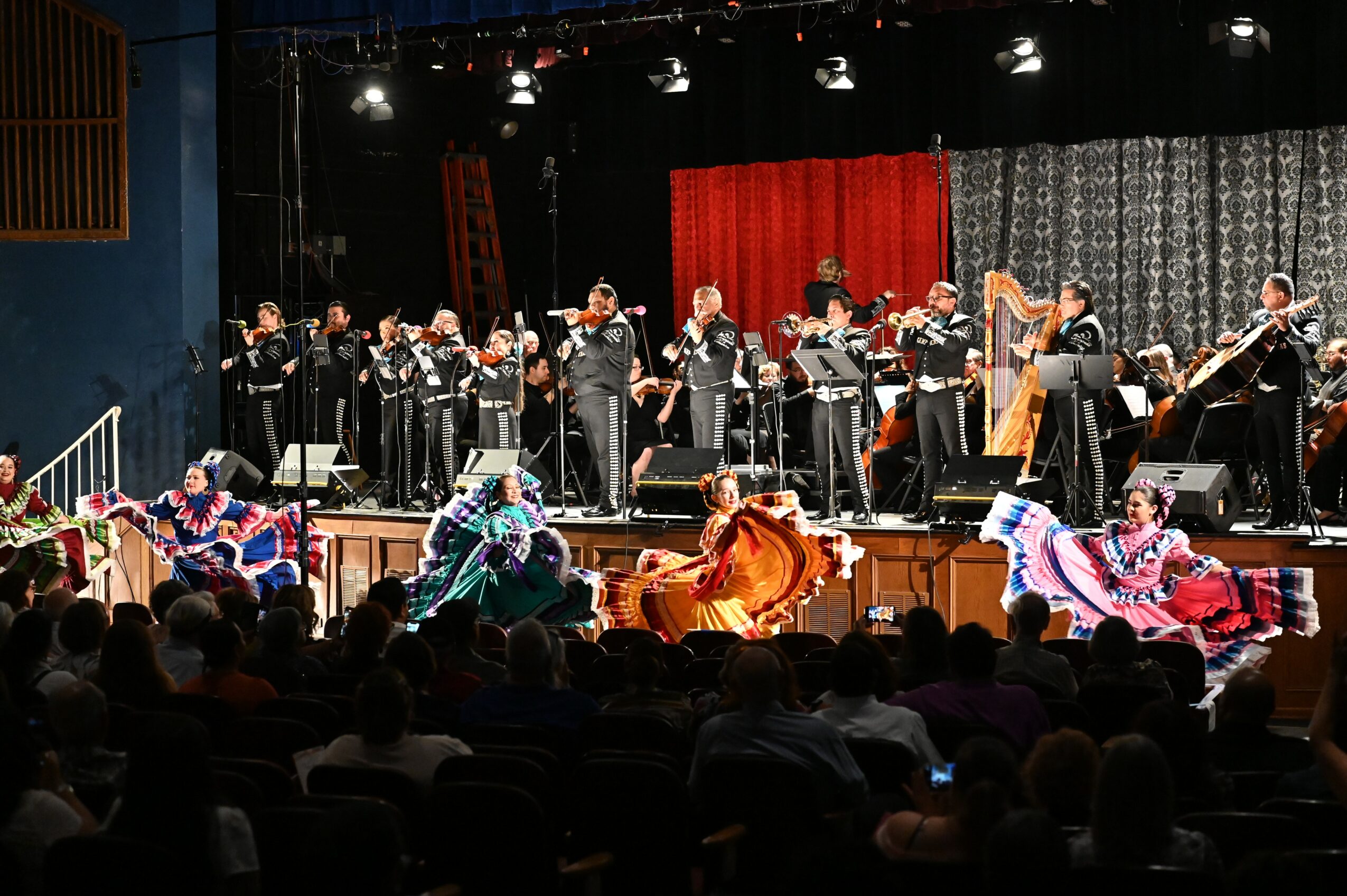
What truly sets us apart is our ability to fuse these art forms into a single experience. We can produce performances that bring together symphony, mariachi, and ballet folklórico, creating a true fusion of culture and art that reflects the diversity of our community.
Having all of these disciplines under one organization allows us to collaborate in a way that most groups can’t. Our directors work closely together, understanding each other’s strengths and styles, which allows us to build productions that are cohesive, intentional, and elevated. Because of that structure, we’re able to create experiences that would be difficult for separate organizations to coordinate, giving us the ability to produce unique, large-scale collaborations that stand out in the community.
At the same time, access is at the core of everything we do. A significant portion of our work focuses on outreach, including free performances for military families, programs in Title I schools, sensory-friendly productions, and ticket donations to underserved communities. We believe the arts should be available to everyone, not just those who can afford them.
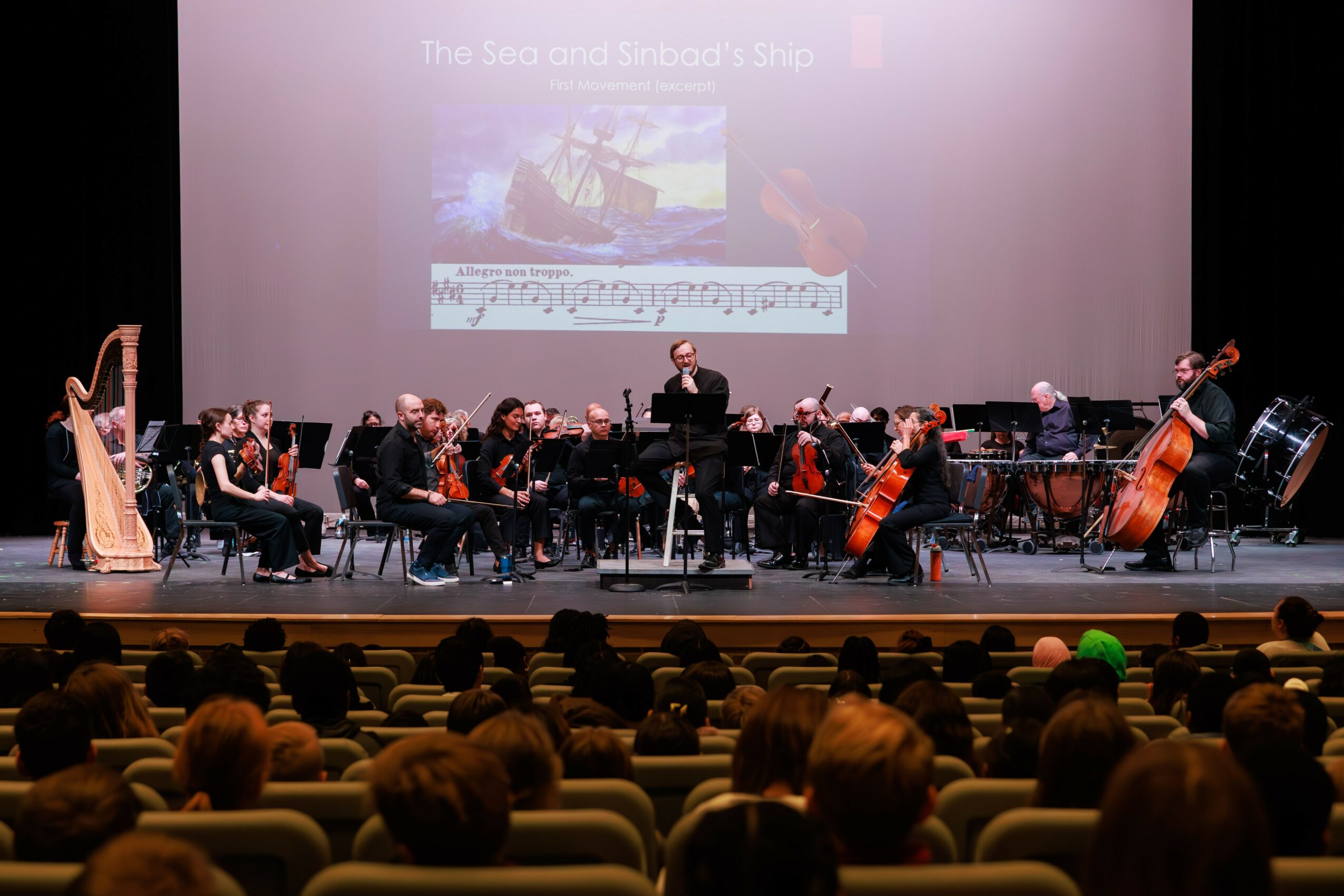
One of our flagship initiatives is the Student Concert Series, where we bring live performances directly to students across the community. These concerts are grounded not only in the arts, but in education, designed to complement what students are learning in the classroom and provide a deeper understanding of music, culture, and performance.
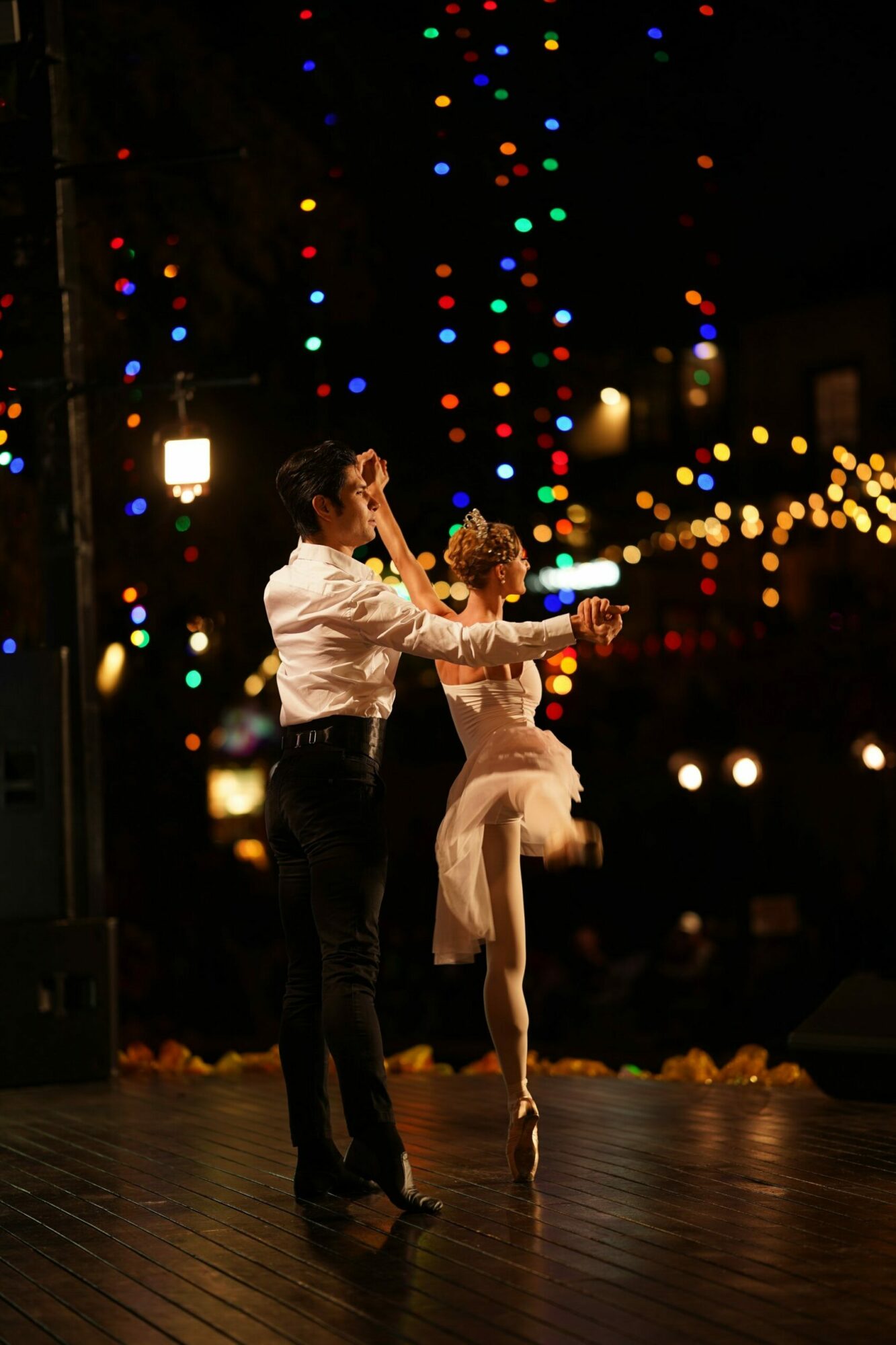
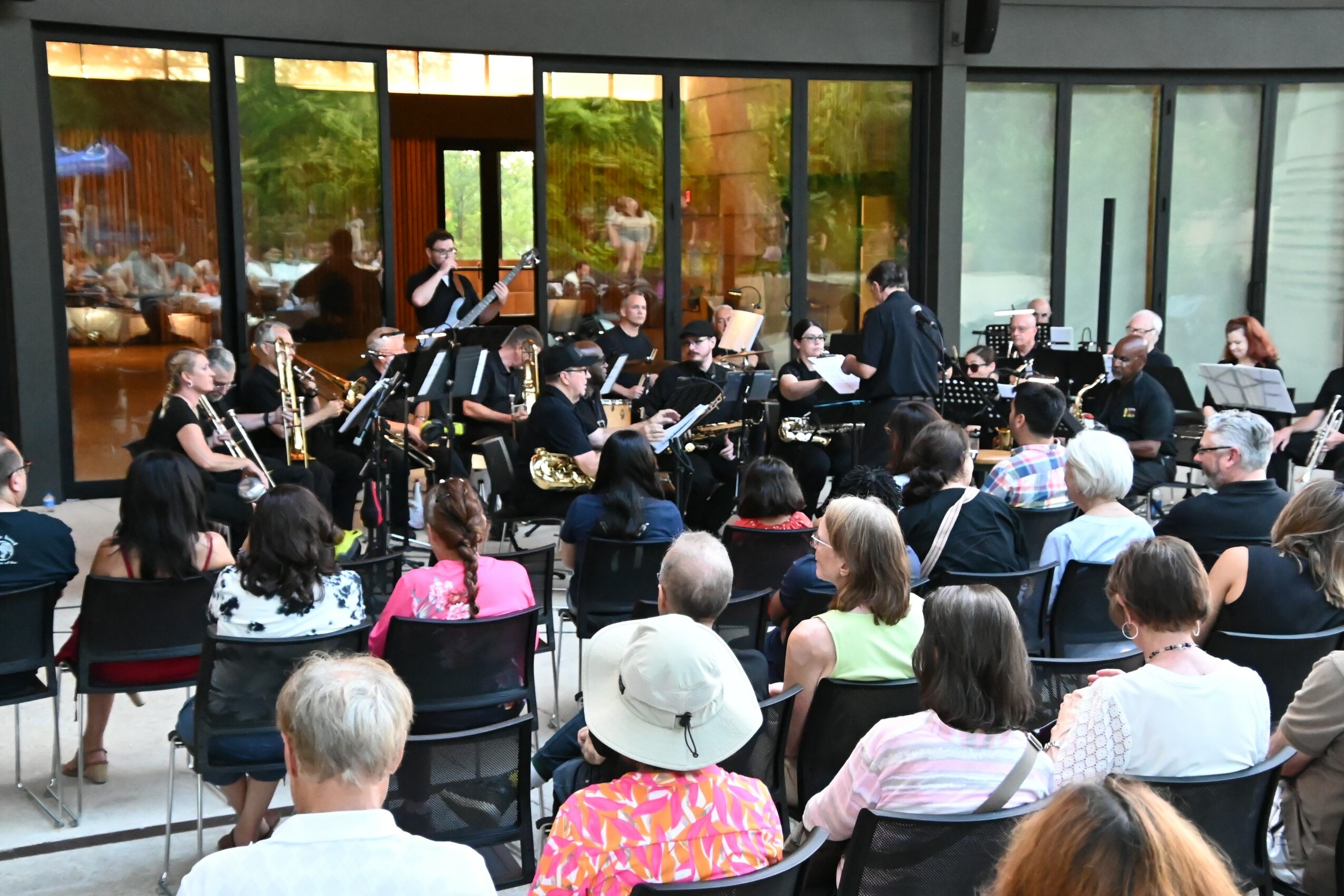
Through this program, we’re able to present a wide range of experiences, including mariachi with ballet folklórico, concert band, symphony, and ballet performed with live music.
This allows us to reach students in a more meaningful way. A student who may not initially connect with symphonic music might be drawn in through band or mariachi, and from there begin to experience the broader world of the arts. It gives them an opportunity to see themselves reflected on stage and to envision a place for themselves in it.
Our hope is that these experiences don’t just inspire them in the moment, but stay with them. That years down the line, they come back not just as audience members, but as artists and supporters, helping to give back to the same community that first inspired them.
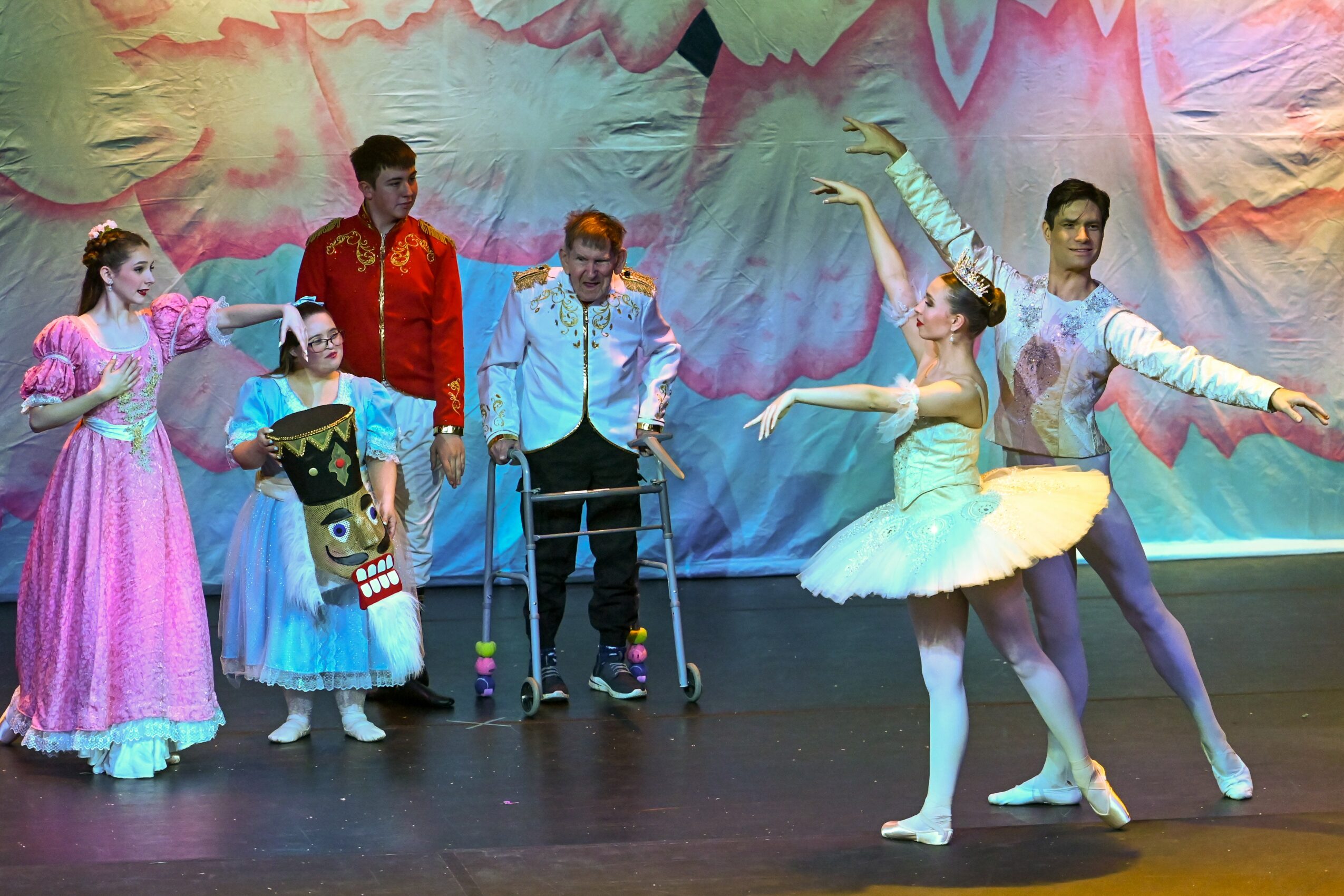
What I’m most proud of is not just the growth, but the impact. One of the most meaningful examples of that is our work with the IDD community through our sensory-friendly performances. In these productions, we pair our dancers with individuals with intellectual and developmental disabilities, creating an environment where they are the stars of the performance and our dancers are there to support them.
It’s a powerful experience, not just for the performers, but for the audience as well. It reflects exactly what we’re trying to build as an organization, true accessibility and inclusivity, where everyone has a place on stage and in the arts. Moments like that go beyond performance. They create confidence, connection, and a sense of belonging, and that’s what makes the work so meaningful.
At the end of the day, our goal is to make the arts more accessible, more collaborative, and more impactful for the San Antonio community.
What matters most to you?
What matters most to me is building something that lasts, something that creates a legacy for San Antonio that the community can be proud of, and that continues to inspire future generations.
At the end of the day, it’s not just about the number of performances we produce or how much we grow as an organization. It’s about the impact we have on individuals and the role we play in shaping lives through the arts.
One moment that has always stayed with me is a student from our afterschool program named Amelia. She had been placed in a children’s home, and during that time, one of her biggest concerns wasn’t where she was going or what was happening next, but whether she would still be able to dance. She told us that dance was where she found her happiness.
That moment really put everything into perspective. It reinforced that what we’re building goes far beyond performances or programs. For some, this is where they find stability, confidence, and a sense of identity.
Moments like that aren’t isolated, they’re the reason we’ve intentionally built our programs the way we have, to ensure more students have access to that same sense of purpose and belonging.
That’s what drives me. The idea that we’re not just creating art, but creating opportunities, building confidence, and giving people something to hold onto. My hope is that what we’re building today continues to grow long after we’re gone, something that not only represents San Antonio, but actively serves and uplifts it.
Because when you see the impact it can have on one person, you realize just how important it is to keep building something bigger than yourself.
Contact Info:
- Website: https://alamocityarts.org
- Instagram: https://www.instagram.com/alamocityarts/
- Facebook: https://www.facebook.com/AlamoCityArts
- LinkedIn: https://www.linkedin.com/company/alamo-city-arts/
- Youtube: https://www.youtube.com/@alamocityarts