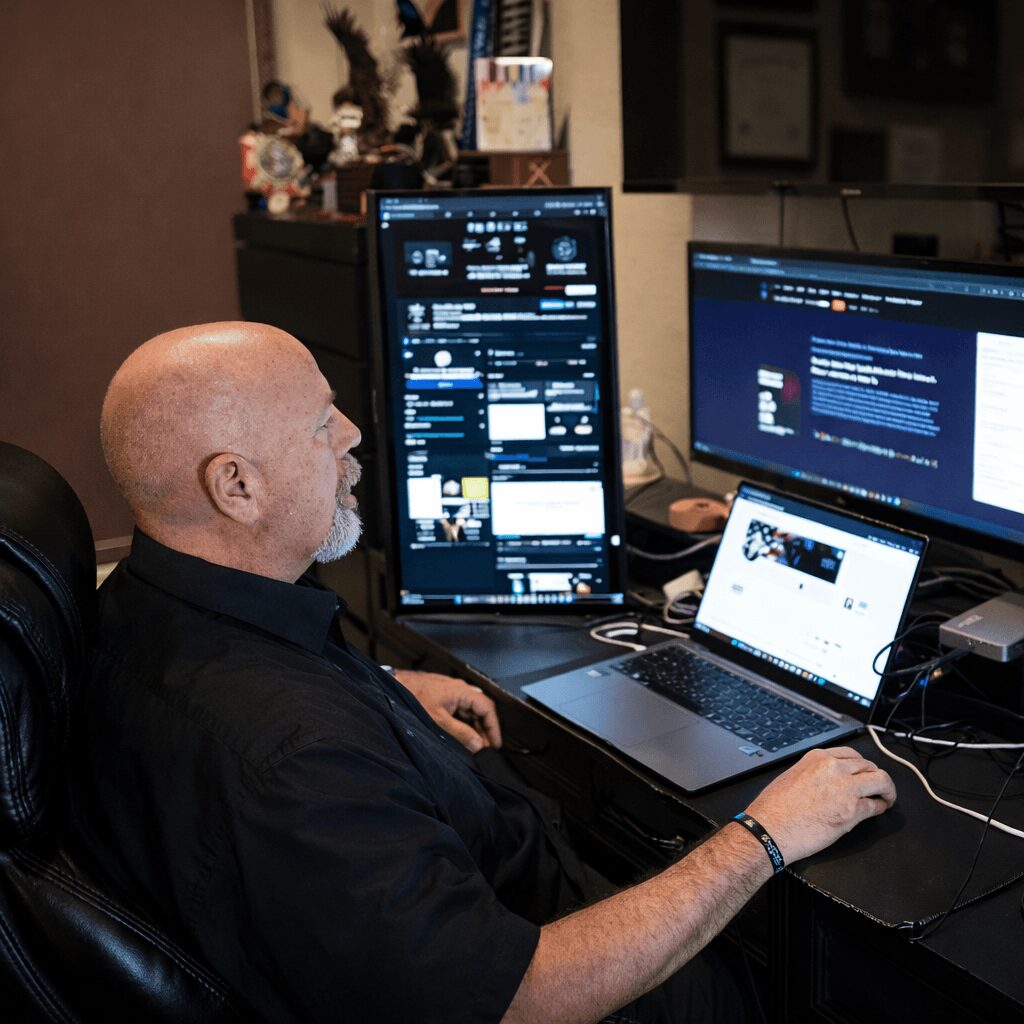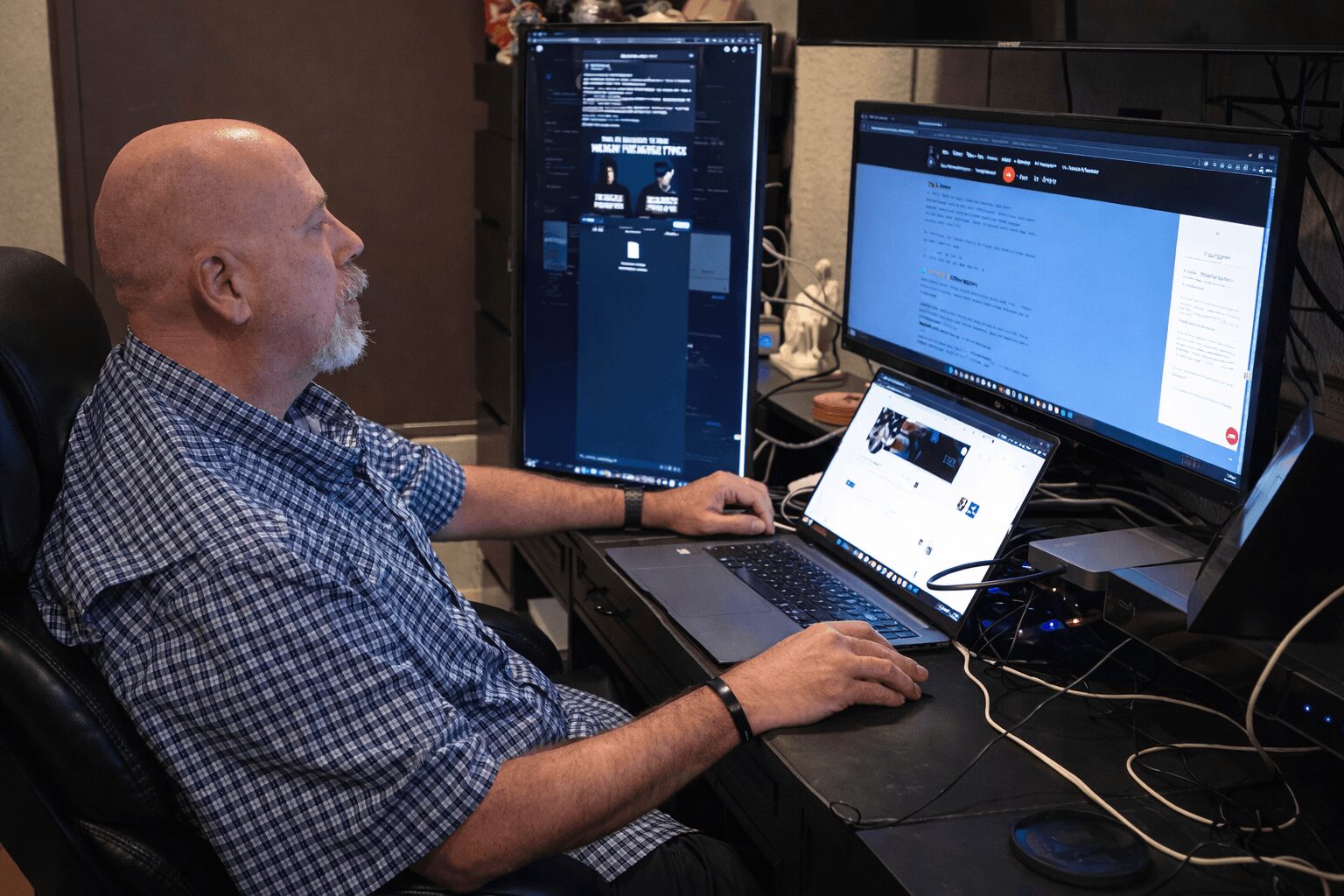





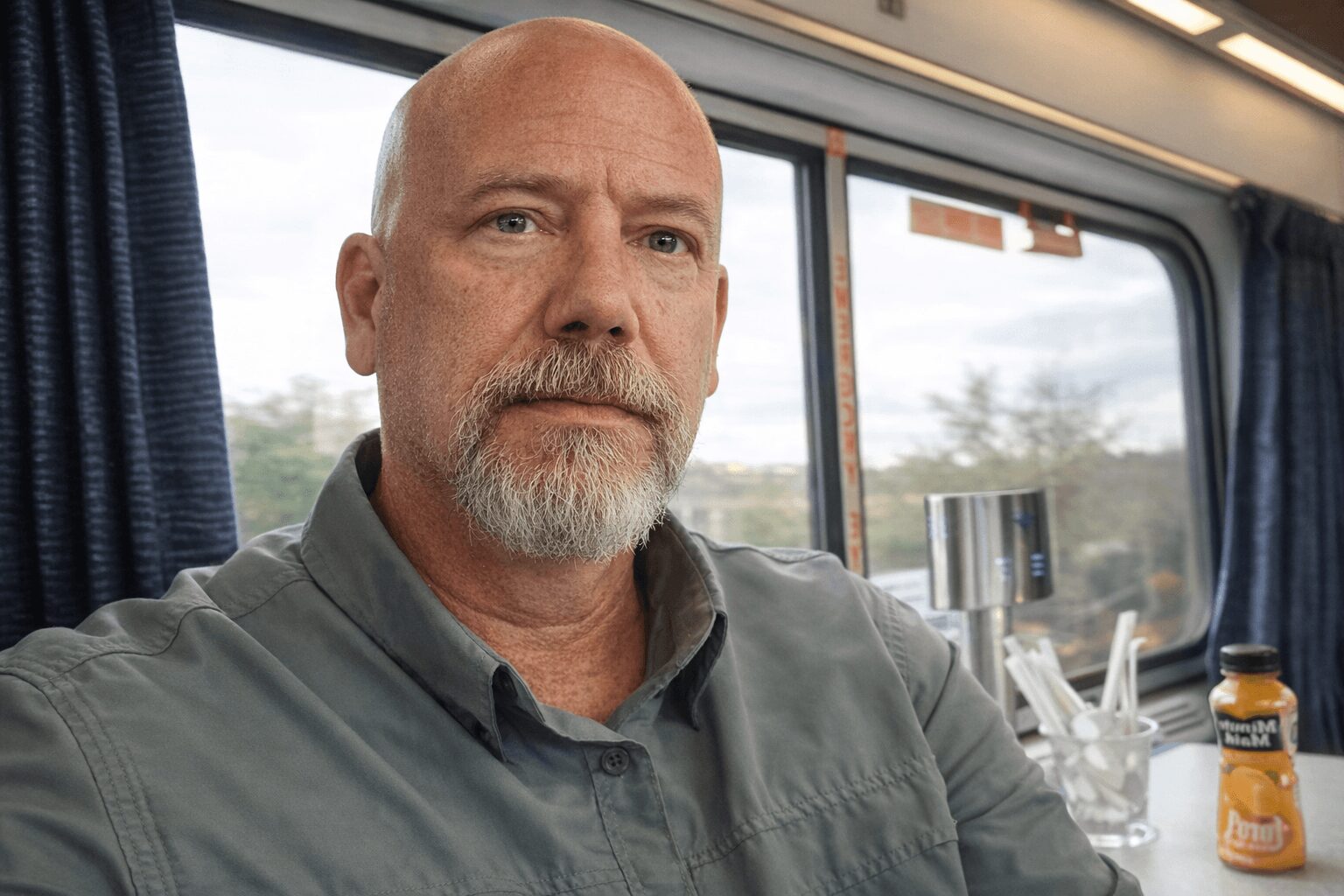
Today we’d like to introduce you to Mickey Middaugh.
Mickey, we appreciate you taking the time to share your story with us today. Where does your story begin?
I spent more than two decades in the U.S. Air Force as a Security Forces professional, working in crisis response, investigations, and leadership roles in environments where small decisions often carried serious consequences. Much of my career revolved around understanding how things go wrong, how threats develop, and how people end up in situations they never expected to be in.
For a long time, that knowledge lived almost entirely in professional settings, protecting people, leading teams, and responding after incidents had already unfolded. The turning point for me was personal. As my daughters got older, I realized I did not want them navigating the world without the kind of awareness I had gained over years of hard experience. I did not want to be the person who understood how danger actually unfolds, how offenders think, and how often warning signs appear, and then fail to pass that knowledge along.
Throughout my career, especially during interviews and investigations, I heard the same phrase over and over: “I knew something felt off, but I went anyway.” That stayed with me. It made me realize that most harm does not come from ignorance. It comes from hesitation, from not trusting your instincts, or from not knowing what to look for until it is too late.
Grey Matter Ops grew out of that realization. I wanted to translate what I had learned, not as military tactics, but as mindset, awareness, and decision making skills, into something civilians could actually use in everyday life. That work takes shape through writing, conversations, and real world scenarios that help people slow down, pay attention, and recognize problems earlier, before they escalate. The goal was never to turn people into operators or highly trained tactical professionals, but to help them move through the world with greater clarity and confidence.
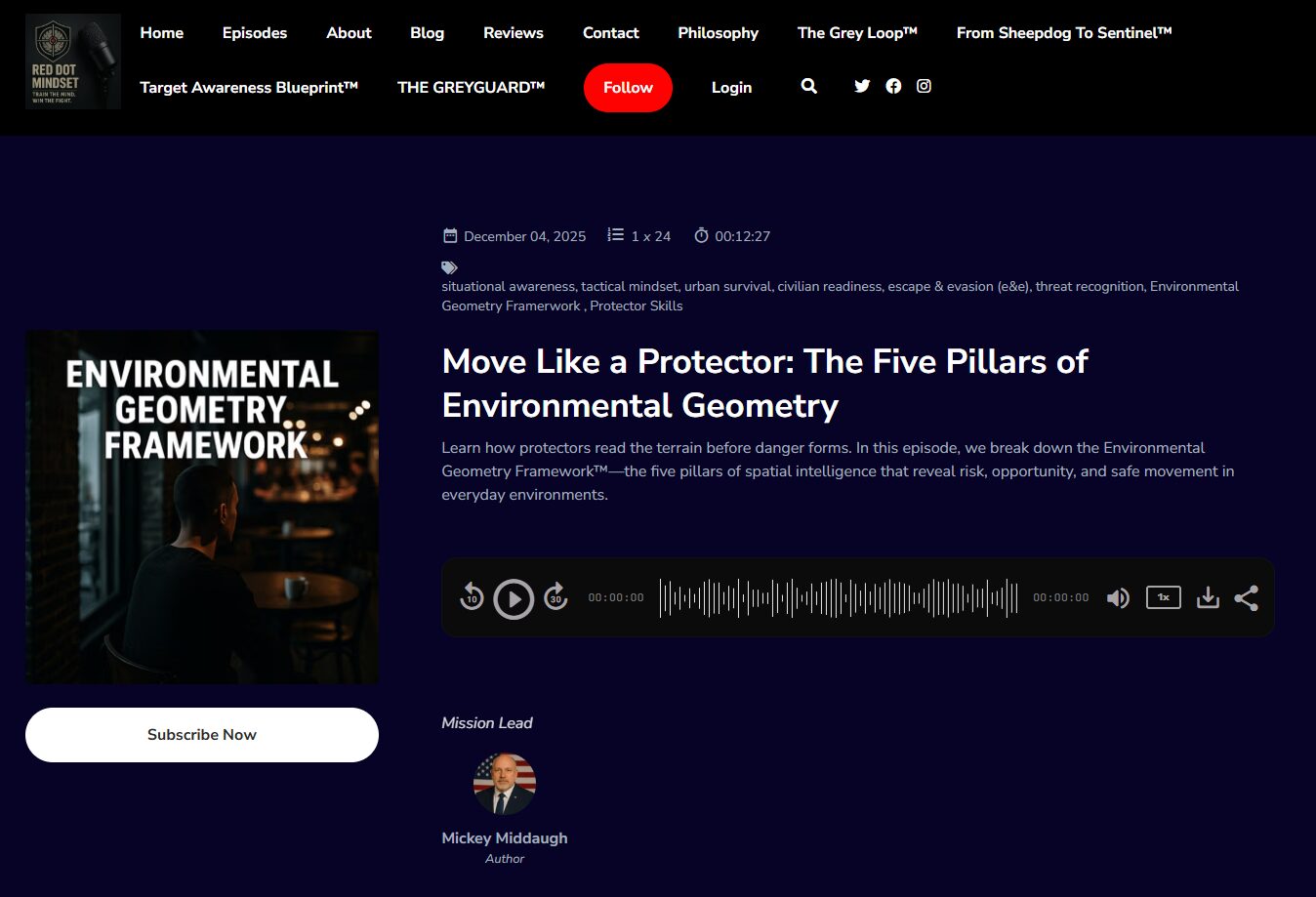
That effort eventually expanded into the Red Dot Mindset podcast, which focuses on situational awareness, resilience, and human behavior, especially the moments that signal when something deserves your attention. Today, my focus is on helping individuals, families, and organizations think more clearly under pressure and make better decisions without living in fear.
At its core, everything I do comes back to the same idea: people deserve access to practical knowledge that helps them stay safe and protect the people they care about. I did not want to keep that information locked inside professional circles when it could genuinely help others navigate everyday life more intentionally.
I’m sure it wasn’t obstacle-free, but would you say the journey has been fairly smooth so far?
It has definitely not been a smooth road. One of the earliest and most meaningful challenges was figuring out how to share this kind of information in a way that is responsible, practical, and genuinely helpful. When you work with awareness and human behavior, there is always an underlying concern about whether information meant to protect people could be misused by someone with bad intentions. That created a real moral dilemma early on.
Over time, I came to believe that the benefits of sharing this knowledge far outweigh the risks. Most of what I teach focuses on mindset, observation, and decision making, not tactics. The reality is that harmful behavior follows patterns, and awareness does not create those patterns, it helps people recognize them. Even when someone understands the principles, they cannot simply stop being who they are or how they operate. Awareness still works because human behavior is consistent.
Another major challenge has been learning how to actually get the information out into the world. Building an online presence, navigating different platforms, and understanding the technology behind websites, podcasts, and digital content has been a steep learning curve. Each platform has its own rules and limitations, and none of that came from my professional background.
Connecting with other professionals, organizations, and communities has also taken time. Translating experience into something accessible, and then delivering it through modern tools, required patience and a willingness to learn as I went. Those challenges have been frustrating at times, but they have also reinforced the importance of the mission and the need to keep refining how the message is shared.
Great, so let’s talk business. Can you tell our readers more about what you do and what you think sets you apart from others?
Grey Matter Ops is focused on helping everyday people develop situational awareness and decision making skills that are often talked about, but rarely taught in a practical and accessible way. The work centers on mindset rather than tactics, and on helping people recognize problems earlier, before situations escalate.
What sets Grey Matter Ops apart is the emphasis on translation. Many safety and preparedness concepts are rooted in military or law enforcement language that does not always resonate with civilians. My goal has been to take lessons learned from years of observing human behavior under stress and reshape them into ideas that fit everyday life. That includes how people move through public spaces, how they interpret their surroundings, and how they make decisions when something does not feel right.
The work takes shape through written content, conversations, real world scenarios, and the Red Dot Mindset podcast. Rather than focusing on fear or worst case outcomes, the approach is grounded in clarity and confidence. Awareness is framed as a way to move through the world more intentionally, not more anxiously.
What I am most proud of brand wise is that Grey Matter Ops does not rely on intimidation, specialized gear, or extreme scenarios to make its point. The focus is on observation, judgment, and personal responsibility. Readers and listeners often tell me the material helps them feel more capable and more present, without feeling overwhelmed.
At its core, Grey Matter Ops exists to make practical knowledge available to people who want to protect themselves and their families through better thinking, not through fear. That commitment to accessibility and responsibility is what continues to guide how the brand grows.
So, before we go, how can our readers or others connect or collaborate with you? How can they support you?
People usually connect with me in very simple ways. Most start by reaching out through my website at reddotmindset.com, either by email or after spending time with the blog or podcast. I have also had meaningful conversations begin through LinkedIn. I try to keep those points of contact open and approachable, because many people reach out with real questions or personal concerns, not just professional inquiries.
A large part of the support for this work has grown organically through word of mouth. People share the ideas with family members, friends, or coworkers, and then circle back to tell me how something helped them slow down, reassess a situation, or choose to leave an environment that did not feel right. In some cases, people have told me they later learned something serious happened in the same area they had just left. Hearing those stories reinforces why the work matters and why awareness does not have to be dramatic to be effective.
Collaboration has always been an important part of my professional life. That has included conversations with military and law enforcement professionals, work alongside veteran-focused organizations in Texas, and thoughtful exchanges with individuals who have experienced unsafe situations firsthand. Collaboration often takes the form of shared conversations, writing, or podcast discussions, rather than formal programs.
One of the most important lessons I have learned is that these principles are human-based, not location-based. Even across language barriers and cultural differences, people with harmful intent tend to seek the same things: advantage, isolation, and opportunity. Awareness remains effective because human behavior follows patterns, regardless of setting.
For anyone interested in collaborating, sharing experiences, or supporting the work, the best place to start is simply reaching out. Whether the connection turns into a conversation, a collaboration, or just an exchange of ideas, those interactions are what keep the work grounded and relevant.
Contact Info:
- Website: https://reddotmindset.com/
- Facebook: https://www.facebook.com/GreyMatterOps/
- LinkedIn: https://www.linkedin.com/company/greymatterops/
- Other: https://podcasts.apple.com/us/podcast/red-dot-mindset/id1811752973