



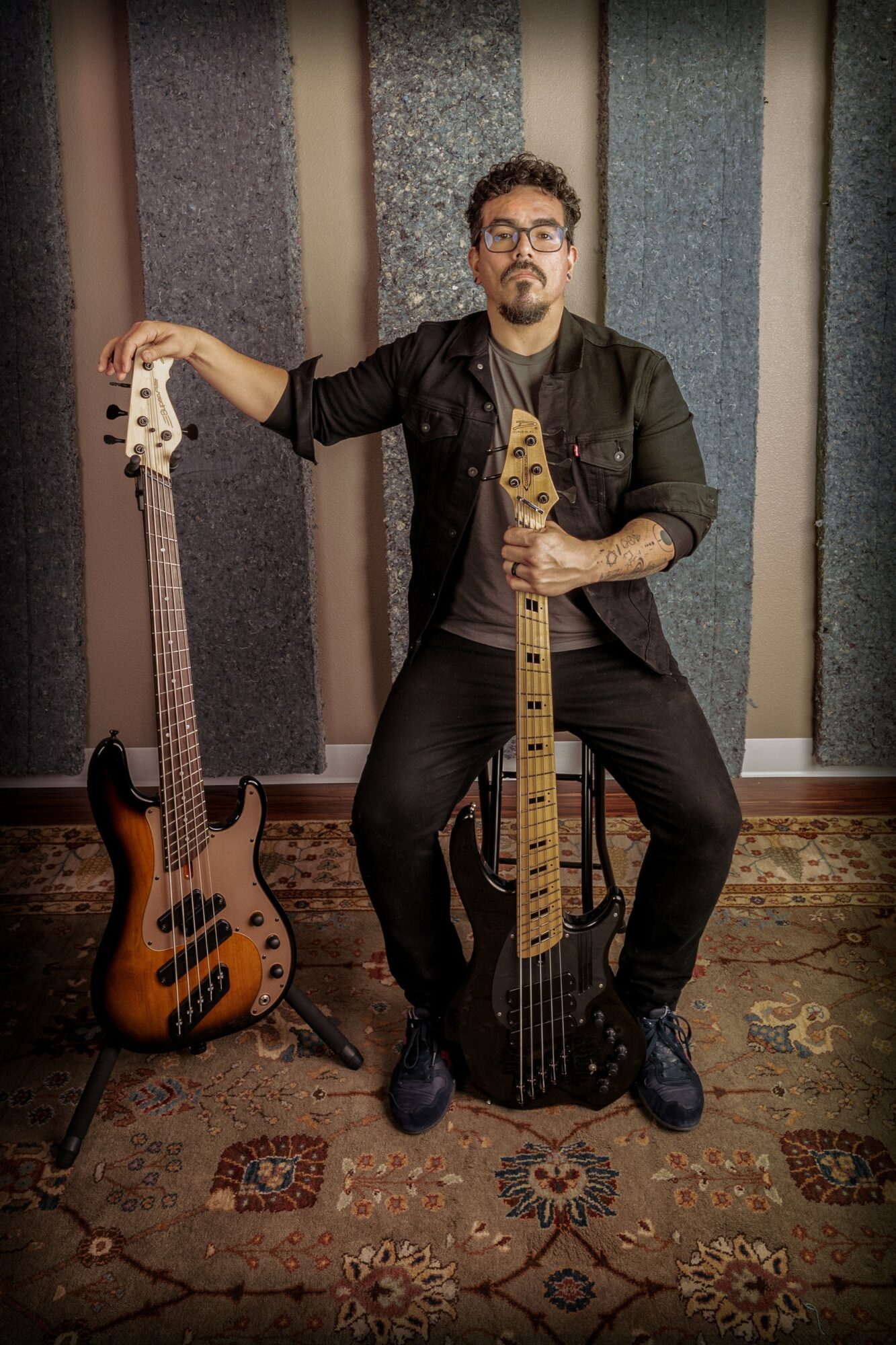
Today we’d like to introduce you to Jorge Palomo.
Hi Jorge, it’s an honor to have you on the platform. Thanks for taking the time to share your story with us – to start maybe you can share some of your backstory with our readers?
I was born in Monterrey, Mexico, and spent my early childhood surrounded by music, television, film and the unpredictable rhythm of creative life. My dad is a full-time musician, and my mom was a Mexican television personality who appeared in different programs and commercials. She also created a lifestyle magazine with a group of friends. Long before I understood the idea of working in media, my brother and I were watching both of our parents do it in their own ways.
My mom introduced us to interesting films and helped us discover the language and possibilities of cinema. My dad introduced us to the world of music, but he also showed us the reality behind it. We saw the rehearsals, hours of practice, weddings, parties, late nights and constant movement that came with being a working musician. Creativity wasn’t treated as some distant or glamorous idea in our house. It was simply part of everyday life—and it was work.
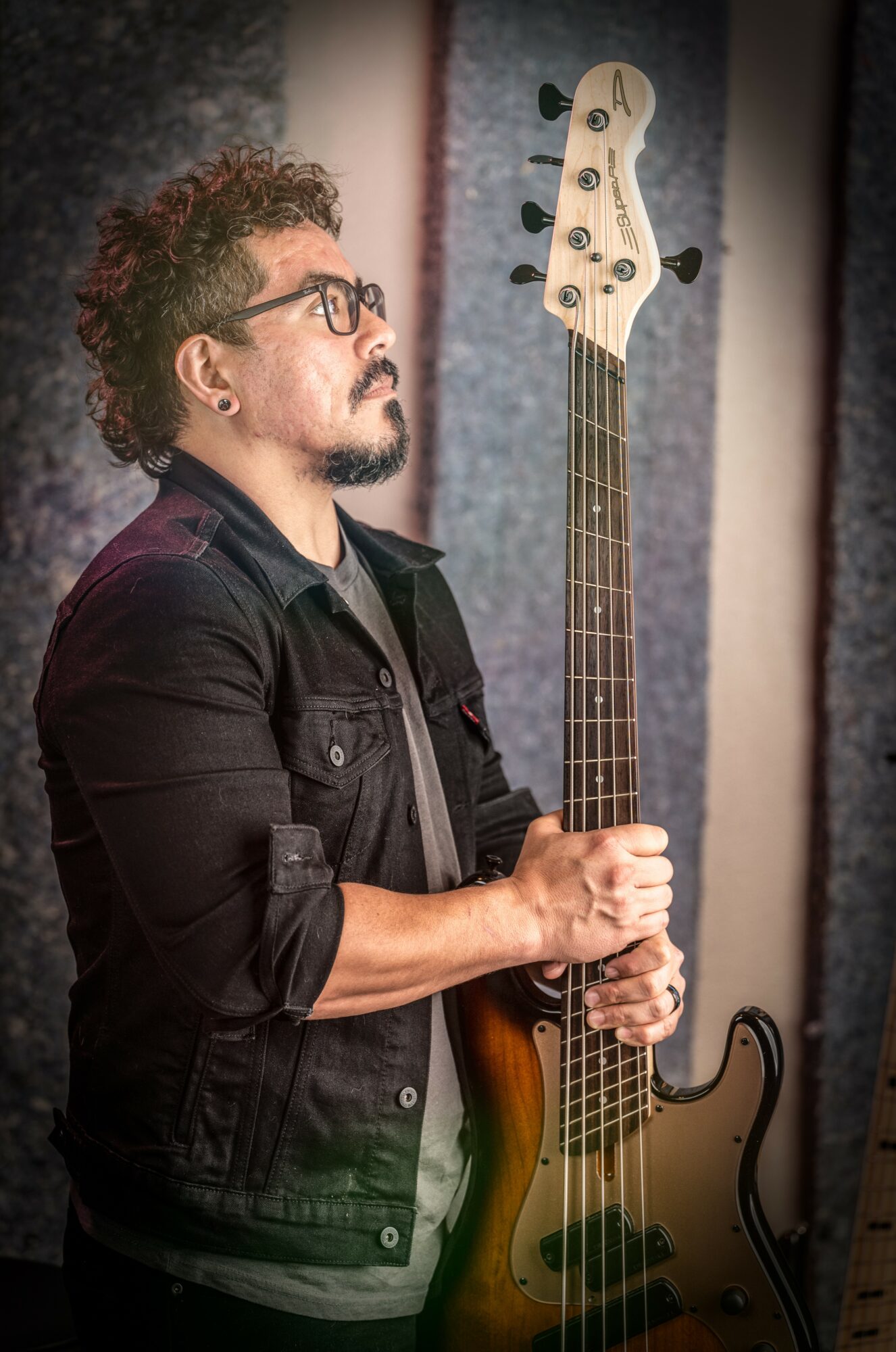
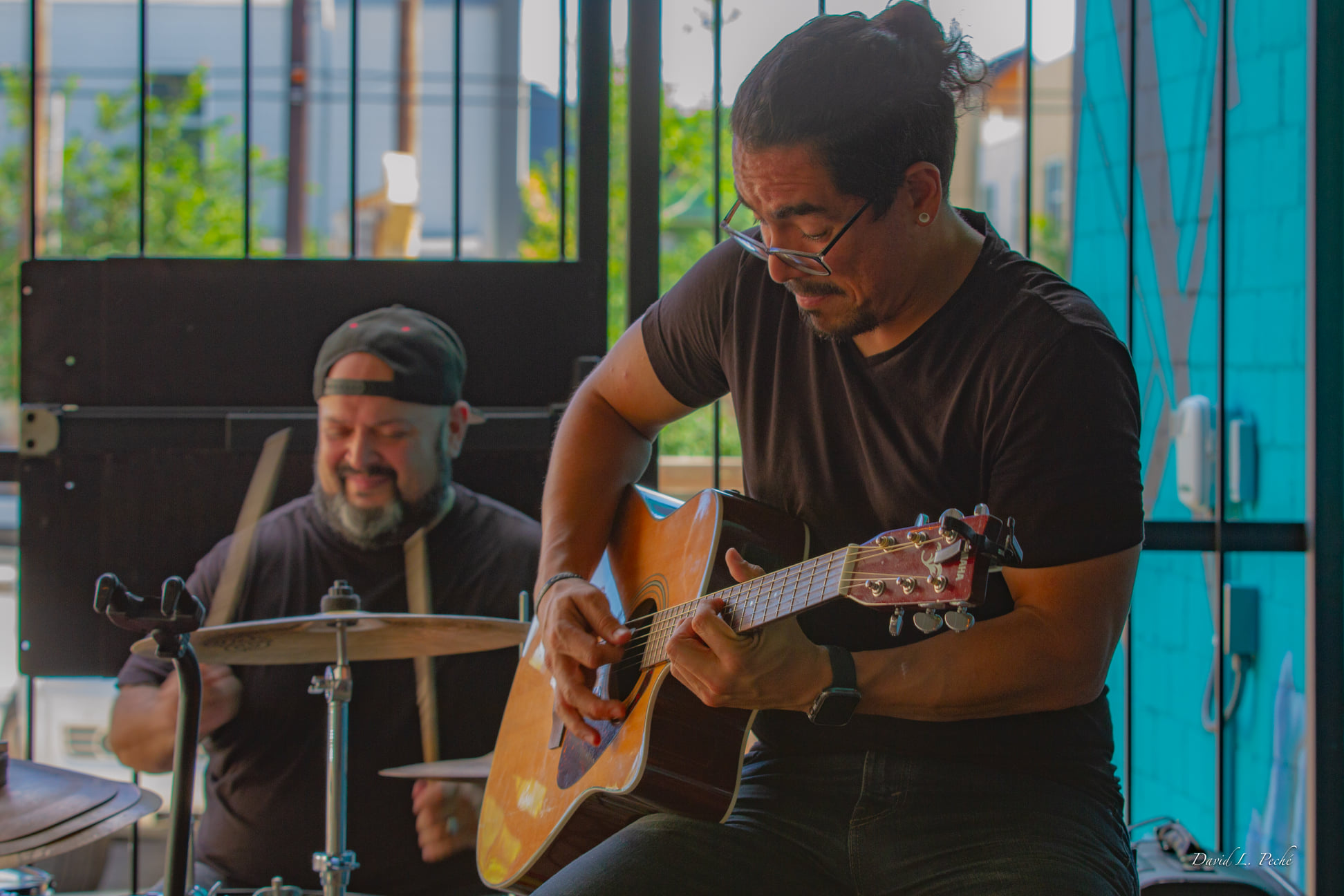
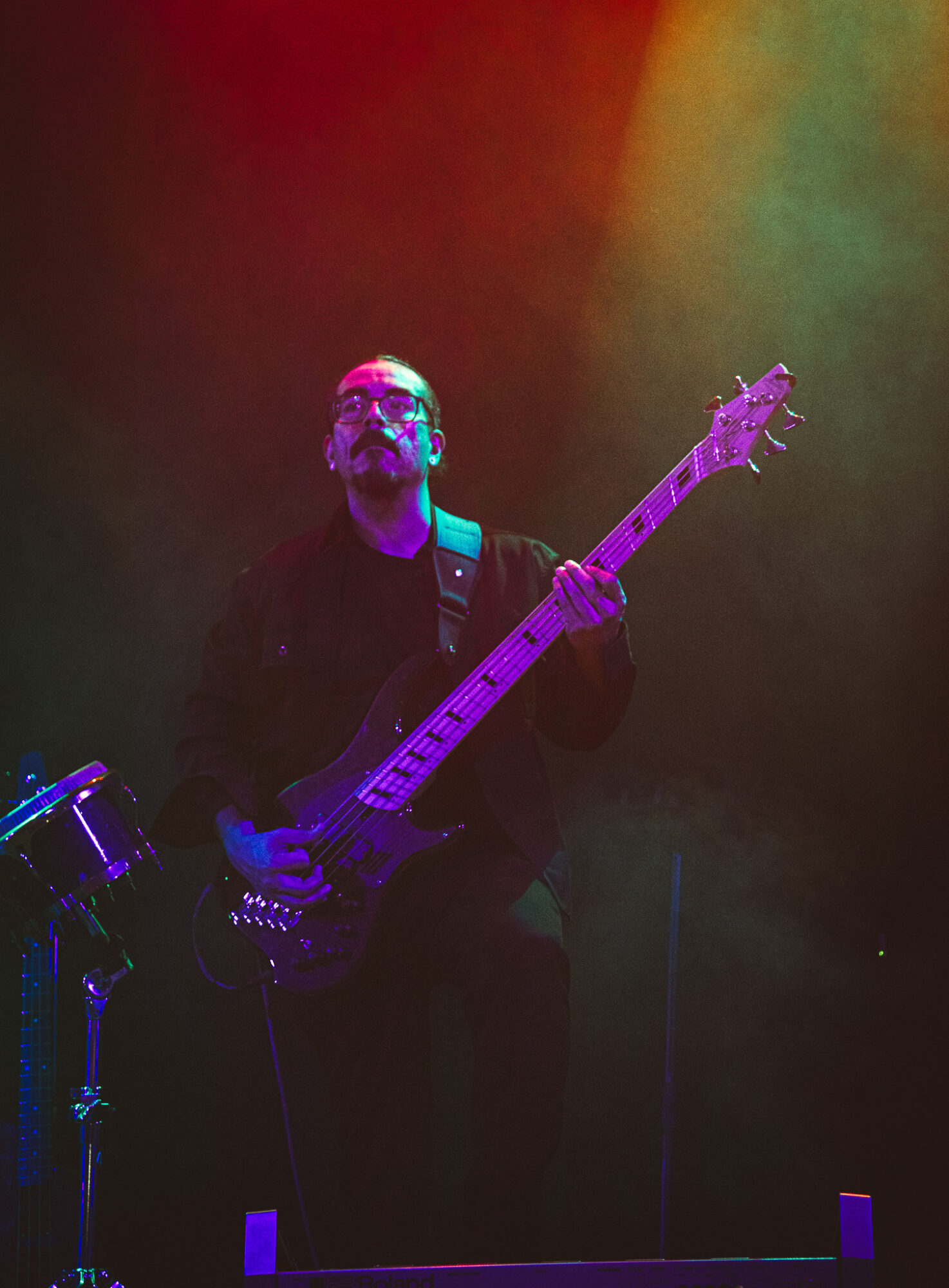
My dad taught me to play guitar when I was young, and I stayed with it until middle school, when I received a bass for Christmas. That gift completely redirected my life. I began learning by playing along with the rock and alternative bands I loved: Primus, Red Hot Chili Peppers, 311, Tool and Alice in Chains. I was fascinated by how much personality the bass could have. It could hold a song together, but in the right hands it could also be melodic, aggressive, strange and completely expressive.
My cousin Sergio, who is also a bass player, later introduced me to Victor Wooten’s album *A Show of Hands*. It was all downhill from there—in the best possible way. I became obsessed. Victor led me to players like Jaco Pastorius, Stanley Clarke, Billy Sheehan, Marcus Miller, Tom Kennedy, Stu Hamm and Victor Bailey. While I was still in high school, I was already digging deeply into the instrument and trying to understand all the different directions it could take me.
I also began working professionally at a young age. In high school, I played consistently with a Norteño band called La Cima. That was my introduction to touring, even if it was touring on a relatively small scale. We regularly traveled into Mexico to perform, and I learned early that playing the show was only one part of the job. Touring also meant long drives, unfamiliar places, unpredictable schedules and figuring out how to function as part of a group. Those experiences made the life of a professional musician feel real to me long before I was old enough to fully understand what I was committing myself to.
Although I don’t think my parents were exactly thrilled by the idea of my brother and me pursuing music full-time, they supported us. I attended UTSA for a year before leaving San Antonio to study at Berklee College of Music. At Berklee, I met Matthew Garrison, who became my mentor and my greatest influence as a bassist. He expanded my understanding of the instrument and showed me an entirely different way of thinking about rhythm, harmony, sound and musical identity.
When I was 21, I had the opportunity to audition for Steve Vai. Regardless of where it led, simply being invited into that room and getting the chance to play for one of the greatest guitarists of all time remains one of the greatest moments of my life. At that age, it was an incredible confirmation that the years I had spent practicing were opening doors I once could only imagine.
After Berklee, I returned to San Antonio and committed myself to working full-time in the music scene. I was very fortunate to meet veteran San Antonio musicians who took me under their wing. For whatever reason, they saw something in me, started recommending me and continued calling me for work. In this business, one gig can lead to three more—or it can lead nowhere—so earning the trust of established musicians was invaluable.
I spent most of my twenties gigging, practicing and being broke. I worked at Six Flags as a musician, played on a cruise ship, recorded in different studios and performed with more bands than I could possibly name. I played whatever the situation required and learned how to adapt quickly. It wasn’t glamorous, but it gave me an education that I never could have received in a classroom.
One of my hardest lessons came while touring as part of an opening act for Ted Nugent. The artist I was playing with had issues with the band and eventually left us stranded in downtown Chicago. We were simply dropped off and told goodbye. The rest of us had to piece together a way back to Texas through friends, favors and whatever resources we had. Thanks to some good people, including friends of my brother, I eventually made it to our guitarist’s family home in Waco. His parents let me stay there while I tried to organize my life, figure out how to return to San Antonio and decide what came next.
It was a terrible situation, but it became an important turning point. I remember accepting that this was sometimes what the life looked like. If I wanted its incredible highs, I also had to be prepared for the spectacular lows. I had to take the good with the bad, learn from it and keep moving.
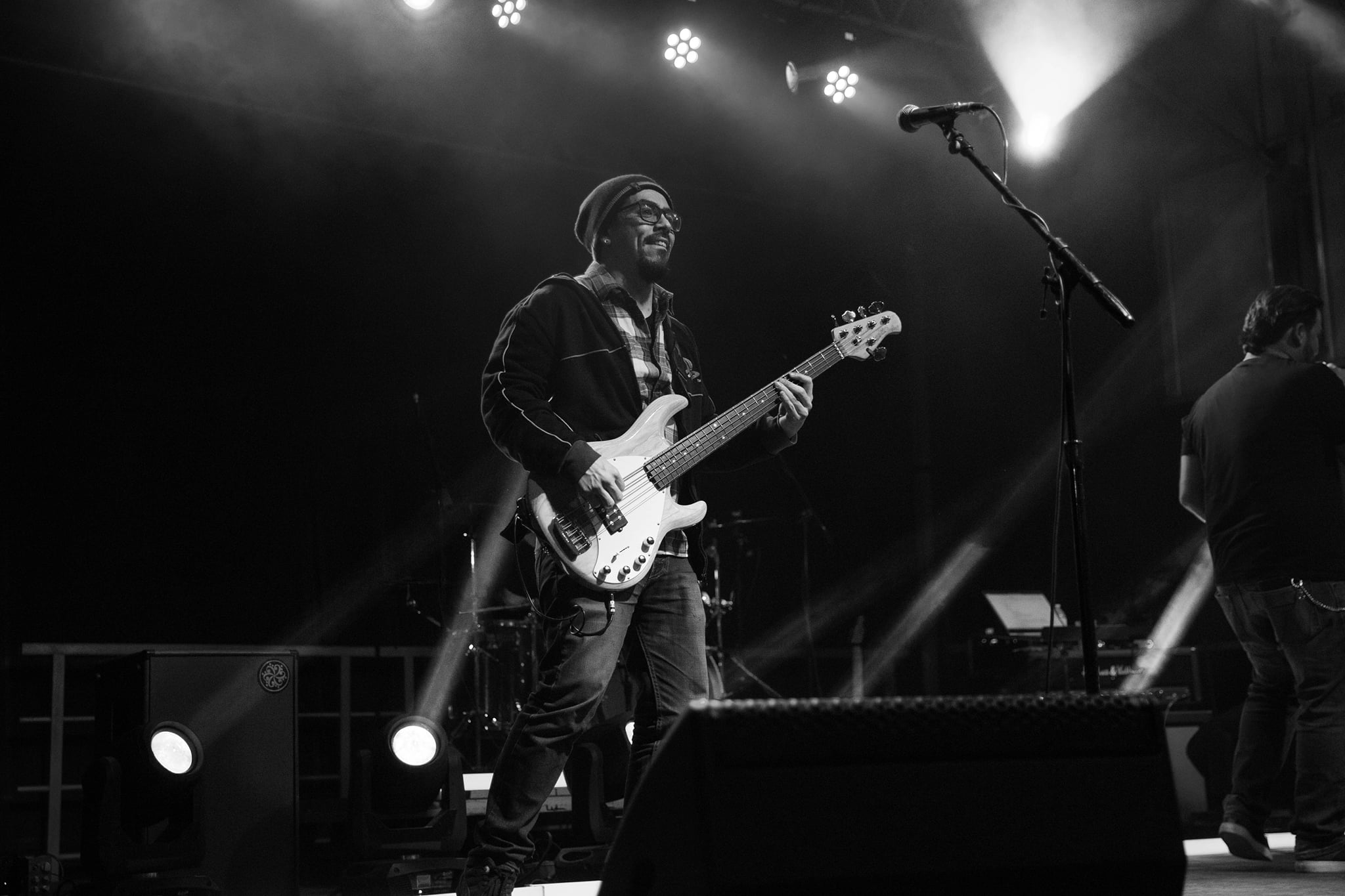
From 2013 through 2016, I lived in California. That chapter pushed me beyond the world I already knew and opened up new professional and creative opportunities. My career eventually took me around the world as the touring bassist for Neon Indian. I had gone from traveling into Mexico with La Cima as a teenager to performing for audiences across the globe. Touring internationally allowed me to see places I might never have visited otherwise, meet some of my heroes and experience how music connects people who may not share the same language or background.
Over the years, I’ve also had the opportunity to perform with many different artists and every one of them, whether in the studio or on stage live, has required something different from me. That variety helped shape me into a more versatile player and taught me that professionalism is just as important as musical ability.
Becoming a Dingwall-endorsed artist has also been a meaningful milestone. I genuinely believe in the instruments, and having that relationship with a company so respected by bass players feels like recognition of the work I’ve put into my craft over the years.
As my career developed, the two creative worlds I inherited from my parents began to come together. Music remained at the center, but I also moved into producing, composing for films and working in video production. Looking back, that evolution makes complete sense. My dad gave me the life of a musician, and my mom gave me a love for cinema and visual storytelling. I never felt entirely comfortable choosing only one creative identity, so I learned how to let those different disciplines feed one another.
Over the past six years, particularly since the pandemic, my goals have shifted more toward the film and video world. I now work full-time at a church, where I handle video production and manage the livestream. That role has allowed me to develop another side of my creativity while applying many of the same lessons I learned through music: preparation, timing, collaboration, adaptability and the ability to perform under pressure.
One of the most meaningful parts of this chapter has been working with my mom, Teresa Garza, on three short films, one of which has received multiple awards. I’ve always been fortunate to work with family, but collaborating with my mom and sharing in her love for film has been especially rewarding. It has opened new creative doors for me and given us a chance to build something together. I love cinematography and film scoring, and these projects have allowed me to flex those muscles while bringing the musical and visual sides of my life together in a very personal way.
The biggest sacrifice of this life has probably been the social side of it. Our job happens while everyone else is having fun. Musicians work on holidays, weekends and evenings, which means missing birthdays, graduations, family gatherings and other moments that don’t come back. Stability is another challenge. This business can be feast or famine, and you learn to live with a certain amount of uncertainty. Somehow, though, it has always worked out.
Today, San Antonio is home and remains the foundation of my creative life. I’m still focused on growing as a bassist, producer, composer and filmmaker, but I’m also becoming more interested in business-oriented ventures and finding new ways to turn my experience into something sustainable. The world is changing quickly, and life is becoming increasingly expensive. I have to think not only like an artist, but also like an entrepreneur.
Music, however, will hopefully always be there. No matter where the next chapter takes me, I can find comfort in knowing that the unconventional path gave me a remarkable life. I’ve traveled the world, played with incredible artists, met some of my heroes and made a living doing the thing that first captured my imagination when I received that bass for Christmas. It hasn’t been stable, predictable or easy—but it has been mine.
We all face challenges, but looking back would you describe it as a relatively smooth road?
It has not been a smooth road whatsoever, but it has definitely been fun. As I mentioned before, one of the biggest challenges of making music your full-time job is learning how to keep it from feeling like just another job.
People often say, “Do something you love and you’ll never work a day in your life.” It sounds nice, but I don’t think it’s entirely true. Anything you depend on for a living will require work, and that inevitably means doing things you don’t always want to do. That’s true in every field, including music.
Playing a wedding, for example, can mean arriving hours before the guests to set up, sometimes outside in the heat or cold. There may be long stretches of waiting around, but you still have to be ready to play at a moment’s notice. It means performing songs you’ve already played thousands of times and finding the energy to play them one more time. You’re at an event where everyone else is celebrating and relaxing, but you’re still on the clock. Would I trade it for something else? Of course not. I still have a great time playing my instrument and hanging out with my bandmates. But after standing around and working for eight or more hours, I still go home tired.
Touring follows the same basic idea, only on a much larger scale. People see the 90 minutes you spend onstage and assume the rest somehow happens by itself. They don’t see the sleepless nights, long drives, gas-station food, flat tires, rehearsals, gear hauling or the thousands of hours of practice that made those 90 minutes possible. They see the finished product, not everything required to create it.
At the end of the day, though, you’re still doing something you love and helping people have a good time. Being able to make a living from music is a small miracle, and I never take that for granted. Loving it doesn’t mean it isn’t work. It means the work is worth doing.
Thanks for sharing that. So, maybe next you can tell us a bit more about your work?
I work across music, audio production, film and live video production. I’ve spent more than two decades as a professional bassist, producer and composer, and over the past six years I’ve expanded much further into cinematography, filmmaking and video production.
Musically, I’m probably best known as a versatile bassist who can move comfortably between different artists, styles and working environments. I’ve toured around the world with my brother, Alan Palomo, through his project Neon Indian, and I’ve performed with artists including Chris Pérez, Jennifer Peña, Blake Aaron, Adam Lasher, Will Donato, Patrick Lamb, Peter More, Mariangela, Joshua Jackson, Jeff Kashiwa, Erin Stephens, Althea Rene and Jaquie Rivera. I’m also proud to be a Dingwall-endorsed artist. My work has taken me from local San Antonio stages and studio sessions to cruise ships, festivals and international tours.
In my video work, I specialize in live production, cinematography, editing and visual storytelling. I currently work full-time at a church, where I produce video content and manage a multi-camera livestream. I’ve also worked with my mom, filmmaker Teresa Garza, on three short films, including one that has received multiple awards. Those projects have allowed me to combine two things I love deeply: cinematography and film scoring.
What I’m most proud of is that I’ve managed to build a real life around creativity. It hasn’t followed a predictable path, and there have been plenty of difficult or uncertain years, but I’ve continued growing and finding new ways to use what I’ve learned. Touring the world and playing with artists I admire have been incredible experiences, but one of the most meaningful threads throughout my career has been the opportunity to create with my family.
With Alan, that has meant making music, traveling the world and sharing experiences that very few brothers ever get to share. With my mom, it has meant stepping into the world of filmmaking together and building on the love of cinema she gave us as children. It feels like the musical and visual worlds I inherited from my parents have finally come together in my own work.
What sets me apart is that I understand a production from several different perspectives. I know what performers need because I’ve spent most of my life onstage. I understand sound because I’m a musician, producer and recording engineer. I understand the pressure of live environments, where problems have to be solved immediately, and I also understand the patience and detail required for editing, cinematography and film scoring.
I don’t see music, sound and visuals as separate disciplines. To me, they are different parts of the same story. Whether I’m playing bass, directing cameras, managing a livestream, producing a record or scoring a scene, my goal is always to serve the project and help create something that feels honest, professional and emotionally effective.
How do you think about happiness?
That’s an easy question and a difficult one at the same time. I think one of the things that makes me happiest is having the opportunity to make other people happy.
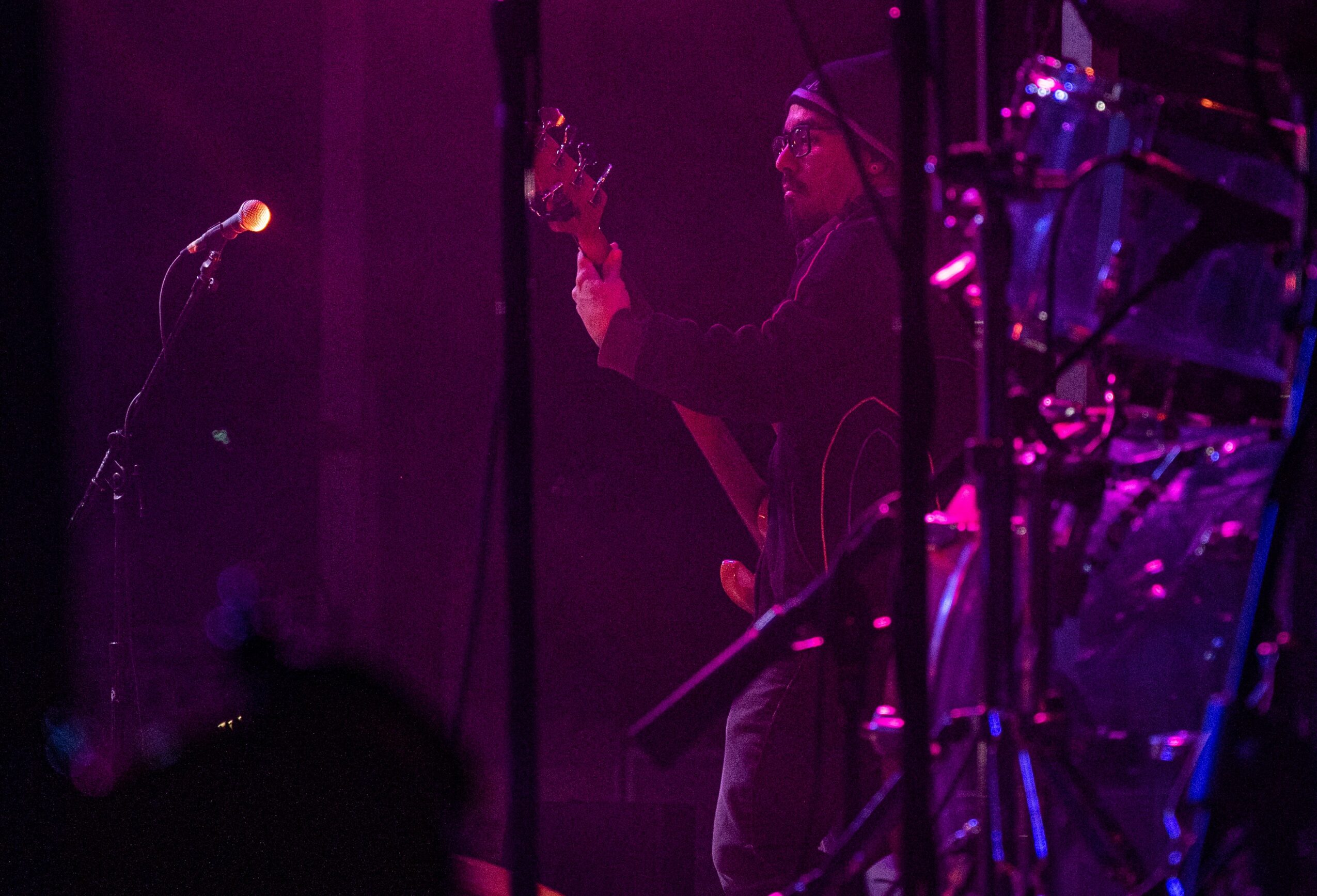
Sometimes, whether I’m performing at a wedding or touring with an artist, I’ll catch someone in the audience having the absolute time of their life. They’re completely present, existing purely in that moment, and that isn’t something you get to witness every day. People go to shows to let go, connect with others and forget about life and its hardships for a little while. Having the opportunity to be a conduit for that experience is priceless. It’s incredibly fulfilling, and it reminds me that what we do can have a real purpose in people’s lives.
Playing my instrument and making music also make me happy. When I’m performing with the right musicians, there can be a chemistry that is almost impossible to describe. It lifts you out of the mundane and takes you somewhere else entirely. There are moments onstage when I forget that I exist, stop thinking about what I’m doing and simply let the music play itself. Those are some of the purest moments of happiness I know.
Contact Info:
- Website: https://jorgepalomo.com
- Instagram: @jorgepalomobass
- Facebook: /jorgepalomobass
- Youtube: https://www.youtube.com/@jorgepalomobass