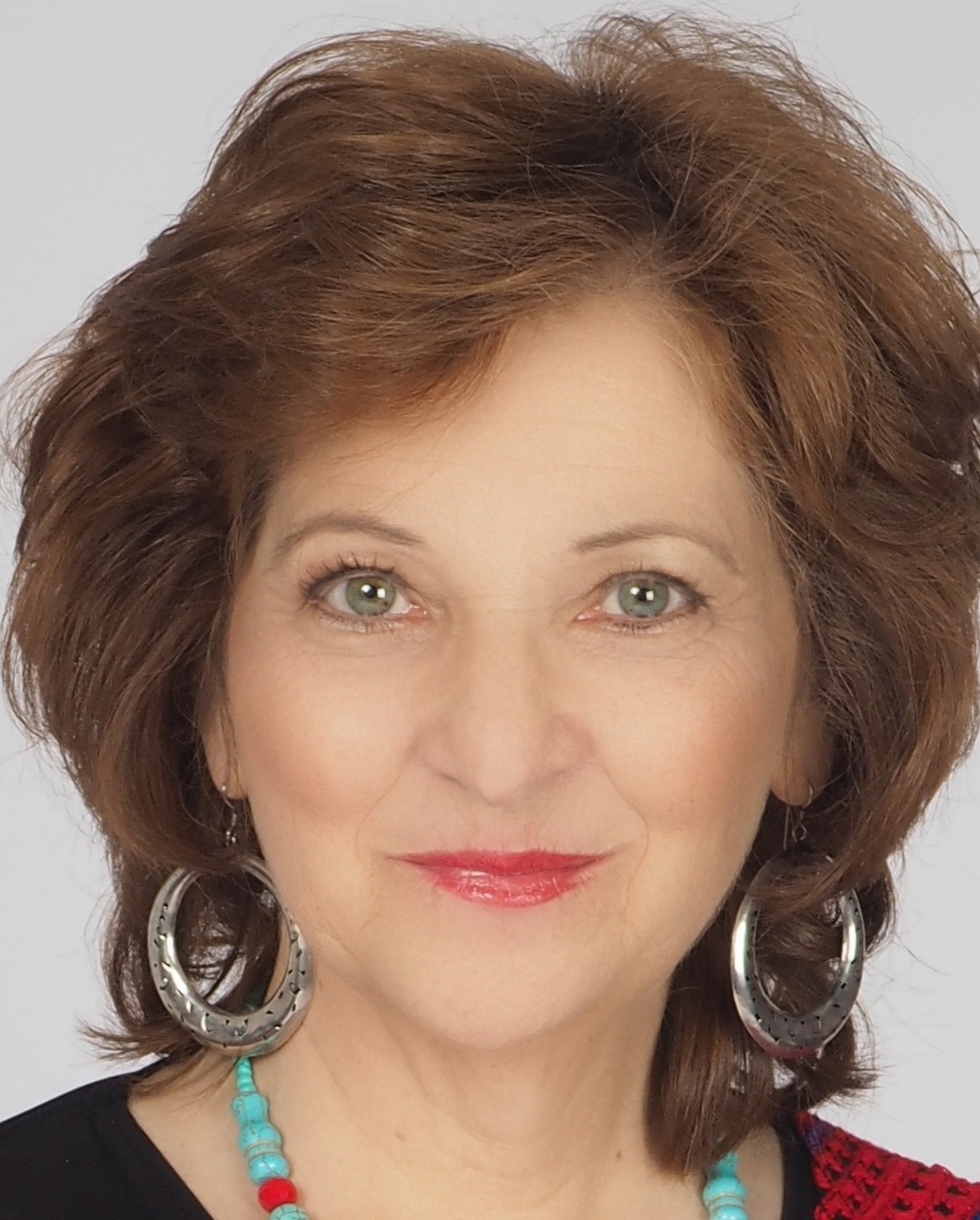






Today we’d like to introduce you to Carmen Tafolla
Hi Carmen, please kick things off for us with an introduction to yourself and your story.
I grew up in a chorus of voices.
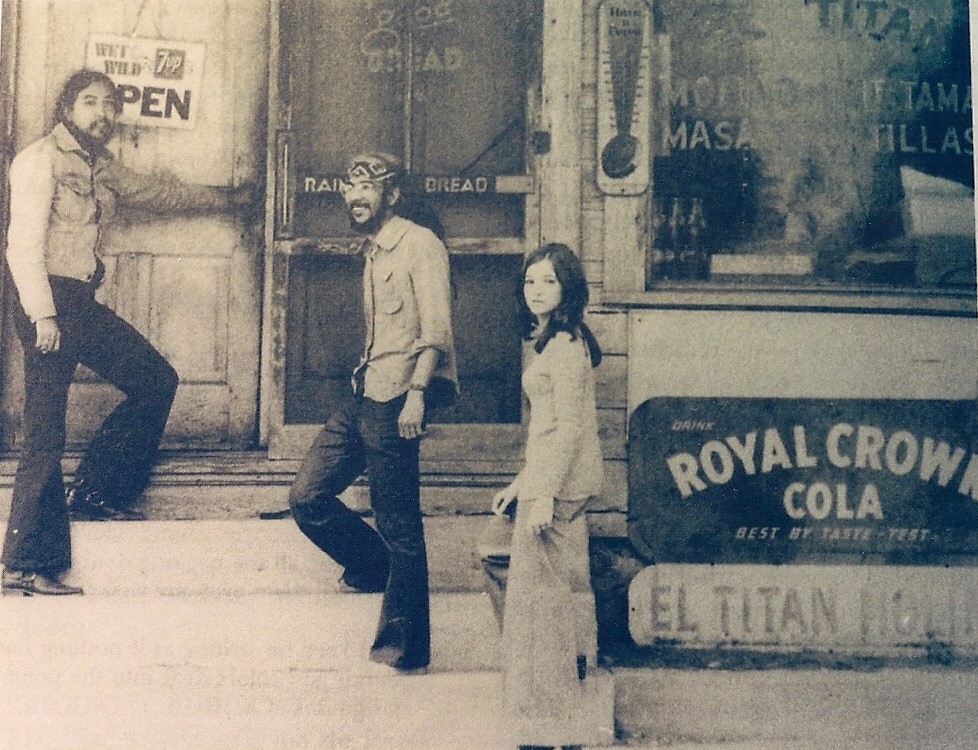
Voices from the mercado and voices at the bus stops. Voices laughing by the river, and voices murmuring from beneath the pulse of the earth. Voices gathered in a West Side San Antonio backyard on a hot Saturday night, laughing, eating tacos and watermelon, singing corridos, and telling stories that had been told and retold on this continent for more than 500 years. I was born into a low-income barrio of people struggling to even pay the rent or put food on the table, but it was a barrio rich with cultura, cariño, values, and a symphony of stories. And to the stories I was drawn like a firefly.
My family’s roots go back in San Antonio to before it was even called San Antonio, and preserving our culture and our stories had always been important to us. At that time, our schools, instead of aiding this desire to study and save our history, would usually punish us for speaking up, and punish us MOST for speaking up in the only language many of us knew, Spanish.
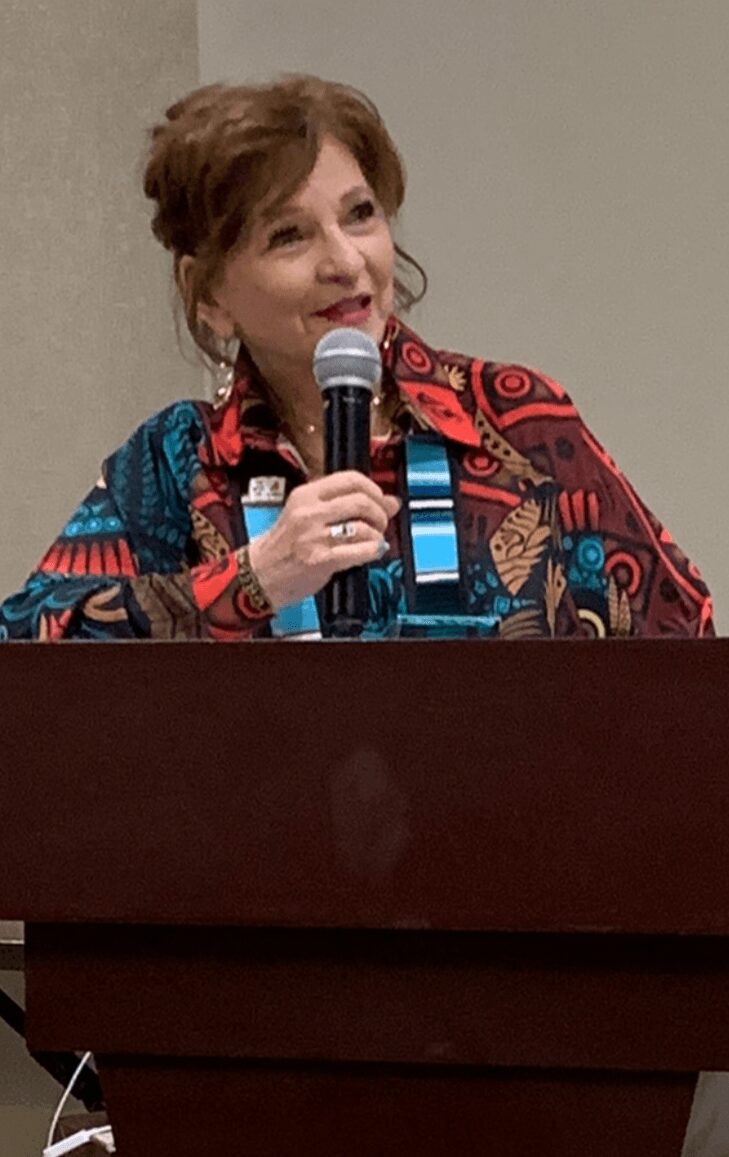
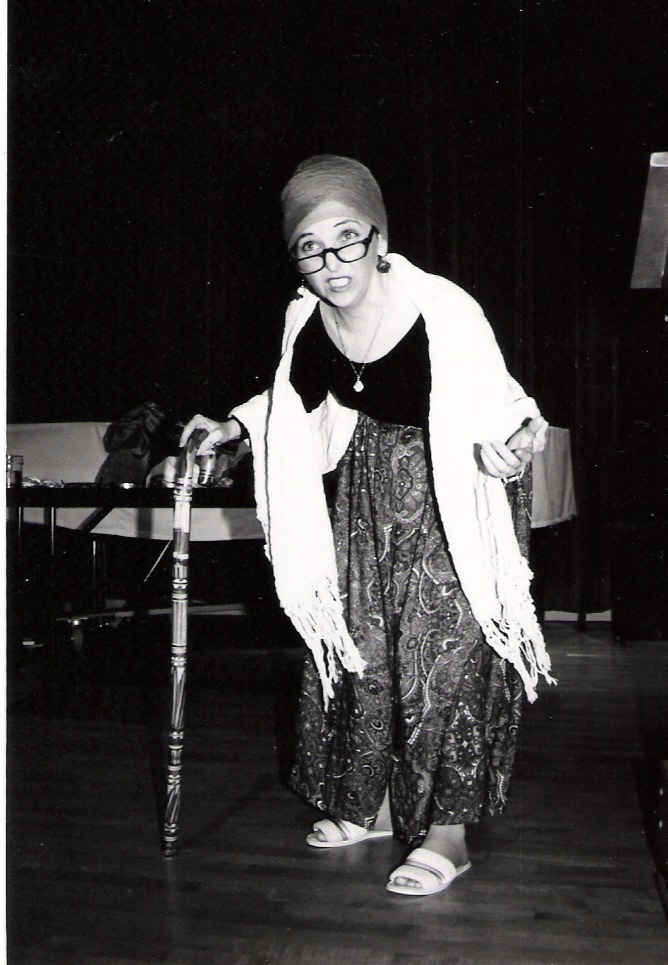
Fast forward to 2012, and I was being named the first City Poet Laureate named in ANY major city in Texas, – and it was San Antonio who had taken the giant step. In 2015, I was named State Poet Laureate of Texas, and in 2018 I was elected President of the Texas Institute of Letters, the first Latina to hold that title. I have now published more than forty books, many of them set in San Antonio and South Texas, and I have presented on stage a one-woman show featuring the voices of people of my San Antonio barrio, to standing ovations in twelve countries on three continents.
Why do the people of SA figure so highly in my written and dramatic work? Maybe because it’s the entrancing harmony of their rich variety that still whispers in my ear and sings to me like a chorus of generations of beautiful lives from this beautiful city.
Alright, so let’s dig a little deeper into the story – has it been an easy path overall and if not, what were the challenges you’ve had to overcome?
Stereotypes about our barrio being “the rough side of town” kept many of our teachers from having high expectations for us. We were frisked going in and out of the cafeteria, the girls’ purses were checked, and we were lectured to give up our switchblades and not speak Spanish. (I didn’t own a switchblade, but I did speak Spanish!) Once, I was called into the principal’s office because he’d overheard me speaking Spanish. He gave me a severe warning, and told me not to destroy my chances at a future by speaking Spanish. He said I had exceptional potential for a West-Sider. I had potential to make it all the way to HIGH SCHOOL!!! While he didnt say THROUGH high school or PAST high school, I did go on to graduate from high school, PLUS a BA, MA, & a Ph.D. And it’s no surprise, that what I chose to major in in College was the very thing I had been punished for speaking as a child– SPANISH!
While it certainly wasn’t fun at the time they were stereotyping and undervaluing us, it DID serve a valuable lesson: it taught me that not EVERYTHING people in high positions say is TRUE, not even if a whole bunch of them believe it. You have to sometimes learn to just shelve what they say away, and go on with what YOU know to be true.
There’ve been lots of bumps on the road since then- writing programs that devalued me for NOT having an MFA from an East Coast university; publishers who didn’t want to publish anything that had Spanish words or Mexican-American characters in it; men that didn’t think I was qualified for administrative positions because I was a woman; or any of the other excuses that folks sometimes use because they’re scared of anyone different from them, but the valuable experiences of having to fight even to pronounce my own name correctly, or speak my home language, or study what I wanted to study helped me see past the “small” vision, and discover the true beauty people have inside them, despite their variations from someone else’s “norm”.
Appreciate you sharing that. What else should we know about what you do?
Growing up between two languages, and between two cultural backgrounds got me kind of used to and fascinated by the living on the edge, on the mixed-up-middle of it all, where all the dynamically creative action is happening. I was raised speaking “Tex_Mex”, a mix of the two languages of everyday life in San Antonio, “El car tiene un flat, vamos a llegar LATE to school, y la teacher me va FLONQUIAR!” So while lots of my poems, stories, children’s books, essays, and articles are published in a formal English or a formal Spanish, my FAVORITE creations are expressed in my favorite language—Tex-Mex! So, I tend to mix languages, art forms, and even genres in both my written and my performance pieces. It’s hard to place my books neatly in one category. And the audiences find that dynamic and stimulating. When Publishers Weekly gave my 2023 novel-in-verse set-in-San Antonio, Warrior Girl, a starred review , they ignored the publisher’s advertised target reader age of 10-14, to declare it was for anyone 10 and UP. And they praised its “messages about the importance of family and friends, social justice, and using one’s voice to incite change.” It’s kind of hard to put me in a box and restrict my style, because I like to write in different forms and themes and styles, and to write for different ages. Some people know me as a poet, others as a performance artist, others as a children’s writer, and still others as a professor of Bicultural-Bilingual Education, or Womens’ Studies or Mexican-American Studies. I tell young kids struggling to decide on a career—”You can do more than ONE thing!” My last three books were all in different genres—In 2021 a children’s picture book. In 2022 a coffee table book about the Arte del Pueblo: The Outdoor Public Art of San Antonio. And in 2023, a novel-in-verse. My earlier literary awards had included some for Peace and Social Justice, some for children’s picture book writing, one for Young Adult short stories, and one from the Fred Rogers’ Corporation for Top Ten Best Books for Babies!
Given my feeling that so many of my works were inspired by ancestors whispering over my shoulder or the children of the future singing in between my heartbeats, it’s no surprise that my favorite accomplishment in writing is when I can write in the voices of people so that readers and folks in the audience come up to me afterwards and say, “That was my gramma you oerformed” or “You told the story of what happened to me in first grade.” When I can make them recognize the characters as real, as part of their lives (and these are the kinds of comments I’ve gotten whether I’m reading in the West Side barrio, in a German university, a Mexican artists collective, or in a Norwegian coastal city) then I am happy with what I’ve written.
How do you think about luck?
LOTS! The very first time I read at a literary conference was PURO ACCIDENTE! I returned what I thought was a registration card for the conference, and they thought it was a manuscript card, and put me on the program to read!!!
I’ve been lucky about the amazingly wonderful human beings I’ve met and who have become friends and family. I’ve been lucky about the jobs that sometimes CHOSE ME more than I chose them! AND I’m ESPECIALLY LUCKY to have been born into this beautfiful, comassionate and inspiring city, so full of caracter y carino!
But most of the time, luck comes to those who have prepared and worked and worked and sweat. So when luck comes along, you’re standing there, ready to shake its hand! I like to quote my son’s very best elementary principal, “Funny thing.
The harder I work, the luckier I get!”
Contact Info:
- Website: https://www.carmentafolla.net
- Instagram: @officialcarmentafolla
- Facebook: https://www.facebook.com/carmen.tafolla.9
- Youtube: https://www.youtube.com/watch?v=nwdxbk-4Sj8