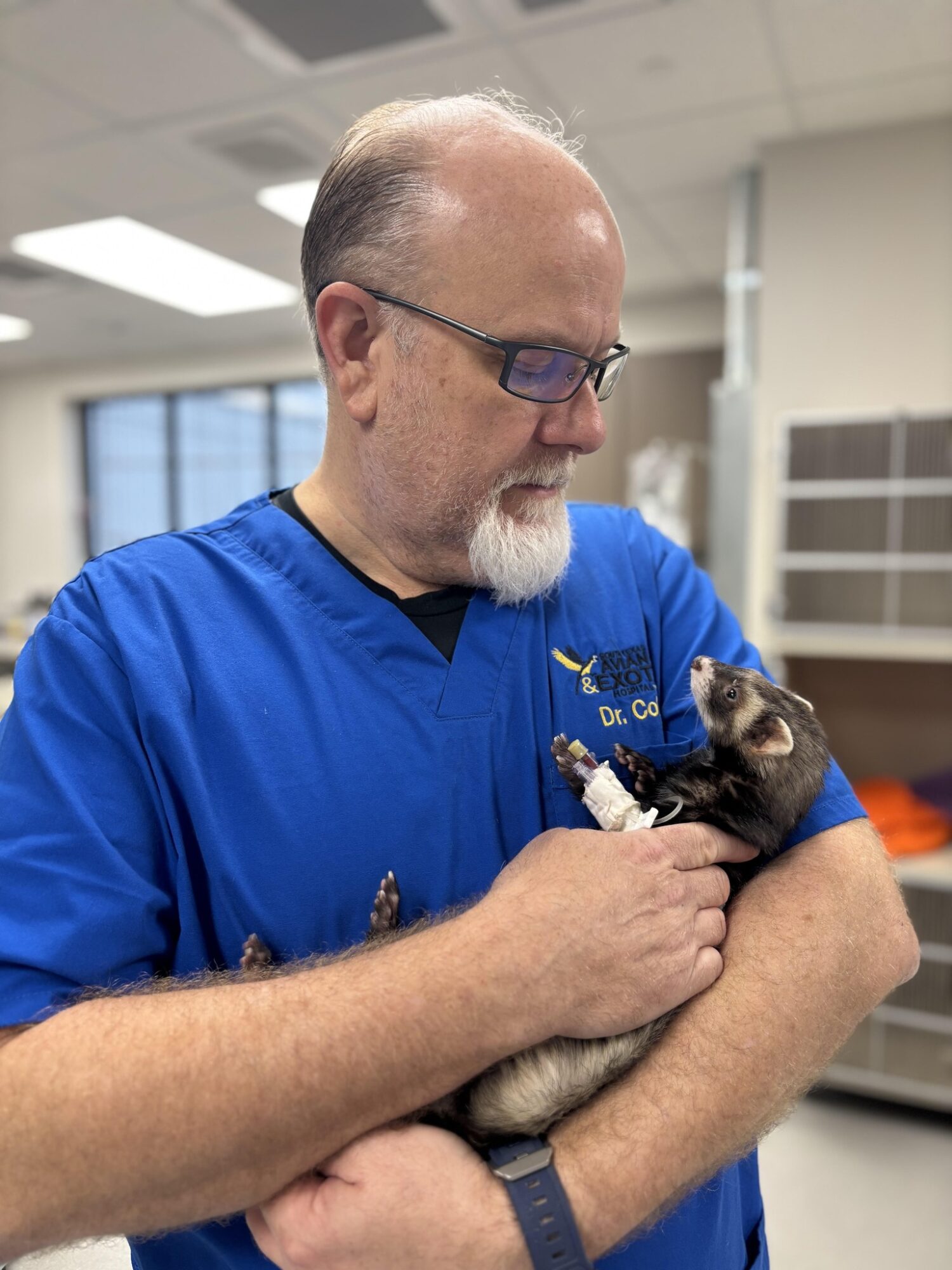





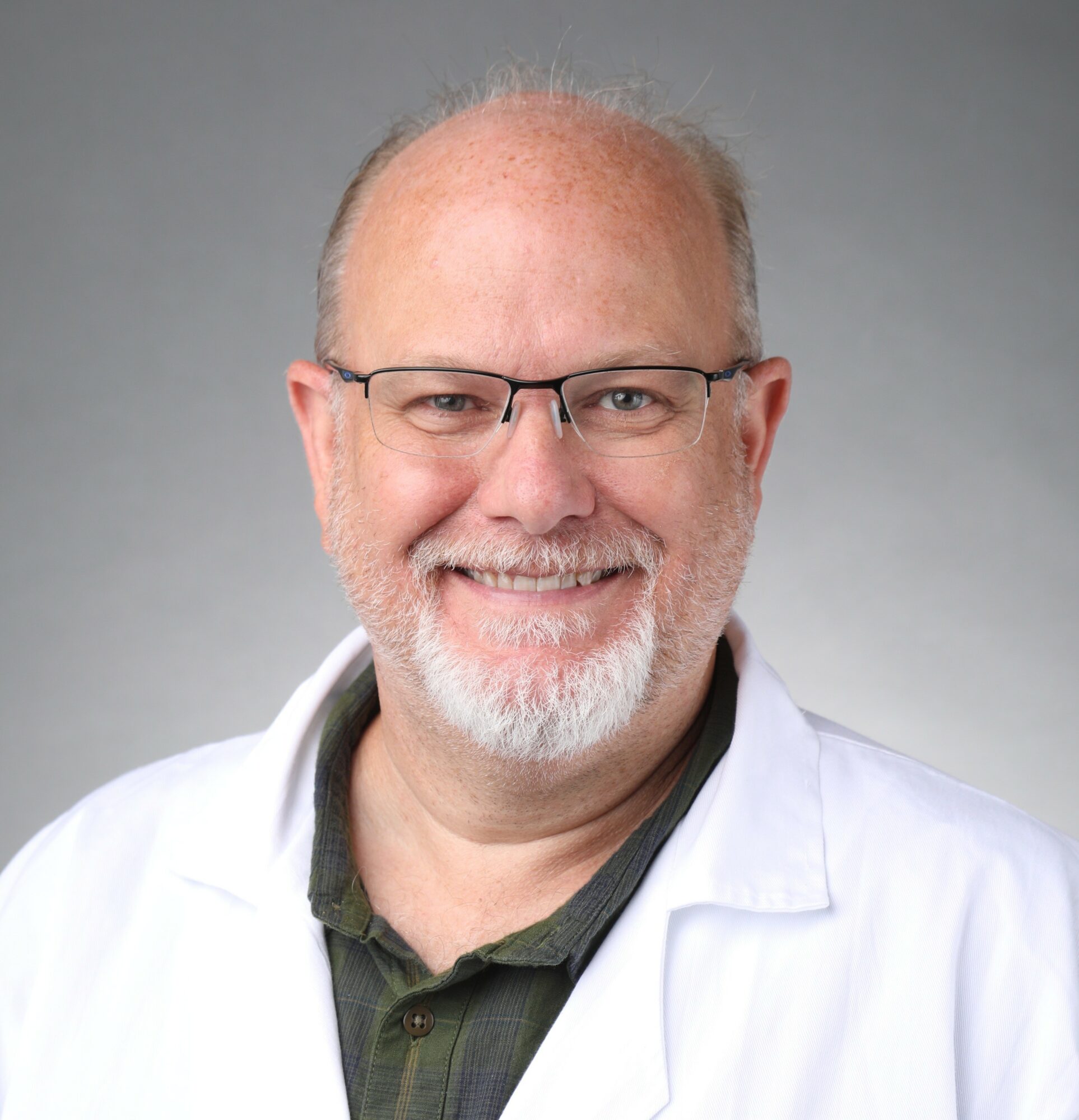
Today we’d like to introduce you to Rob Coke.
Hi Rob, thanks for sharing your story with us. To start, maybe you can tell our readers some of your backstory.
I graduated from Texas A&M University with a Bachelor of Veterinary Science degree in 1994 and a Doctor of Veterinary Medicine degree in 1996. I spent four years treating exotic pets in private practice before going to Kansas State University for an exotic animal, wildlife, and zoo animal medicine internship, which he followed with a zoological medicine residency at the Oklahoma City Zoo.
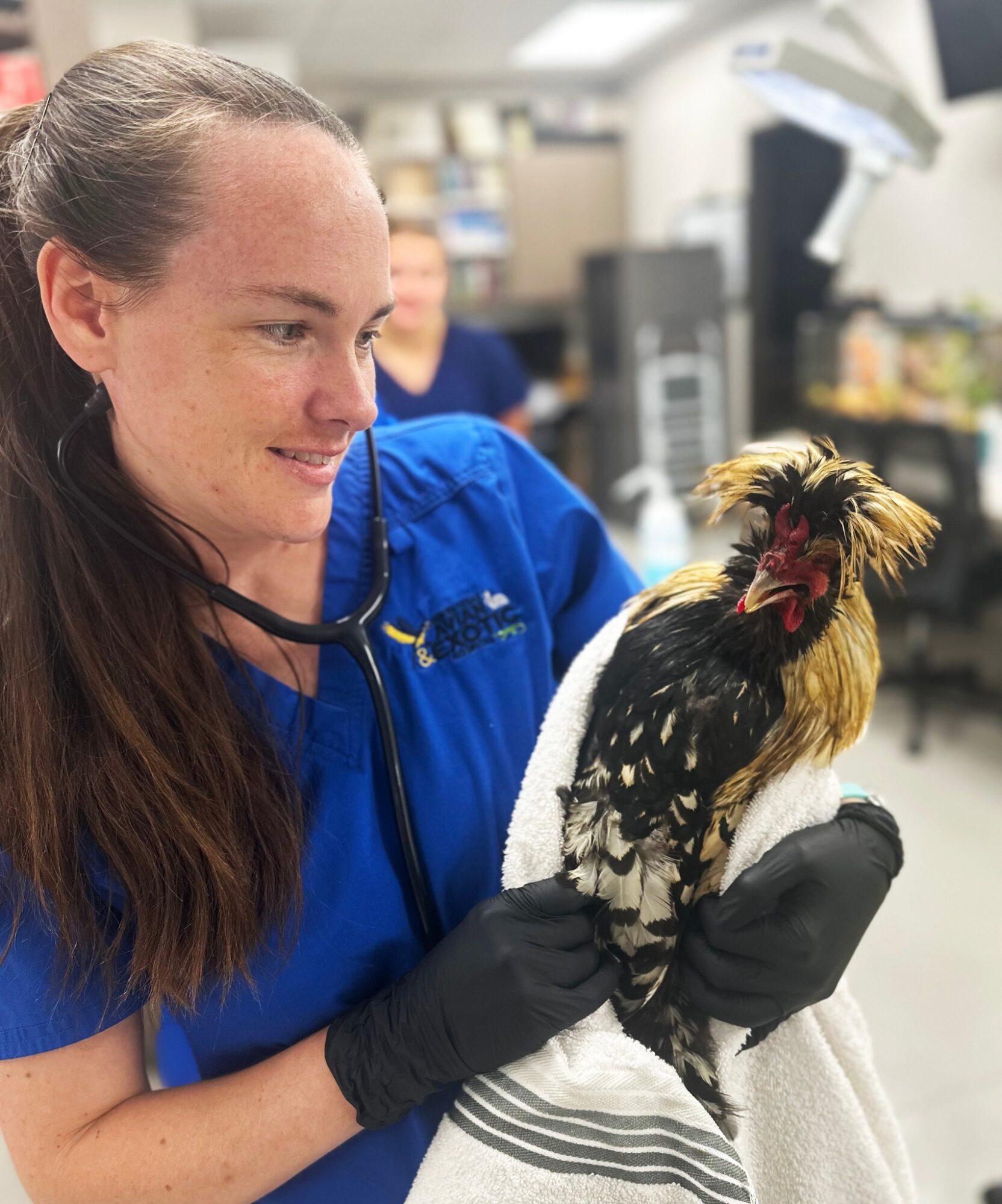
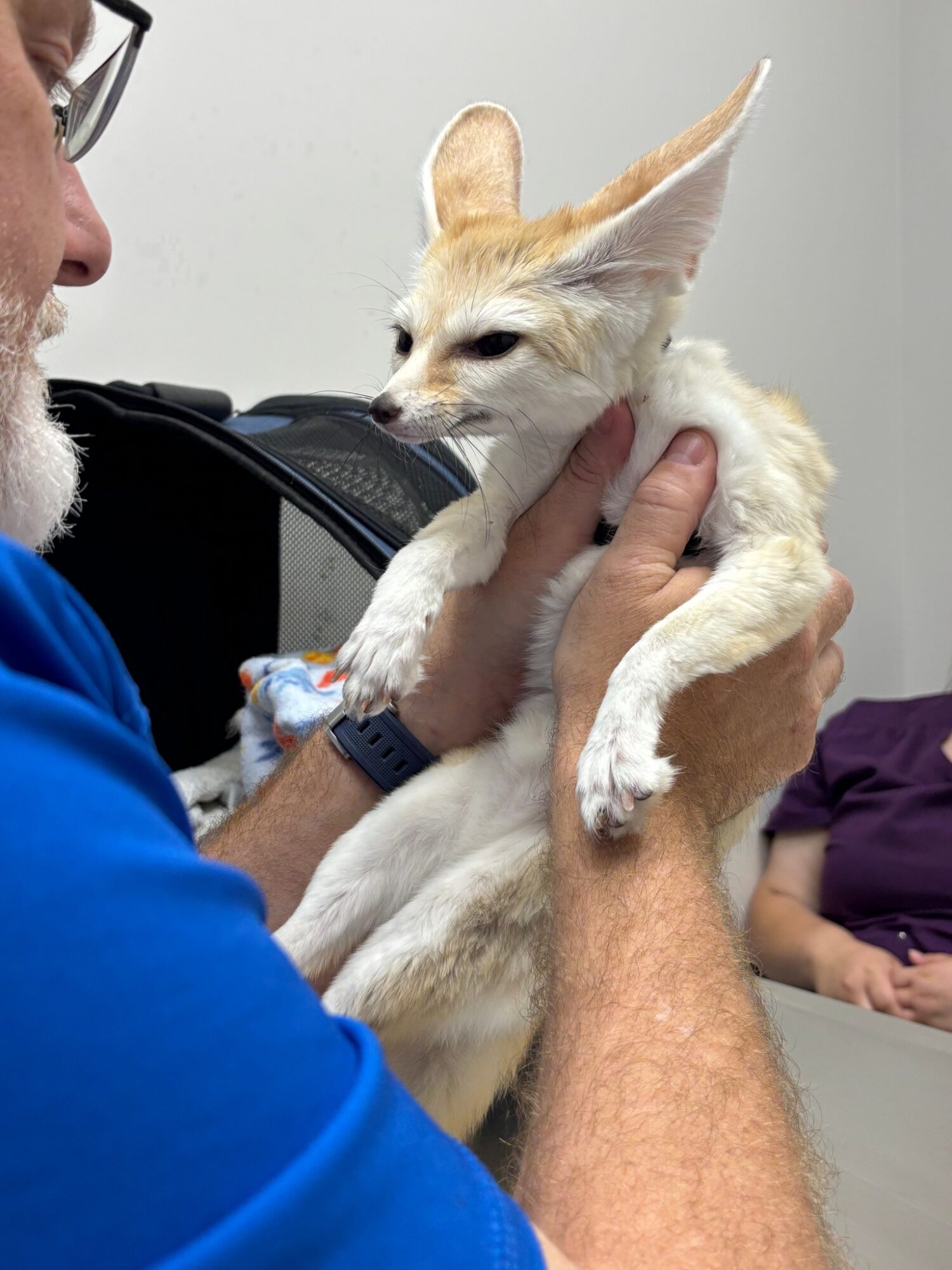
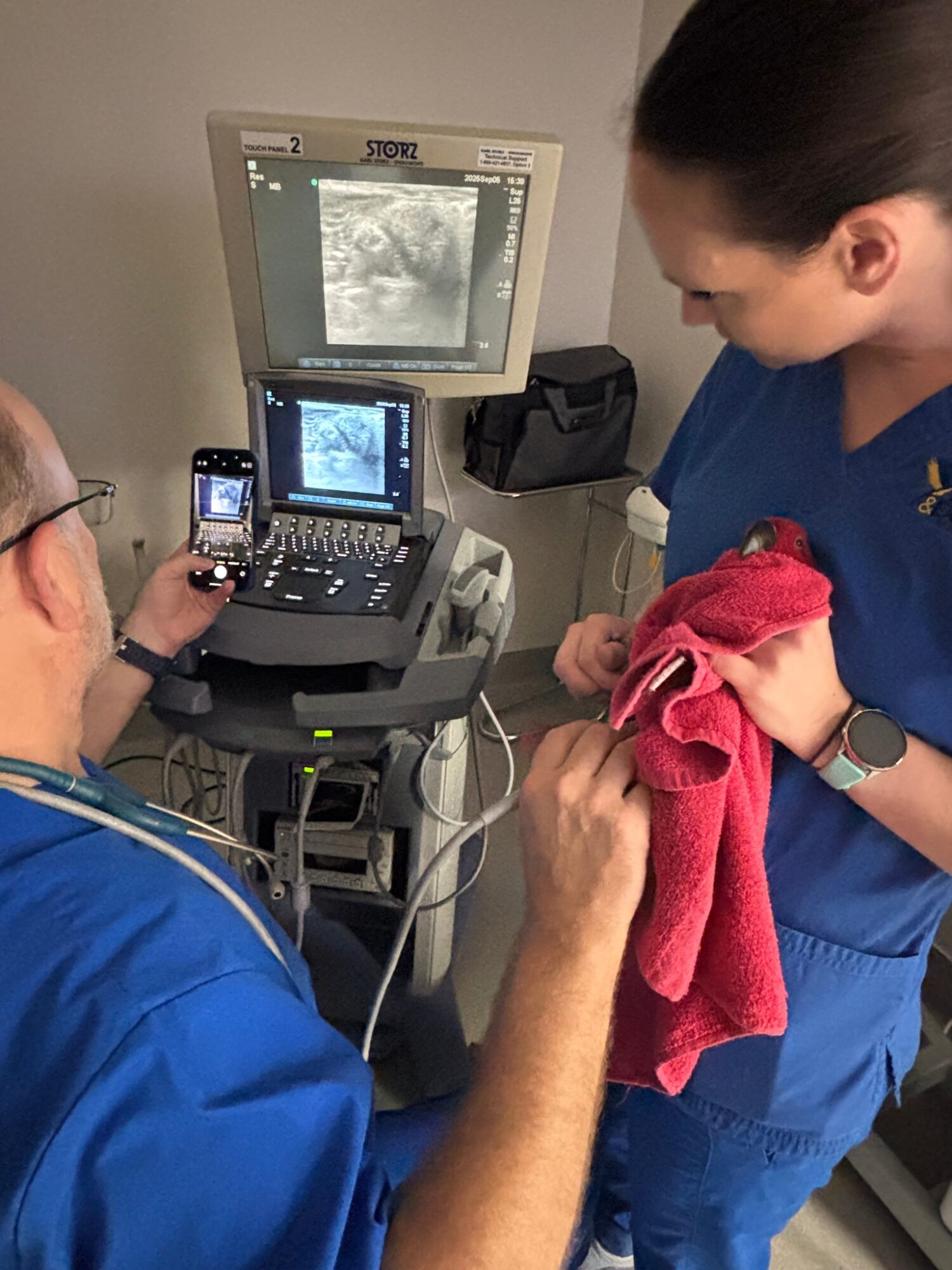
In 2002, I began my zoo career at the San Antonio Zoo as a senior staff veterinarian before moving up to become the director of veterinary care and then the senior director of veterinary care. After 22 years, I retired from the Zoo and became the Medical Director at the new South Texas Avian & Exotics Hospital in San Antonio, TX. This facility sees 100% exotic animal species including: aquatics, amphibians, reptiles, birds, pocket pets, and other exotic mammals such as capibaras, sloths, kangaroos, etc. We are the ONLY exotic exclusive specialty veterinary hospital in all of South, Central, and West Texas.
I am a Diplomate of the American College of Zoological Medicine and one of the first Diplomates of the Reptile and Amphibian Practice category of the American Board of Veterinary Practitioners. I have also decided to delve into the realm of Traditional Chinese Veterinary Medicine and obtained my Certificate of Veterinary Acupuncture. As a personal hobby, I have kept and bred dozens of species of reptiles including chameleons, snakes, geckos, tortoises, etc.
In 2022, I was recognized by the Texas Veterinary Medical Association as the Non-Traditional Species Practitioner of the Year. I was also a 2021 finalist in the national American Humane Hero Veterinarian of the Year awards. In 2024, I was selected as an Outstanding Alumni for Texas A&M University’s College of Veterinary Medicine.
I have held has held membership and leadership roles in several professional organizations, including the Association of Reptilian and Amphibian Veterinarians, the American Association of Zoo Veterinarians, the American College of Zoological Medicine, and the American Board of Veterinary Practitioners.
Would you say it’s been a smooth road, and if not what are some of the biggest challenges you’ve faced along the way?
Throughout my career, there have been some of those ups and downs. I always tell my students to have the 2 P’s – Patience and Perseverance. With that, you will be told no or you cant do that more than you are told yes….and if vet medicine (in my case exotic animal medicine), then you have to push through it all and find your goals.
Veterinary medicine is not an easy career field with the vast majority of the public not realizing or understanding what we go through on a day to day basis. Clients sometimes have unrealistic expectations (and lack of patience) and take unwarranted frustrations out on the staff and veterinarians. Unfortunately, veterinarians and dentists top the professions chart for the highest suicide deaths and substance abuse cases. There are unbelievable horror stories out there of cyberbullying, harassment, etc. that can be found in the news outlets online.
The other advice that I give to my students is related to the above:
1. Sports hobby – get your body and mind going somewhere else and burn off any stress or emotions
2. Dexterity hobby – find a crafting or skill that uses your hands. Veterinarians need there hands for so many things with physical exams, surgery, etc.
3. Brain hobby – Board games, video games, reading/writing, puzzles….all to reset your brain
Thanks – so what else should our readers know about your work and what you’re currently focused on?
Sorry I guess I put this part in the prior section!
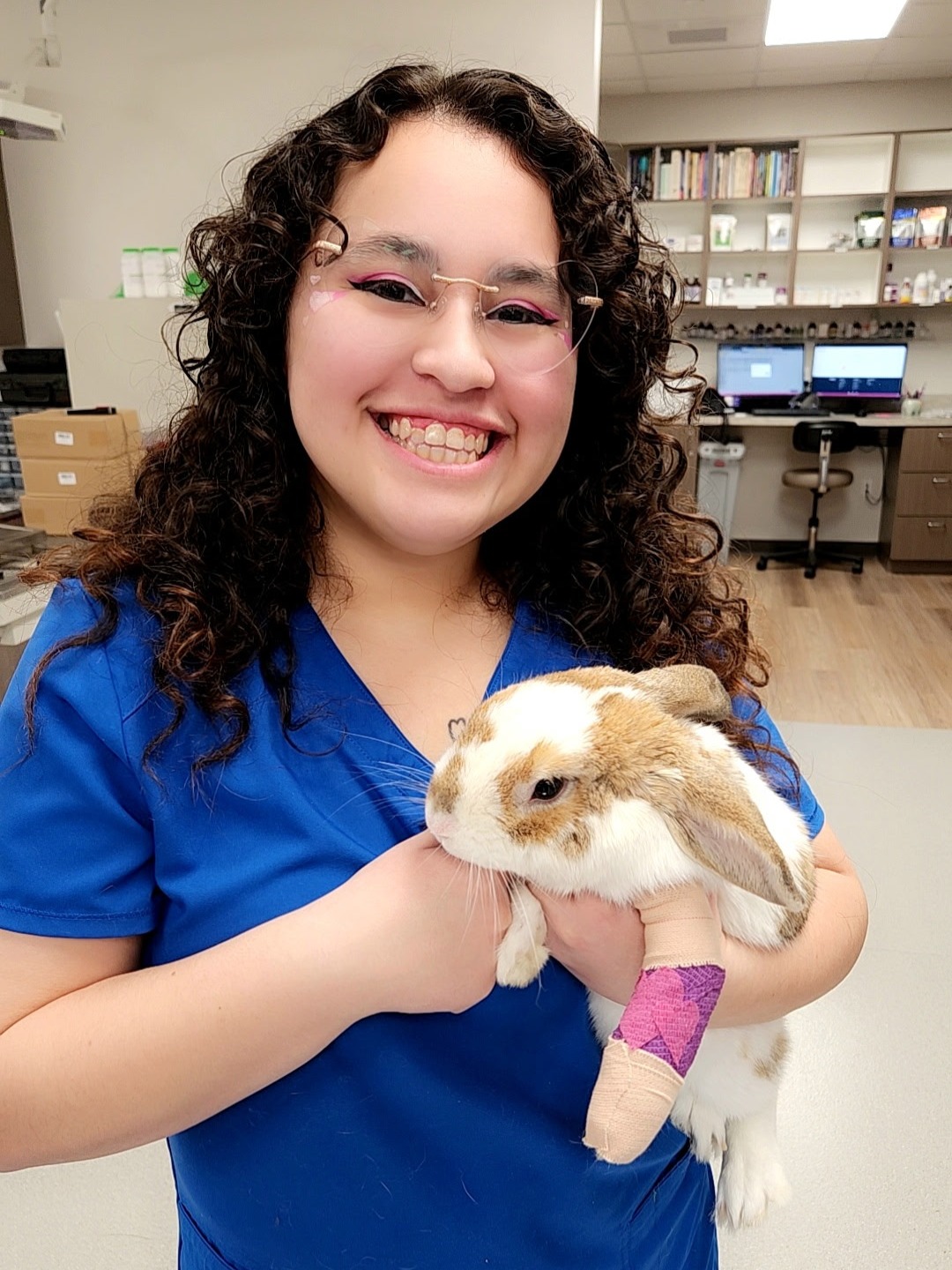
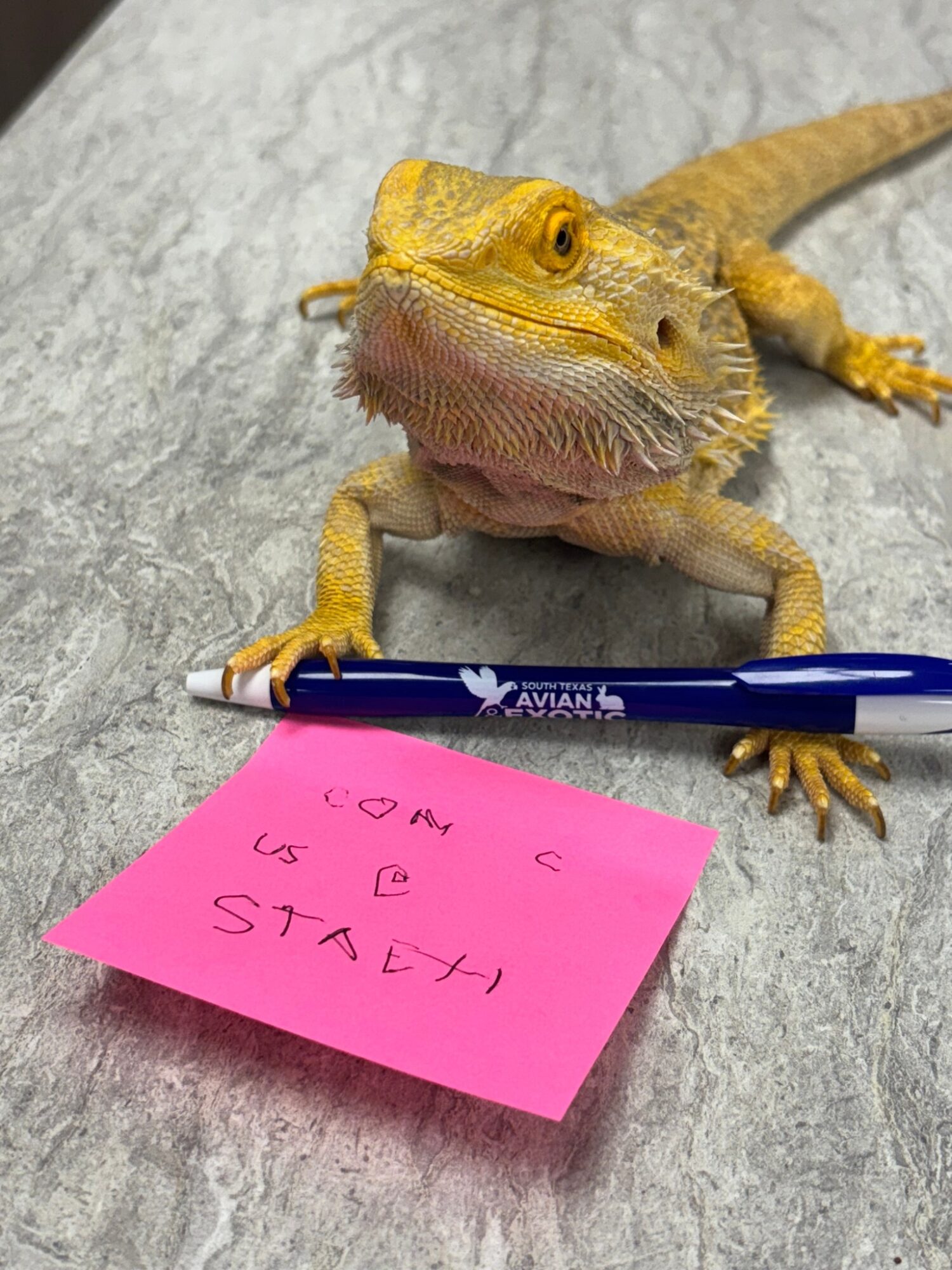
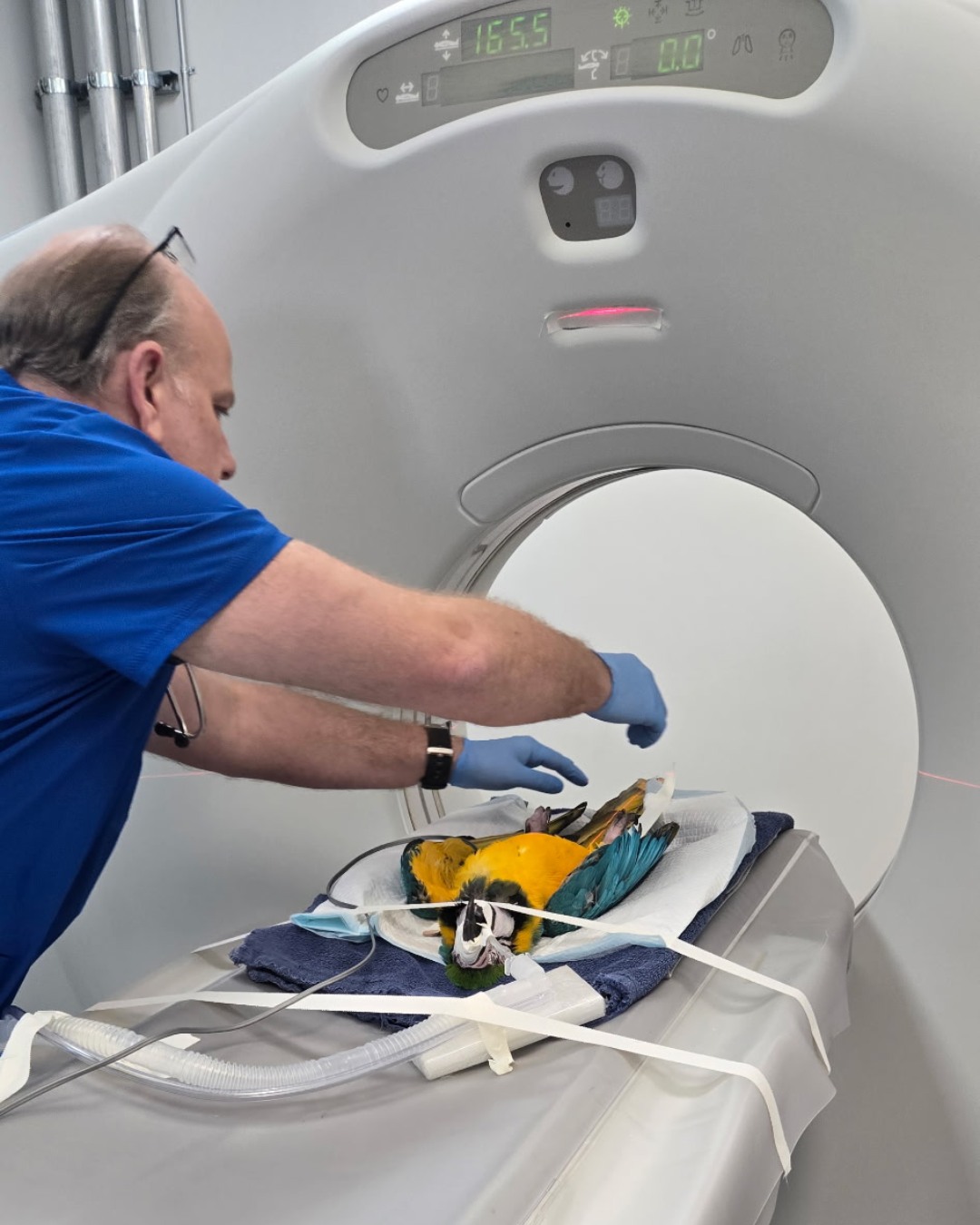
Our veterinary hospital is very unique as we do NOT see any dogs or cats (or horses, cows, sheep, goats, etc.) We see the other 2 million some odd species in the world! Human doctors have just one species to worry about, bah! Joking aside, I love the variety of the animals we can see in one day. We can go from an exam on a tarantula having a molting problem, to a fish having balance issues, a constipated tortoise, a snake with a skin infection, a chameleon having problems laying her eggs, ferret with diarrhea and hair loss, a guinea pig with pneumonia, a rabbit with an inner ear infection needing a CT scan, a capuchin monkey for a neuter, and a sloth with a belly ache…….
I am proud of our clinic that we are here to educate our clients and provide them with the best quality care that we can.
Any advice for finding a mentor or networking in general?
For pre-vet students, I tell them to talk to the vet that they take their pets to and ask them the why and the how did they get to where they are. Then I would expand that to other vets in the area. Depending on the clinic, see if you can volunteer to get experience and to “really” see the inside of veterinary medicine.
I started out working for a clinic who had a pet store attached and each summer worked in different areas of the facility where they needed me. In hindsight, I’m so thankful of that experience of working almost every position in a vet clinic as I understand everyone’s role much better having seen them first hand.
Pricing:
- $145 for the exam – which is higher than the average clinic, but this is with a DOUBLE boarded specialist with decades of experience.
Contact Info:
- Website: https://www.southtexasavian.com/
- Instagram: https://www.instagram.com/southtexasavianexotics/
- Facebook: https://www.facebook.com/SouthTexasAvian
- Other: https://www.google.com/maps/place/South+Texas+Avian+%26+Exotic+Hospital/@29.5208276,-98.460376,15z/