




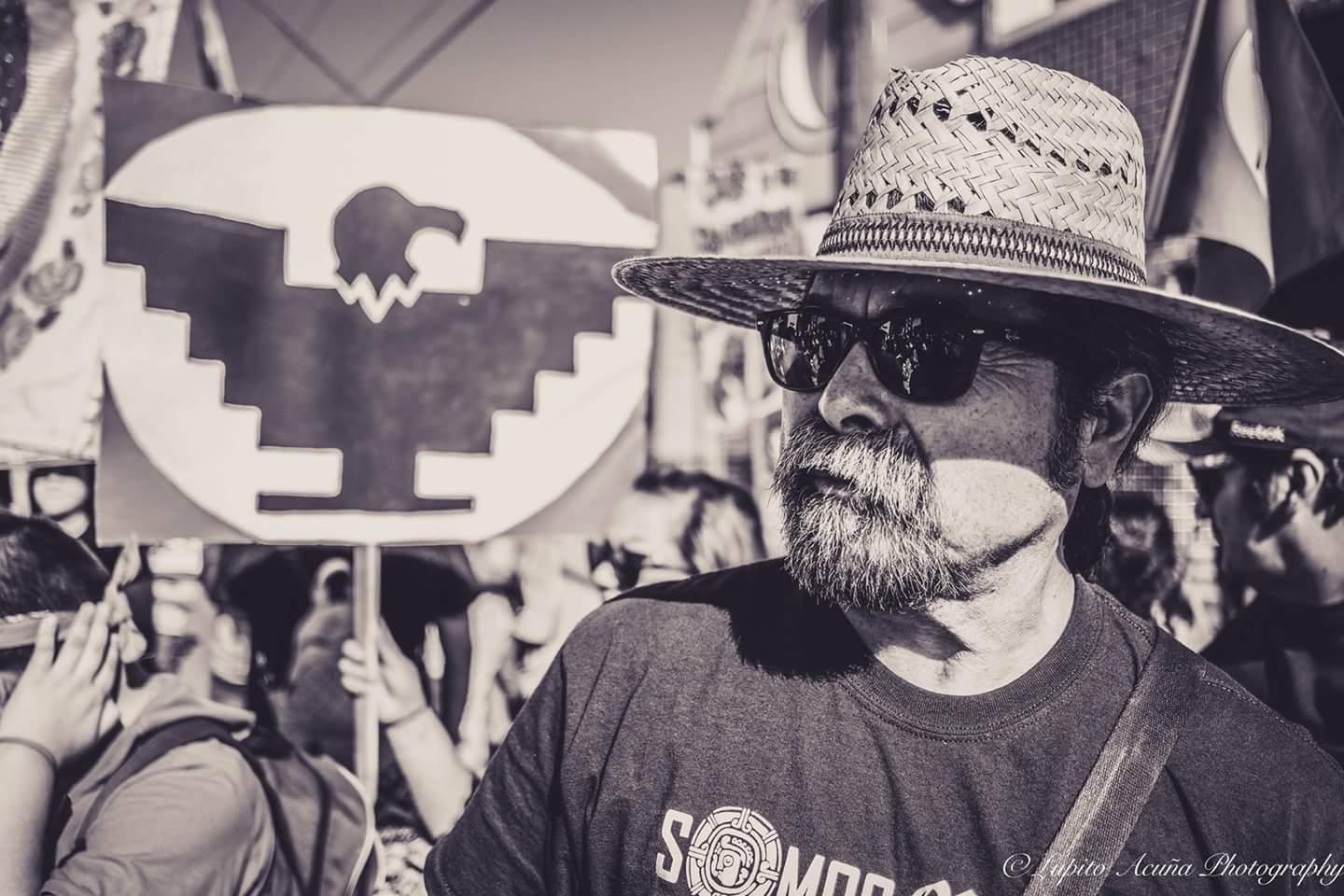
Today we’d like to introduce you to Juan Tejeda
Hi Juan, so excited to have you on the platform. So before we get into questions about your work-life, maybe you can bring our readers up to speed on your story and how you got to where you are today?
I was born and raised in Yanaguana/San Antonio, Texas, went to St. Leo the Great Catholic School from 1st-8th grades, then attended and graduated from Central Catholic High School in 1972. Subsequently, I was accepted as a freshman at the University of Texas in Austin where I became involved in the Chicano Civil Rights Movement and began taking all of the Chicano/Mexican American Studies courses that I could. During my time at UT, from 1972-1978, I got involved with various organizations including the Mexican American Youth Organization, the Chicano Art Students Association and LUChA/League of United Chicano Artists. It was during these formative years that I began writing and publishing, formed my band, Conjunto Aztlan, and became the Jefe Segundo (second in command) of Xinachtli, the first traditional Mexica-Azteca Conchero dance group in Texas. From 1976-1980, I was the Director of the Festival Estudiantil Chicano de Arte y Literatura, which was an arts and literature project for students from Pre-K-12th grade in the Austin Independent School District. And in 1978, I received my Bachelor of Arts in Ethnic Studies with a concentration in Mexican American Studies (MAS) from UT Austin.
Upon my return to San Antonio in 1980, I worked as the Xicano Music Program Director at the Guadalupe Cultural Arts Center for eighteen years until 1998. Part of my duties included implementing Conjunto, Mariachi and other music classes in the community; founding and directing the annual Tejano Conjunto Festival en San Antonio; coordinating the Guadalupe’s Performing Arts Series; and editing most of the center’s publications, amongst them the GCAC Newsletter and Tonantzin quarterly magazine.
After I left the Guadalupe, I received a Master of Arts degree in Bicultural Studies from the University of Texas in San Antonio in 2000 and was hired by them to teach Mexican American Studies in their Bilingual/Bicultural Program. In 2002 I was hired by Palo Alto College in San Antonio to create and develop a Conjunto Music Program, and subsequently sat on the statewide committee to make Mexican American Studies a Field of Study, which allowed community colleges across Texas to be able to offer courses and an Associate of Arts degree in Mexican American Studies. I taught MAS and music courses and served as the Advisor-of-Record for the AA degree in MAS at Palo Alto College, and in 2014, established the Center for Mexican American Studies there. I retired from Palo Alto College in 2016.
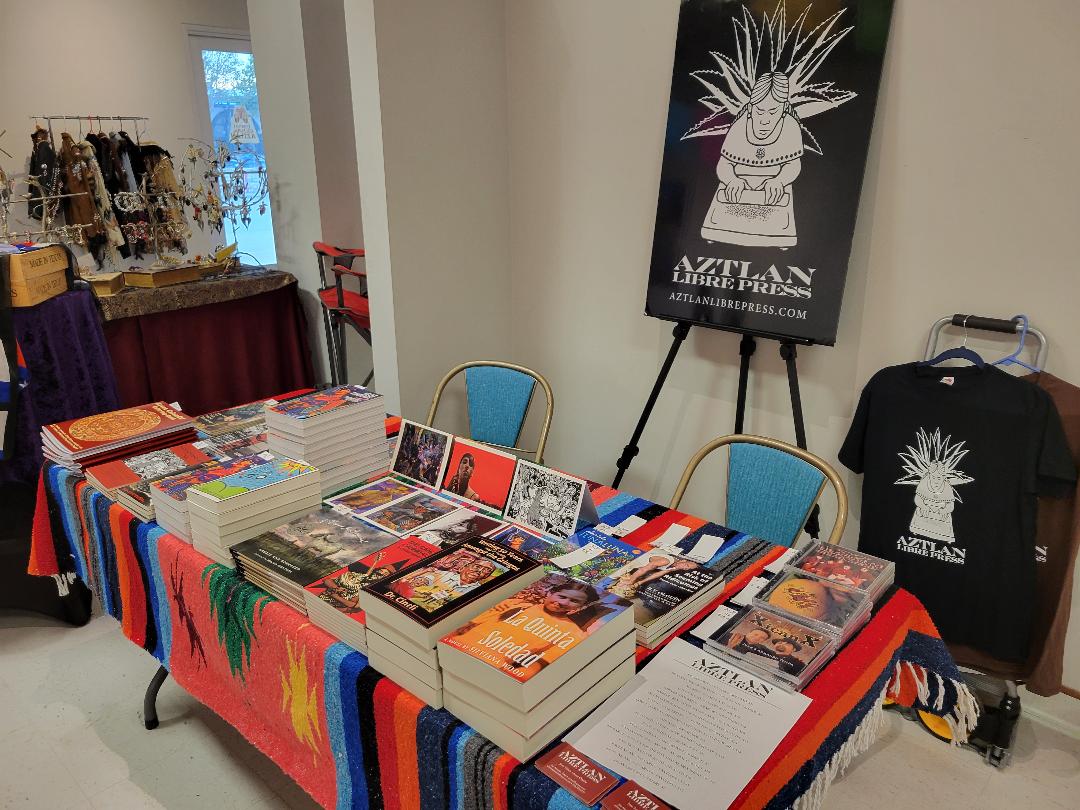
My wife, Anisa Onofre, and I began Aztlan Libre Press, a small, independent press based in Yanaguana that is dedicated to publishing and promoting Indigenous/Xicanx literature and art, in 2010. To date, we have published sixteen books, by sixteen different authors, and seven Xicanx Art Note Cards, Three of our books have won awards: “A Crown for Gumecindo” by former San Antonio and Texas Poet Laureate, Laurie Ann Guerrero, won the Institute of Texas Letters Helen C. Smith Best Book of Poetry in 2016; “The Cancion Cannibal Cabaret & Other Songs” by Amalia Ortiz won the American Book Award in Oral Literature from The Before Columbus Foundation in 2020; and “Writing 50 Years mas o menos Amongst the Gringos” by Roberto Dr. Cintli Rodriguez won the International Latino Book Awards Gold Medal in the Raul A. Yzaguirre Best Political/Current Events category in 2022. Also, “Pandemia & Other Poems by Edward Vidaurre was selected as one of the Finalists in the Best Book of Poetry category from the Writers’ League of Texas in 2020. Our latest book, “From Here to There and Back/Three Short Stories & A Poem” (2024) by Jesse Manciaz/Xam’le Kuiz, was published by Yanaguana Press, an imprint of Aztlan Libre Press.
In February, 2024, my book, “Mi Carnal Frank/A Family Memoir and Biography of U.S. Congressman Frank Mariano Tejeda Jr. 1945-1997,” was published by FlowerSong Press. Recently it won the Members’ Choice Award from the Tejano Genealogy Society of Austin.
I am a father of three children: Zitlalli Aztlan Libre, Juan Francisco Tonatiuh, and Maya Quetzalli. I continue playing music, writing, and publishing.
Alright, so let’s dig a little deeper into the story – has it been an easy path overall and if not, what were the challenges you’ve had to overcome?
I have felt the weight and struggles of being a Xicano, or Mexican American – that is, an American Indian/Mexicano within the United States of America – and the stigma of being from a poorer family, belittled and discriminated against because the color of my skin, punished for speaking Spanish in school, ashamed of eating tacos at lunch, and made fun of for playing the button accordion. I wasn’t the smartest kid in the barrio, more like a little better than average, but I managed to get accepted to the University of Texas in Austin. I didn’t win any scholarships or grants, so I had to take out loans the first couple of years, until the Army finally made my father 100% disabled from the wounds he suffered in WWII and I became eligible for veteran’s dependents educational benefits. I struggled at the university and changed my major about five times, but I was able to graduate with my BA degree in Ethnic Studies with a concentration in Mexican American Studies.
As I began working as a student, artist/musician, and arts administrator in Austin, there were financial woes and growing pains with the organization LUChA/League of United Chicano Artists. Upon returning to San Antonio in 1980 after I received my degree, I began working with the organization that would become the Guadalupe Cultural Arts Center. During the 18 years (from 1980 to 1998) that I worked there, first as a Mariachi Project Director, then, after the first year, the Xicano Music Program Director, we built that organization from a small community-based organization to one of the largest and most successful Chicano cultural arts organizations in the nation with programs in music, literature, dance, drama, the visual arts, and film/video. Along the way, there were various problems that we had to overcome with both the board and staff; funding decisions; political ideologies, and the direction the center should be working towards. There have been many ups and downs for the center and changes of personnel, but after 44 years, the Guadalupe still lives and is providing much-needed arts and cultural services and educational programs for the community of San Antonio.
The same is true for the Center for Mexican American Studies (CMAS) at Palo Alto College in San Antonio. I helped build the Associate of Arts degree program in Mexican American Studies (MAS) and established the CMAS there at the college. It was a struggle and a process to build the MAS program and the center which took years and the dedication of many people to accomplish. We had to develop a promotional campaign and strategies to reach the students and let them know about the MAS classes and degree program, and get them enrolled in these courses. Student enrollment went from two courses per semester, to nine courses that were making per semester when I retired in 2016. The MAS AA degree and Center for Mexican American Studies at Palo Alto College still exists, though it has also had its personnel problems and lack of support from the administration, but this year in 2024, the ten-year anniversary of the founding of the Center for Mexican American Studies, they opened new offices for CMAS, which bodes well for the future of the program.
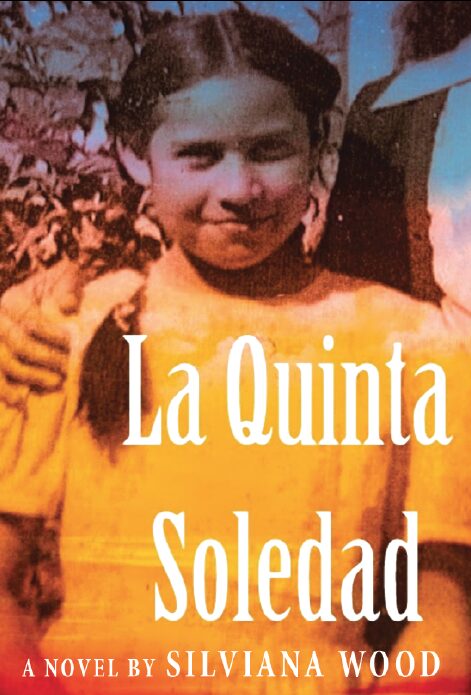
Since my retirement from Palo Alto College in 2016, I have focused on my music, writing, and our pubishing ventures with Aztlan Libre Press. As a small, independent press that is dedicated to the publishing and promotion of Native American Indian/Xicanx voices, literature and art, there have been many challenges. For one, it is just my wife and I that do the work for Aztlan Libre Press, and we do it on a part-time basis, and we don’t really pay ourselves for press work (maybe $500 sometimes at the end of the year). We decided many years ago that we would only publish one book per year, so that we can give that book and the author some publicity and promotion, distribution, working with the author for a national book launch and tour dates, and submitting the book for awards, etc. It’s difficult as a small press. We don’t have the budget that major publishing companies have to promote and distribute books worldwide. It also depends on the philosophy of the press. Who are you publishing for? And Why? We are a community-based press that publishes important Native American Indian/Xicanx voices and stories, not only for our people, but for the entire world. We don’t make that much money, but we have made enough to publish new authors every year (16 authors to date), and we recently inaugurated Yanaguana Press, an imprint of Aztlan Libre Press, with the publication of “From Here to There and Back/Three Short Stories and A Poem” (2024) by Jesse Manciaz/Xam’le Kuiz, a Carrizo-Comecrudo Indian from Plainview, Texas. We are also trying to get the last book, and the first novel, we published, “La Quinta Soledad” (2022) by 84-year-old award award-winning playwright from Tucson, Arizona, Silviana Wood, made into a movie, or a television series, or both. We have sent copies of the novel to Eva Longoria, another Hollywood producer and a screenwriter, and we’re awaiting a response. The work continues, little by little. It is our small contribution. We believe that the books we publish are the modern-day codexes of our people, which we leave for all future generations and all our relations/tewahayo nah’o k’tu.
Can you tell our readers more about what you do and what you think sets you apart from others?
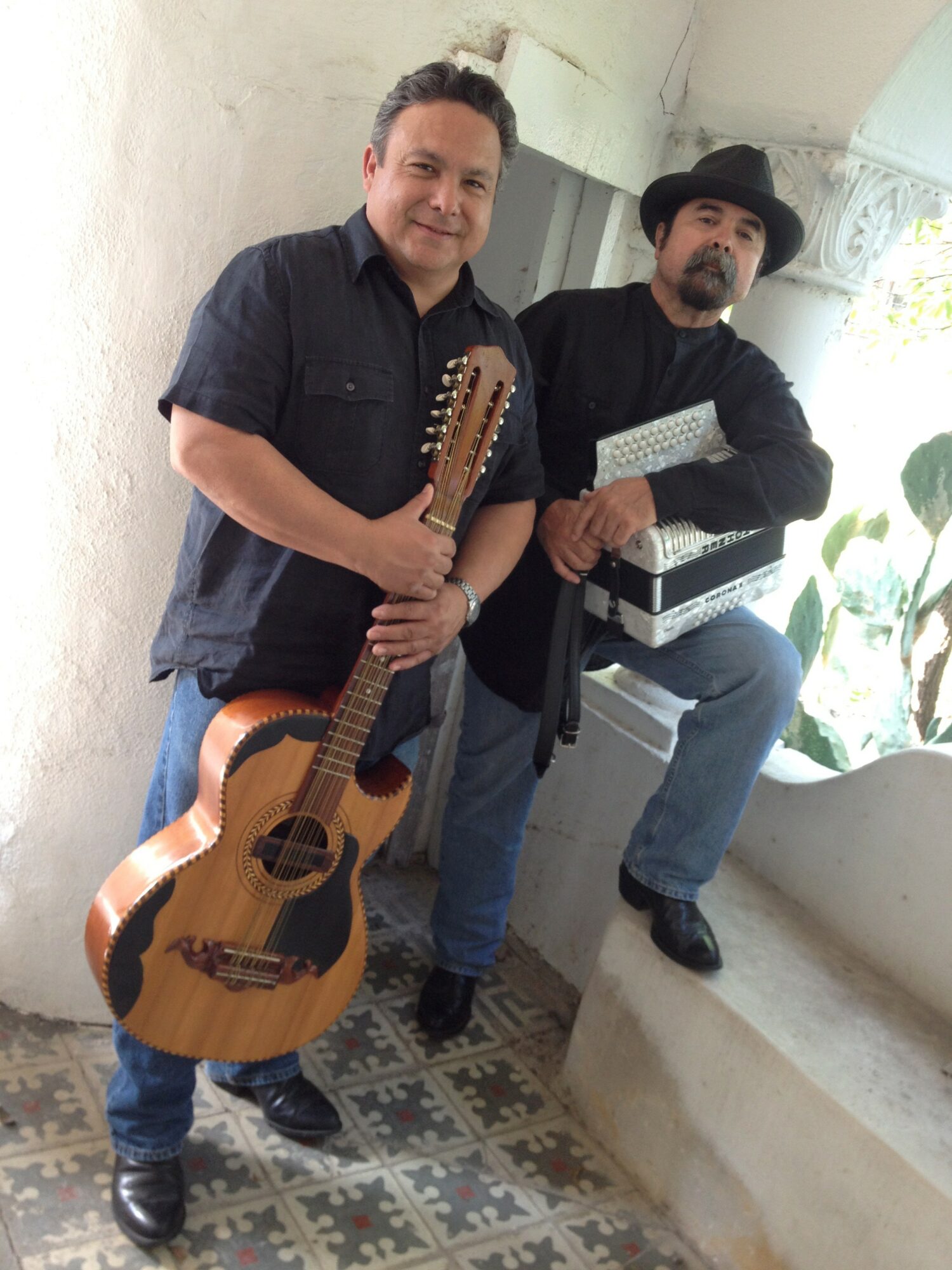
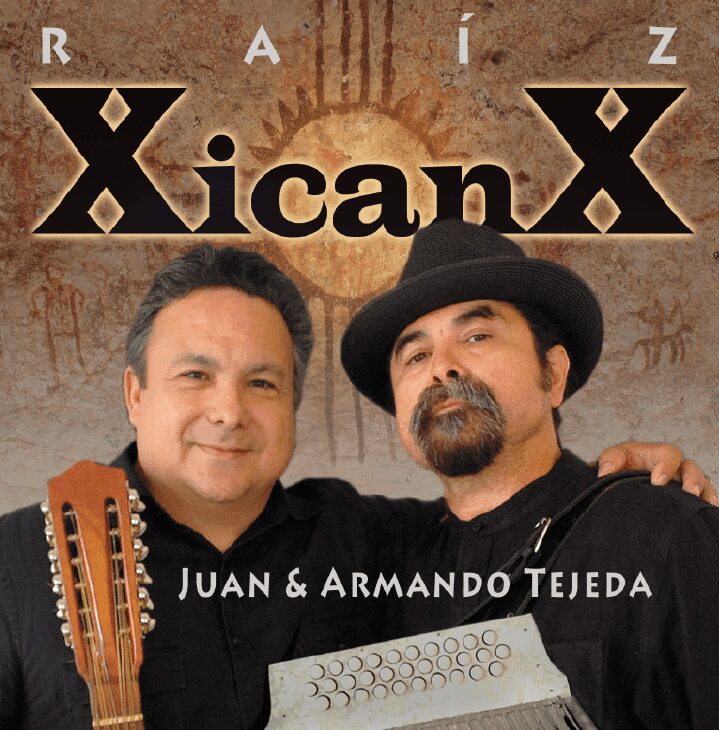
I’m a retired professor of Mexican American Studies and Music at Palo Alto College in Yanaguana/San Antonio, Texas, a musician, writer, arts administrator, ex-Jefe Mexica-Azteca Conchero dancer, activist and publisher. I’ve been very blessed to have a diverse career in the arts and Mexican American Studies, which I feel go hand-in-hand. I’m a Tejano Conjunto musician and play the button accordion. Lately, I’ve been playing more with my primo hermano (first cousin) Armando Tejeda, who plays the bajo sexto guitar, as a traditional Conjunto duet.
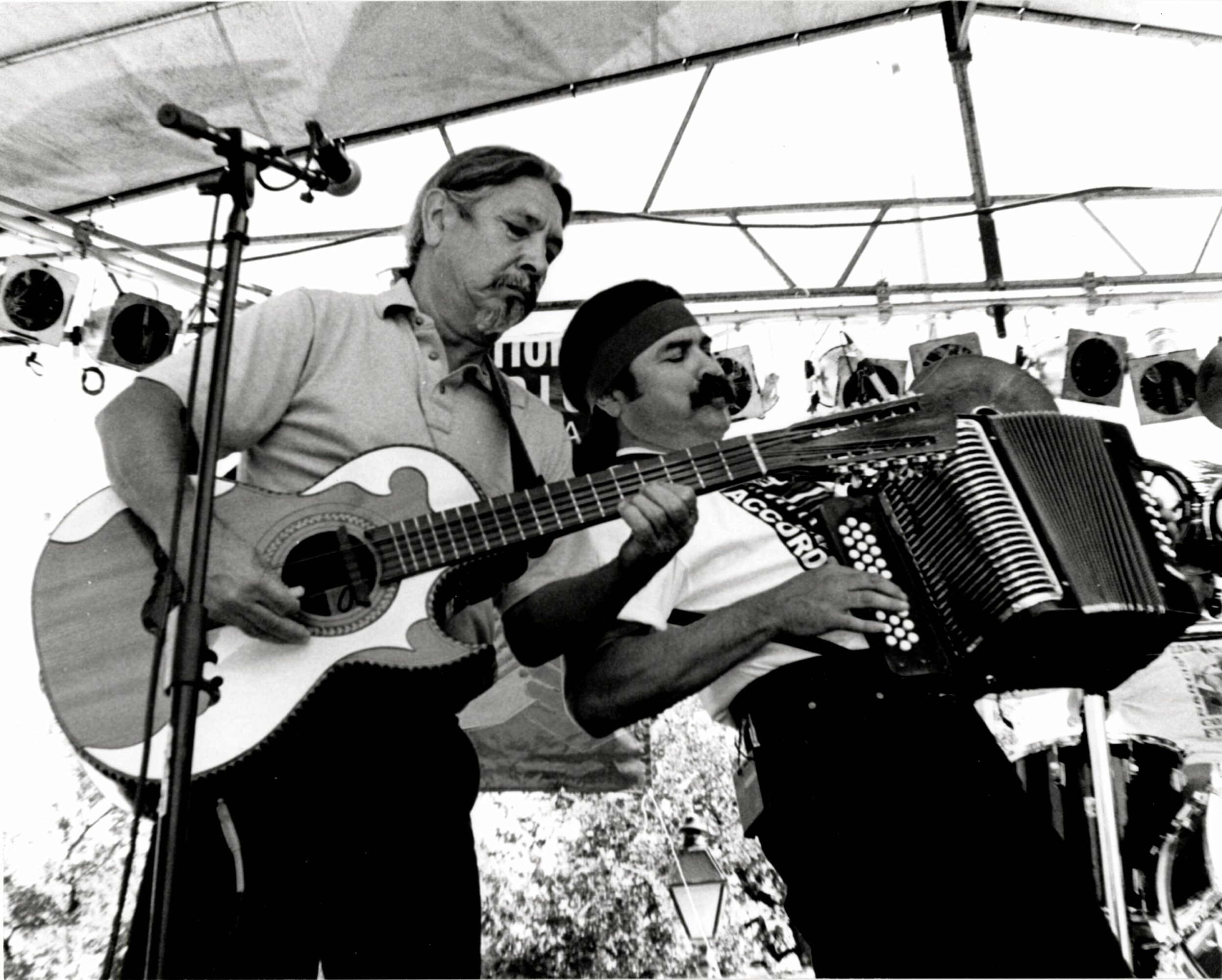
In the mid-70s, during the Chicano Civil Rights Movement, we formed our band, Conjunto Aztlan, while at the University of Texas in Austin. We called ourselves a Conjunto del Movimiento Chicano, and played traditional Tejano Conjunto Music, combined with Chicano Movement Protest Music, Indigenous Cantos and Latin American music, and even some cumbias, blues, salsa and jazz. We traveled all over Texas and the U.S. performing dances, concerts and cultural celebrations for many years and gained an underground following. We still have periodic reunions at certain significant events and places. Conjunto Aztlan last performed at the Mexic-Arte Museum in Austin at their “Chicano/a Art, Movimiento y Más en Austen, Tejas 1960’s to 1980’s” exhibit in 2022.
This year, in 2024, FlowerSong Press published my book, “Mi Carnal Frank/A Family Memoir and Biography of U.S. Congressman Frank Mariano Tejeda Jr. 1945-1997,” which chronicles my oldest brother,’s, Frank’s, life and service as a Marine, decorated Vietnam veteran, and career as a politician and legislator, first as a Texas State Representative, then State Senator and U,S. Congressman. I’ve been on a book tour this fall where I’ve incorporated my cousin Armando and some Tejano Conjunto Music into the book readings that culminate in a discussion and book signing.
I will probably be remembered most as the person who started the Guadalupe Cultural Arts Center’s Tejano Conjunto Festival en San Antonio, which is known worldwide and is the first and longest-running Tejano Conjunto Music Festival in the world. The 43rd Annual Tejano Conjunto Festival en San Antonio will take place in May, 2025. I am still on contract with the Guadalupe as a mentor, consultant and advisor to the Conjunto Fest, and we’re already working on next year’s event.
One of the things I am most proud of are the thousands of students and community people who have learned how to play the button accordion and bajo sexto, as well as mariachi music, through our community music classes at the Guadalupe Cultural Arts Center. Many of these students are now playing professionally and carrying on the traditions of Conjunto and Mariachi Music for future generations.
I think that what sets me apart from others is that I’ve had a variety of experiences in the arts and Mexican American Studies, as a musician, danzante, and writer, as well as an arts administrator, activist, publisher and professor of Mexican American Studies and Music.
Do you have recommendations for books, apps, blogs, etc?
Too many to mention. But there are a couple of podcasts I listen to every now and then: “Tales from Aztlantis” and “Nosotros with Elaine Ayala.” I have a book collection of over 1,000. The latest books I’ve read are “A Street of Too Many Stories” by Denise Chavez, “Maestra” by Angelina Saenz, and two books by Dagoberto Gilb, “New Testaments” and “a passing west.” They’re all great.
Contact Info:
- Website: juantejeda,net and aztlanlibrepress.com
- Facebook: https://www.facebook.com/juanctejeda/ https://www.facebook.com/AztlanLPress
- Twitter: https://x.com/AztlanLPress