



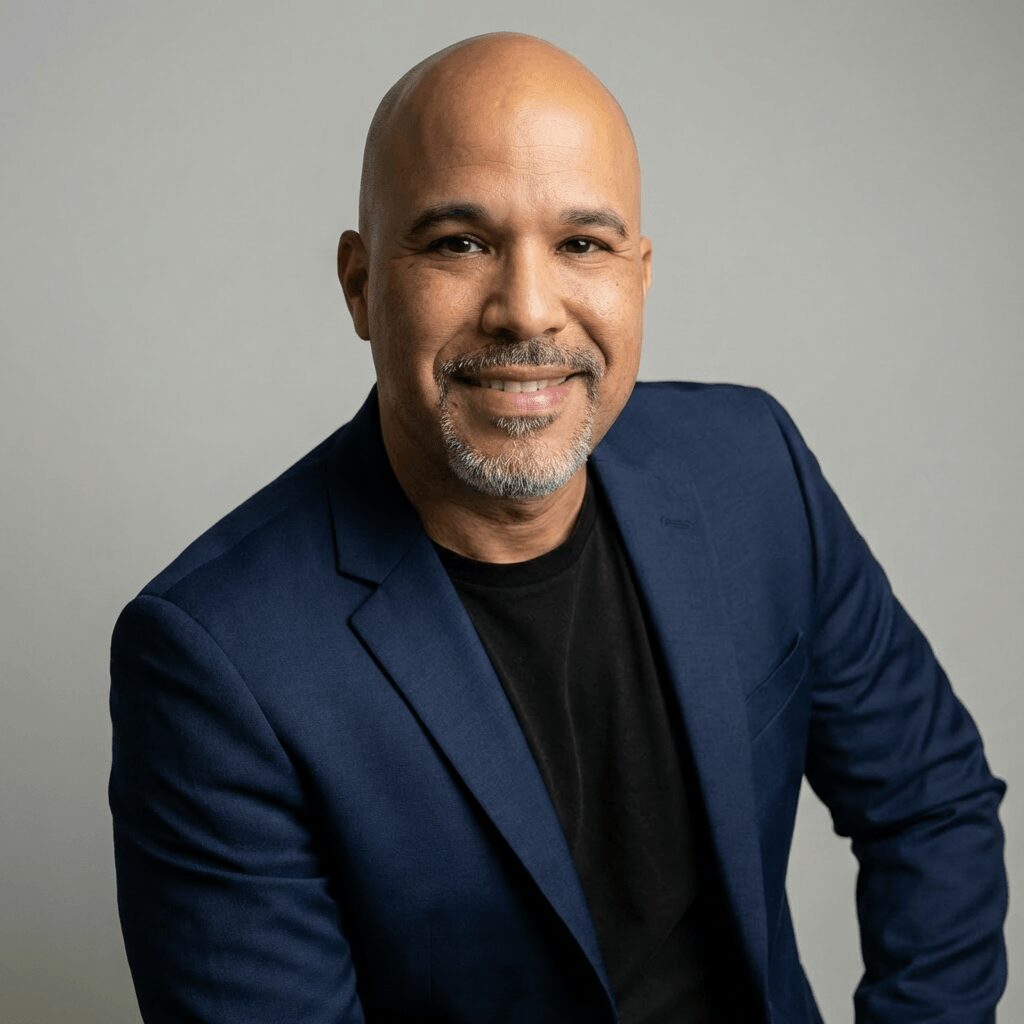
Today we’d like to introduce you to Arturo.
Alright, so thank you so much for sharing your story and insight with our readers. To kick things off, can you tell us a bit about how you got started?
I grew up with strong Texas roots. I earned my Master of Science in Management of Technology from UT San Antonio. That program trained me in technology-enabled operations, scalable systems design, and data-driven leadership. I now leverage those exact skills to expand access to complex pediatric spine care across continents through ethical AI, strategic partnerships with medical device and implant companies, and efficient humanitarian operations.
My commitment to this work runs deep. I watched my father endure years of chronic pain and multiple complex spinal surgeries. The long waits, the stress on our family, the demanding recovery, and the profound relief when he could finally stand and move without constant agony showed me what expert care can restore. That experience is why I am drawn to SpineHope. No child should have to wait years for the same chance at mobility and dignity.
My journey led me to SpineHope, where I serve as Executive Director. The organization was formally founded in 2008 by Dr. Matthew J. Geck. He built on mission work that began in 2001 with early Colombia programs. What started as direct Global Outreach missions has evolved into a model that combines those trips with our domestic-HUB surgical collaboration. This approach lets us extend high-quality pediatric spine care farther and more sustainably.
Spine deformities like severe scoliosis often go untreated in under-resourced regions. Children endure progressive pain, breathing difficulties, heart strain, risk of paralysis, social isolation, and lost years of schooling or work. Families watch and wait with no local options. We are limited in closing that gap by two realities. First, only a small number of surgeons possess the specialized skill to handle these complex cases in charity settings. Second, we need more sustainable monthly donors to strengthen our lean model and expand the number of annual surgery slots in our pipeline.
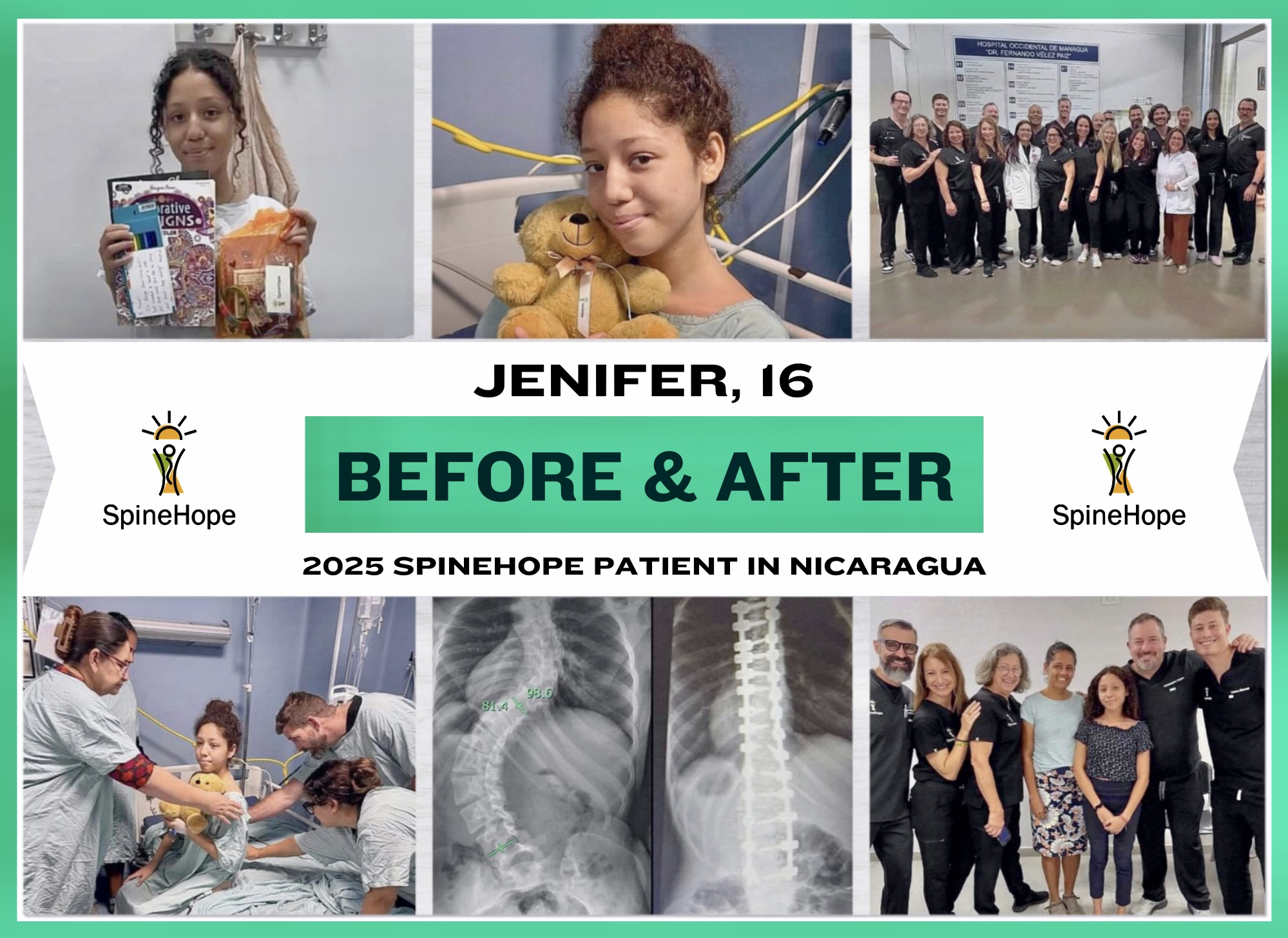
Today SpineHope delivers measurable second chances. As of our April 2026 impact snapshot, we have supported 276 surgeries and 622 clinic encounters across 11 countries. More than 340 volunteers have engaged historically. Colombia and Nicaragua stand out with the highest volumes. Colombia has seen 118 surgeries. Nicaragua has seen 58 surgeries. Our domestic-HUB work is already active in ten additional countries. We combine depth in high-volume sites with expansion into emerging locations. This proves both immediate impact and long-term scalability.
What excites me most right now is how we are responsibly layering humanitarian, ethical AI into our operations. We use it for smarter surgical program analysis, improving stakeholder response times, and operational efficiency. We aim to make our overall humanitarian operation more scalable while remaining deeply personable. This lets us mobilize our global community to ensure no family who has a child suffering from a spine deformity has to wait years to have a chance at a solution. We do not just conduct surgeries globally and domestically. We build the surgical capacity of medical teams in under-resourced nations through education, research, and immersive learning journeys.
Even though I work remotely, the story is deeply rooted in San Antonio. It runs from my UTSA days to the many San Antonio medical volunteers who have served on our teams. My family calls San Antonio home and my younger brother has proudly served as a San Antonio peace officer for nearly two decades. I am proud that SpineHope benefits from dedicated volunteers and generous donors from across the world, but the heart and the spark began with Texas connections.
At its core, my story and SpineHope’s story are the same. We turn expertise, technology, and steady generosity into restored mobility and dignity for children who need it most.
Alright, so let’s dig a little deeper into the story – has it been an easy path overall and if not, what were the challenges you’ve had to overcome?
The road has not been entirely smooth. That is true of most work worth doing.
Personally, I spent years searching for the exact place where my skills in technology-enabled operations, scalable systems, and data-driven leadership could create the greatest leveraged good. After testing my abilities across several child-serving and education environments, I kept looking for the right use case. I needed a mission where the complexity of the problem matched the sophistication of the solution I could help build. I found that alignment at SpineHope. Here the urgent needs of children with severe spinal deformities meet a technology-forward approach that can scale access to life-changing surgery.
For SpineHope, the path has required nearly two decades of patient work. Since the early Global Outreach efforts that began in 2001 and the formal founding in 2008 by Dr. Matthew J. Geck, we have built visibility in a highly specialized field. We have recruited and retained skilled surgeons, anesthesiologists, and medical teams willing to serve in charity settings. And we have developed a clear theory of change that moves global philanthropists toward sustained investment in our scalable model.
Those challenges shaped who we are today. They drove the evolution from direct Global Outreach missions into our combined Global Outreach and domestic-HUB approach. That model now reaches 11 countries with 276 surgeries and 622 clinic encounters supported as of our April 2026 snapshot. They built our volunteer base of more than 340 people and taught us how to layer ethical AI responsibly into operations for better program analysis, faster stakeholder response, and greater efficiency while staying deeply personal.
The struggles clarified our purpose. They reinforced why we must keep building sustainable monthly donor communities and expanding annual surgery capacity. Most importantly, they strengthened our conviction that no child should have to wait years for the chance at mobility and dignity that expert spine care can provide.
Alright, so let’s switch gears a bit and talk business. What should we know about your work?
I serve as Executive Director of SpineHope. I lead strategy, operations, fundraising, and brand development for a global humanitarian organization that delivers advanced pediatric spine surgery to children with severe spinal deformities in under-resourced communities.
My specialization lies in technology-enabled humanitarian operations and scalable systems design. I earned my Master of Science in Management of Technology from UT San Antonio. I now apply those skills to responsibly integrate ethical technology stacks into our work, for smarter surgical program analysis, faster stakeholder coordination, and greater overall efficiency while keeping every interaction deeply personal. I also focus on building sustainable funding models, including our major-donor giving communities, and on expanding our combined Global Outreach and domestic-HUB approach so we can reach more children each year.
I am known for turning complex challenges into clear, measurable pathways that deliver second chances. After years of searching for the right use case for my skills, I found it here, leading an organization that pairs specialized medical missions with long-term capacity building in partner countries.
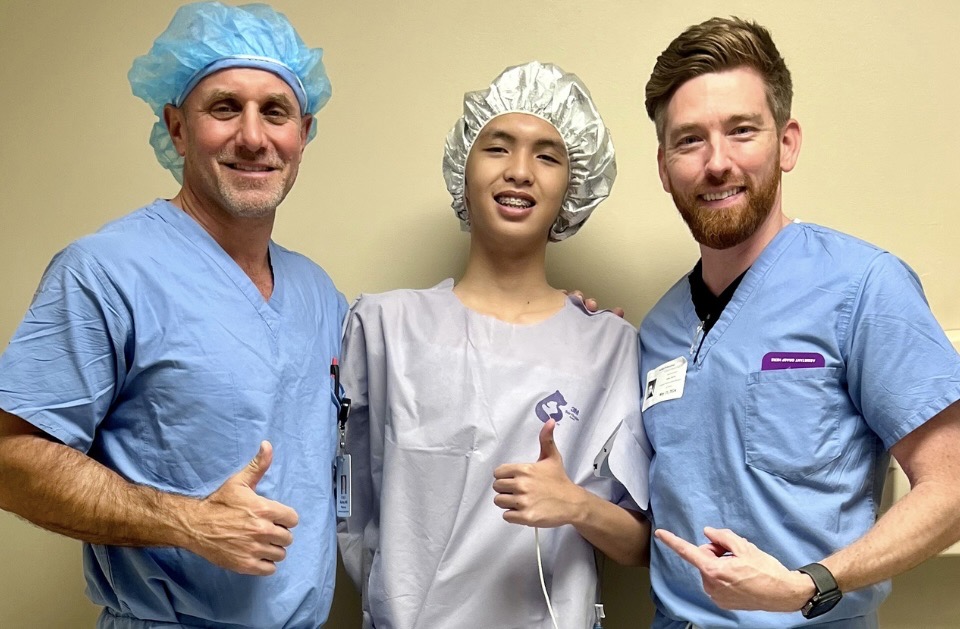
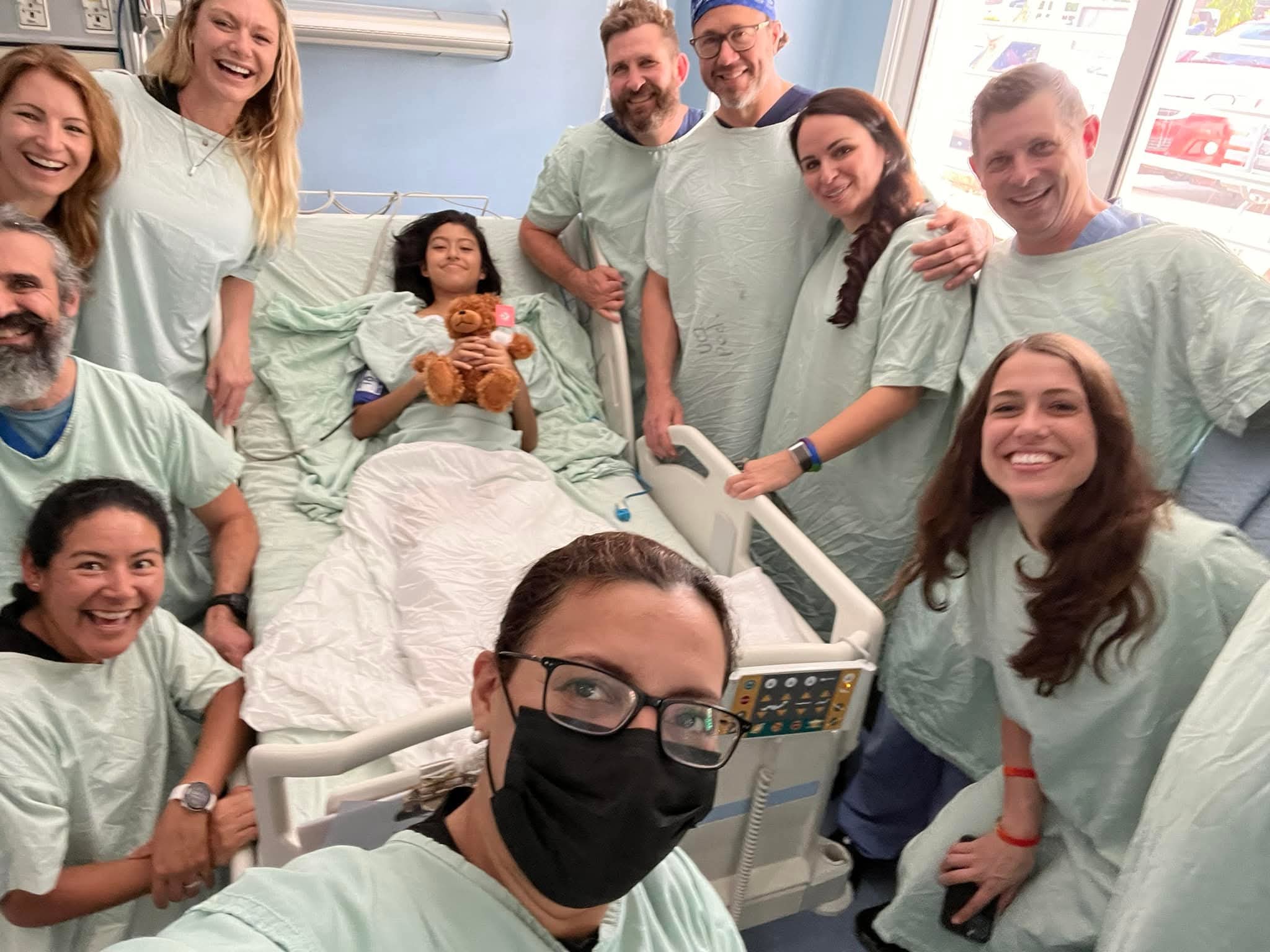
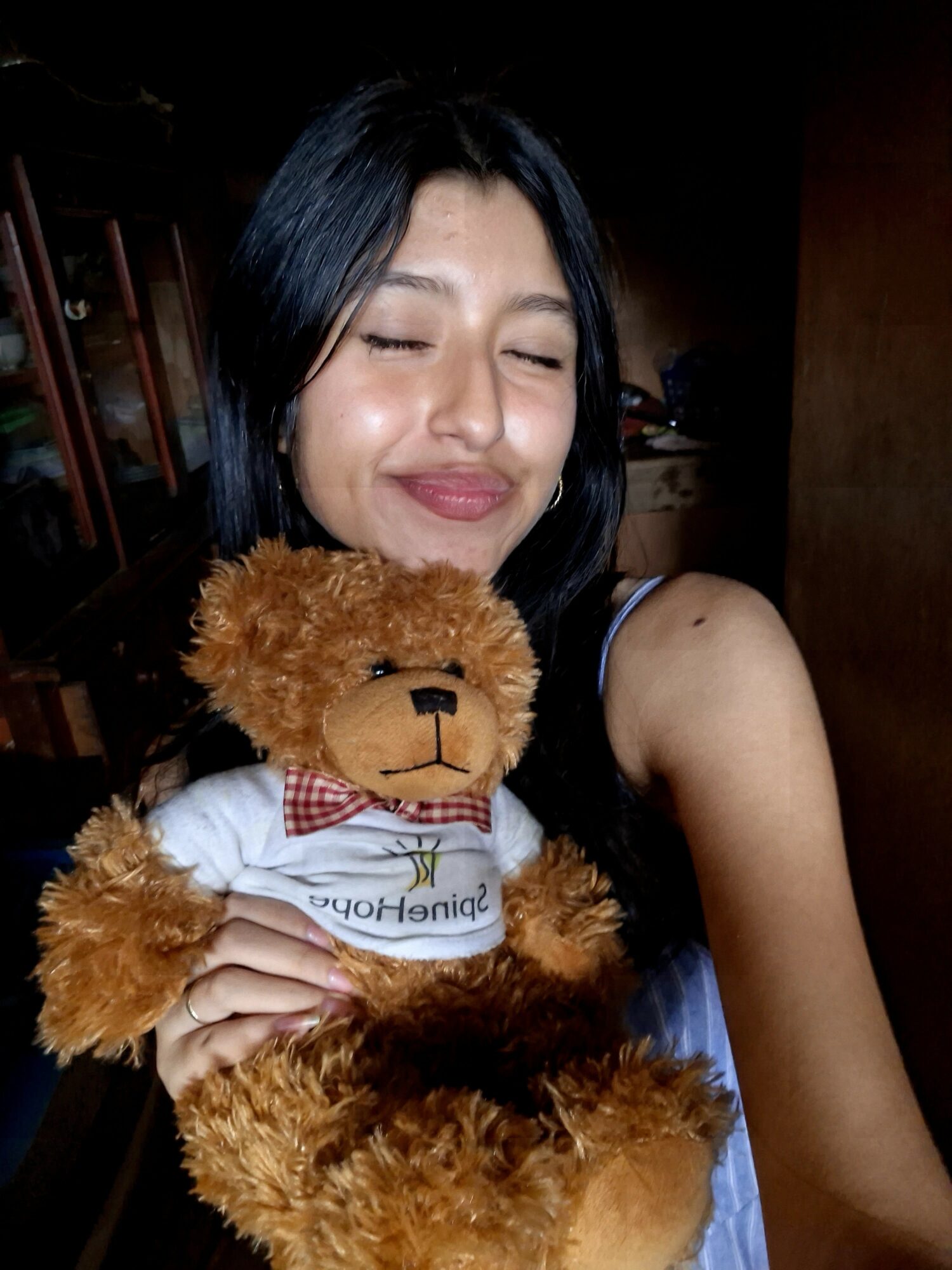
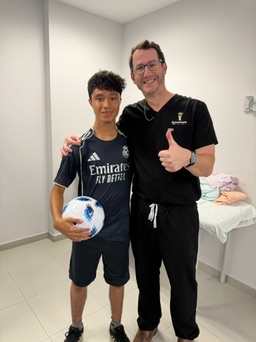
What I am most proud of is the human transformations we witness. I think of Génesis from Nicaragua, who lived with severe scoliosis and waited five long years before her surgery date finally came. After the operation she initially felt shame about her scar, but later shared that she was ready to tell her story without fear. Her mother called the scar a living testimony of everything that had happened. Moments like these, when a child who has endured years of pain and isolation can stand tall again with pride, are what drive the work. We currently have about twenty-five children in active review across several countries, each one representing a family waiting for the call that a surgery date has opened.
What sets my leadership apart is the deliberate combination of high-touch, specialized surgical care with technology-forward systems thinking. We do not simply perform surgeries. We build surgical capacity in under-resourced nations through education and immersive training while using ethical learning models to scale our operations responsibly. This allows us to stay lean and personal while pursuing our goal of treating 1,000 children by 2031 at a sustainable cost per child. Even while working remotely, my work remains rooted in San Antonio through my UTSA background and the many San Antonio medical volunteers who have served on our teams.
At its core, this work is about turning expertise, technology, and steady generosity into restored mobility and dignity for children who need it most.
What were you like growing up?
I grew up between two worlds. My earliest years were in Reynosa, Mexico. My parents worked relentlessly to give their children a path into the middle class in America. They sacrificed through long hours, multiple jobs, and constant movement so we could have opportunities they never had. Faith, family, and the belief that education was the bridge to a better life were the constants in our home.
After third grade we moved to South Texas. The transition was jarring. I went from a world where Spanish was my first language and Mexican culture was my soul to suddenly navigating an American school system in a bilingual program. I remember the cultural shock of trying to say something as simple as “have a happy day” and feeling the words stick in my throat. I became a quiet observer at first. I watched, listened, and translated, not just language, but expectations and unspoken rules. Over time that in-between experience taught me adaptability and empathy. It gave me the ability to move between different environments with respect for both.
Personality-wise, I was determined and introspective. I cared deeply about doing things well and about people feeling seen. I was the kind of kid who paid attention to systems, how things worked, or did not work, for families like mine. Faith and a strong sense of responsibility shaped me. Graduating as valedictorian of Valley View High School’s class of 1997 was never just about grades. It was about honoring the sacrifices my parents made and proving that education could open doors.
Those early years gave me a deep respect for resilience and for the power of opportunity. I saw firsthand what it means when families have to wait for the systems around them to catch up. That experience still shapes how I lead today. I build solutions that use clear systems and technology to reduce the waiting and pain families endure, and to create second chances for children who have been left behind too long.
Pricing:
- $25/month helps provide care coordination and support for children waiting for surgery
- $50/month directly supports travel and care for a child and guardian coming to a U.S. Hub
- $100/month helps sustain surgical missions — team travel, supplies, and patient support
- $250/month provides foundational support for full surgical missions and multiple children’s care journeys
- Every level helps ensure more children in under-resourced communities receive the specialized care they need to stand taller and live with greater dignity.
Contact Info:
- Website: https://www.spinehope.org/
- Instagram: https://www.instagram.com/spinehope/
- Facebook: https://www.facebook.com/SpineHope
- LinkedIn: https://www.linkedin.com/company/spinehope
- Youtube: https://www.youtube.com/@SpineHope
- Other: https://www.linkedin.com/in/utartserna/