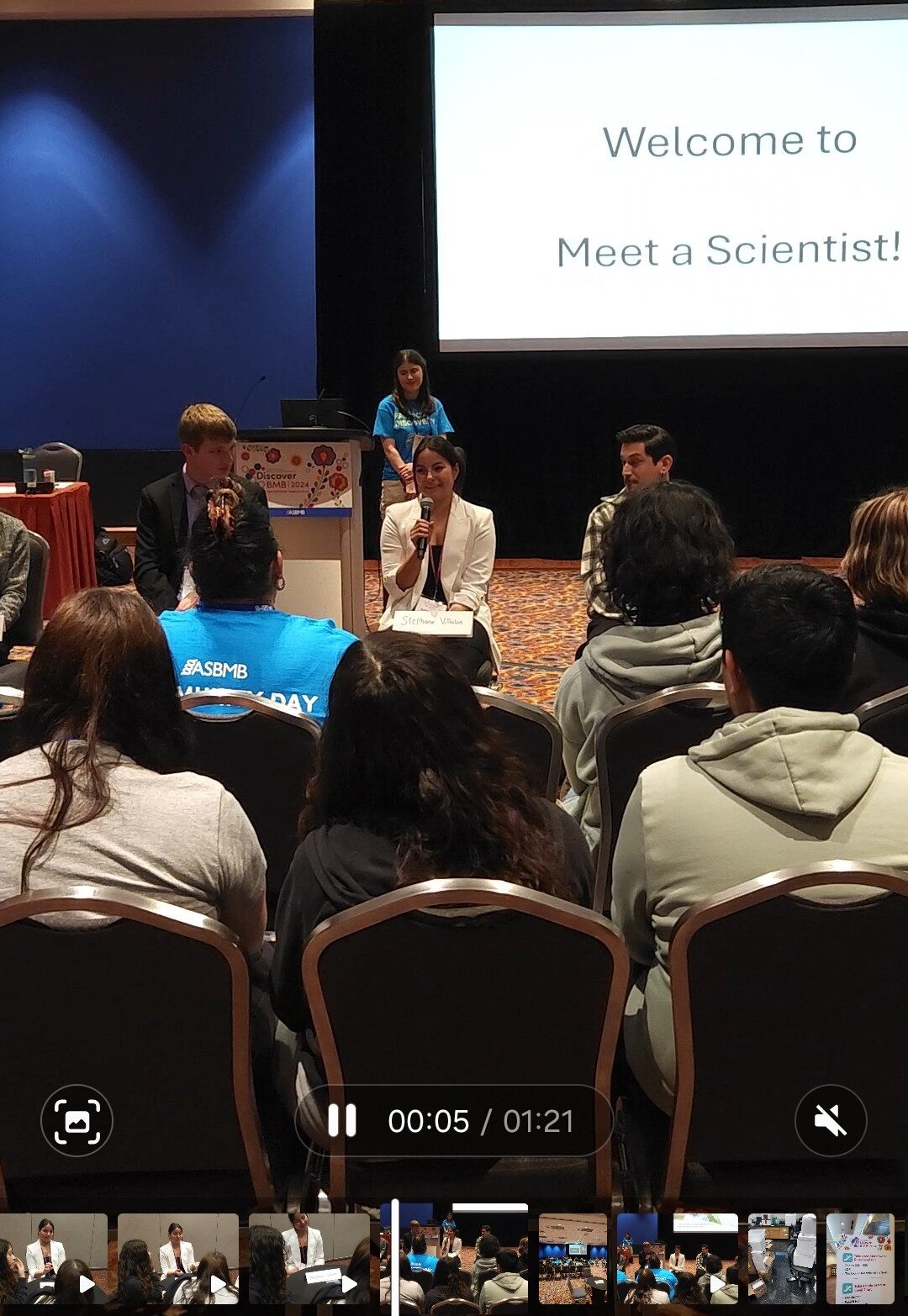





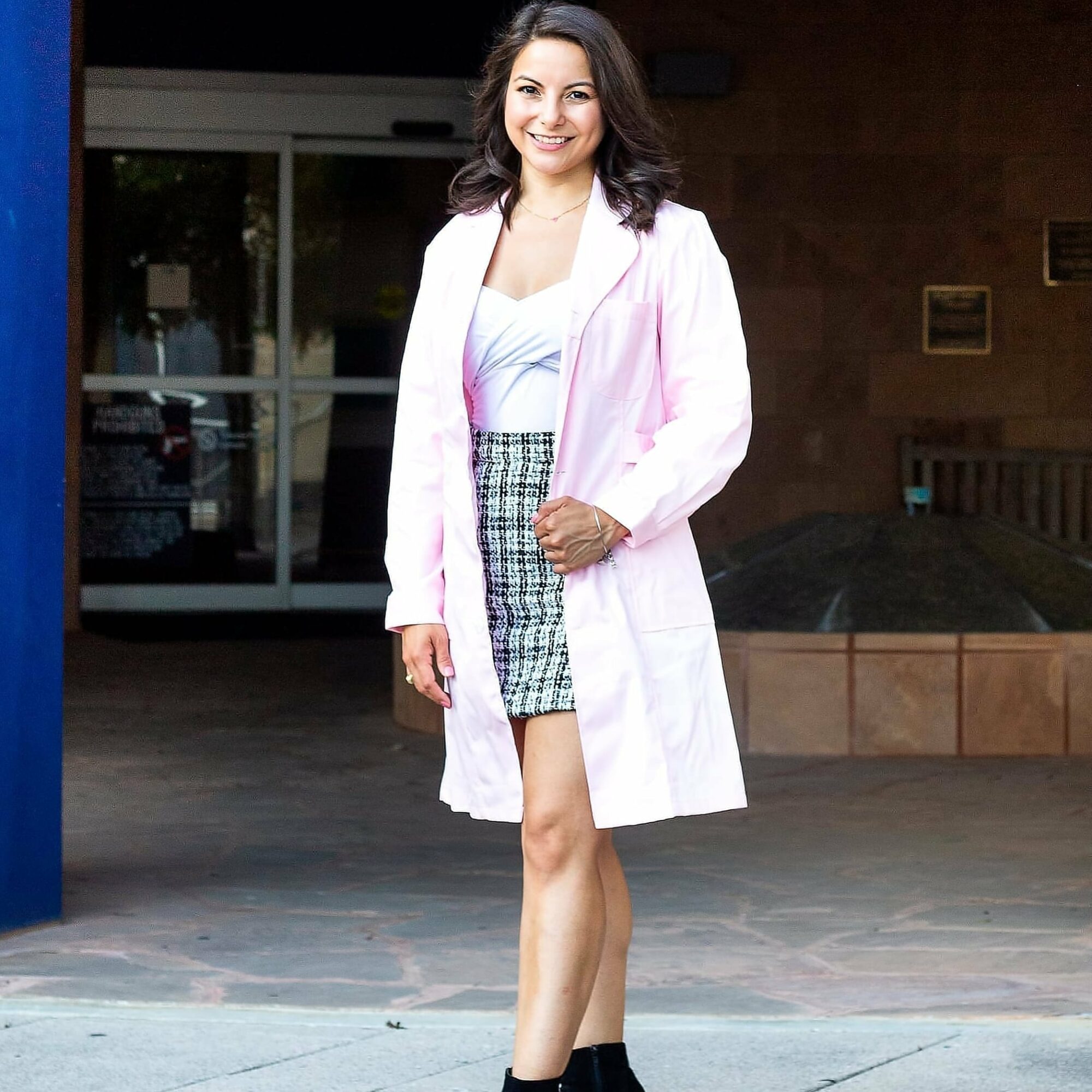
Today we’d like to introduce you to Stephanie Villalon.
Hi Stephanie, thanks for joining us today. We’d love for you to start by introducing yourself.
Growing up as the daughter of Mexican immigrants in a small, working-class Texas town, I was no
stranger to hardship. My parents both worked tirelessly to provide for our family, yet money was always scarce. Although my parents lacked resources to support my studies financially, they instilled in me a belief that education was the key to a better future. Armed with that belief, I left my hometown to follow my dream of becoming a scientist.
Once in San Antonio, I quickly realized that determination wasn’t enough to succeed. My previous education left me unprepared for the rigor of college courses, and financial pressures dictated every decision I made. Student loans helped cover tuition, but I had to work over 50 hours a week at a minimum-wage job to afford rent and groceries. Without a car in a city with inadequate public transportation, I rode a bus for an hour each way just to get to campus. Exhaustion was a constant companion, and my grades began to suffer. My first academic suspension felt like the end, but after being reinstated, I returned to school with renewed hope, only to be suspended again. Testing anxiety had plagued me since my first suspension and was debilitating. Weeks before exams, I would begin to shake, sweat, and have panic attacks. My mind would go blank during the tests as if the material were written in a foreign language. But this time, I was utterly broken. I remember sitting on a curb at a bus stop, tears streaming down my face, consumed by shame. The weight of my failure was unbearable, and I began to imagine returning home to tell my parents I had failed them. At that moment, I believed my dream of becoming a scientist was over. Once I got the tears to stop, I told myself this was not how my story would end. I decided to start over; I got a new job and enrolled in community college, where I took courses methodically. I couldn’t afford to fail again, so I visited tutors and sought treatment for the test anxiety that had plagued me since my first suspension. While my testing anxiety never fully disappeared, the combination of strategies and support allowed me to manage, and slowly, I rebuilt my confidence.
These changes transformed my academic experience, and through this difficult journey, I learned that success isn’t just about ability—it’s about support systems and the strategies we use to overcome obstacles. They also inspired my professional focus; my struggles with anxiety during my undergraduate years became the foundation for my dedication to studying stress on a molecular level and creating pathways for other students like me. Once I realized that there were ways to prevent this from happening to others, my commitment to higher education and educational equity began. The newfound awareness of systemic barriers drove me to establish Stemstart Enrichment, a nonprofit organization that provides STEM support to underrepresented and underprivileged students. Currently, I am also pursuing a Doctoral degree in molecular biology focusing on neuroepigenetics as a means to solidify my commitment to becoming a research professor who actively mentors and empowers students from underrepresented backgrounds.
Alright, so let’s dig a little deeper into the story – has it been an easy path overall and if not, what were the challenges you’ve had to overcome?
Stemstart Enrichment was founded while I was pursuing my master’s in science degree and began simply with
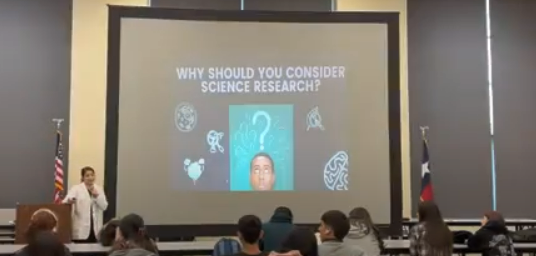
me going to local high schools, telling my story of how I got involved in science research, and sharing some
links for STEM fellowships around San Antonio, and guiding students on how to submit competitive applications. To my surprise, the reactions were very much welcomed by students. In the first year, twelve students from Title I schools gained acceptance into the San Antonio chapter of the Lundquist Summer Fellows Program based out of Los Angeles. Amazingly, one student from Stevens High School was offered a $ 2,500 stipend by the Lundquist program to work under my mentorship in my research lab. I have integrated student outreach as a central component towards achieving our mission ever since. Over the past few years, I have had the privilege of mentoring and interacting with many high school students from around the San Antonio area through our community impact initiatives. So. to be honest, getting started and gaining traction with students and schools has not been difficult, as people have come to really appreciate the work we are willing to do for our local students. We have however struggled with getting consistent funding to cover operational costs. Our in-person fundraisers help cover the costs of the students in our summer research program, we just are really hoping to find the right local or community organization to partner with us so we can really scale up our operations.
As you know, we’re big fans of STEMSTART ENRICHMENT INC. For our readers who might not be as familiar what can you tell them about the brand?
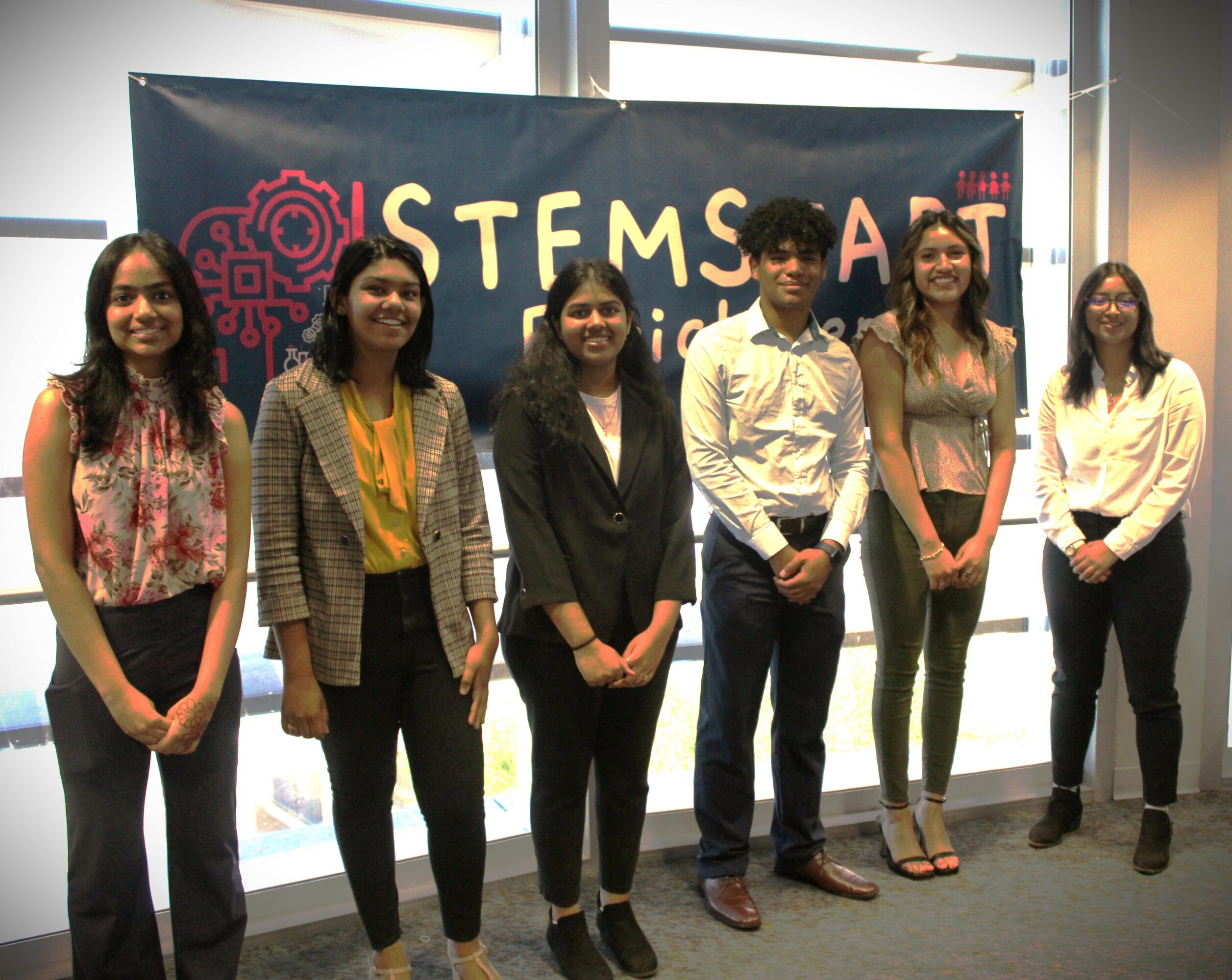
Inspired by my personal experiences, I founded Stemstart Enrichment, a 501(c)(3) nonprofit dedicated to providing students with innovative exposure and support in Science, Technology, Engineering, and Mathematics (STEM). As president, I spearheaded outreach efforts by visiting high schools to share my journey into science and provide students with resources to navigate STEM opportunities. In its first year, Stemstart helped twelve students from Title I schools gain acceptance into prestigious fellowship programs. Since then, the organization has expanded its impact,
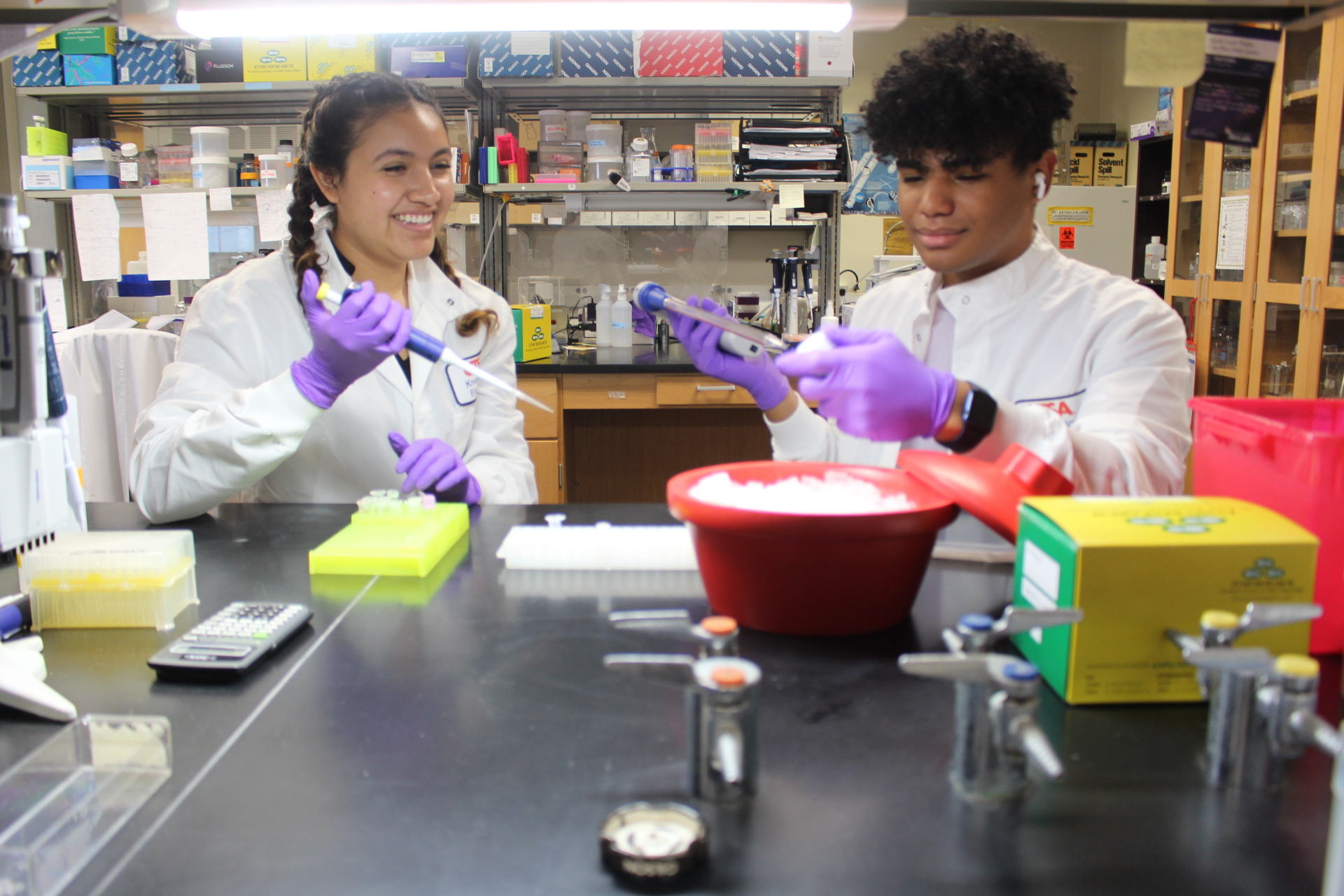
connecting over 100 underrepresented students with mentorship opportunities, internships, and STEM resources. By prioritizing outreach, we have helped 36 students gain admission into STEM fellowship programs, and Stemstart Enrichment continues to empower students to see themselves as future scientists, engineers, and leaders. Over the years, we’ve mentored numerous high school students in San Antonio through community impact initiatives. In 2023, I conceptualized and founded the Pre- Freshman Research Experience Program (NPRe) as part of a Stemstart initiative for the Neuroscience, Developmental, and Regenerative Biology Department at UTSA. This program offers underrepresented populations in San Antonio the opportunity to gain science research experience during the summer before their first year of college. The program involves an 8-week mentorship with current Ph.D.
students in the NDRB Program. Twenty-three students have been accepted into the program to date. Furthermore, we have stayed committed to a few initiatives that have really laid the ground work for our organization.
Our Initiatives:
1). Community Outreach – We volunteer annually to speak at local high schools and present different
fellowship opportunities to juniors and seniors interested in pursuing a STEM degree in college. We typically
serve 5-6 high schools and target lower-income districts or those that may offer fewer STEM extracurricular
activities.
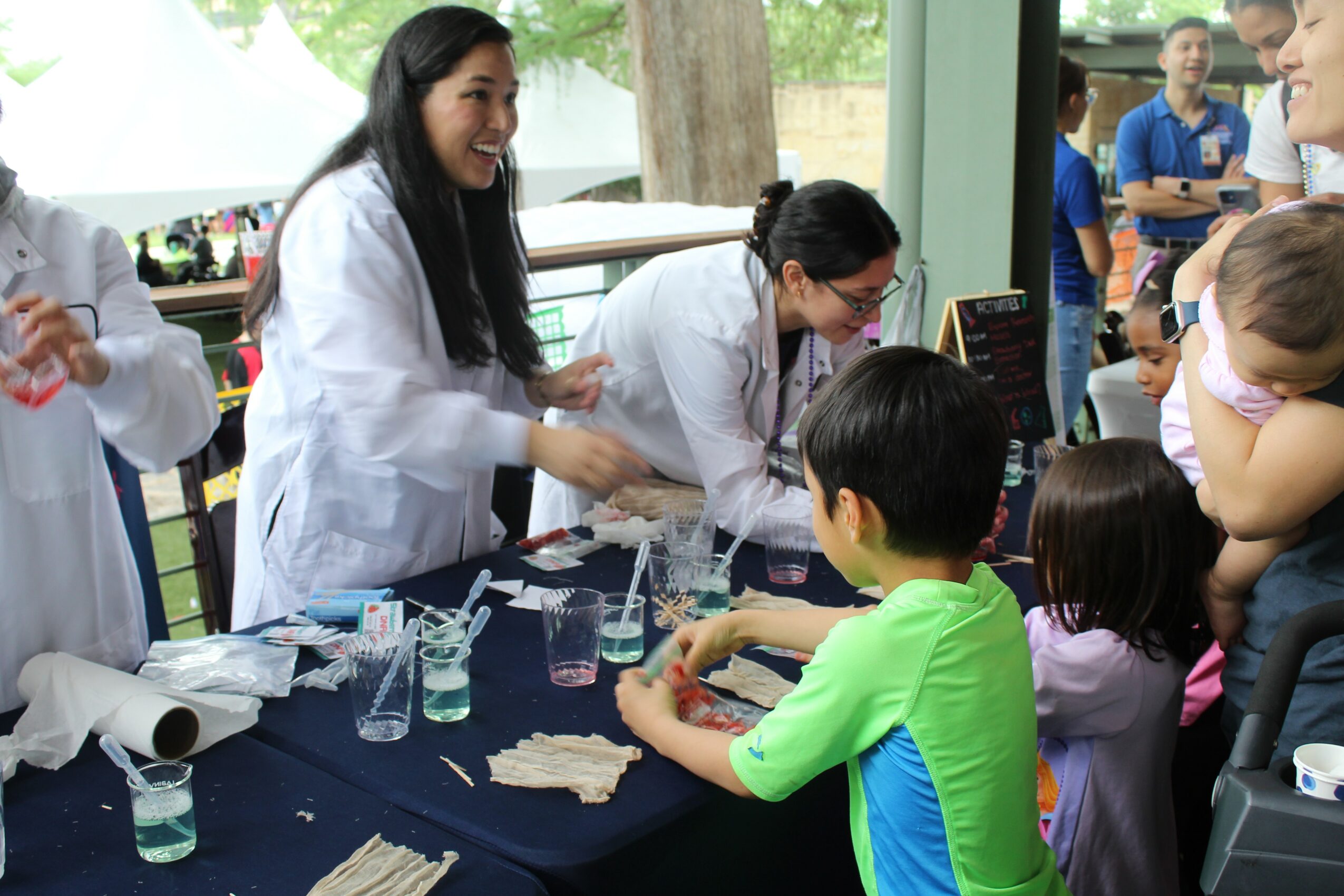
2). Community Engagement – We organize a group of volunteers to spend an entire day at the VIVA
SCIENCE SA science expo, guiding young children through creative and fun STEM activities. At this event, we
see anywhere between 200-300 school-age children, and we raise funds through donations so that each
activity is at no cost to the children or families.
3). Summer Research Program – In the summer of 2023, we partnered with the Neuroscience,
Developmental and Regenerative Biology Department at UTSA to bring the Prefreshman Research Experience
Program (NPRe/NPReP) during the summer before students begin their first year in college. This program
gives underprivileged minorities the opportunity to gain science research experience by providing an 8-week
mentorship with the current Ph.D. students in the NDRB Program. Last summer, the department accepted six
students, and we plan to expand and accept more students in the future. As the creators and primary funding
source for this program, we rely on donations from the community to sponsor the students accepted into the
program.
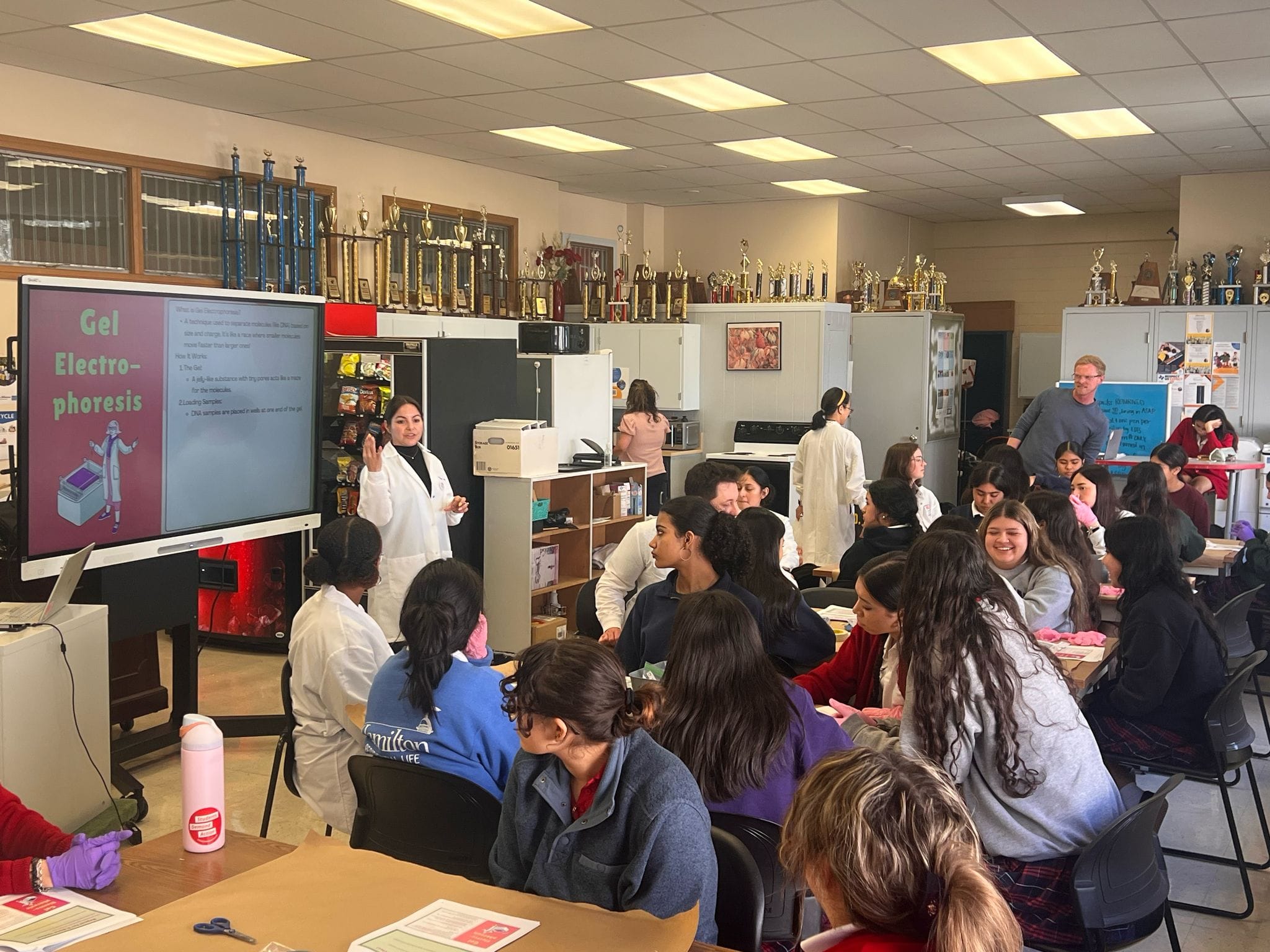
4) After-School Enrichment Program – In Spring of 2025, a colleague and I lead a project called “Growing Women in Science and Engineering” (Growing W.I.S.E.). We collaborated with an all-girls high school in SAISD to conduct a five-week workshop series. Through this program, we lead weekly learning experiences to foster appreciation and exposure to biochemistry, biomedical engineering, and molecular biology. We hope to continue this program across other schools and districts in San Antonio.
One big goal for us is to secure funding for our student in our summer research program. This year, we have set a fundraising goal of $25,000 to provide our 2026 summer trainees in the NPRe Program with stipends to allow the students to be fully immersed in the lab experience and offset the burden of leaving to work during their time in the program.
Any big plans?
The plan for our future is to continue growing our organization and establish a Research Institute and learning center here in San Antonio. The idea is that instead of only traveling to schools and hosting our programs in other “borrowed” locations, we would have one centralized location where we are actively conducting STEM research and can host our courses and programs there. So far this plan is a part of a our 10-year organizational goal, but this is really something our entire team is looking and moving towards achieving.
Pricing:
- n/a our services are completely free to schools and students.
Contact Info:
- Website: https://www.stemstartschools.com
- Instagram: https://www.instagram.com/stemstart.enrichment/
- Facebook: https://www.facebook.com/stemstart.enrichment/
- Twitter: https://x.com/STEM_Enrichment
- TikTok: TikTok.com/@stemstart.enrichment