




Today we’d like to introduce you to Dr. Nick Wilkens.
Hi Dr. Nick, thanks for joining us today. We’d love for you to start by introducing yourself.
A significant number of couples don’t come to therapy to fix their relationship—they come trying to decide if it’s over.
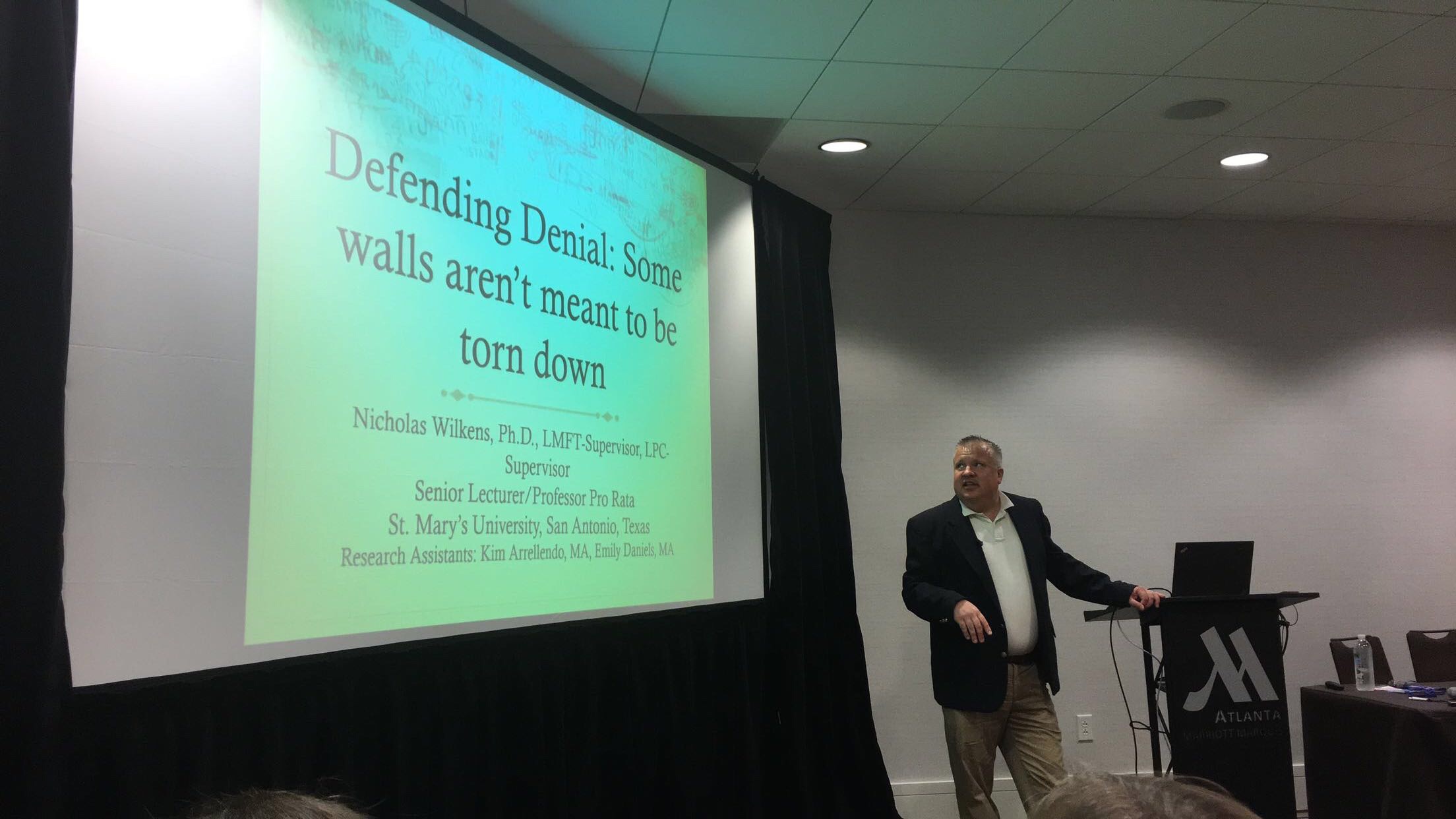
I’ve been a marriage and family therapist for over 25 years, helping people navigate relationships and major life transitions. 15 of those years I was also senior lecturer at St. Mary’s University here in San Antonio in their graduate department of counseling and human services where I trained the next generation of couples therapists as a clinical supervisor to graduate interns and taught the core course “Marital Therapy” every one of those 15 years.
Over time in my own practice and in the practices of my supervisees I noticed that many couples weren’t just struggling with communication—they were trying to figure out whether their relationship should continue at all. That’s a very different kind of problem, and traditional couples therapy doesn’t always address it well. In acadmic research, we have know for decades that a quarter to a third of couples entering couples therapy
That led me to focus on Discernment Counseling. It’s a short-term approach for couples where one or both partners are unsure about the future. We slow things down and help each person get clarity about their part in what’s happened and what direction they want to move—whether that’s rebuilding the relationship or separating in a thoughtful, respectful way.
Today, through San Antonio Discernment Counseling (SADiscernment.com), I focus almost entirely on helping couples navigate that crossroads with clarity and direction.
I’m sure it wasn’t obstacle-free, but would you say the journey has been fairly smooth so far?
It definitely hasn’t been a smooth road.
Like a lot of people in this field, the early years were about building experience, finding my footing, and learning how to sit with really complex situations without rushing to fix them. Over time, the challenges shifted. Instead of just doing the work, it became about building something—clarifying my focus, developing a niche, and helping people understand a type of counseling they may not have heard of before.
One of the bigger challenges has been that Discernment Counseling isn’t widely known. Most people are familiar with couples therapy, but not with a process designed specifically for when you’re unsure if the relationship should continue. So part of the work has been not just doing the counseling itself, but also educating people about what it is and why it matters.
There’s also the reality that this is heavy work. Sitting with couples who are facing potentially life-altering decisions—especially when there’s a lot of pain, history, or uncertainty involved—requires a lot of steadiness and intention over time.
But those challenges are also what make the work meaningful. Helping people move out of confusion and into clarity, especially in moments like that, makes it worth it.
Great, so let’s talk business. Can you tell our readers more about what you do and what you think sets you apart from others?
What I do is a little different from what most people think of when they hear “couples therapy.”
While I’ve been a marriage and family therapist for over 25 years, the core of my work now is discernment counseling—helping couples who are unsure whether they want to stay together or separate. That’s a very specific and often overlooked stage in a relationship. Most therapy assumes both people are committed to fixing things, but many couples aren’t there—they’re stuck, conflicted, or moving in different directions.
Discernment counseling creates a structured space to slow that down. Instead of jumping straight into problem-solving, we focus on clarity. Each person looks at what’s happened in the relationship, their role in it, and what it would actually take to move forward—either toward rebuilding the relationship with intention or separating in a thoughtful, respectful way.
In addition to that, I do work with individuals and couples on issues like anxiety, life transitions, and relationship dynamics, but everything is grounded in helping people gain clarity and make more intentional decisions.
At the end of the day, my focus is helping people get unstuck—especially when they’re facing decisions that will shape the course of their lives. It usually starts with a spouse who goes to the website SADiscernment.com.
Networking and finding a mentor can have such a positive impact on one’s life and career. Any advice?
I think one of the biggest shifts for me was realizing that mentorship and networking don’t have to be formal to be meaningful—although in my field, there actually is a formal pathway built in.
As a marriage and family therapist, the licensure process requires a supervisor–supervisee relationship, so mentorship was part of how I got my start. After graduate school, I was able to choose clinical supervisors who shaped how I think and practice to this day. Not long after becoming fully licensed, I became a supervisor myself through the Texas Department of Health and have spent most of my career working with newer therapists who are trying to find their footing and make a difference.
I also spent 15 years as a graduate faculty member at St. Mary’s University, serving as both a senior lecturer and clinical supervisor, which gave me a front-row seat to how important good mentorship is in shaping not just skills, but professional identity.
Outside of those formal roles, what’s worked well for me is keeping it simple. I’ve stayed connected to a small number of trusted colleagues—people I can talk honestly with about cases, challenges, and even doubts. That’s been far more valuable than trying to build a large network.
If I were giving advice, I’d say reach out to people whose work you genuinely respect and ask thoughtful, specific questions. Most people are more open than you’d expect. And over time, look for opportunities to offer mentorship as well—that mutual exchange is where some of the strongest professional relationships are built.
At the end of the day, good networking in this field is really about relationships, not strategy.
Pricing:
- $175 per session for Discernment Counseling. Maximum of 5 sessions.
Contact Info:
- Website: https://www.nicholaswilkensphd.com
- Facebook: https://www.facebook.com/DrNickWilkens