





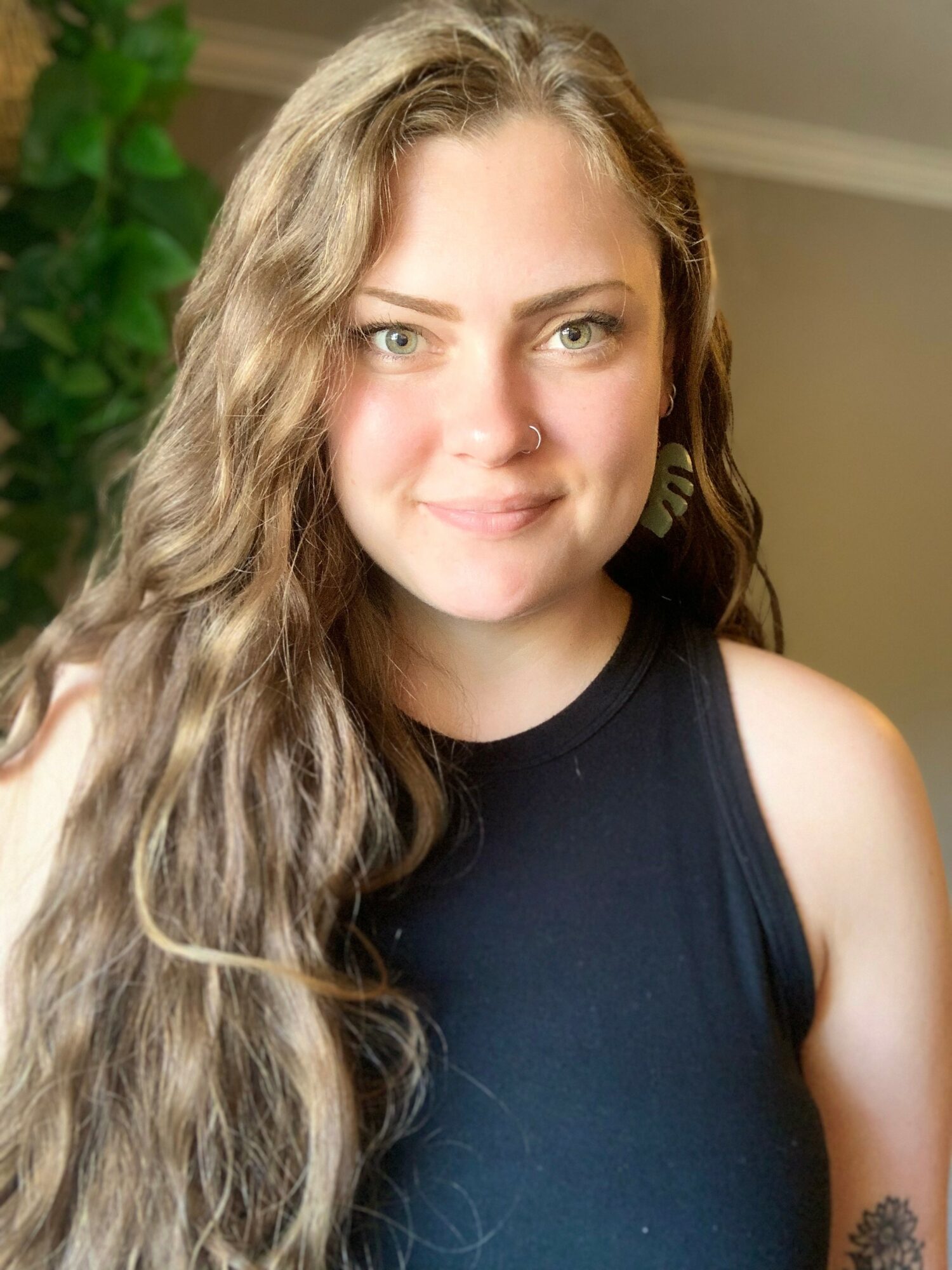
Today we’d like to introduce you to Sarah Francis.
Hi Sarah, so excited to have you on the platform. So before we get into questions about your work-life, maybe you can bring our readers up to speed on your story and how you got to where you are today?
Getting started as a therapist for me was very much in intertwined with my identity as a queer woman. Being in the queer community as a young adult, I noticed a lot of mental health issues really taking a toll on people I knew and just seeing how overall how it affected the culture. As someone who found a strong sense of identity and belonging within that community, I felt compelled to give back by working to uplift this community as well as anyone who feels like they’re struggling to navigate a society that was not built with them in mind. Today I’ve found myself with a lovely mix of clients from the LGBTQIA community, neurodivergent folks, monogamous and non-monogamous couples that I work along side with using a trauma-informed attachment based approach.
Would you say it’s been a smooth road, and if not what are some of the biggest challenges you’ve faced along the way?
The road to becoming a therapist is a long one, and it requires a fair amount of resources. I am extremely blessed with a support system that allowed me to pursue this path, but even within that support system, there was some skepticism at the beginning. My bachelors degree was in creative advertising, so mental health wasn’t exactly a natural next step. However, as those around me began to see my passion, determination, and commitment to doing whatever it took to put myself in a position to help others, they got on board. Additionally, part of preparing to support others meant committing to my own continual emotional growth—you can’t expect others to do the work that you’re unwilling to do yourself. That being said, it was challenging and unexpected at the beginning of my professional journey to realize I had to really buckle down on my personal growth in order to become the therapist I wanted to be. Looking back however, it’s just another reason that I’m grateful to my profession despite the challenges it’s posed.
Appreciate you sharing that. What else should we know about what you do?
As a licensed marriage and family therapist, working with relationships is my specialty. I particularly enjoy working with couples. I love being able to see that relational dynamic in the room on an equal power dynamic footing, something that’s not always true in familial settings.
Something that I’ve really found a niche for is working with non-monogamous couples. Being trained in working with families, having multiple members of a relationship in a room isn’t something that intimidates me. Additionally, as a queer person, people and relationships that are outside of societal norms are a regular part of the community I exist in. I find fulfillment in meeting people exactly where they are; my role isn’t to challenge what brings them stability or meaning, but to help them examine what feels misaligned or unhelpful—knowing that those answers look different for everyone.
Outside of relational work, my professional caseload isn’t complete without the individual therapeutic work I do. Whether we’re exploring someone’s relationships with others or deepening their relationship with themselves, building a trusting connection with each client and having the privilege of walking alongside them in their growth is unlike any other experience.
Networking and finding a mentor can have such a positive impact on one’s life and career. Any advice?
The best way to get connected in the mental health community, I have found, is mainly through two avenues. First, joining local professional associations. For me, that includes the Austin Association for Marriage and Family Therapists and the Austin Community for Emotionally Focused Therapy. Emotionally Focused Therapy (EFT) is the primary modality I practice, so being involved in that community as I’m able to has been especially meaningful.
The other big way I stay connected is through online spaces. I’m part of several professional Facebook groups where therapists share referrals, ask for input on cases, and post about social or professional meetups. It’s been a large cornerstone for me in building relationships and staying plugged into what’s happening in the community.
Pricing:
- $150 per session for couples and individuals.
Contact Info:
- Website: https://www.sarahfrancismft.com/
- Other: https://www.psychologytoday.com/us/therapists/sarah-francis-austin-tx/972342