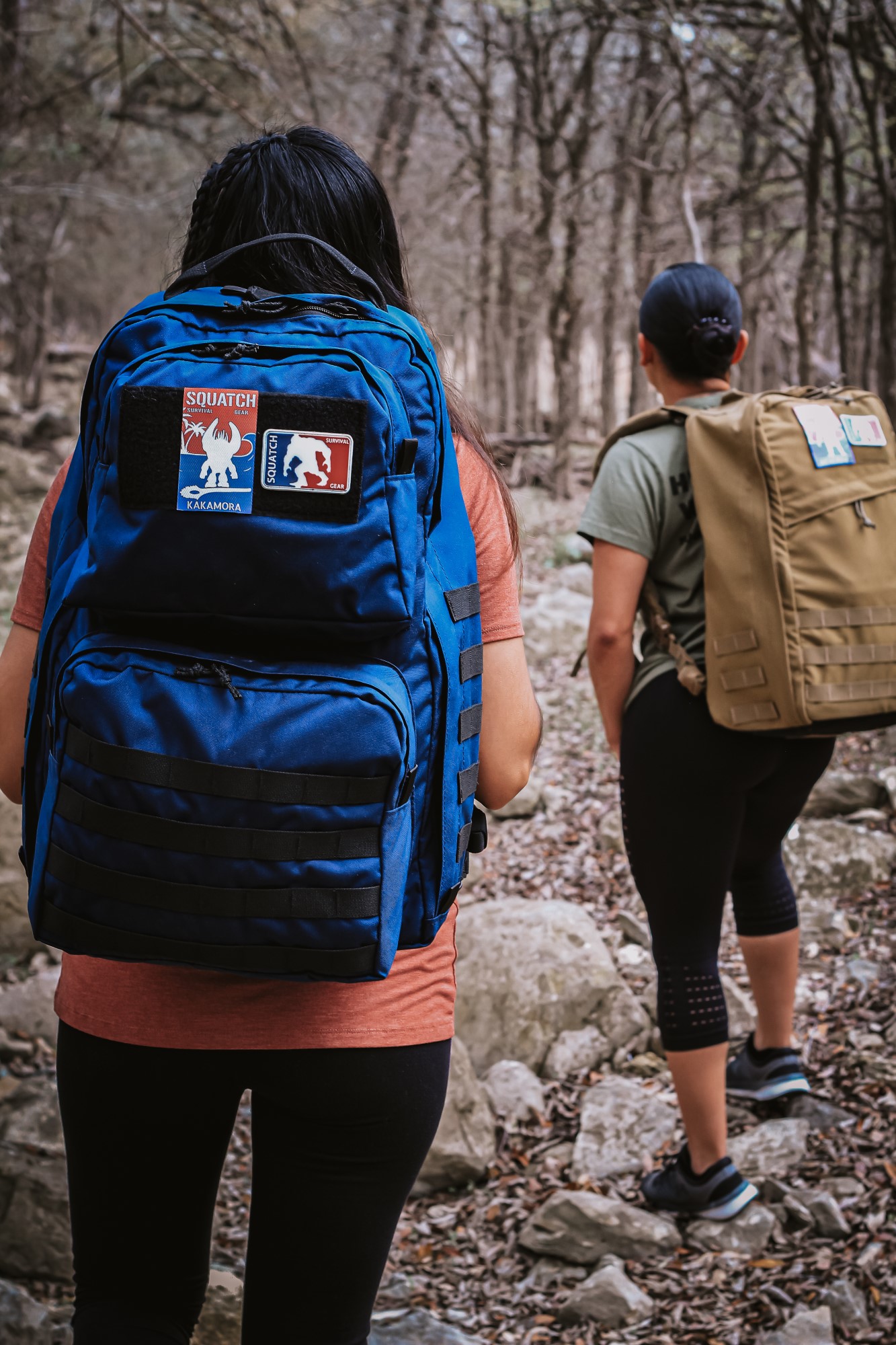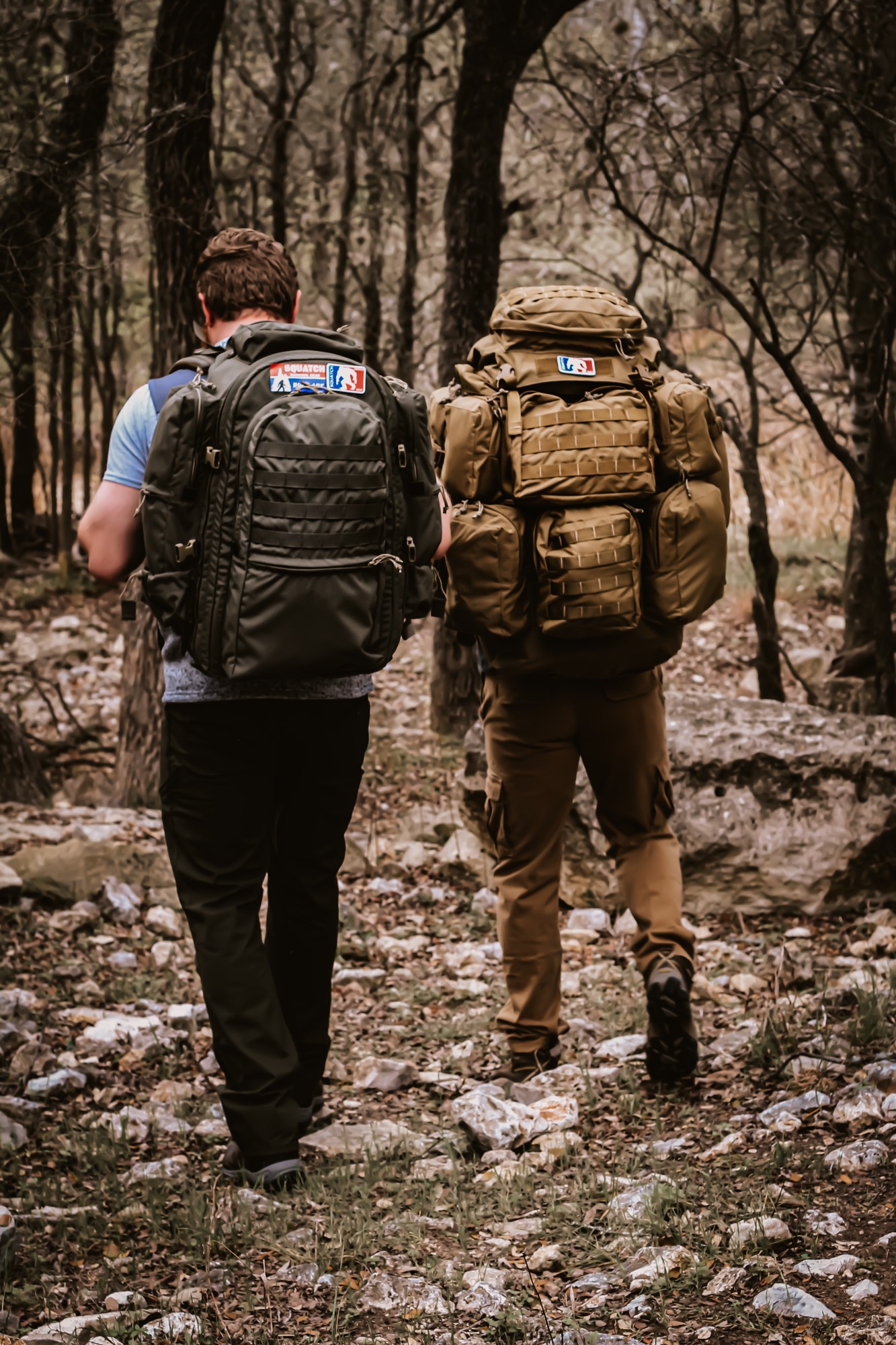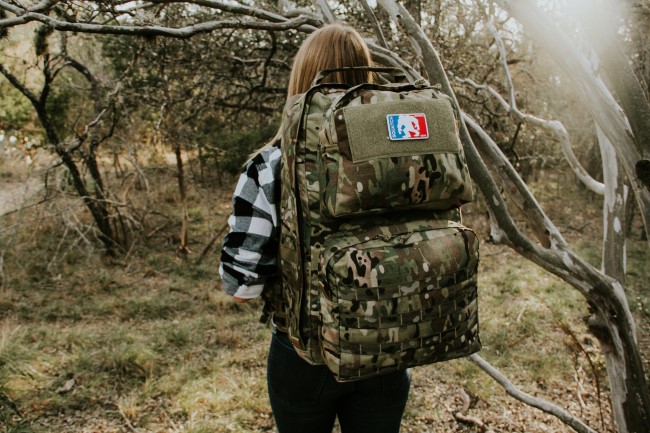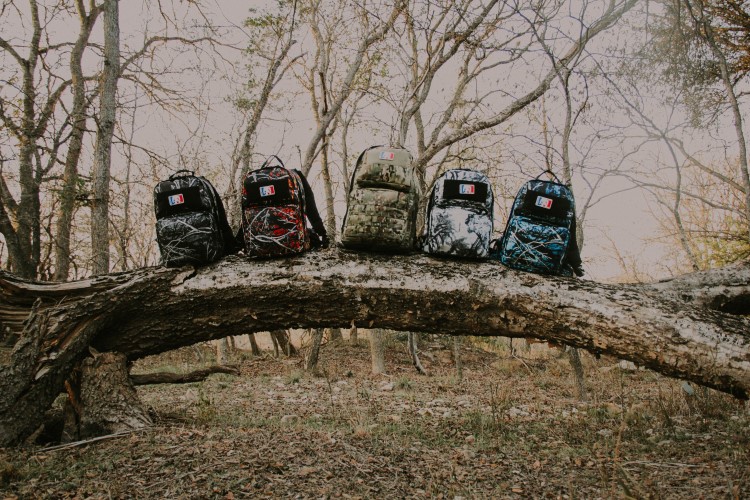





Today we’d like to introduce you to Chris Vick
Alright, so thank you so much for sharing your story and insight with our readers. To kick things off, can you tell us a bit about how you got started?
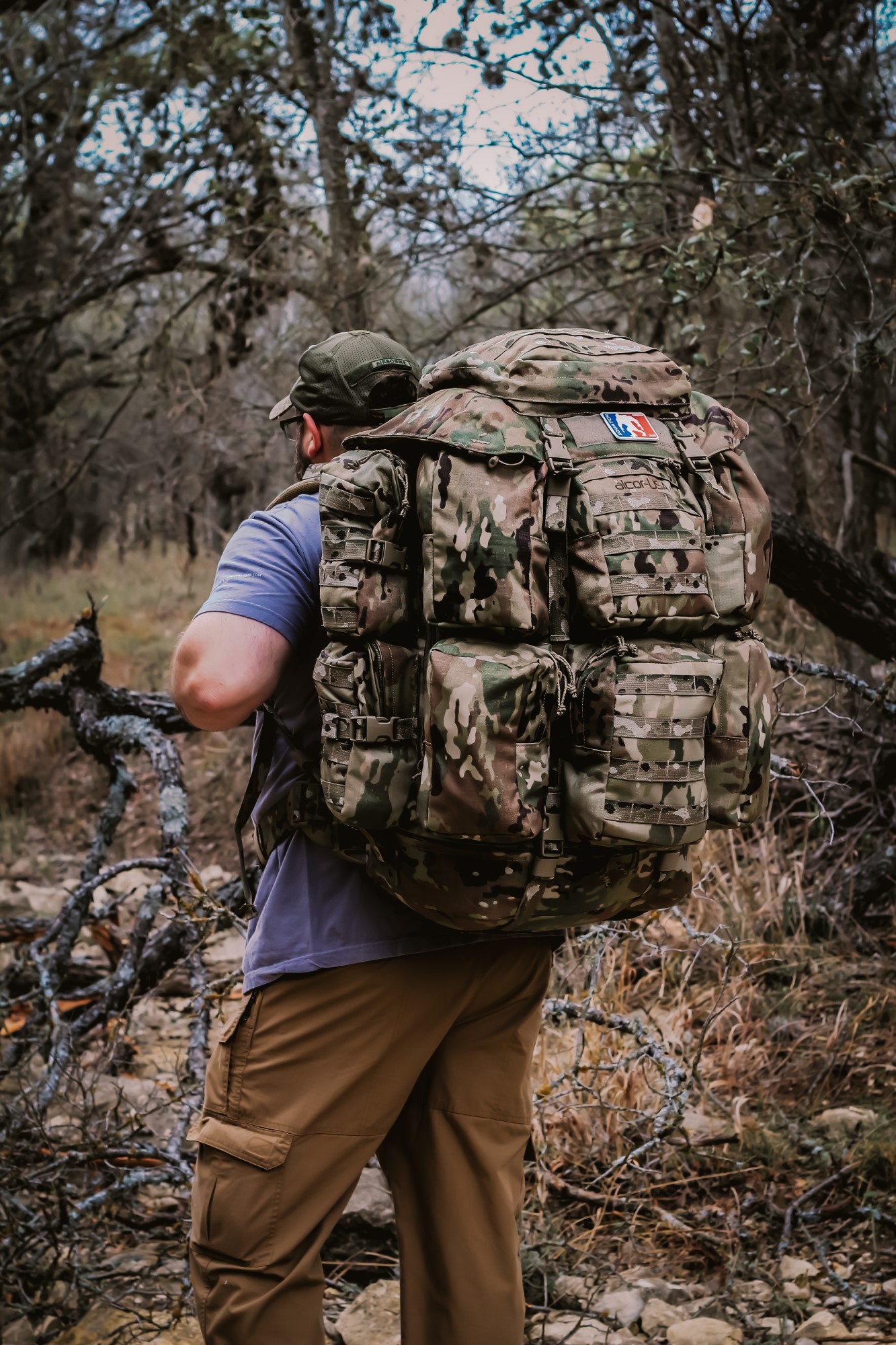
I joined the Army Infantry in 1996 and got my first rucksack—a large A.L.I.C.E. pack. It was a solid rucksack (the military term for backpack), built by the lowest government bidder. It was adequate but not comfortable it was also not always as functional as required for the mission. In 1999, I became an Infantry officer and was issued another large A.L.I.C.E. I quickly realized its configuration was unacceptable for all the extra components leaders were required to carry. Within a few months, I wanted to start modifying my rucksack. Luckily, I was stationed at Ft. Bragg, and there’s always someone off of Bragg Blvd or Yadkin Rd willing to modify your rucksack.
Then I completed my combat tours. Although one was in Afghanistan and the other in Iraq, they had one thing in common: my gear failed at the worst possible times. It stuck with me. It ate at me. I told myself, one day, somebody is going to make gear that doesn’t quit. At that time, I didn’t ever think it would be me.
After leaving the Army, more than a little broken, I continued to work on pack designs. After contracting for a few years in Afghanistan, I came back to the U.S. ready to get to work. It took a few years to find the right production partner. Everyone wanted me to build things their way, use cheaper fabric, or cut corners on manufacturing. Those were non-negotiable for my brand, I knew firsthand people’s lives depend on their gear getting them home.
Quality before price and profit.
When we decided to take our designs into the civilian hunting, outdoor markets, and tactical markets, we faced a tough decision. Since the mid-2000s, every gear manufacturer has been making products overseas. Chinese products were making the outdoor market race to the bottom in terms of quality and price. I remembered from my MBA class that price consists of three factors: speed of production, quality, and price. As the experts say, pick two because you can’t have all three. Those three elements also affect what’s in the middle: your brand. We decided from that moment forward, we were going to make the Abrams Tank of packs.
We also committed right then to offering a lifetime warranty on our brand. We wanted to examine our failures and mistakes and then engineer them out. Sure, it’s a Lean Six Sigma approach, but it’s also an unrelenting commitment to being the best.
Why does “Made in the USA” matter to us? It’s simple. For us, it’s about quality. It’s about being able to interact face-to-face with suppliers. It’s about looking designers and stitchers in the eye. It’s about getting their ideas and solutions to solve problems. It’s about teamwork and pride in craftsmanship. It’s about hearing those words we love: “I love this pack a little bit more every single time I use it.” It’s about putting Americans and American ingenuity back to work. When you buy from us, you’re putting about 16 other American manufacturers to work. That’s thousands of Americans making a living, feeding their families, and building the American economy. Our commitment to them is to build a product that lasts.
Can you talk to us a bit about the challenges and lessons you’ve learned along the way. Looking back would you say it’s been easy or smooth in retrospect?
Building Squatch Survival Gear came with significant challenges, especially in a market where U.S. textile manufacturers are becoming increasingly rare. Many companies we approached wanted to offshore our designs to cut costs, but we stood firm in our commitment to keep production in the U.S. Finding a manufacturing partner willing to prioritize durability and craftsmanship over speed and cost-cutting was difficult. Most factories were focused on quick, mass production, while we were committed to building gear that would last a lifetime. We refused to compromise on quality, even if it meant slower growth and tighter cash flow.
Growing the company on a cash-on-cash basis, we deliberately embraced steady, gradual progress rather than chasing quick profits. This approach allowed us to stay true to our core values—choosing quality over profit at every step. Along the way, we immersed ourselves in the complexities of manufacturing, ensuring that every stitch and design feature met our rigorous standards. This hands-on experience became essential as we built a brand defined by rugged reliability and American-made excellence.
Thanks for sharing that. So, maybe next you can tell us a bit more about your work?
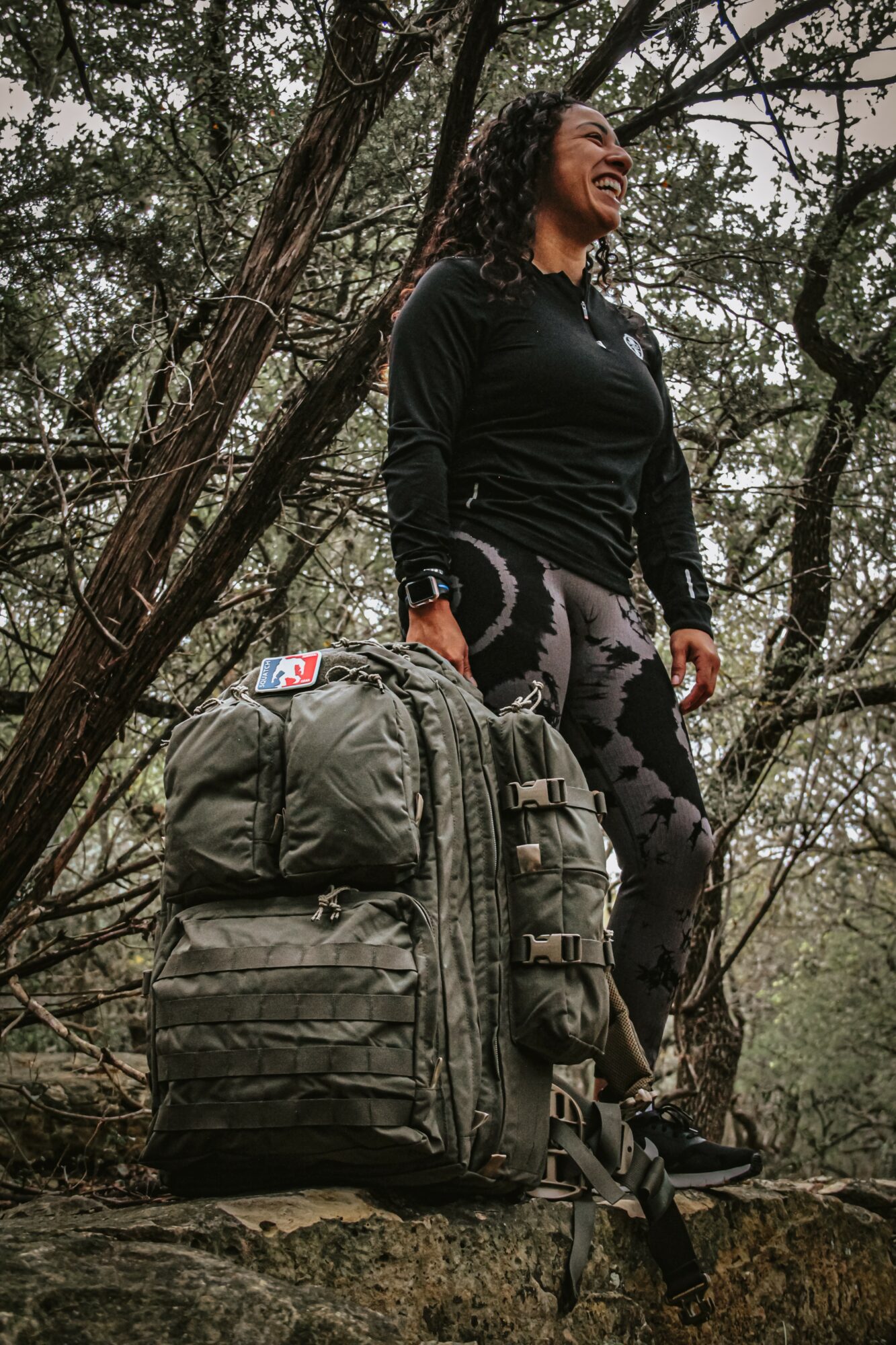
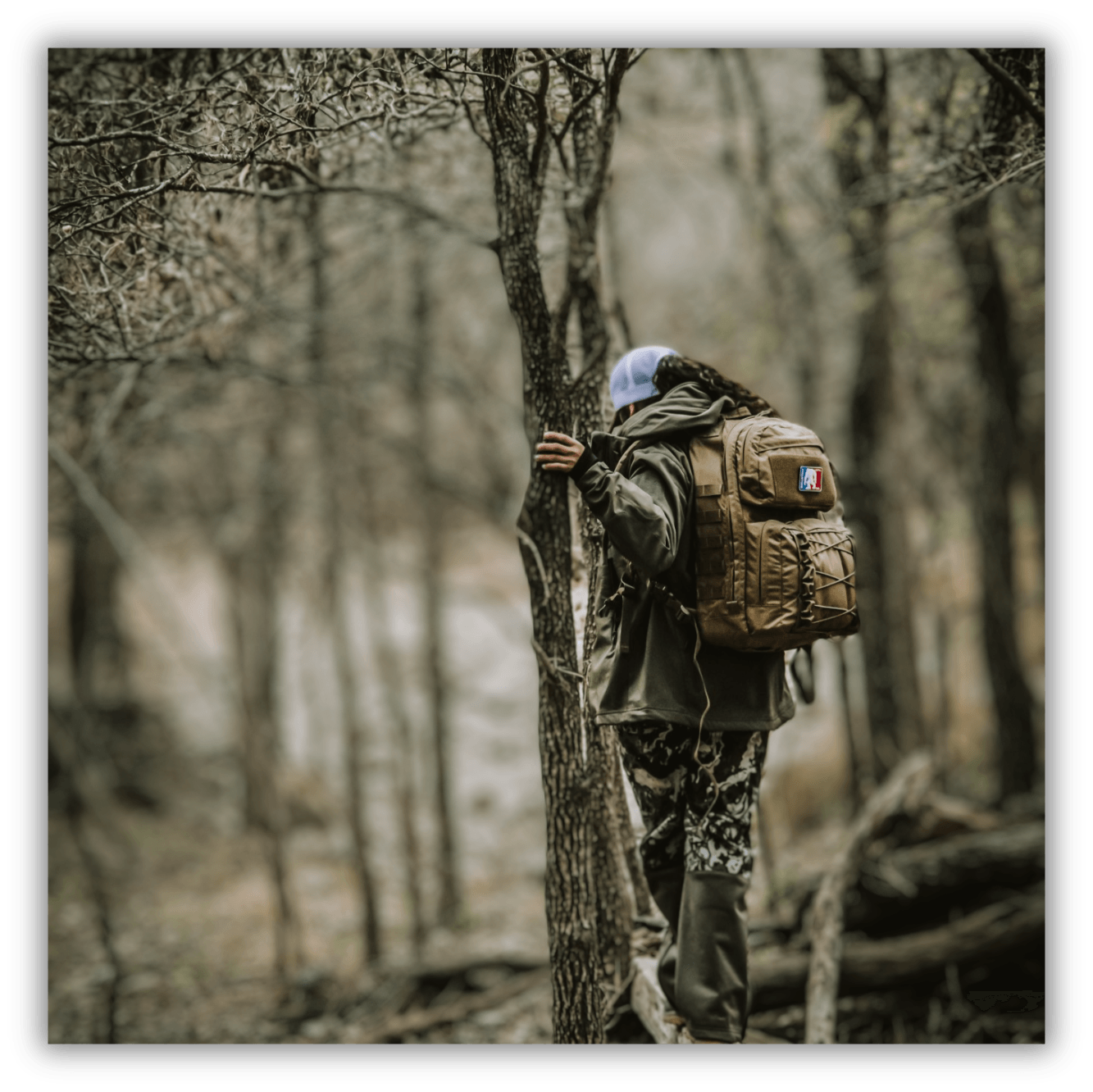
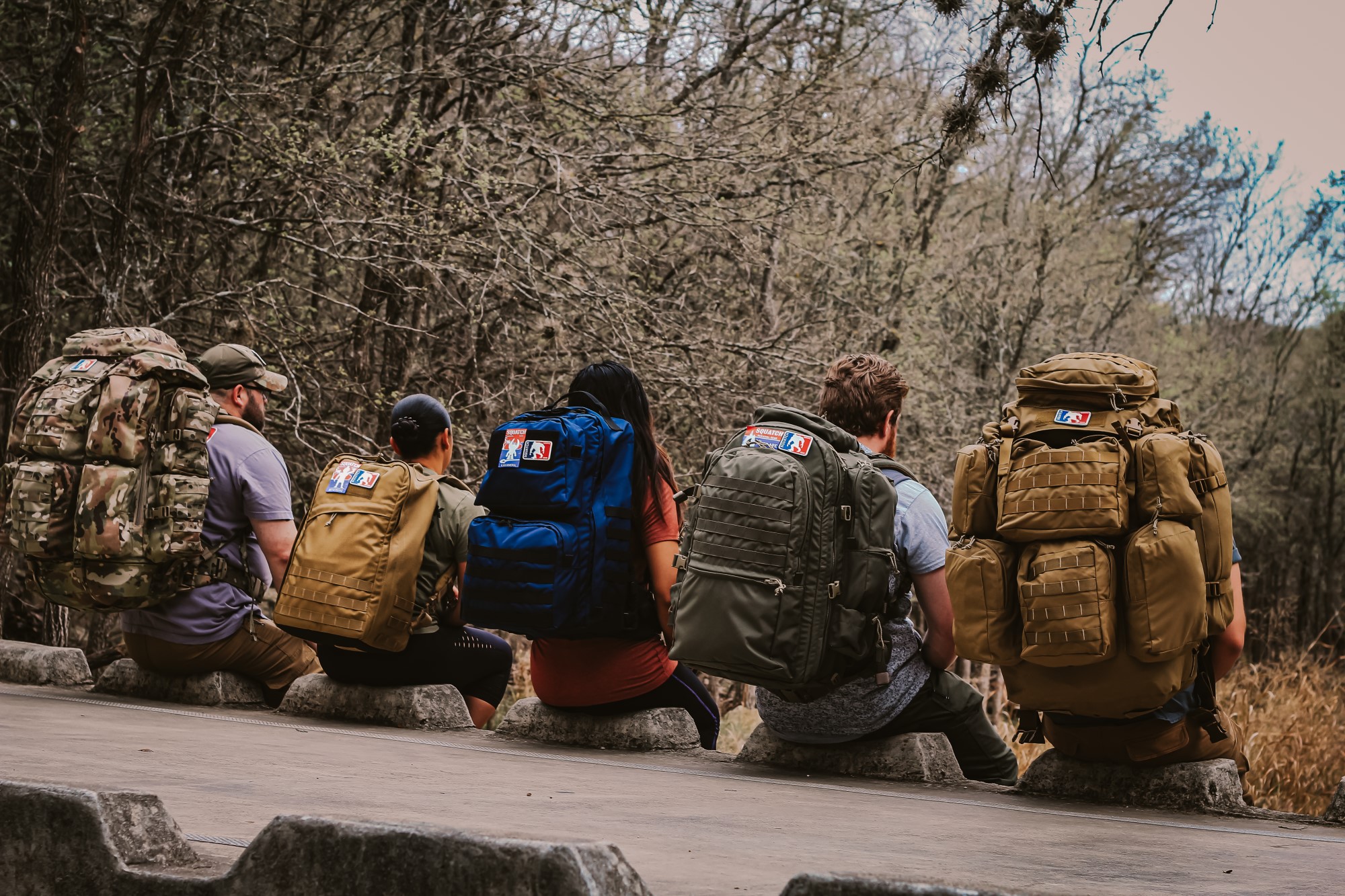
Owner of Squatch Survival Gear, a U.S.-based manufacturer specializing in high-quality outdoor and tactical gear.
If we knew you growing up, how would we have described you?
I grew up in a household shaped by the challenges of an undiagnosed bipolar mother and a military father, experiences that made resilience and adaptability a part of my daily life. As a child, I struggled with learning challenges, but I found solace in drawing and creating. That artistic outlet became a source of joy and focus until high school when the need to work took priority. From that point on, hard work became a defining part of my journey.
I worked my way through the University of Oklahoma, determined to push through any obstacles. After graduating, I joined the Army, where I honed my discipline and leadership skills. In 2016, I earned my MBA, further expanding my understanding of business and entrepreneurship. By 2017, I was ready to combine my passion for gear design and my drive for excellence, leading me to start Squatch Survival Gear. Each step of the way—from overcoming personal challenges to building a business—shaped the path I walk today.
Contact Info:
- Website: https://Squatchsurvivalgear.com
- Instagram: Squatchsurvivalgear
- Facebook: Squatchsurvivalgear
- Twitter: gearsquatch
- Youtube: Squatchsurvivalgearusa