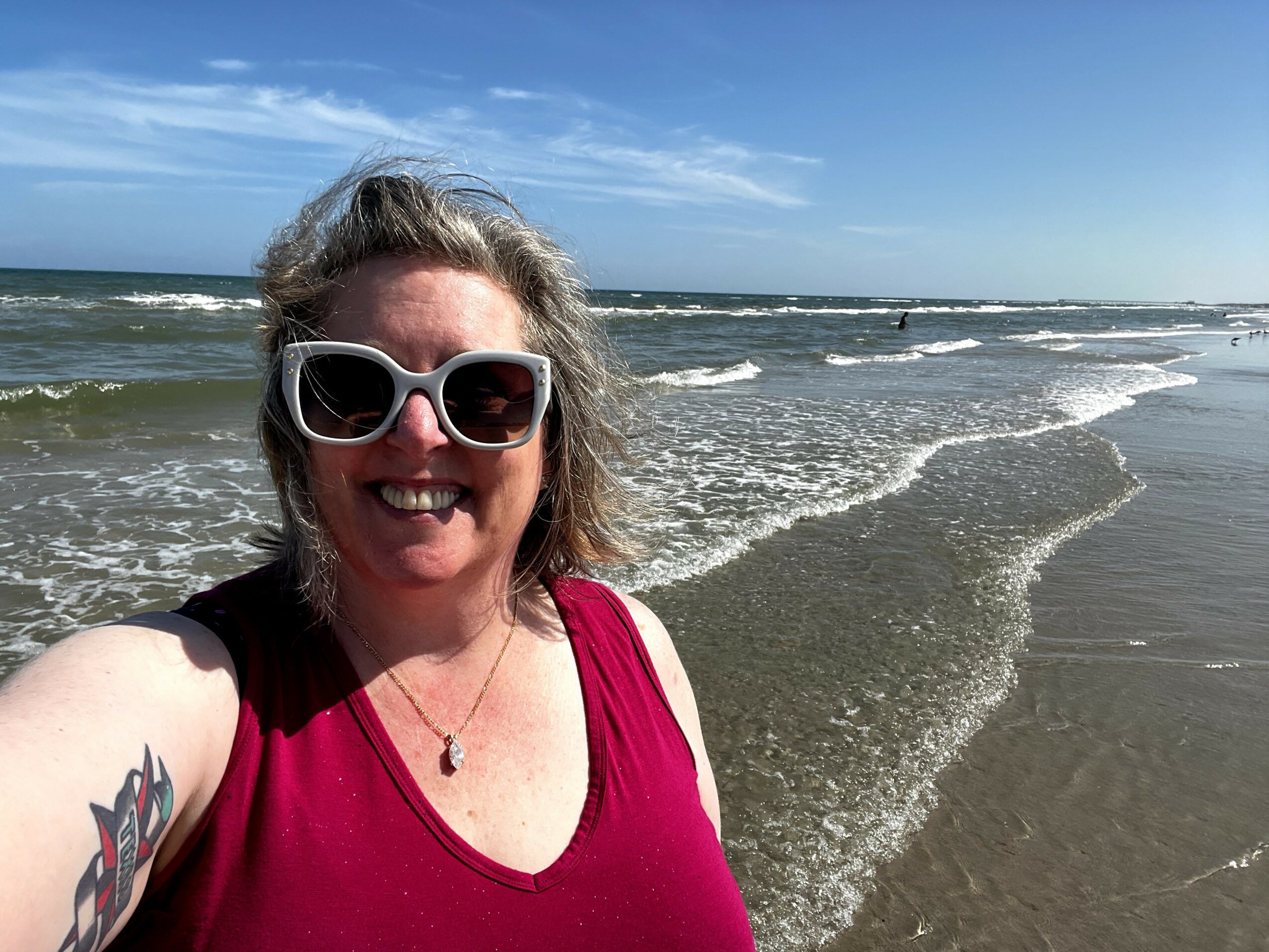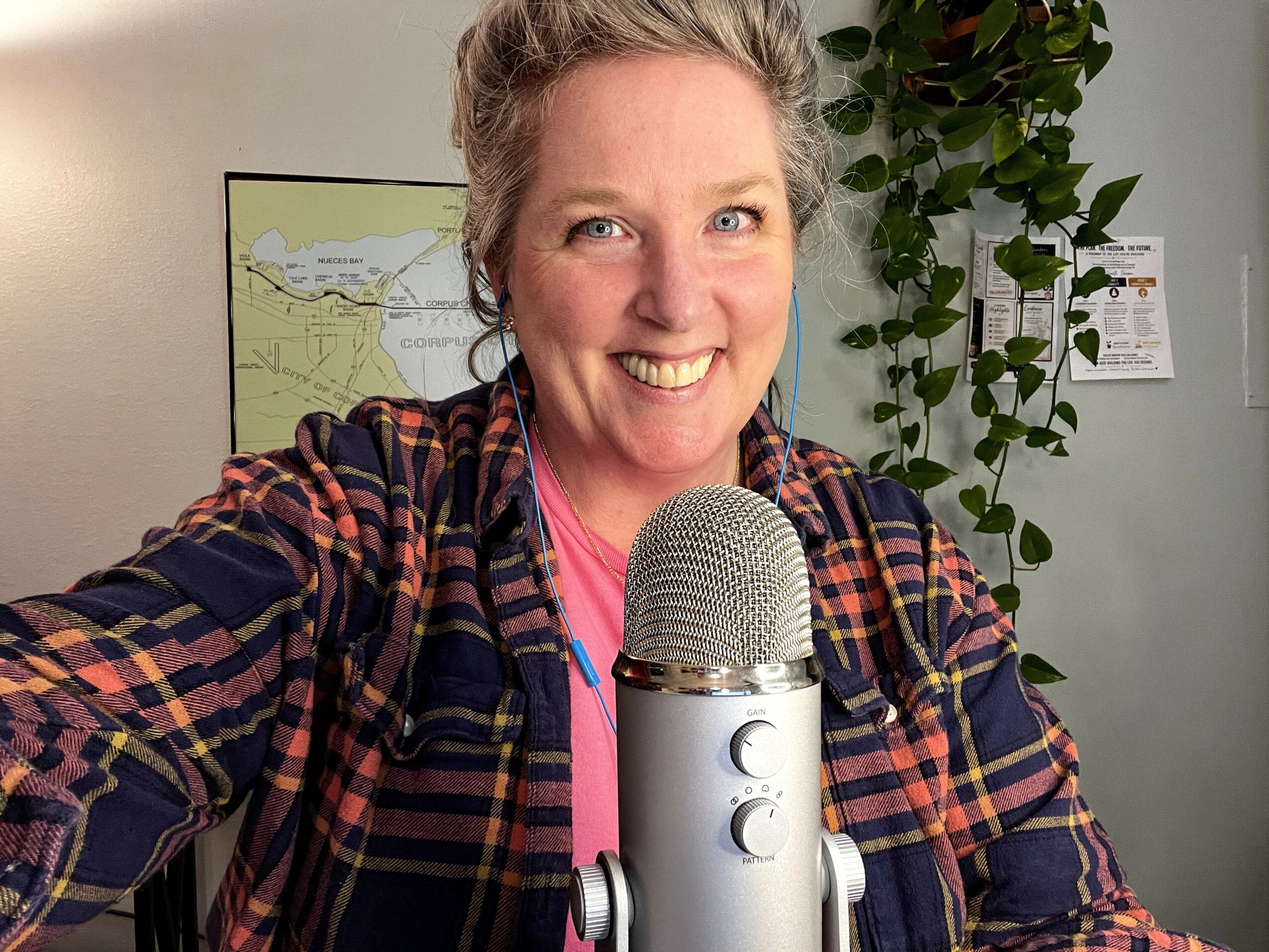




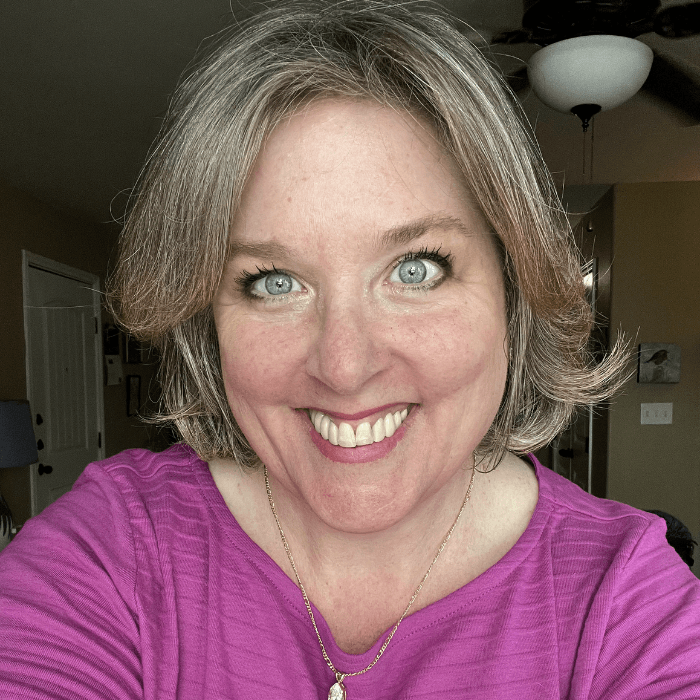
Today we’d like to introduce you to Bridget Willard.
Hi Bridget, thanks for joining us today. We’d love for you to start by introducing yourself.
My career has never followed a straight line, and I think that’s ultimately what made me a better marketer.
I started working when I was 14 and spent much of my early career in industries like commercial trucking, roofing, and construction. I worked in accounting, collections, customer service, and office management—jobs that taught me how businesses actually operate and, more importantly, how people make decisions.
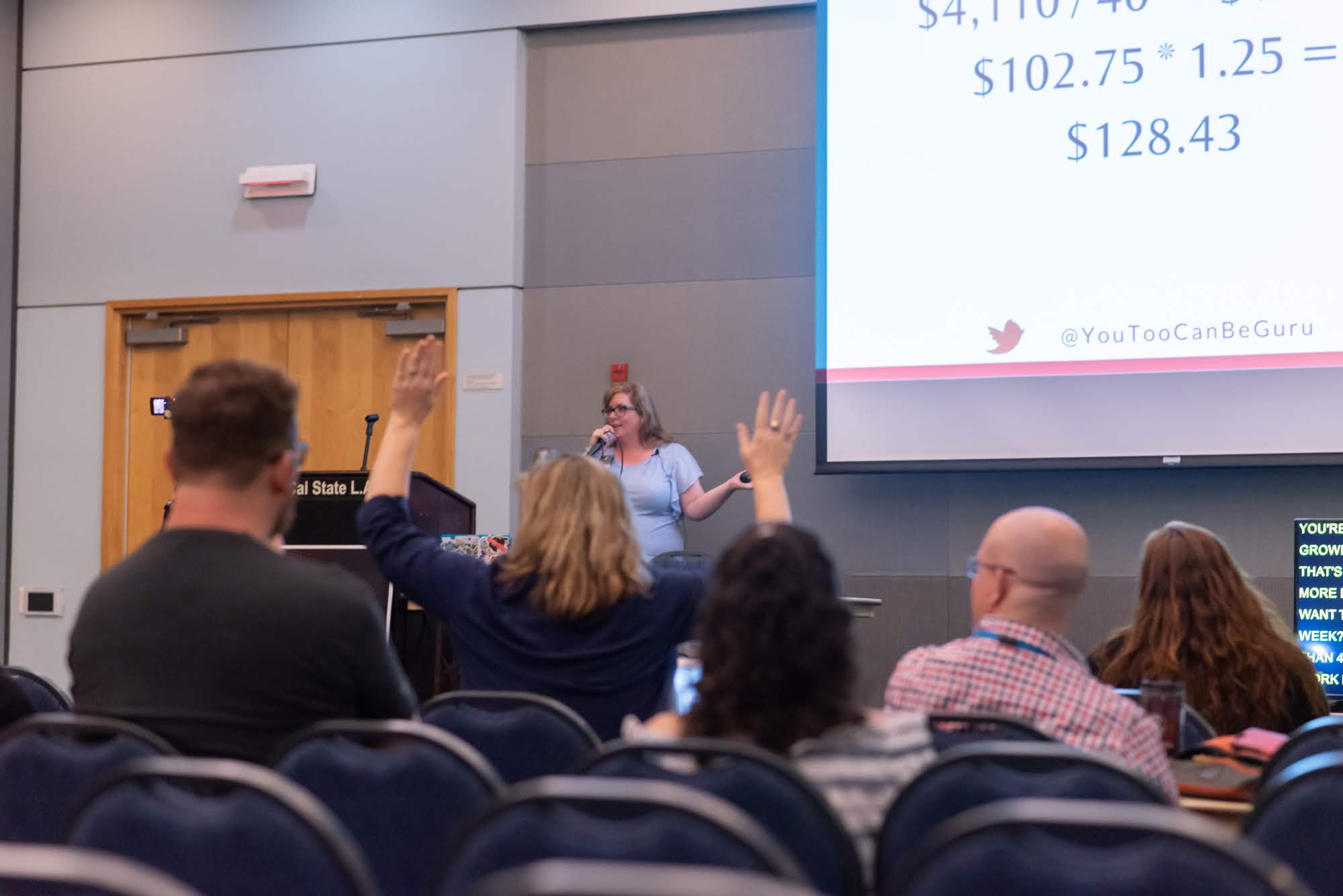
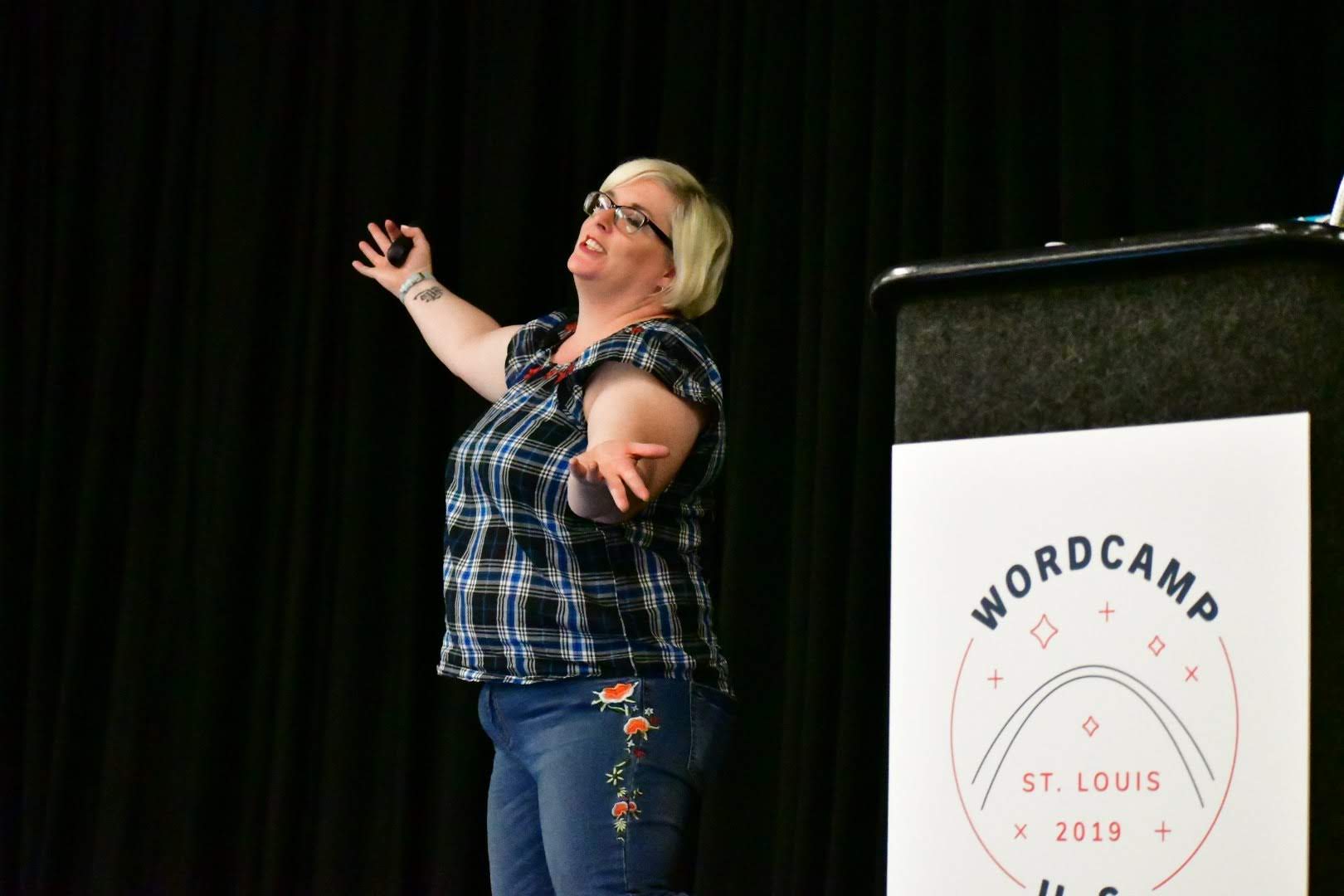
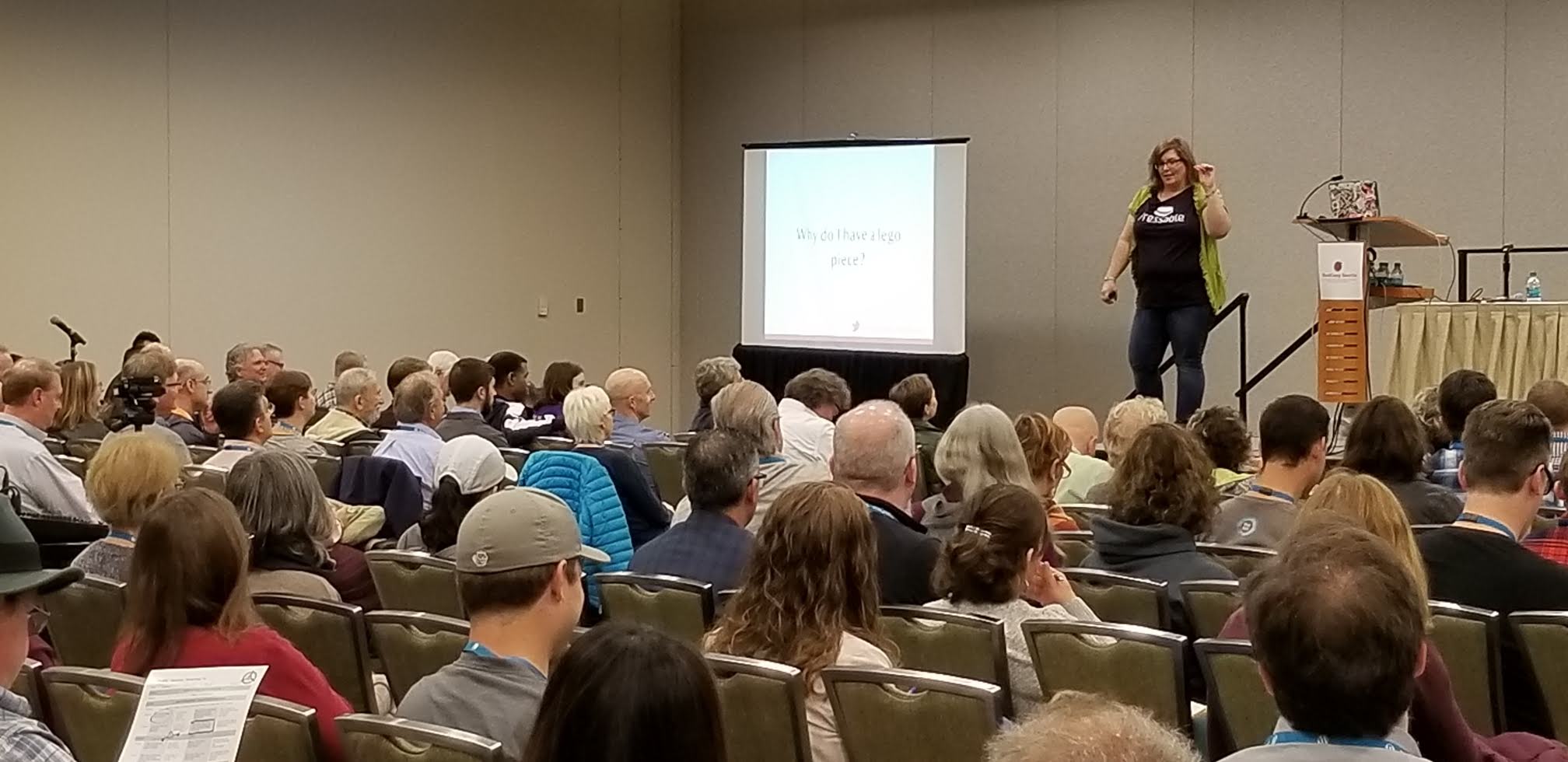
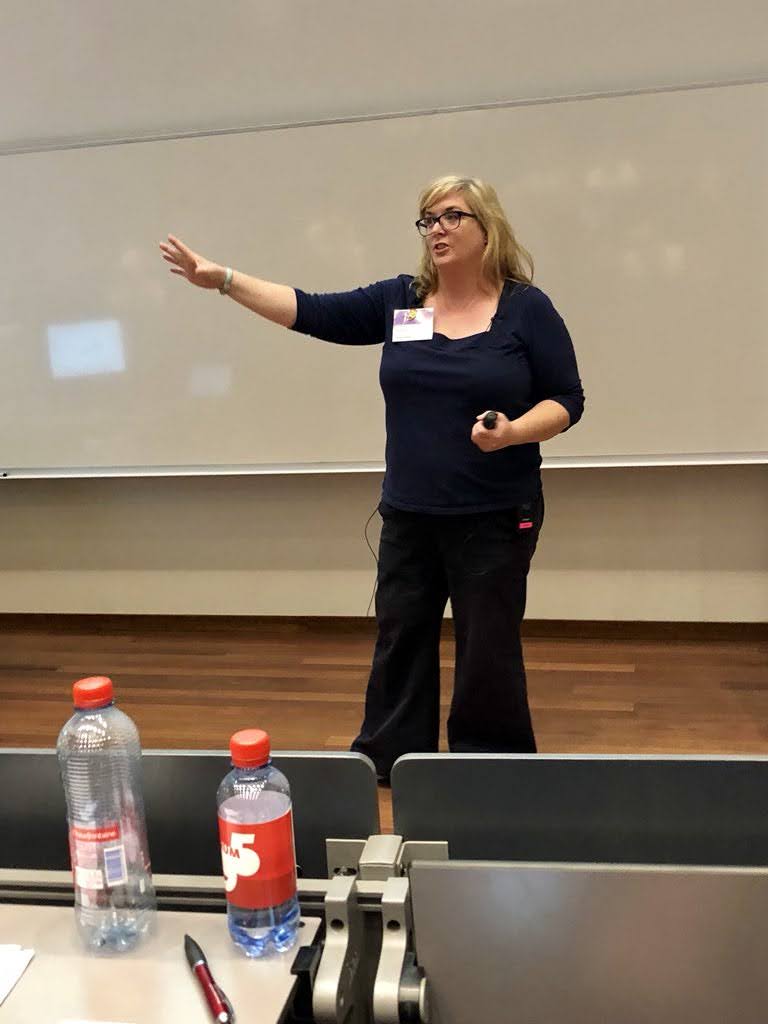
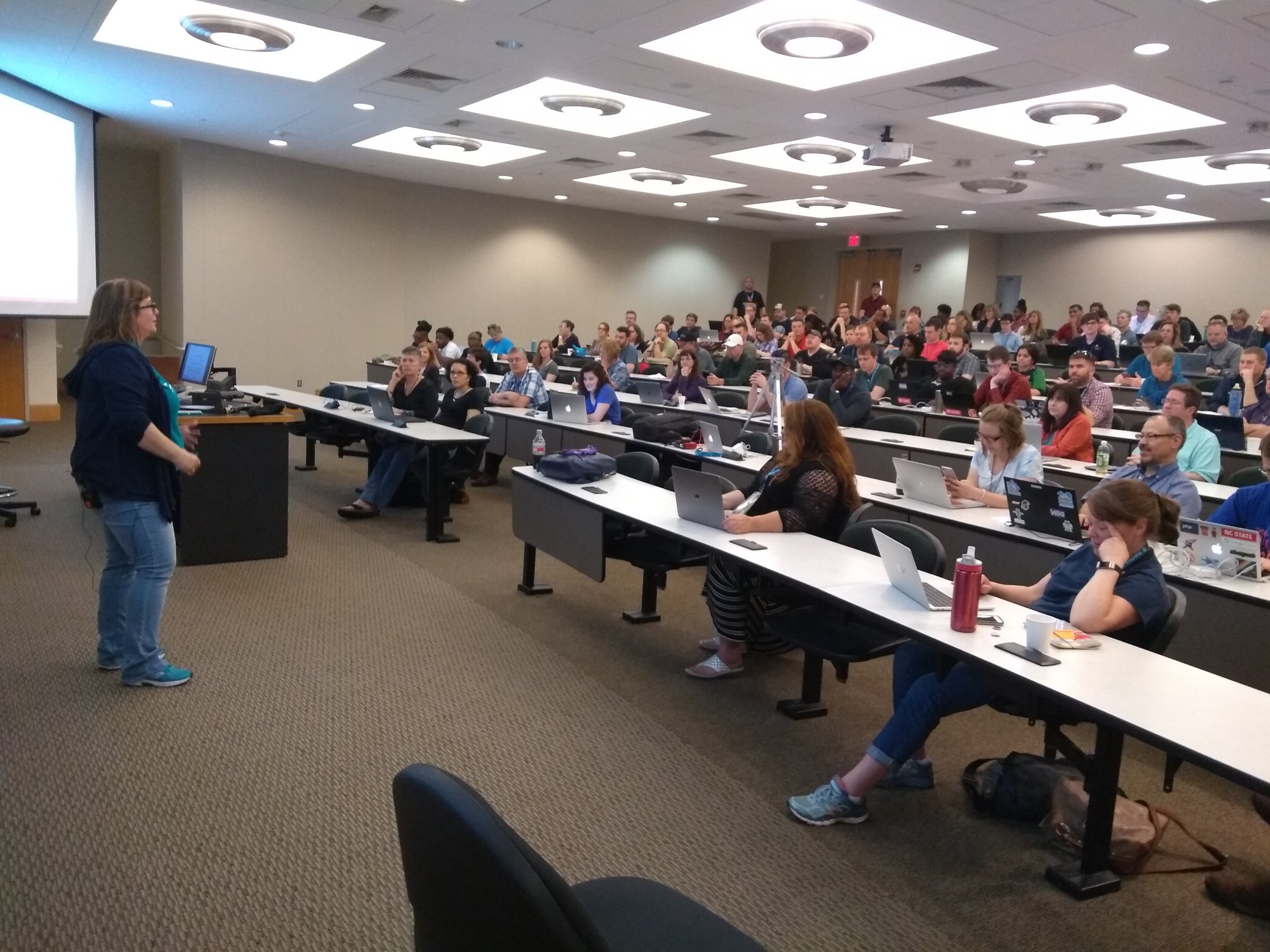
Eventually, I found my way into technology and the WordPress community. In 2015, at 42, I took what I considered my dream job with a WordPress software company. I became deeply involved in the community, traveled to speak at conferences in the U.S. and abroad, and discovered that the combination of communication, psychology, technology, and business was exactly where I belonged.
When that job ended in 2017, I initially planned to find another one. But I quickly discovered that the companies in my network couldn’t afford to hire me at the salary I needed. I was also recently widowed, with no life insurance or second income to fall back on.
So I built my own job.
My late husband had a saying he’d learned from his grandfather during the Great Depression: “A fast nickel beats a slow dime.” Instead of waiting for the perfect opportunity, I started finding ways to make money using skills I already had. Because of my background in B2B collections, some of my first clients were actually WordPress agencies that hired me to collect overdue invoices. From there, I gradually built the marketing business I still run today.
I left California for Texas in 2020 and formalized Bridget Willard, LLC in 2021. Since then, the business has gone through seasons of tremendous momentum and seasons when I’ve had to rebuild. I’ve learned that entrepreneurship isn’t one big leap of faith. It’s hundreds of decisions to adapt, learn, and keep going.
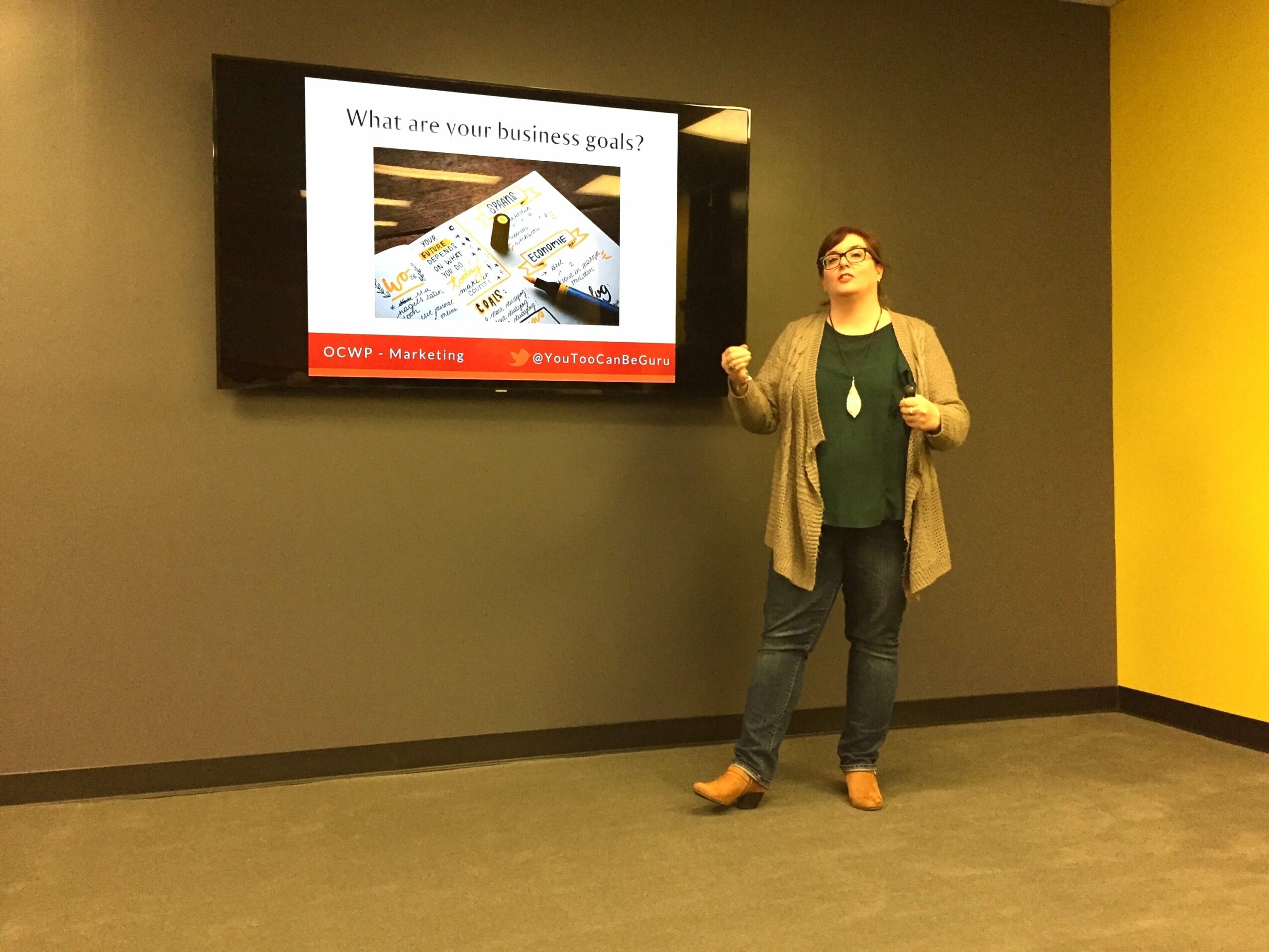
Today, I primarily work with SaaS and technology companies as a marketing consultant. I help founders and teams communicate complicated products in ways regular people can understand through content strategy, social media, articles, videos, and product messaging. Basically, through my X Management retainer, SaaS founders have access to my marketing brain. I accidentally found out I was good at positioning.
The common thread through all of it has been people. My degree emphasized psychology, my early jobs taught me how businesses and customers behave, and technology gave me an industry where I could put those things together.
That’s ultimately how I think about marketing today. Technology changes. Platforms change. Tactics change. Human behavior changes much more slowly–if at all.
My job is to understand the people on the other side of the screen and translate that for my clients.
I’m sure it wasn’t obstacle-free, but would you say the journey has been fairly smooth so far?
Absolutely not.
In 2018, while I was building my business, I had to take a part-time job at a travel agency to supplement my income. As it turned out, that job made my trip to WordCamp Europe in Belgrade much easier because the agency was run by Serbians (and a Slovenian). Even some of the detours have worked out in unexpected ways.
But there have been much harder periods.
In February 2020, I drove myself to the emergency room because that was part of my suicide emergency plan. It woke me up to how badly I was struggling. I was sleep deprived, without any real social support, and extremely lonely. I started therapy and medication, and in September 2020, I moved from California to Texas to start my life again.
That didn’t magically make everything easy. But things were better.
I took a chance on a farm experiment in Door County, WI, with my former boss raising rare-breed chickens. That taught me so much about myself. I loved working with people and with animals. I loved studying behavior. But then we ran out of operating capital and I had to take a retail job to supplement my business.
For the last three-and-a-half years, I’ve worked in several roles at TJ Maxx while continuing to run my marketing business. And, to borrow from Radiohead, “for a minute there, I lost myself.”
I seriously considered leaving marketing altogether and pursuing store management. Retail reminded me that I love leading people, solving problems, teaching, and making systems work better. There is dignity in that work just like at the farm, and I’ve learned a tremendous amount from it.
But the more I work with my marketing clients, the more I remember who I am.
I love looking at a business and figuring out why something isn’t connecting. I love talking with founders about their customers. I love writing. I love teaching. I love taking something complicated and finding the sentence that suddenly makes it understandable.
So the struggle now isn’t about discovering what I want to do. I know what I want to do. The struggle is trusting myself even when my bank account laughs in my face. The struggle is still doing it alone, with little to no social support, without a partner or spouse.
It’s about continuing to build a business that allows me to be more of who I am—to “help people,” which was the why I gave my first psychiatrist way back in February 2020.
I’ve learned that resilience isn’t dramatic; it’s quiet. Most people don’t even know your struggles. They have plenty of their own. Sometimes it looks like starting over. Sometimes it looks like taking the job you need while continuing to build the career you want. Sometimes it’s admitting that something isn’t working and changing direction.
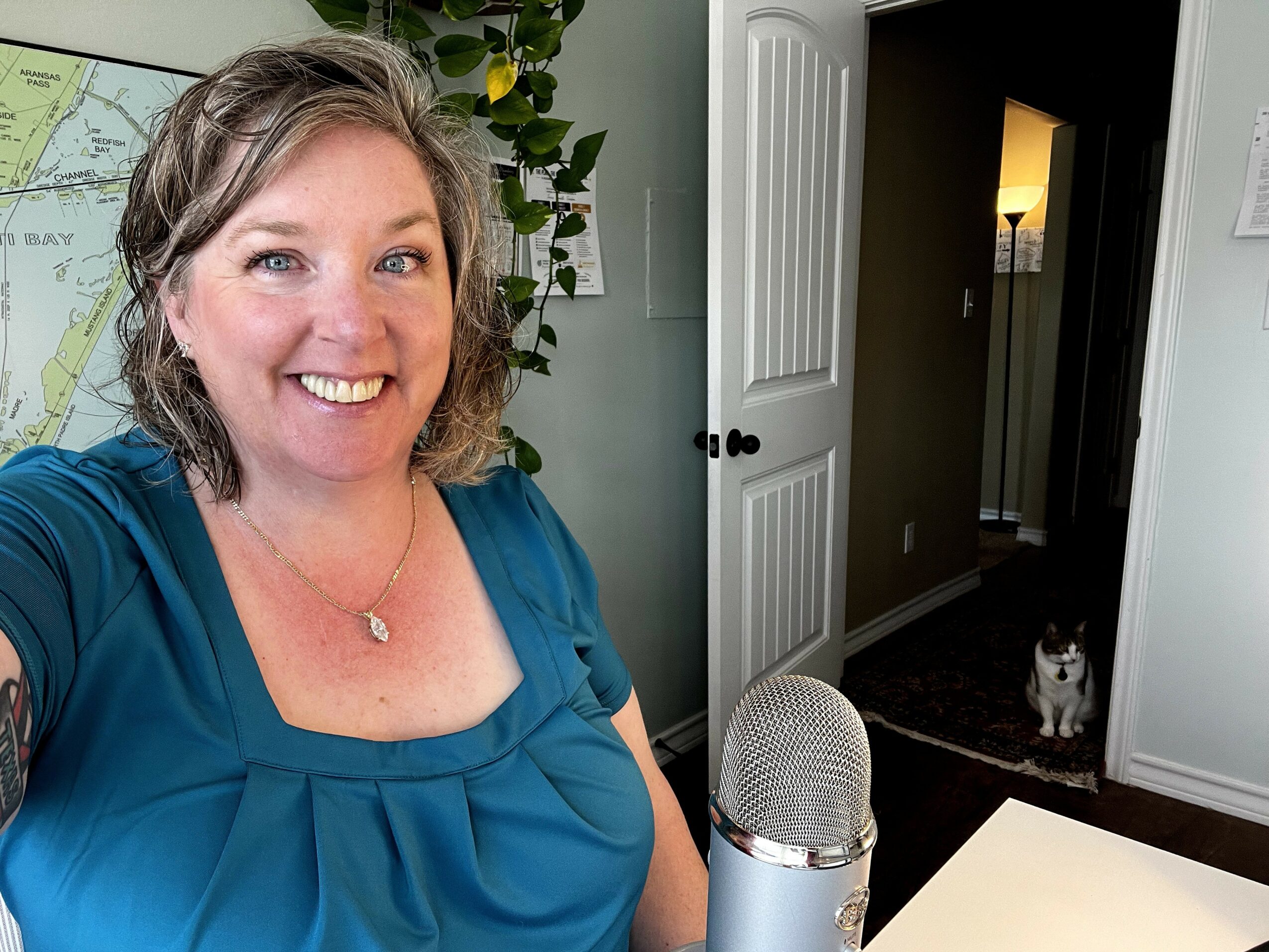
And sometimes it’s simply showing up again tomorrow for yourself, for your cat, and for your clients.
Thanks – so what else should our readers know about Bridget Willard, LLC ?
Bridget Willard, LLC is a marketing consultancy primarily serving SaaS and technology companies. I help companies become recognizable to the people who are most likely to buy from them.
I specialize in organic social media strategy, particularly on X (Twitter), as well as content strategy, articles, product messaging, and educational content. But the deliverable isn’t really what sets my work apart. It’s how I approach the problem.
I’m obsessed with human behavior.
My degree emphasized psychology, and long before I became a marketer, I worked in customer service, collections, accounting, construction, and other industries where understanding people was essential. Even my brief adventure raising rare-breed chickens reinforced how fascinated I am by behavior. I watch what people do, what they respond to, what confuses them, what questions they ask, and what makes them trust someone.
That’s how I approach marketing.
I believe recognition comes before trust, and trust comes before sales. A company can have the best product in its category, but if the people who need it don’t recognize the name or understand why it matters, they’re unlikely to buy it.
That’s why I’m much less interested in chasing impressions than I am in helping companies build relationships with the people in their market. A support ticket can become an article. A sales objection can reveal a messaging problem. A conversation on X can become a customer relationship. Marketing opportunities are everywhere when you pay attention to what people are telling you.
I also believe marketers should understand the businesses they’re marketing. I don’t want to sit on the sidelines waiting for someone to hand me a content calendar. I ask questions. I use the product. I talk to founders. I study competitors. I look for patterns. I want to understand what we’re selling, who we’re selling it to, and why those people should care.
I’m probably most proud that my business has increasingly become associated with a point of view rather than a list of services. I’ve spent years writing, speaking, teaching, and experimenting publicly, and I’ve developed a simple philosophy around marketing: Recognition → Trust → Sales.
You don’t need everyone on the internet to pay attention to you.
You need the right people to recognize you, understand you, and eventually trust you enough to buy from you.
That’s the work I love doing.
How do you define success?
In the first year of my business, success meant meeting 97% of my revenue goal.
Around that time, I got a tattoo in Mandarin that says “abundance.” I wanted something to remind me that, unlike many women who build a legacy through their families, my abundance had nothing to do with my uterus and its lack of function.
I wanted that dream. Six kids. Pancakes on Saturdays. Baseball practice and ballet. Genetics had a different plan.
So I’ve had to think a lot about what makes a life successful.
If you define success only financially, you could look at me working a 30-hour-a-week retail job while running my business and say I’m not successful. By that measure, you’d be right.
If you define success as building a traditional family, you could look at me—a widow of ten years, still without a spouse or significant other—and reach the same conclusion.
But those aren’t the only measures available to us.
If you define success as not quitting, I’m very successful. If you define it as endurance, I’m right up there. If you define it as keeping a business alive for nine years through enormous changes in my life, my industry, and technology—including AI eliminating much of the writing work I once relied on—then I’m doing pretty well.
Today, success to me is autonomy. It’s perseverance.
It’s watching companies I’ve worked with get acquired. It’s discovering that a CNBC correspondent followed one of my clients on X. It’s seeing leads become customers. It’s watching someone sit up a little straighter after a coaching session because they suddenly see themselves or their business differently.
It’s knowing that something I wrote helped someone understand an idea. That a conversation changed someone’s approach. That the work I did helped a client become more recognizable, more trusted, or more successful.
Of course I want financial success. I have bills like everyone else. I want my business to grow. I want more freedom over my time and the ability to build the life I want.
But money is a measurement of success, not the definition of it.
My success is the work, not my tax bracket.
Pricing:
- Marketing consulting, content, and social media services: custom pricing based on scope. Current offerings at bridgetwillard.com/pricing.
Contact Info:
- Website: https://bridgetwillard.com
- Instagram: https://www.instagram.com/bridgetmwillard/
- Facebook: https://www.facebook.com/bridget.willard
- LinkedIn: https://linkedin.com/in/bridgetwillard
- Twitter: https://x.com/BridgetMWillard
- Youtube: https://www.youtube.com/@BridgetMWillard