




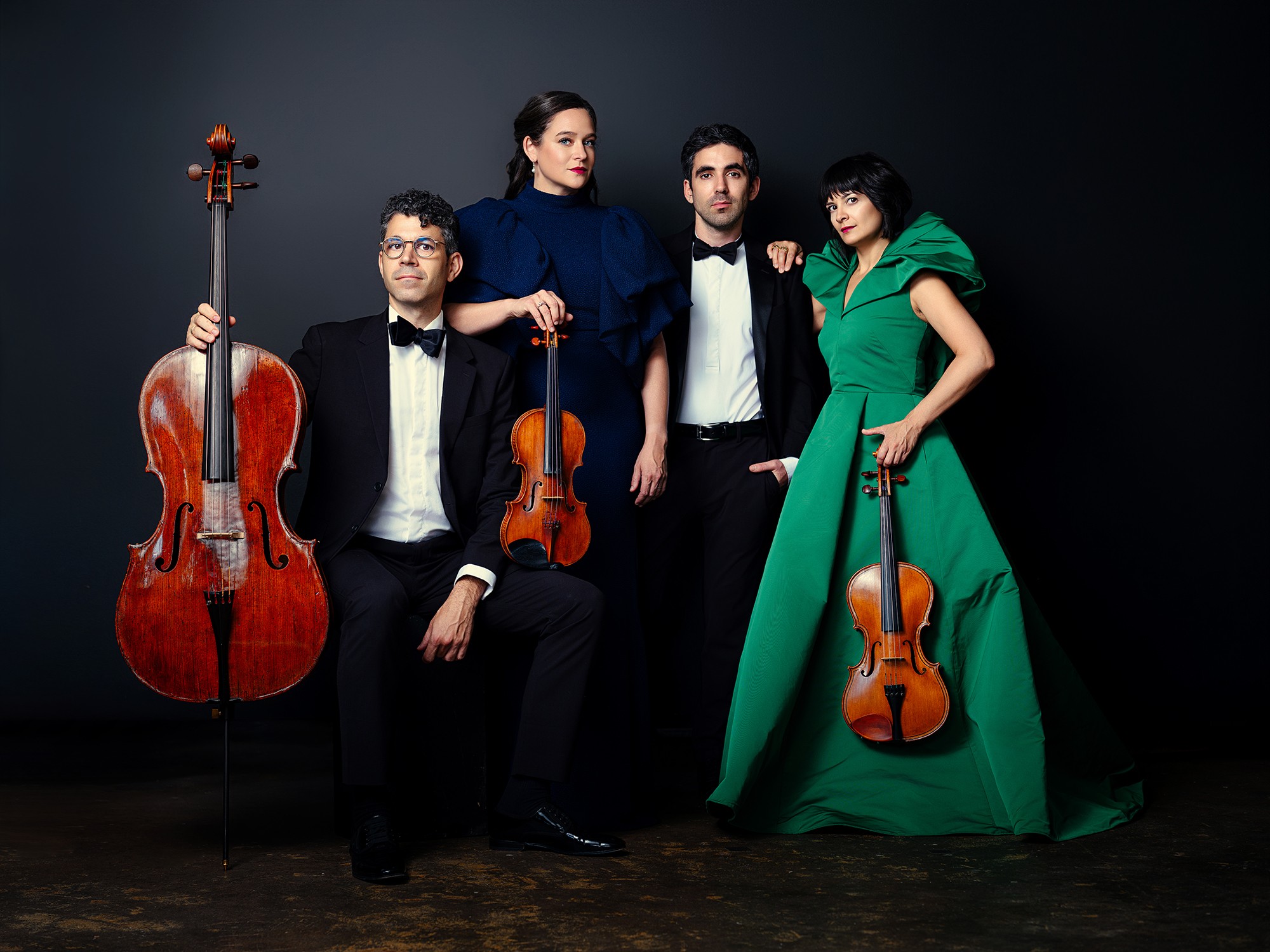
Today we’d like to introduce you to Marisa Bushman.
Hi Marisa, we’d love for you to start by introducing yourself.
I came to San Antonio as a musician, and over time it became much more than the place where I lived and worked—it became home. Like many classically trained musicians, I had spent much of my early life following a fairly established path: intensive study, auditions, performances, and work within traditional musical institutions. I was grateful for those experiences, but they also made me increasingly curious about what a life in classical music could look like if we had more agency in shaping it ourselves.
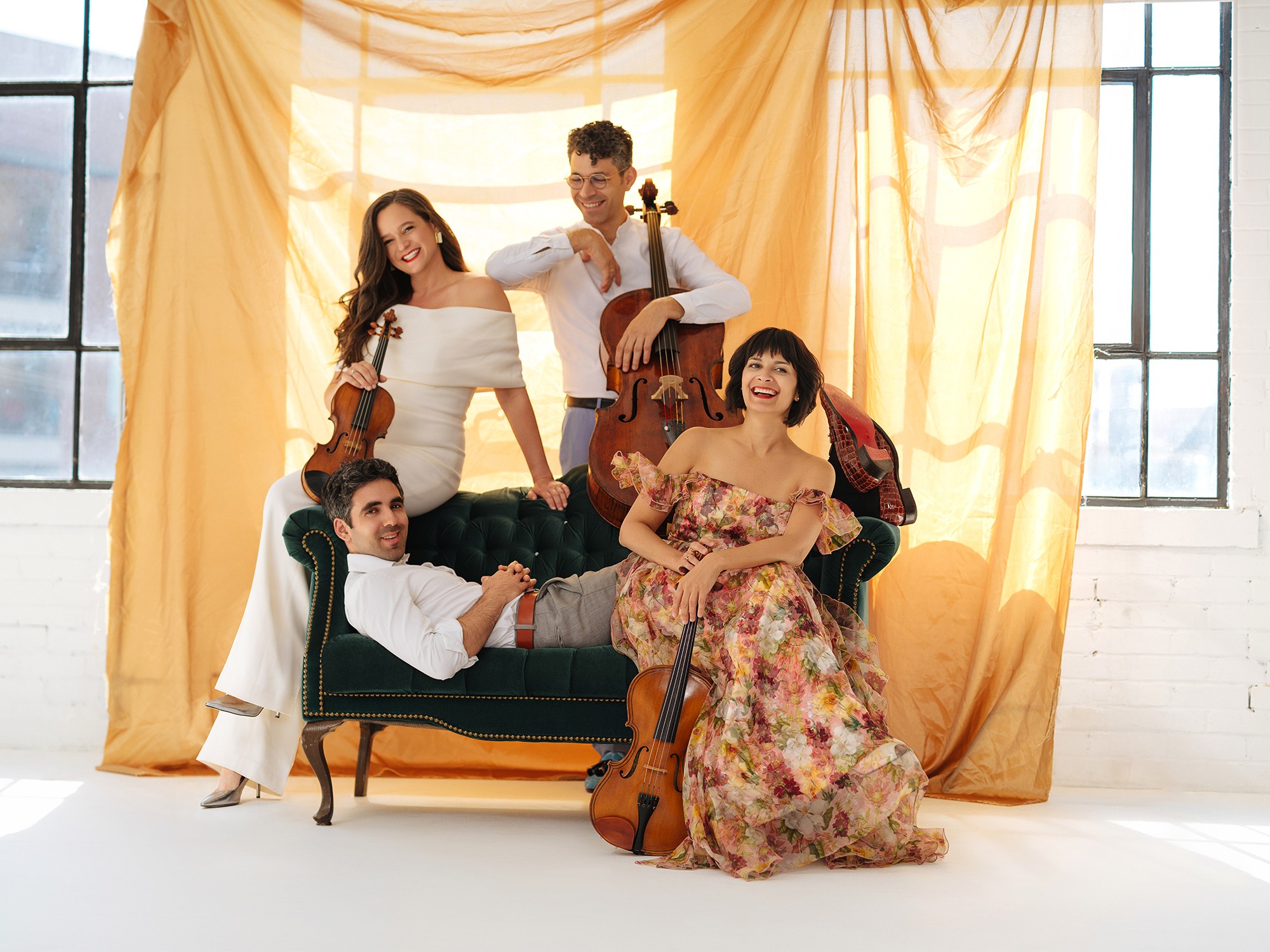
That curiosity was shared by the four of us who eventually founded Agarita. We were all active musicians in San Antonio, and we found ourselves having many of the same conversations—not because we wanted to reject the institutions or traditions that had shaped us, but because we wanted greater autonomy over our artistic futures. We wanted to decide what we played, where we played, whom we worked with, and perhaps most importantly, what role classical music could have in the community we actually lived in.
Agarita grew from that shared desire.
From the beginning, we were interested in more than creating another chamber music ensemble. We wanted to think seriously about what classical music could look like in San Antonio, for San Antonio. That meant preserving the rigor, depth, and beauty of the art form while being willing to question some of the conventions surrounding it. Why should a meaningful musical experience only happen in a traditional concert hall? Why should cost be a barrier? Why should the relationship between performer and audience feel distant or predetermined? And what might happen if classical musicians approached their community not only as performers, but as listeners and collaborators? Classical music needed to be taken out of the ivory tower and given back to our community in a meaningful, accessible way.
Those questions began shaping everything we did. We made our concerts free, but quickly learned that access is about much more than removing a ticket price. It is also about geography, language, atmosphere, relationships, and whether people feel that an artistic experience genuinely belongs to them. Our collaborations with poets, dancers, visual artists, chefs, educators, and musicians from different traditions have continually expanded our own ideas about what a concert can be.
In many ways, Agarita has been an exercise in collective authorship. The four of us have had to learn how to be not only musicians, but builders, advocates, fundraisers, educators, and members of a larger civic ecosystem. We make decisions together, challenge one another, and bring different instincts and perspectives to the table. That can be complicated, but it is also central to what Agarita is. The organization is not the expression of one person’s artistic vision; it is something that exists in the space between the four of us and the community around us.
As Agarita has grown, I think our understanding of success has grown with it. Artistic excellence remains essential to us, but excellence alone is not enough. We are increasingly interested in whether the work creates connection, curiosity, and a sense of shared ownership.
Ultimately, I think we started Agarita because we wanted some agency over what our own futures as musicians could look like. What we discovered was a much larger question: What could the future of classical music look like if it were shaped not only by musicians and institutions, but by the community it hopes to serve?
For us, San Antonio is not simply the place where Agarita performs. It is part of the reason Agarita exists at all.
Would you say it’s been a smooth road, and if not what are some of the biggest challenges you’ve faced along the way?
Definitely not—and in some ways, I think the difficult moments have clarified who we are more than the easy ones.
The pandemic was probably the clearest example. Agarita was built around live performance, collaboration, and bringing people together in shared spaces. Almost overnight, all of that became impossible. Like every arts organization, we had to confront a very basic question: if we could no longer gather people indoors in the way we had imagined, how could we continue performing and remain connected to our community?
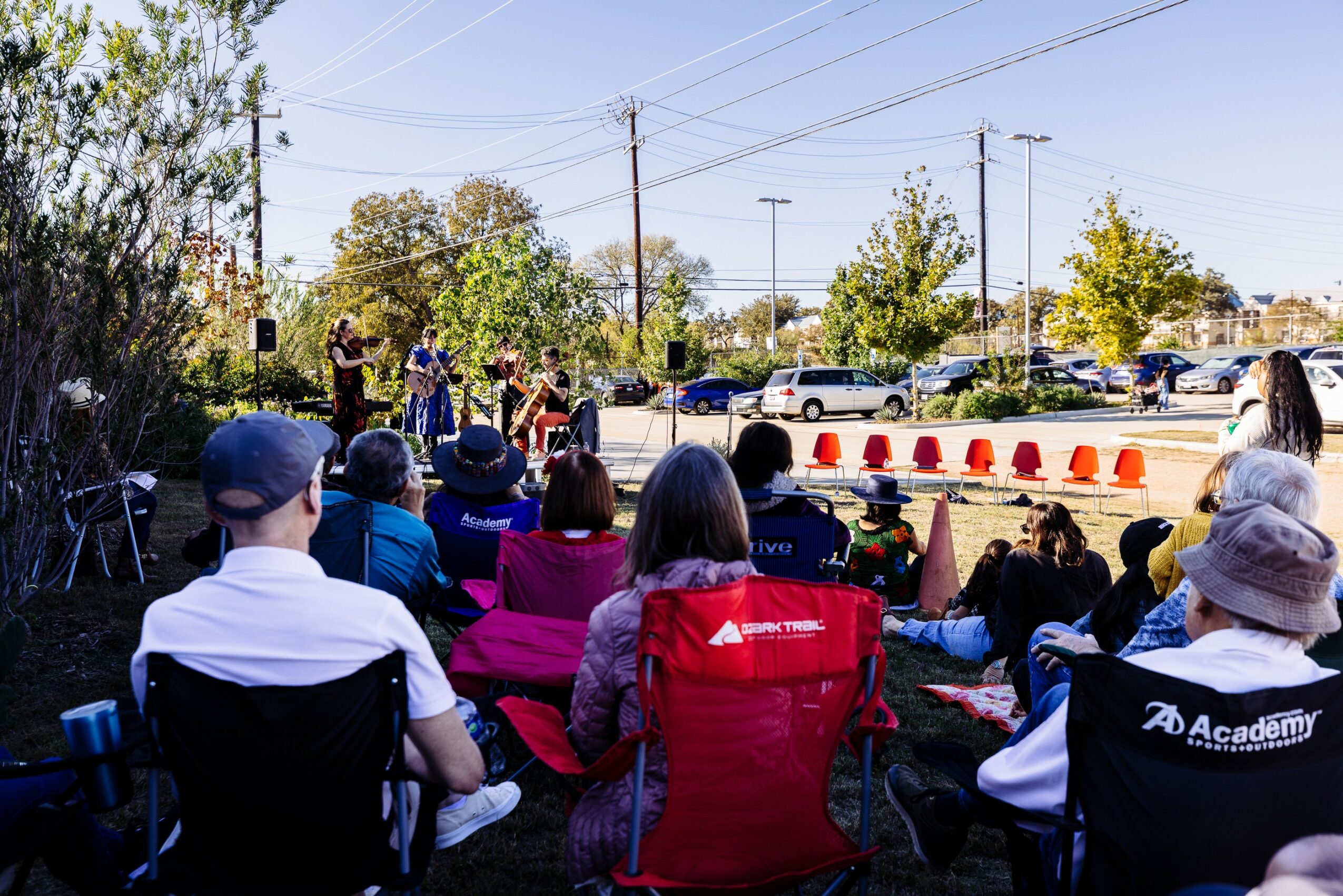
Our response was the Humble Hall, a mobile concert hall that allowed us to keep performing outdoors and bring live music directly into neighborhoods and communities across San Antonio. At a moment when so much cultural life had gone quiet, it gave us a way to continue doing what felt essential: making music in real time, with people physically present, even if the setting had completely changed.
Instead of waiting for audiences to come back to us, we could go to them. We could perform in parks, neighborhoods, and other outdoor spaces that had never been conceived as traditional concert venues. In many ways, the pandemic forced us to discover a new kind of concert hall—one without walls.
In retrospect, the Humble Hall taught us an important lesson: sometimes a constraint forces you to see possibilities that were there all along.
The pandemic could easily have pushed us into simply trying to preserve what we had already built. Instead, it forced us to reconsider what Agarita could be. And that instinct—to respond, adapt, and keep evolving—has stayed with us.
I think we have come to see Agarita less as a fixed model and more as a living one. The Humble Hall is one example of that. Something created out of necessity became a permanent part of how we think about access, place, and community.
Alright, so let’s switch gears a bit and talk business. What should we know about your work?
Agarita is a San Antonio-based performing arts ensemble, but collaboration has always been one of the fundamental pillars of who we are. We believe some of the most meaningful artistic experiences happen when different disciplines, perspectives, and communities are brought into genuine conversation with one another.
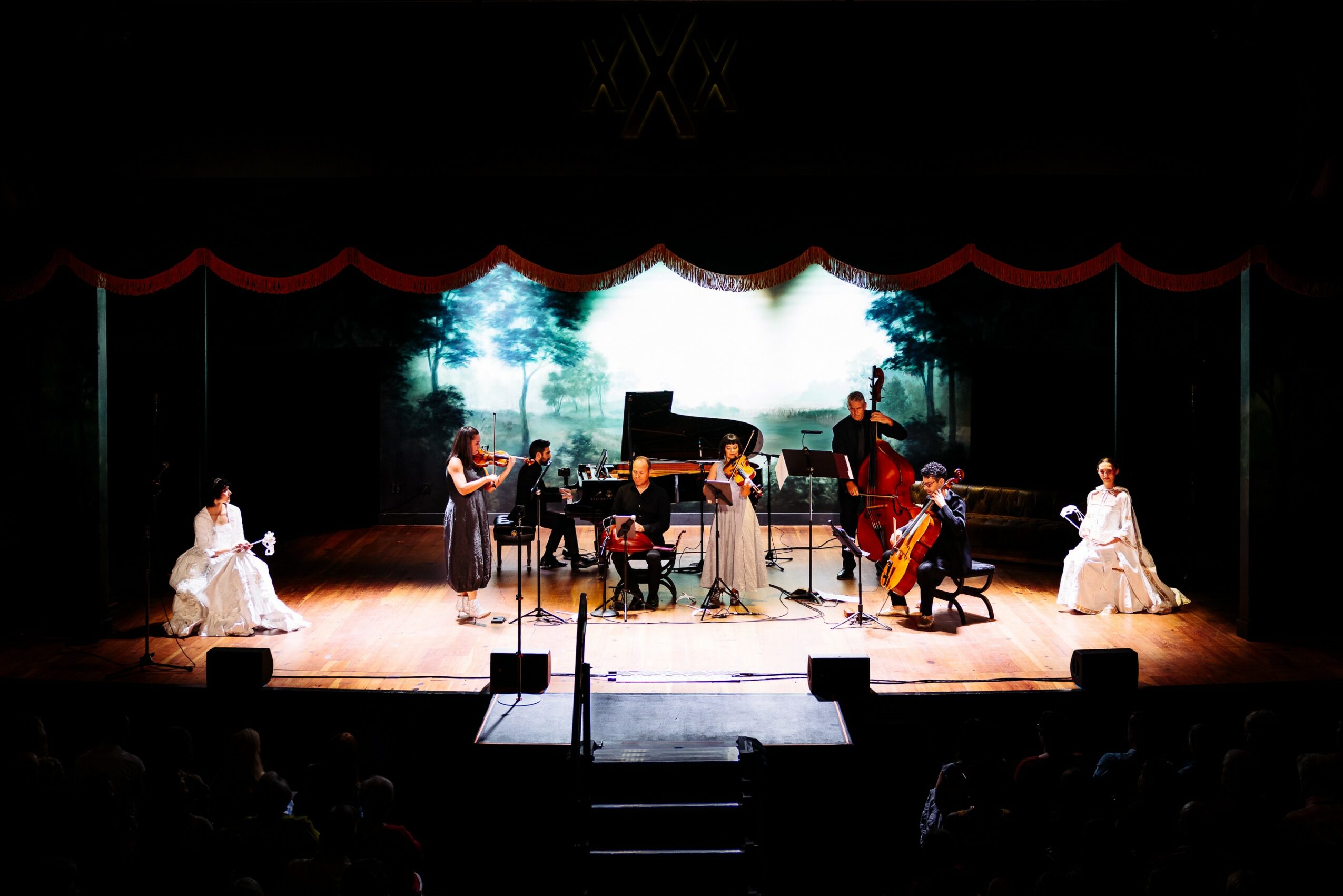
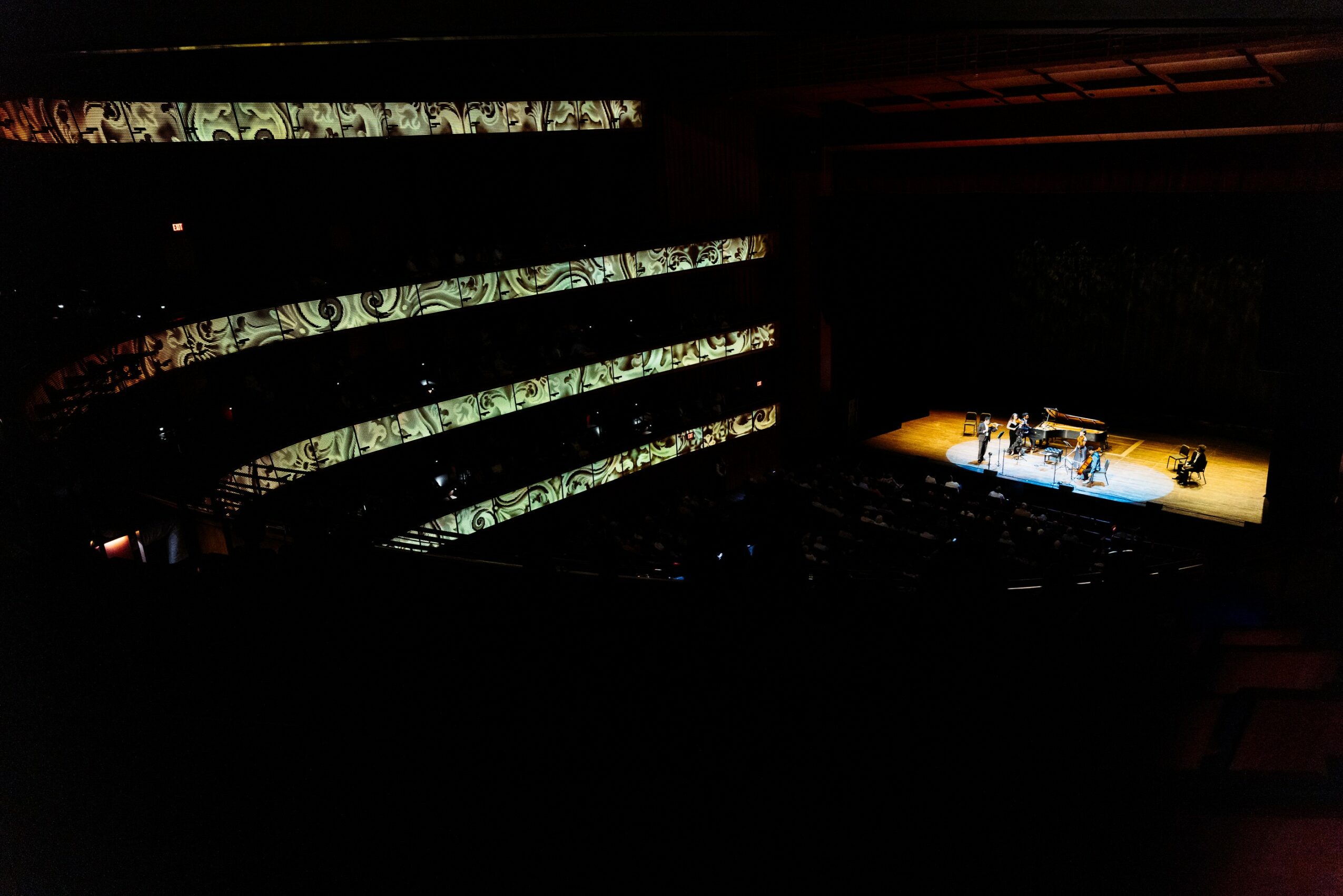
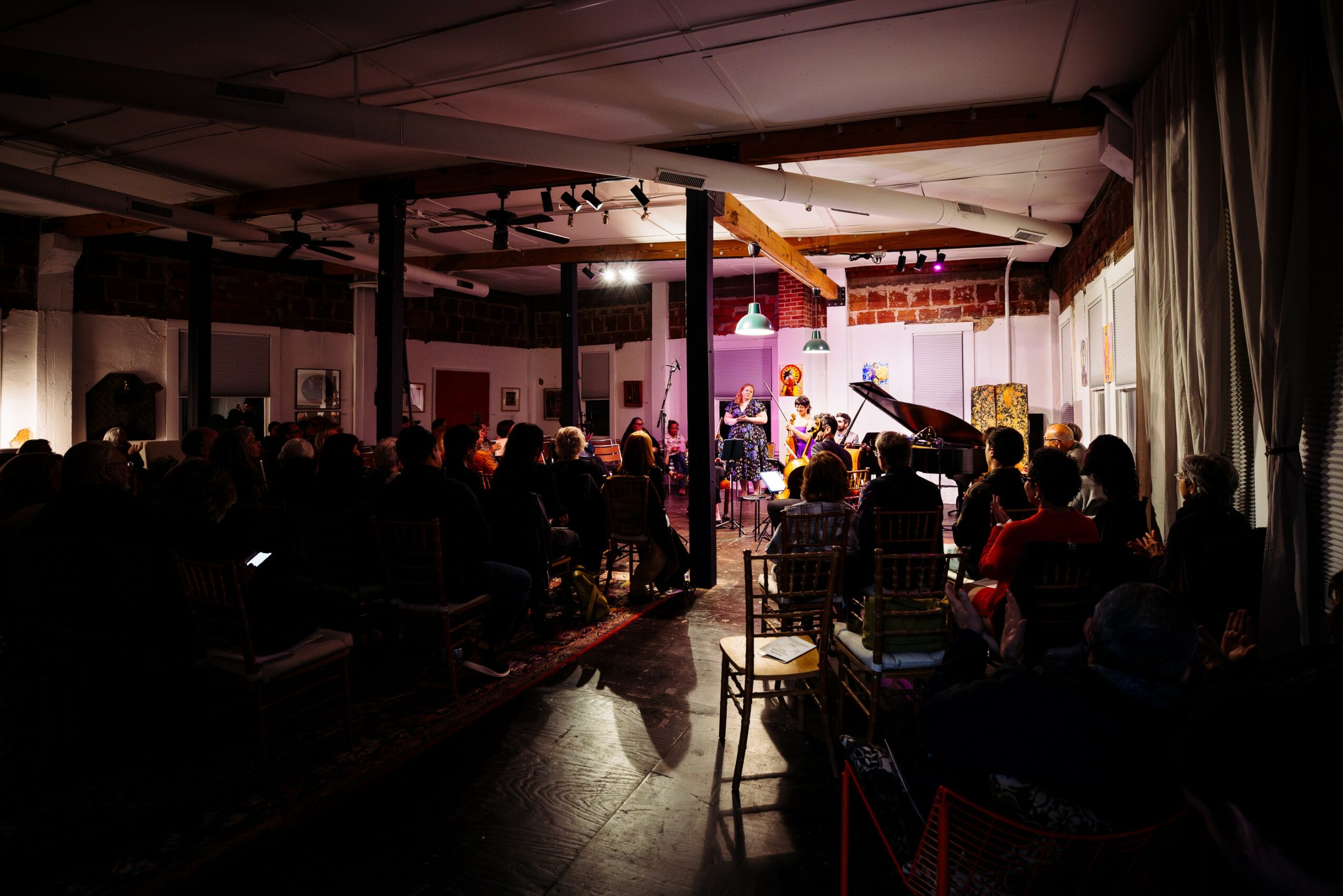
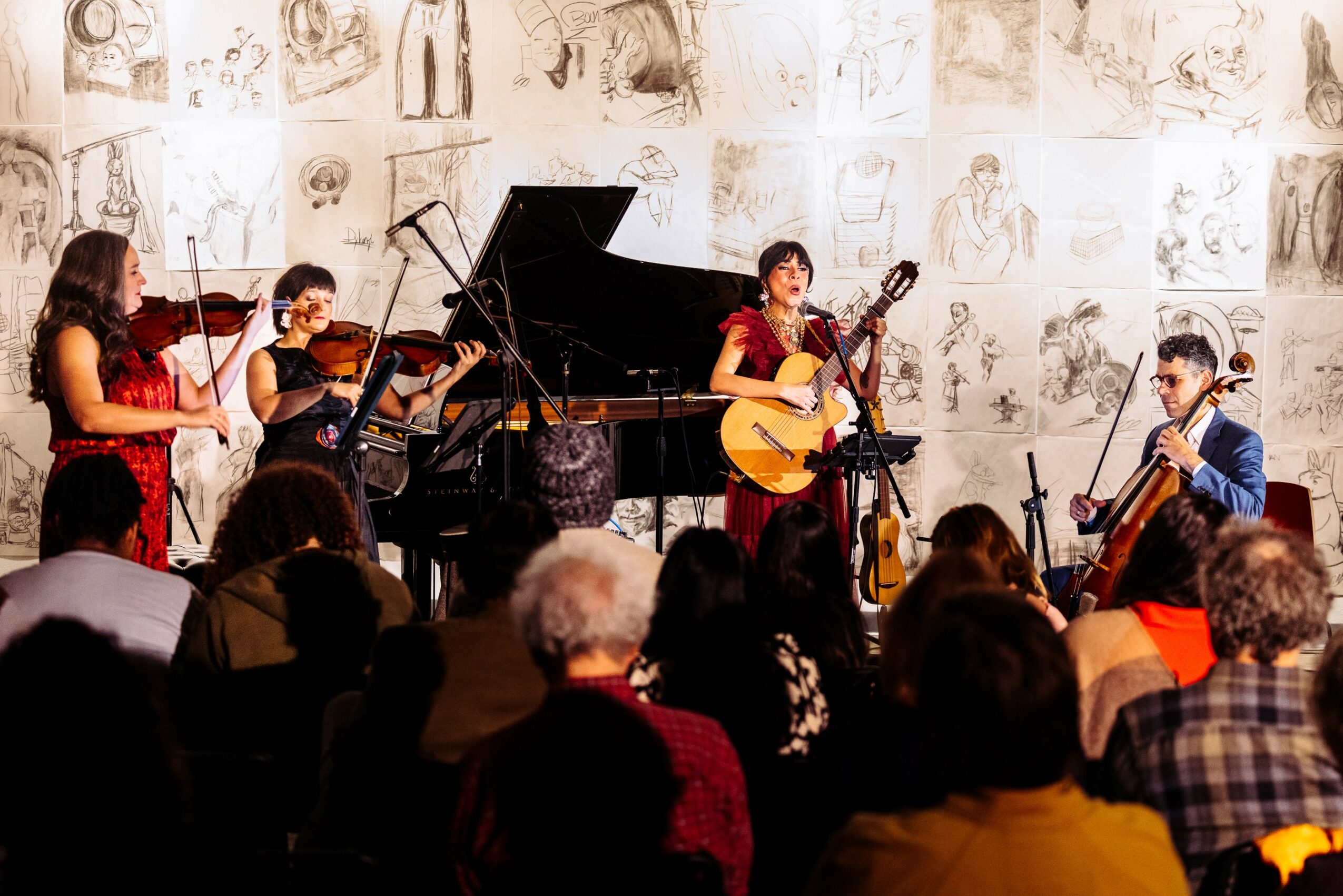
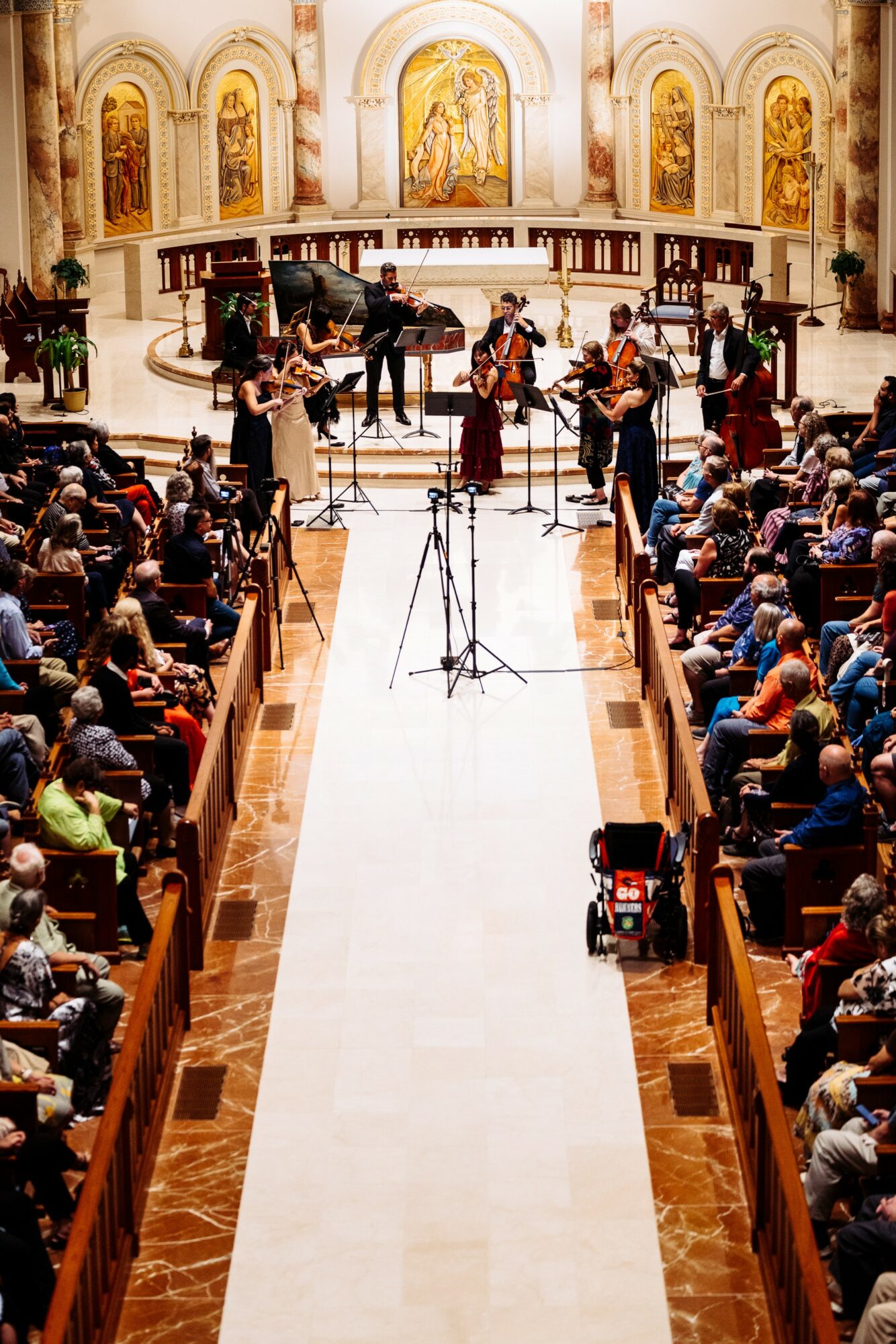
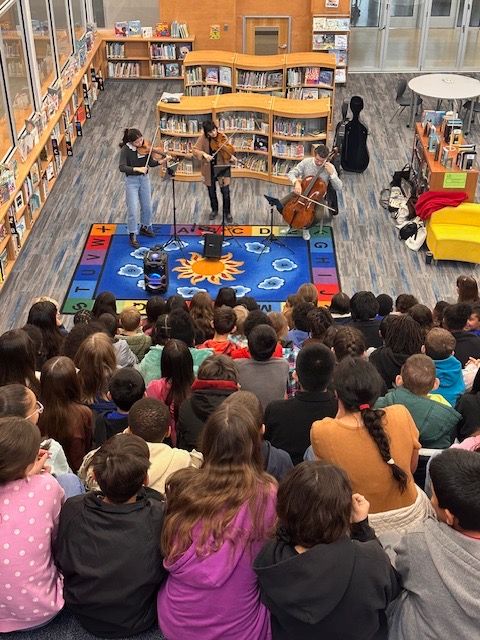
We specialize in creating chamber music experiences that are rigorous and imaginative, but also open and approachable. Our concerts are free, and we perform not only in traditional venues, but throughout the community—in neighborhoods, schools, public spaces, and through our mobile concert stage, the Humble Hall. Just as importantly, we collaborate extensively with dancers, poets, visual artists, chefs, filmmakers, educators, and musicians from other traditions.
For us, collaboration is not an accessory to the music or a way to make a program feel novel. It is central to our artistic process. A meaningful collaboration asks everyone involved to give something up—to listen, to adapt, and to allow another person’s perspective to change the work. That exchange often leads us somewhere we could not have reached on our own.
I think that is one of the things Agarita is known for: creating experiences where different art forms do not simply coexist, but actually speak to one another. We are interested in the space between disciplines, because that is often where something unexpected and deeply human emerges.
That same philosophy extends beyond artistic collaboration. We see our relationships with schools, neighborhoods, community organizations, presenters, and audiences as collaborations as well. We are not interested in simply arriving somewhere, performing, and leaving. We want to understand the people and places we are working with and allow those relationships to shape what we do.
What I am most proud of is that Agarita has become something that feels distinctly of San Antonio. We did not want to import a model from another city and reproduce it here. San Antonio is culturally rich, complex, and deeply relational, and our work has grown from those qualities. In many ways, the city itself is one of our most important collaborators.
What sets Agarita apart is the combination of artistic excellence, access, mobility, and collaboration. We care deeply about the integrity of the music, but we do not believe excellence requires exclusivity. We do not think formality is the same thing as seriousness, and we do not see collaboration as a compromise of artistic vision. Often, it makes the work more rigorous because it requires us to question our own assumptions.
Ultimately, Agarita is built around the idea that art becomes more meaningful through exchange. The goal is not simply to bring classical music to more people, but to create situations in which artists and communities can influence one another. We value collaboration because it asks us to listen, adapt, and make something none of us could have made alone.
We’d love to hear about any fond memories you have from when you were growing up?
One of my favorite childhood memories is tied to how I first came to music and specifically, the violin. I learned through Opus 118 in a public school in East Harlem, surrounded by children from an incredibly diverse range of backgrounds. Music was simply part of our school experience—we were given the opportunity to learn, to work seriously, and to discover what we were capable of.
When I was nine years old, I had the extraordinary experience of performing at Carnegie Hall as part of Fiddlefest, sharing the stage with musicians including Itzhak Perlman and Isaac Stern. At nine, I certainly did not understand the full significance of the moment. I just knew that I was standing on the stage at Carnegie Hall, violin in hand, surrounded by some of the greatest musicians in the world.
What makes that memory even more meaningful to me now is why Fiddlefest existed in the first place. In 1991, budget cuts to New York City public schools eliminated the East Harlem violin program led by Roberta Guaspari. Rather than allowing the program to disappear, parents, teachers, volunteers, and musicians rallied around it. Opus 118 was formed, and Fiddlefest was conceived as a benefit concert to help keep that music alive.
So when I look back at that night at Carnegie Hall, I see it very differently now. I wasn’t there because my family had sought out an elite musical opportunity for me. I was there because someone believed children in a public school in East Harlem deserved access to serious music education—and because a community fought to preserve that access when it was threatened.
That has stayed with me throughout my life.
I learned very early, without having the language for it then, that access and excellence are not opposing ideas. Giving a child access to something extraordinary does not diminish its value; it expands who has the opportunity to participate in it. A public school classroom in East Harlem ultimately led me to Carnegie Hall and, more importantly, toward a life in music.
I think that experience is deeply connected to the work I do today with Agarita. When we talk about making our concerts free, bringing the Humble Hall into neighborhoods, working in schools, or removing some of the traditional barriers surrounding classical music, accessibility is not an abstract organizational value for me. I know personally what can happen when someone opens a door for a young person and simply says: this belongs to you, too.
Contact Info:
- Website: https://agarita.org
- Instagram: https://instagram.com/agarita_san_antonio
- Facebook: https://facebook.com/agaritachamberplayers
- Youtube: https://www.youtube.com/@agaritachamberplayers6487