




Today we’d like to introduce you to Jordan Taylor.
Hi Jordan, so excited to have you on the platform. So before we get into questions about your work-life, maybe you can bring our readers up to speed on your story and how you got to where you are today?
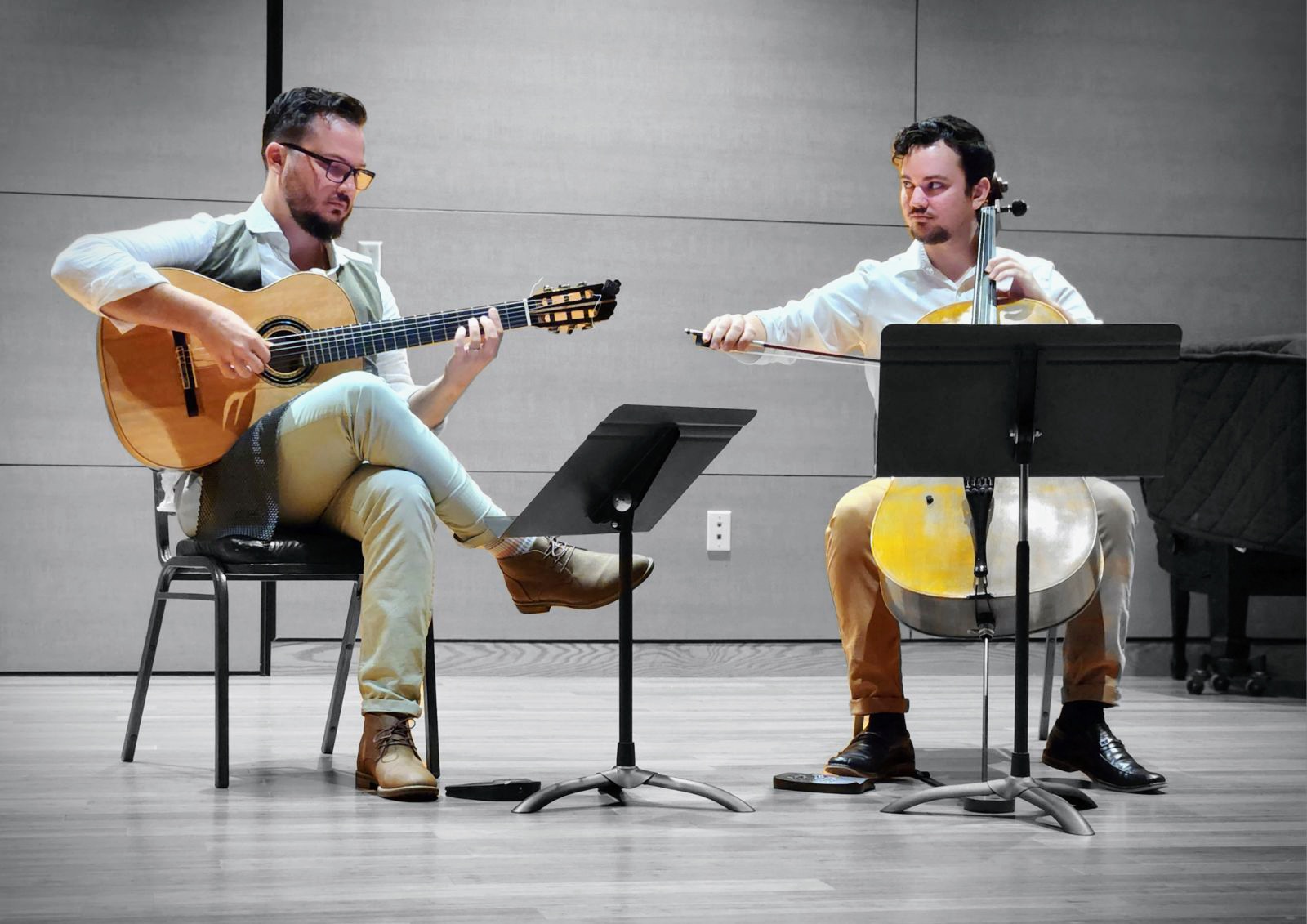
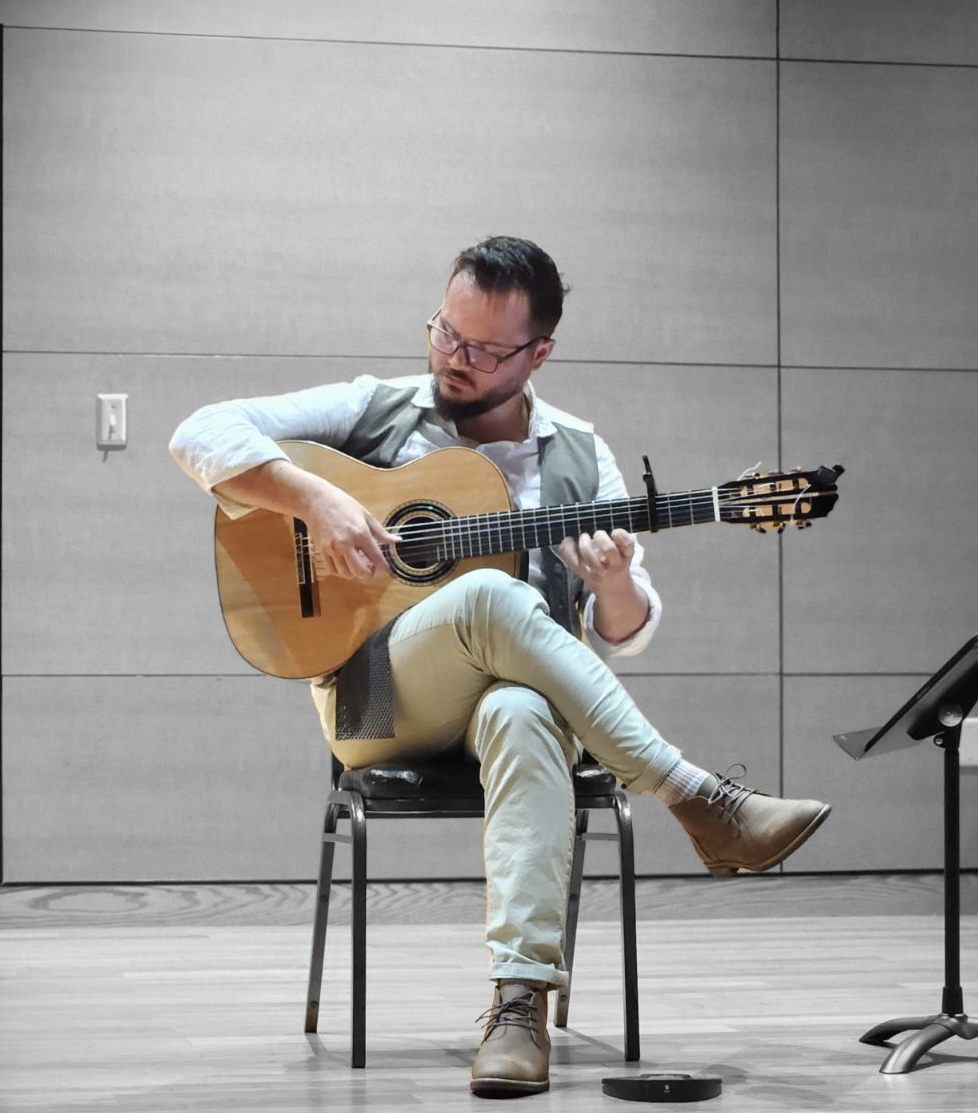
Music has shaped my life for as long as I can remember. What began as a passion for classical guitar eventually led me to earn bachelor’s, master’s, and doctoral degrees in guitar performance, but my journey has never been confined to the concert stage. Early in my career, I realized that music had the power to do much more than entertain—it could build relationships, bridge cultures, and create opportunities for people who otherwise might never have access to them.
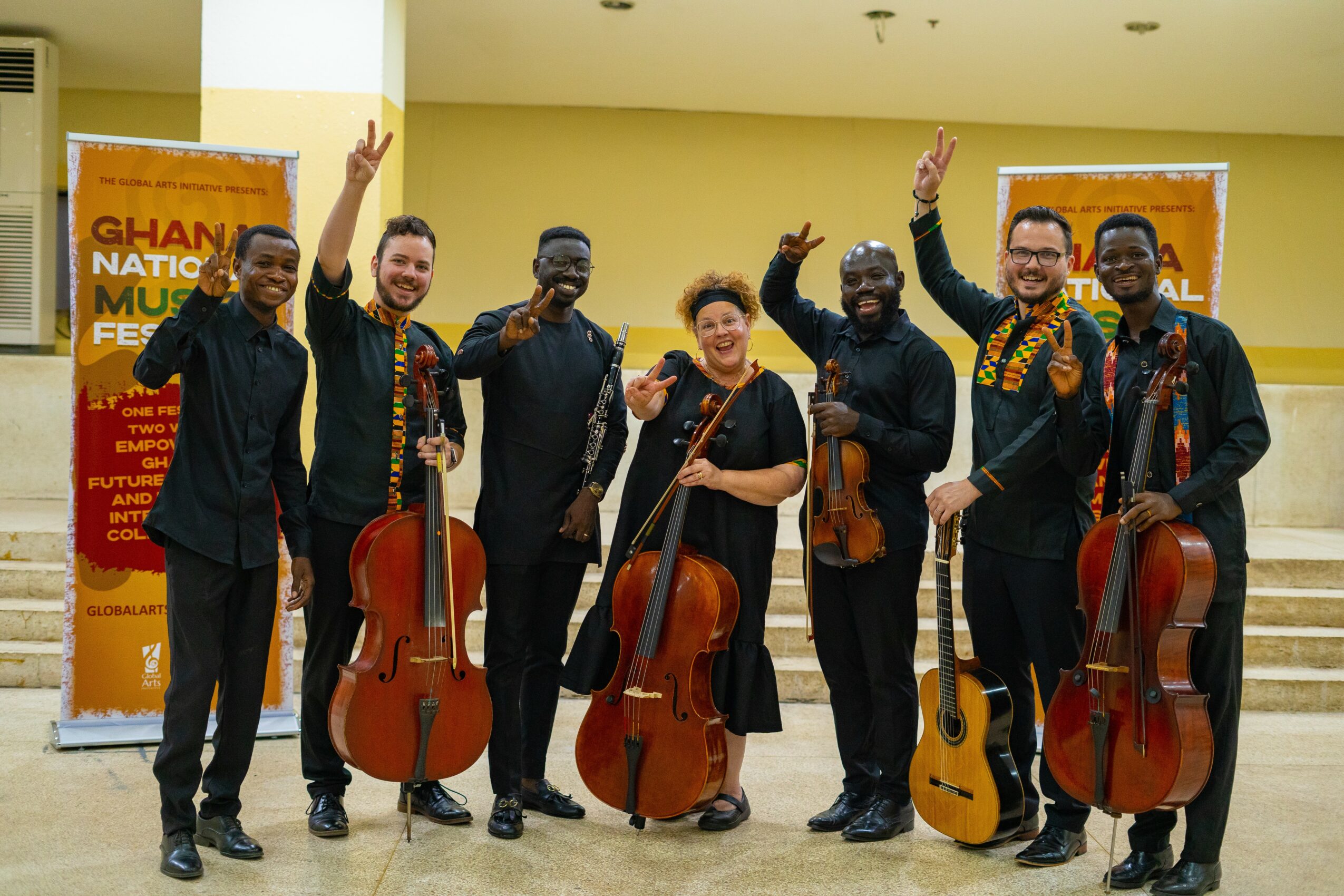
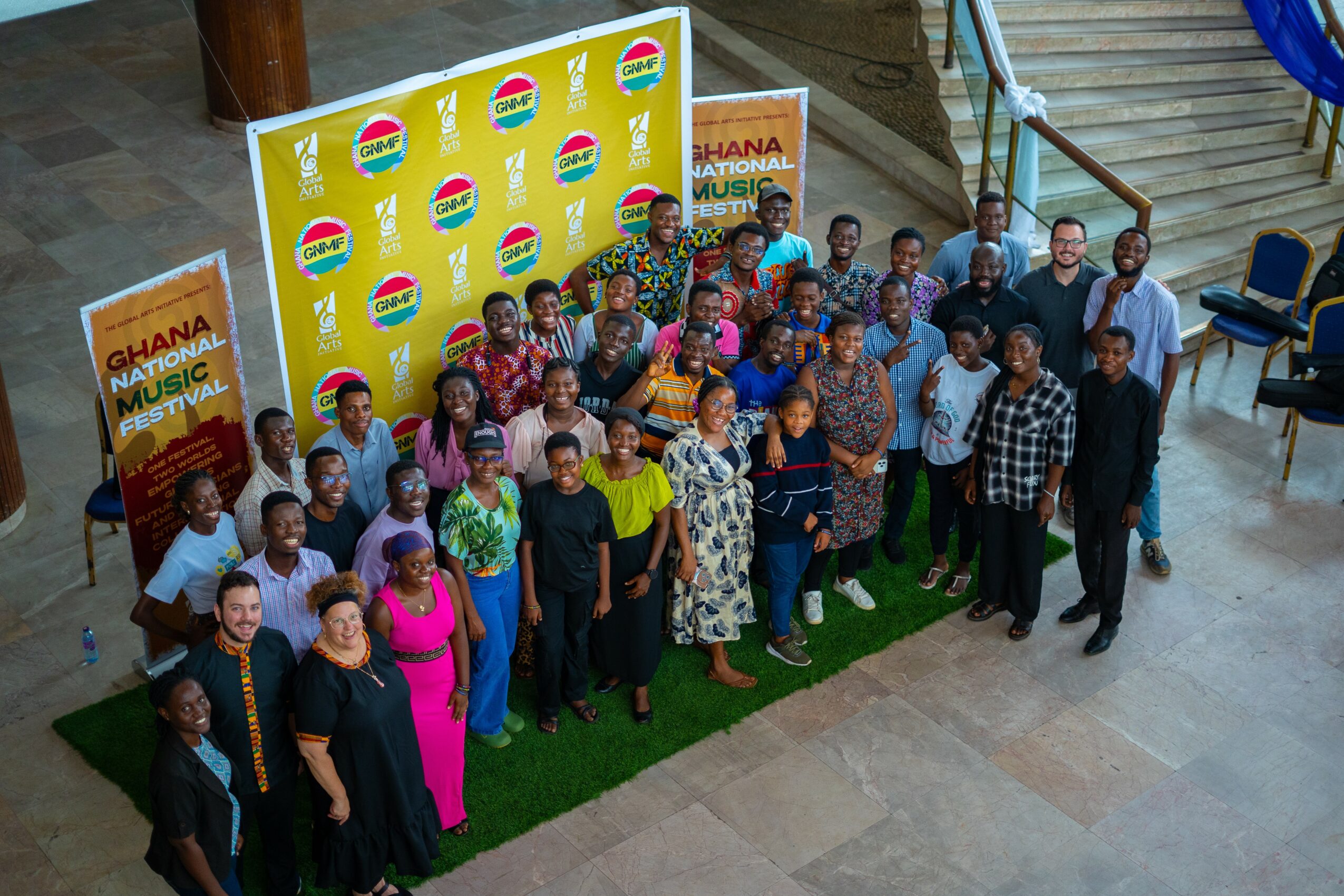
That realization led me to Ghana, where I spent the first fifteen years of my life immersed in the country’s rich and beautiful culture. For the last 11 years, I’ve worked alongside Ghanaian musicians in a way that ahs transformed the way I viewed music, education, and cultural exchange. In 2015, I founded the Ghana National Music Festival to create meaningful educational opportunities for young Ghanaian musicians while fostering artistic collaboration between Ghanaian and American performers. What started as a small vision has grown into one of Ghana’s premier classical music education festivals, serving hundreds of students and helping launch the careers of many young musicians.
Those experiences ultimately inspired me to found the Global Arts Initiative, a nonprofit organization dedicated to using the world’s diverse musical traditions to bridge cultural divides, inspire global connection, and expand access to music education in underserved communities. Today, my work spans performing, teaching, research, nonprofit leadership, and creating educational programs that connect artists and communities across continents.
Looking back, none of this was part of a master plan. Every opportunity simply grew out of saying “yes” to relationships, embracing unfamiliar cultures, and believing that music has the unique ability to bring people together. That belief continues to guide everything I do today, whether I’m performing on stage, teaching students, or building programs that create opportunities for the next generation of musicians.
We all face challenges, but looking back would you describe it as a relatively smooth road?
It definitely hasn’t been a smooth road. Building an international nonprofit while balancing a career as a performer, educator, researcher, husband, and father has required a constant willingness to adapt. Like many nonprofit founders, I’ve experienced seasons of financial uncertainty, long hours, and moments where the vision seemed much larger than the resources available. There have been countless setbacks that people never see – funding challenges, logistical obstacles, and the reality of coordinating educational programs and performances across continents.
One of the biggest lessons I’ve learned is that meaningful work rarely happens quickly. The relationships that make our programs successful today were built over many years through trust, consistency, and showing up even when there wasn’t an immediate reward. Those relationships have become the foundation of everything we do.
Ironically, one of my greatest challenges also became one of my proudest moments. Just before this year’s Ghana National Music Festival began, I was hospitalized for several days with a severe bacterial infection. As the festival’s founder, it was difficult to imagine not being there during such an important week. But something remarkable happened: the festival didn’t stop. Our faculty, staff, volunteers, and leadership team stepped up, my brother carried an incredible amount of responsibility, and together they delivered one of the most successful festivals we’ve ever hosted. It reminded me that real leadership isn’t about making yourself indispensable – it’s about building something that can thrive because you’ve invested in other people.
Looking back, every challenge has reinforced the same lesson: success is rarely the absence of obstacles. It’s the willingness to keep moving forward, learn from setbacks, and trust the people around you. Those experiences have shaped me not only as a musician and nonprofit leader, but as a person.
Thanks for sharing that. So, maybe next you can tell us a bit more about your work?
At the heart of everything I do is the belief that music is one of the most powerful tools we have for bringing people together. Whether I’m performing, teaching, conducting research, or leading nonprofit initiatives, my work is centered on creating meaningful connections across cultures through music.
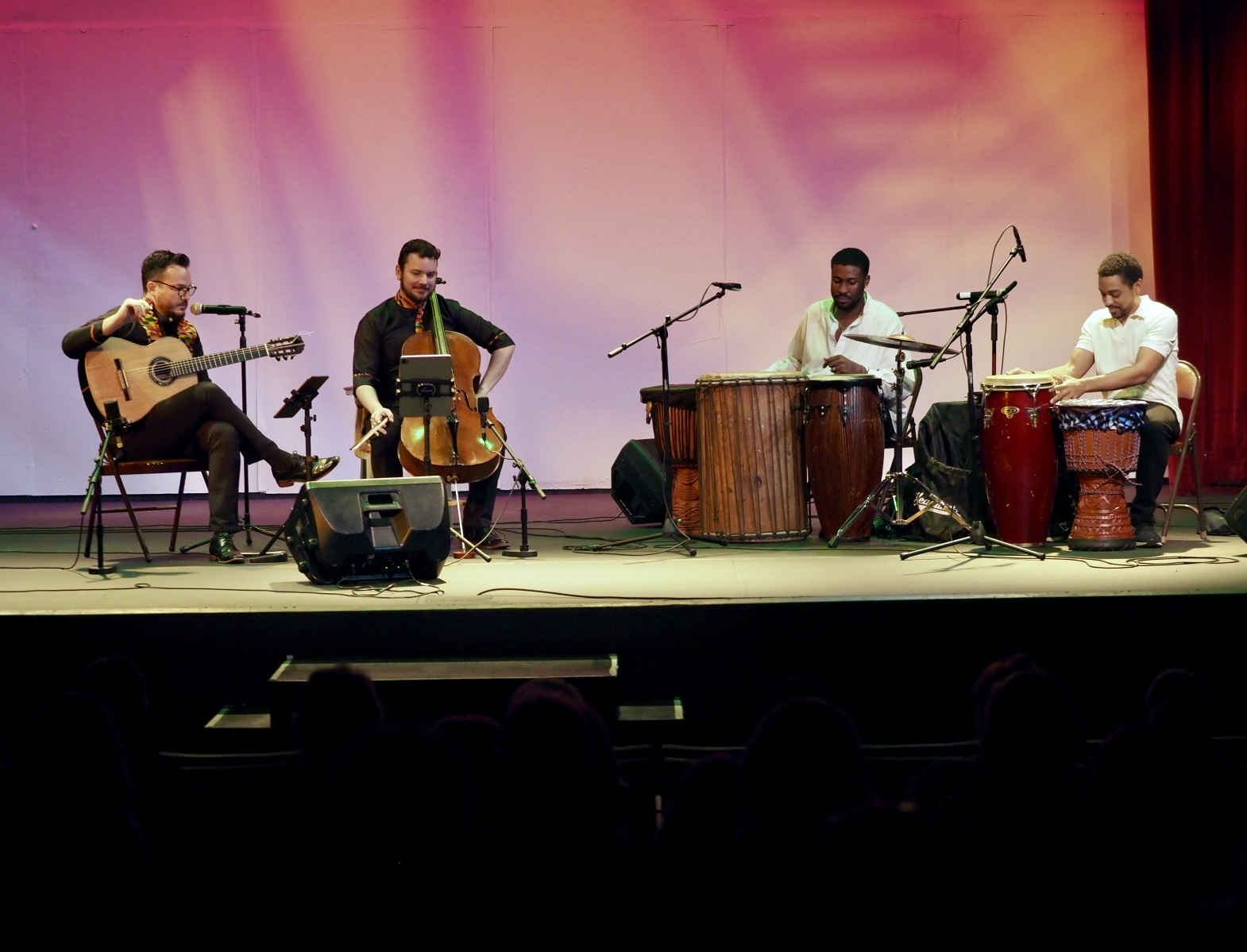
As a classical guitarist, educator, and scholar, I specialize in cross-cultural collaboration, particularly between the United States and West Africa. A significant part of my research focuses on the **Seperewa**, the traditional harp-lute of the Akan people of Ghana. Through years of fieldwork, performance, and scholarship—including my ethnographic research, *The Seperewa and Seperewa Agorafomma: An Ethnography with Transcriptions for Guitar* – I have worked to document, preserve, and introduce this remarkable musical tradition to new audiences. Today, I am recognized as one of the leading authorities on the Seperewa, and, to my knowledge, I am the only classical guitarist in the United States whose artistic and scholarly career has become so deeply dedicated to this tradition.
That work extends beyond research. Through the Ghana National Music Festival and the Global Arts Initiative, I’ve had the privilege of creating educational opportunities for young musicians, building lasting partnerships between artists from different countries, and developing programs that make high-quality music education more accessible to underserved communities. My performance career, research, and nonprofit work all support the same mission: using music to foster understanding, preserve cultural traditions, and create opportunities that transcend borders.
What I’m most proud of isn’t a particular performance or publication – it’s seeing the long-term impact on people. Watching students discover confidence, pursue careers in music, become educators themselves, or realize that opportunities they never imagined are within reach is incredibly rewarding. Knowing that programs we’ve built continue to grow and create opportunities for others is the accomplishment that means the most to me.
If there’s something that sets my work apart, I believe it’s the combination of scholarship, performance, and service. I’ve never viewed research as something that belongs only in academia or performance as something that exists only on stage. Instead, I’ve tried to bring those worlds together – using scholarship to preserve living musical traditions, performance to share them with new audiences, and education to ensure they continue to thrive for future generations. Every collaboration is rooted in long-term relationships built on trust, mutual respect, and a shared commitment to serving others through music.
Ultimately, I hope people know me less for what I’ve accomplished personally and more for the opportunities I’ve helped create for others. If my work helps preserve cultural traditions, inspires the next generation of musicians, and strengthens connections between communities around the world, then I’ll consider that a life well spent.
What were you like growing up?
I don’t think many people who knew me growing up would have predicted where I’d end up. I certainly wasn’t the stereotypical straight-A student who always had a perfectly mapped-out future. In fact, I wasn’t especially studious at all. That’s part of what makes earning a doctorate and becoming a researcher so surprising, even to me.
What I *was* passionate about was exploring the world. I was fascinated by music, archaeology, history, and geography. I loved learning about ancient civilizations, different cultures, and places that felt a world away from where I grew up. There was something about the mystery and adventure of international travel that completely captured my imagination. I remember dreaming about what it would be like to experience those places firsthand, never imagining that one day a big part of my life and career would be centered around international community building and education.
Music became the vehicle that made those dreams possible. It gave me the opportunity not only to travel, but to form genuine friendships, immerse myself in different cultures, and see the world in ways I never expected. Looking back, I realize that my love for history, culture, and exploration never really changed—it simply found an outlet through music.
I still think that same sense of curiosity drives me today. Whether I’m researching the Seperewa in Ghana, performing with musicians from another culture, or building educational programs through the Global Arts Initiative, I’m motivated by the same thing that fascinated me as a kid: the excitement of discovering something new and finding meaningful connections with people whose experiences are different from my own.
In many ways, I feel incredibly fortunate that my childhood interests and my career eventually became one and the same. I get to wake up every day doing work that still feels like an adventure.
Contact Info:
- Website: www.JordanBTaylor.com and www.GlobalArtsInitiative.com
- Instagram: https://www.instagram.com/jbtaylorguitar/