




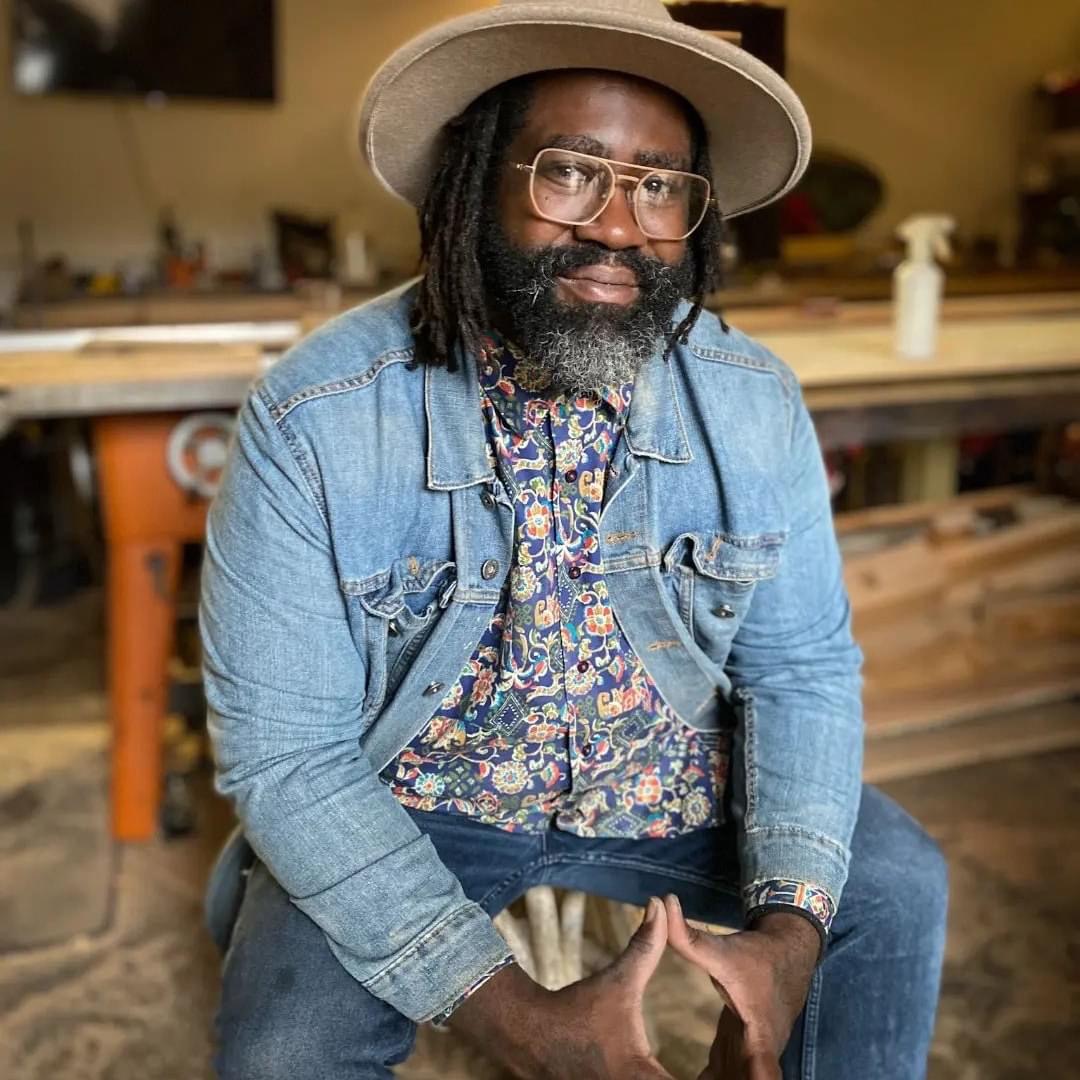
Today we’d like to introduce you to Darryl Dunn.
Hi Darryl, thanks for sharing your story with us. To start, maybe you can tell our readers some of your backstory.
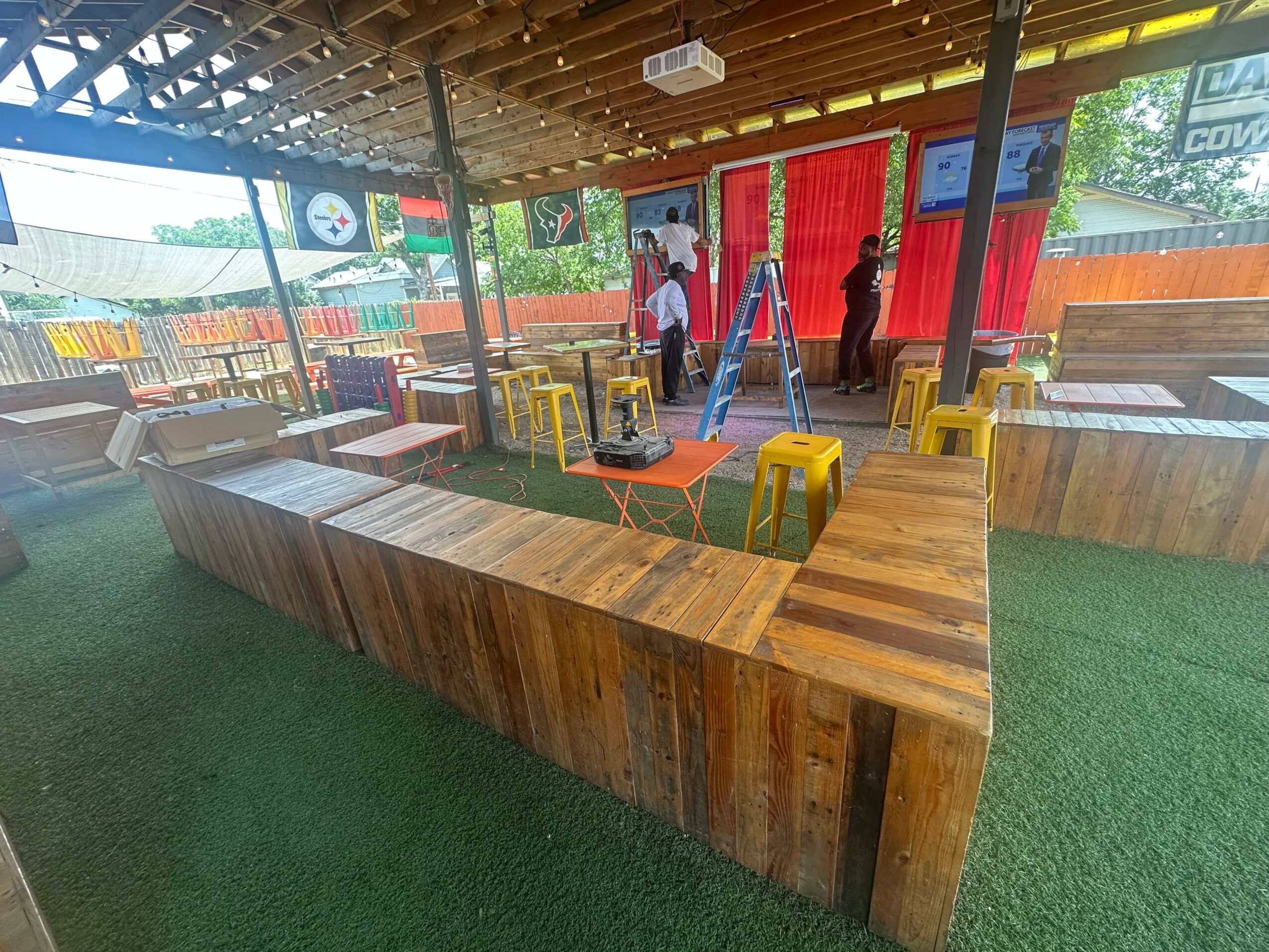
I’ve always been creative, but woodworking wasn’t something I planned on making a career out of. Around 2014, I started taking apart shipping pallets just to see what I could make. I built my first bench that spring and that project completely changed my direction.
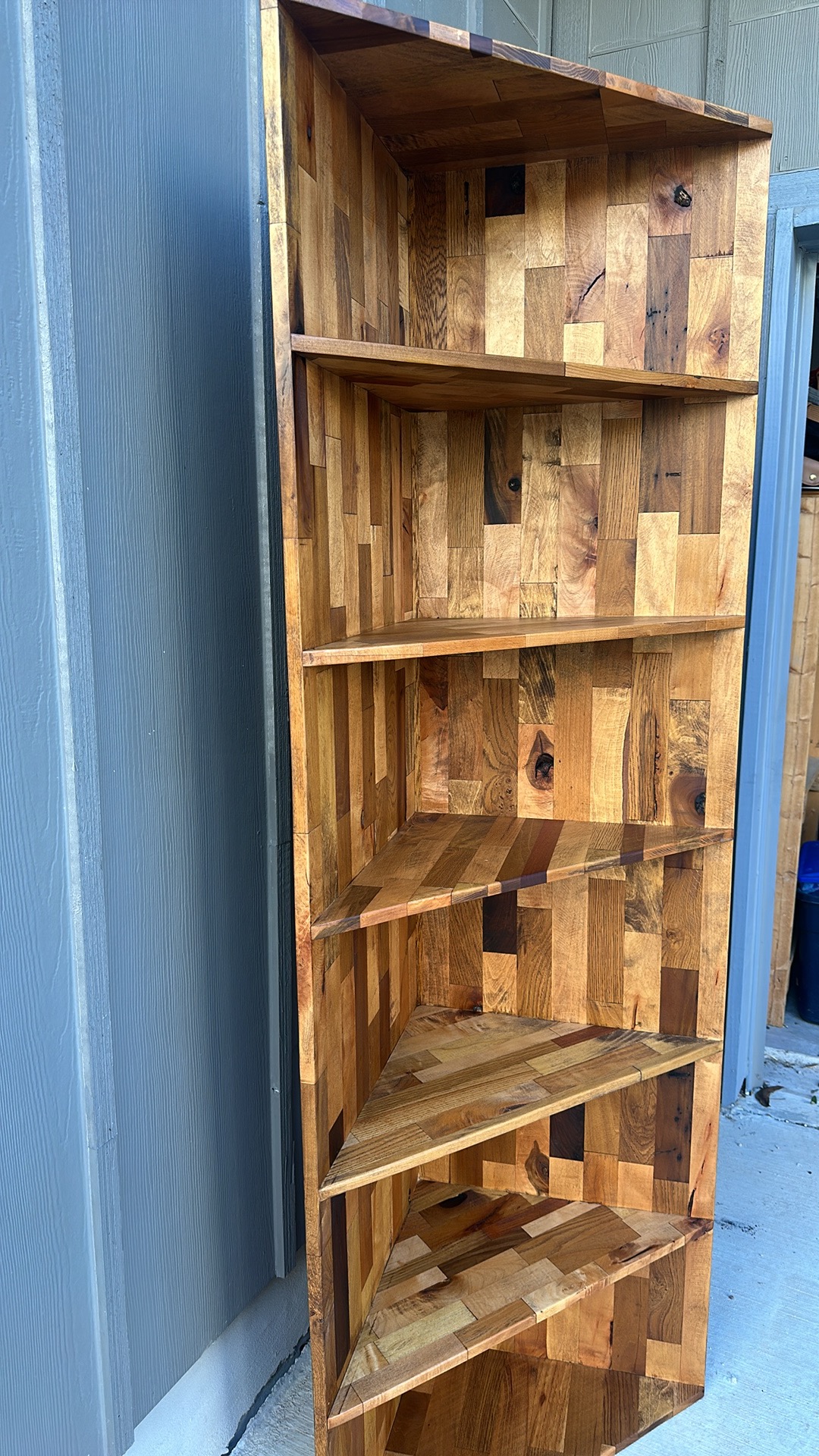
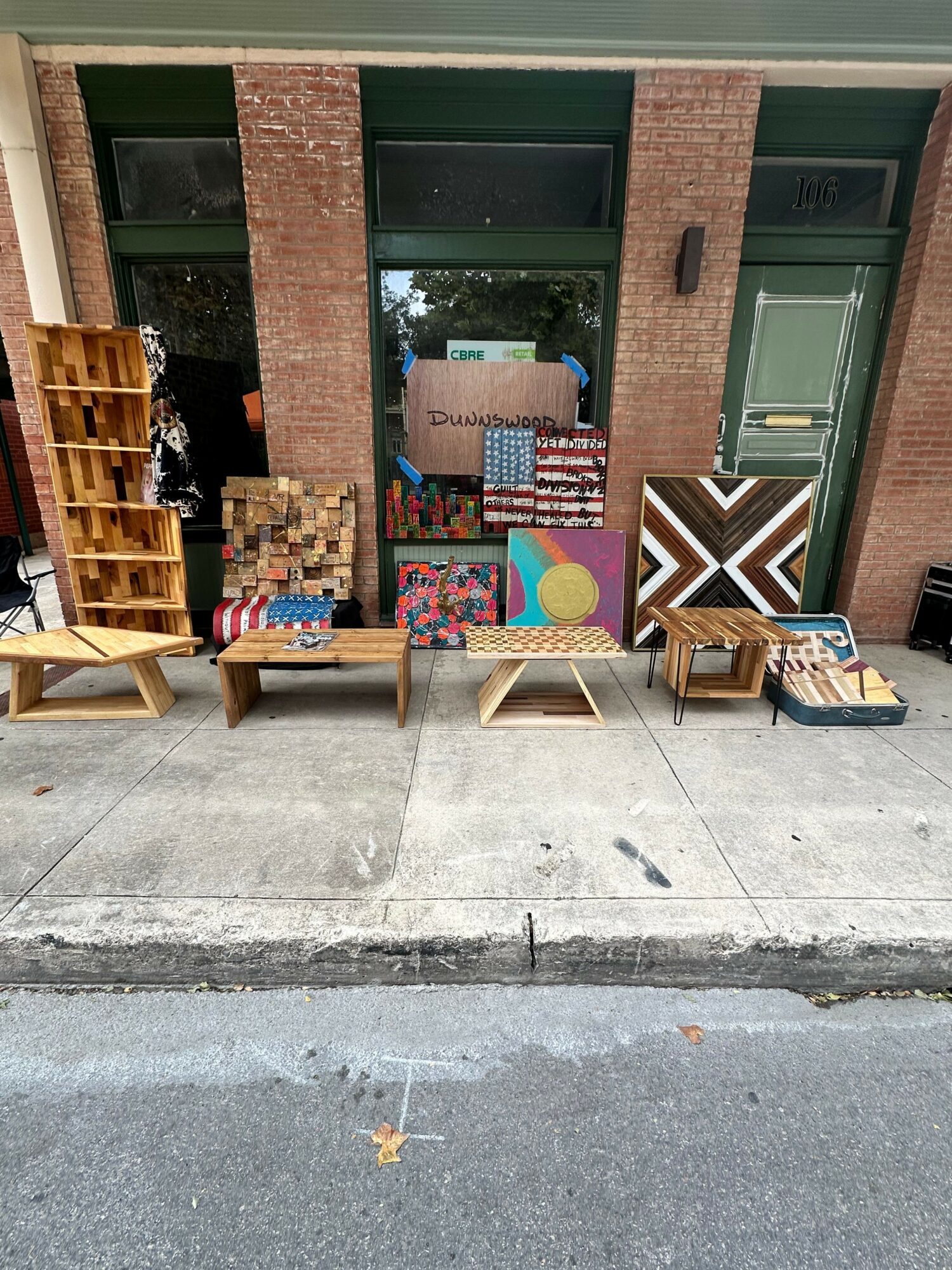
At the time, I was trying to figure out where I fit. I bounced between different ideas and hit more than a few roadblocks, but woodworking was the first thing that really stuck. Eventually I started Dunnswood, where I build one-of-a-kind furniture from reclaimed materials like pallet wood, old flooring, vintage siding, and salvaged hardwoods.
Working in a cabinet shop helped sharpen my craftsmanship, but I’ve remained largely self-taught. I spend a lot of time experimenting and letting the materials guide the design. Every board has a history, and instead of hiding the imperfections, I try to make them part of the story.
What started as building furniture eventually grew into something bigger. I realized furniture could be more than functional—it could start conversations, challenge assumptions, and stand alongside more traditional forms of art. That’s still what drives me today: creating work that gives discarded materials a second life while encouraging people to see value where others might not.
I’m sure it wasn’t obstacle-free, but would you say the journey has been fairly smooth so far?
It definitely hasn’t been a smooth road. Like a lot of artists, one of the biggest challenges has been learning that creating good work and building a successful business are two different skill sets.
Early on, I underpriced my work because I was more focused on getting projects than understanding the value of what I was creating. It took years of experience, mistakes, and conversations with mentors and clients before I became confident enough to charge what my work was actually worth.
Another challenge has been choosing an unconventional path. I don’t fit neatly into one category. I make furniture, but I also see it as sculpture. I use reclaimed materials, so sometimes people see the material before they see the craftsmanship. Part of my journey has been helping people understand that reclaimed wood isn’t a limitation—it’s part of the story.
Financially, there have been difficult seasons too. Like many working artists, I’ve balanced my creative practice with full-time work to keep building toward the bigger vision. But every obstacle has forced me to become a better craftsman, a better business owner, and a more intentional artist.
Looking back, I don’t think I’d change much. Those challenges gave me my perspective, and that perspective shows up in every piece I make.
Thanks for sharing that. So, maybe next you can tell us a bit more about your work?
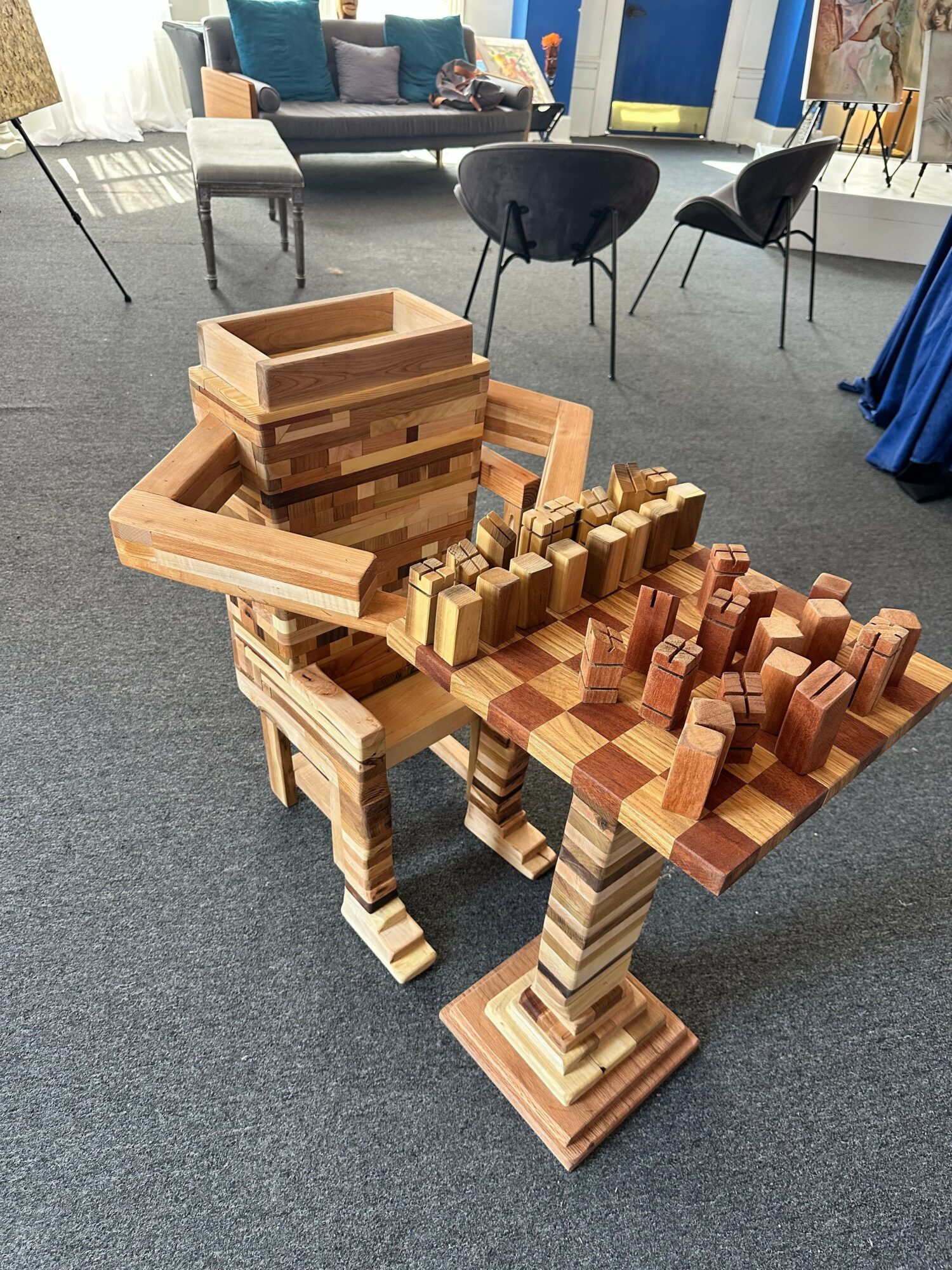
I’m a woodworking artist and the founder of Dunnswood, where I create one-of-a-kind furniture and artwork primarily from reclaimed materials. I specialize in transforming discarded wood into pieces that are both functional and sculptural, allowing the history of the material to remain part of the finished work rather than something to hide.
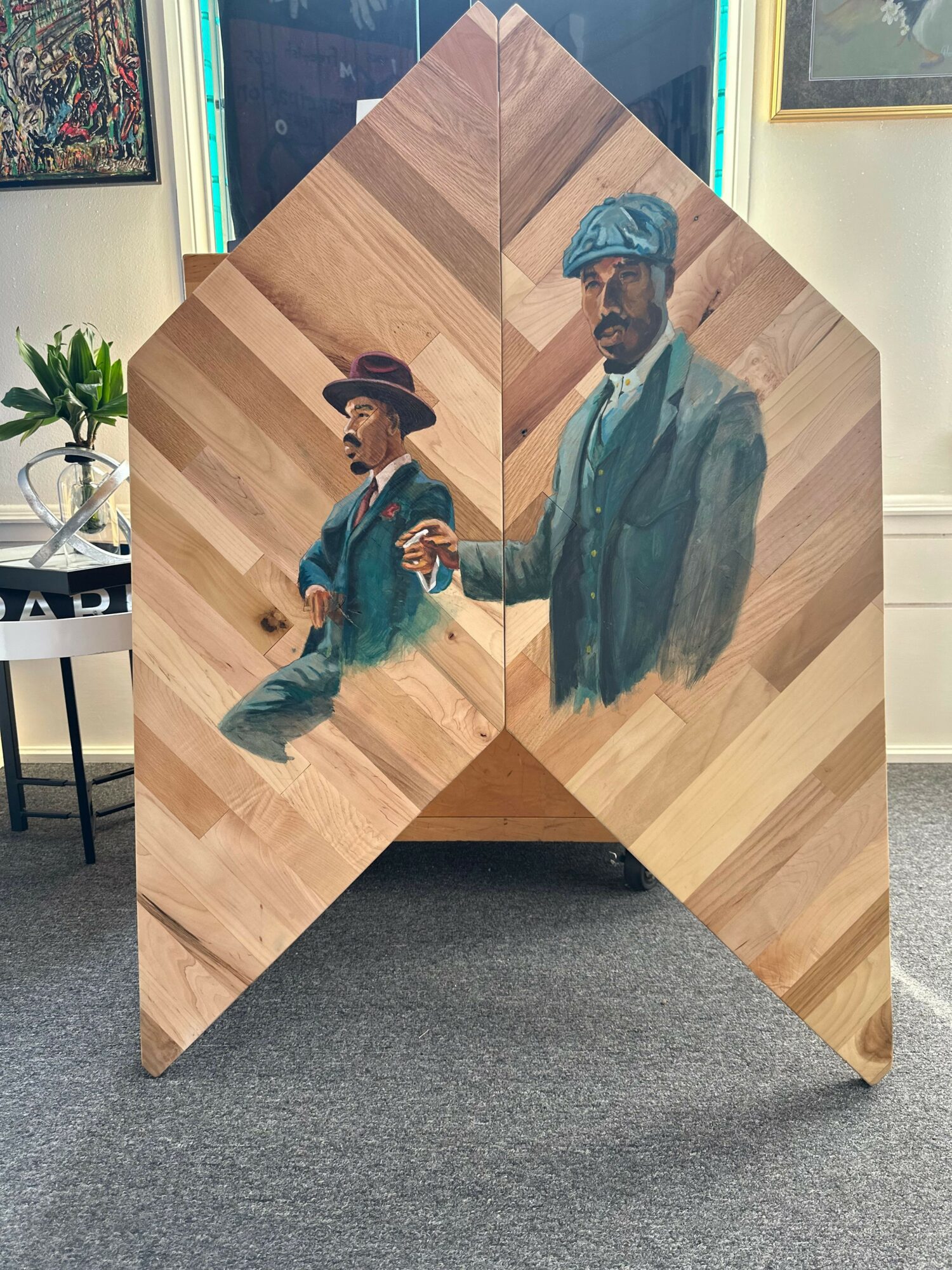
What I’m probably best known for is blurring the line between furniture and fine art. I don’t see those as separate disciplines. A dining table, bookshelf, or cabinet can carry just as much meaning and craftsmanship as a painting hanging on a gallery wall.
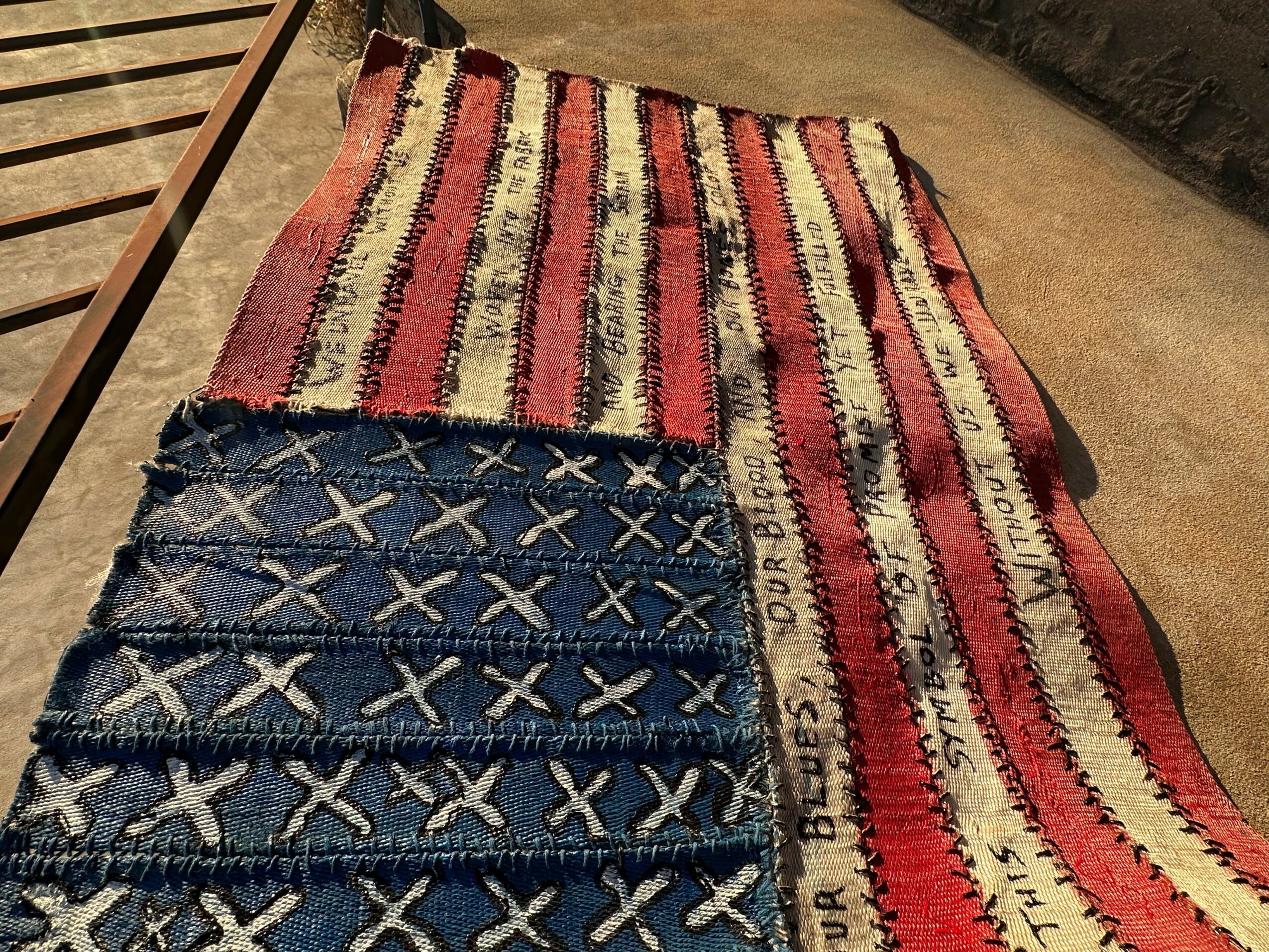
More recently, my practice has expanded beyond furniture into conceptual work using reclaimed materials to explore larger social and cultural conversations. Whether I’m building a functional piece or an installation, I’m always asking the same question: How can I help people see value where they may not have seen it before?
What I’m most proud of isn’t any single piece—it’s helping broaden the conversation around what woodworking can be. As a Black woodworking artist, I hope my work encourages others to see furniture as a legitimate artistic medium and inspires young artists to realize there isn’t just one path into the arts. Creativity can take many forms, and woodworking deserves a place in that conversation.
If we knew you growing up, how would we have described you?
Growing up a Lego kid, I was always curious and creative. I loved figuring out how things worked, building things with my hands, and finding different ways to solve problems. Looking back, I think I’ve always had an active imagination. Even now, that’s probably my greatest strength. I can usually see the finished piece before it exists.
My father was in the Air Force and was also a brick mason. I grew up around someone who worked with his hands and took pride in building things that lasted. My grandmother was also an artist who worked in ceramics, so creativity was around me even if I didn’t realize it at the time.
Like a lot of people, I spent years trying to figure out what I wanted to do. I explored different paths before discovering woodworking. Once I found it, everything started to click. It combined creativity, problem-solving, design, and craftsmanship in a way that felt natural to me.
I still approach my work with that same curiosity I had growing up. I’m always experimenting with materials and asking, “What can this become?” That mindset has shaped not only my furniture but the way I think about art and the world around me.
Pricing:
- Original Artwork: Starting at $500 (varies based on size, materials, and concept).
- Custom Furniture: Starting at $1,500 (pricing depends on dimensions, materials, and design).
- Coffee Tables & Accent Pieces: Typically $600–$2,500.
- Dining Tables, Sideboards & Large Furniture: Typically $2,500–$8,000+.
- Public Art, Installations & Commercial Projects: Quoted on a project-by-project basis.
Contact Info:
- Instagram: https://www.instagram.com/dunnswood/
- Facebook: https://www.facebook.com/dunnswood