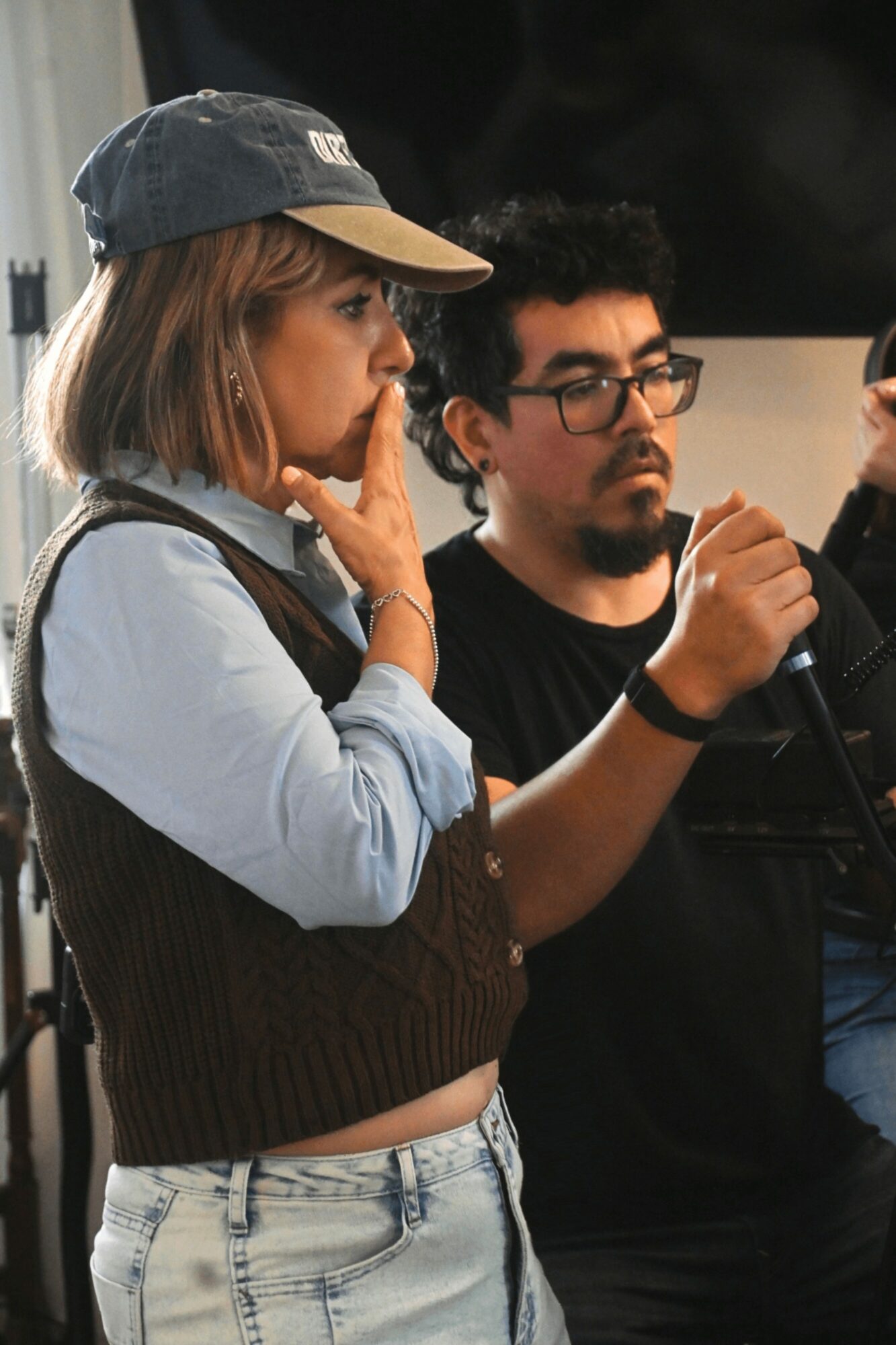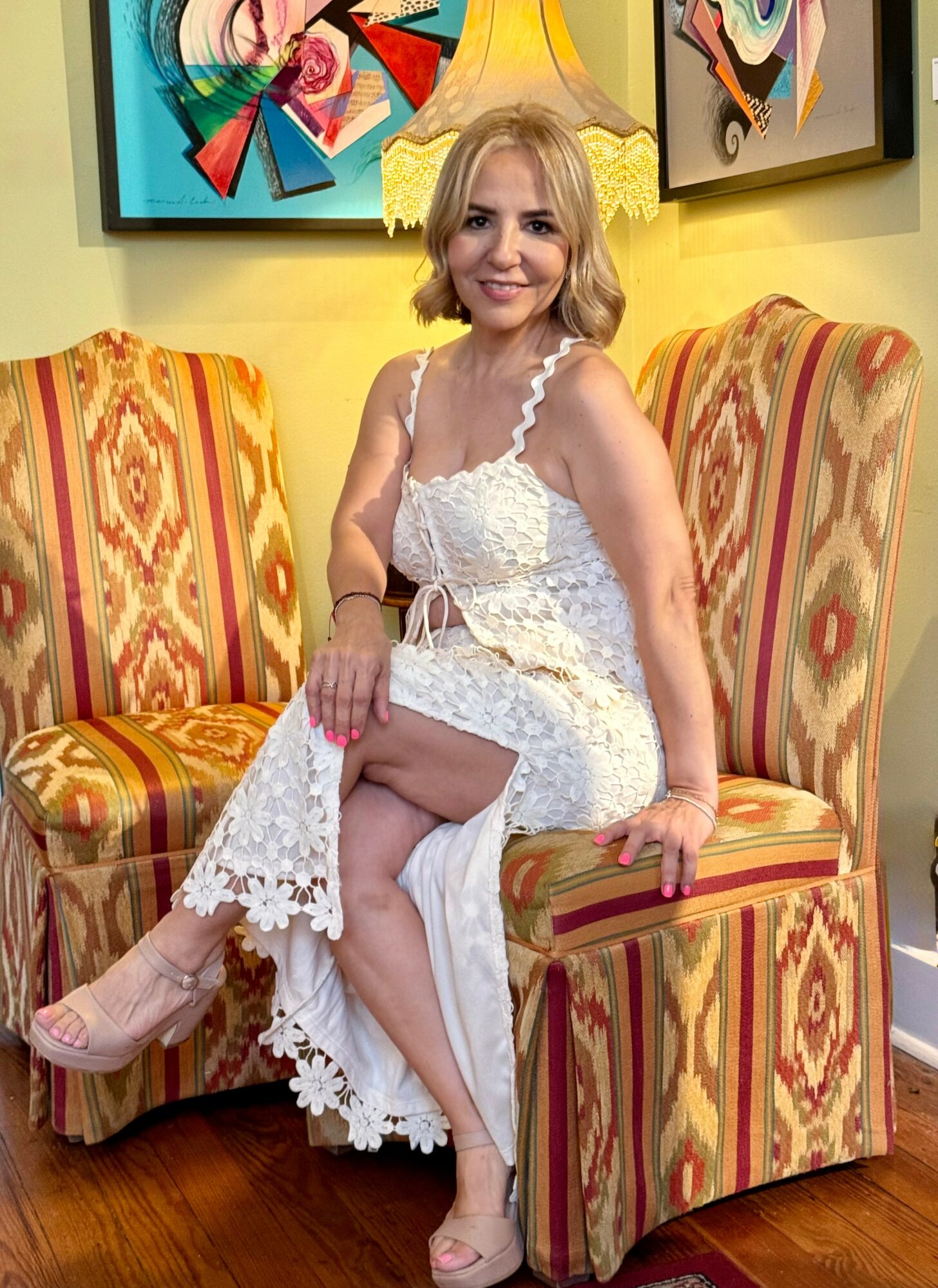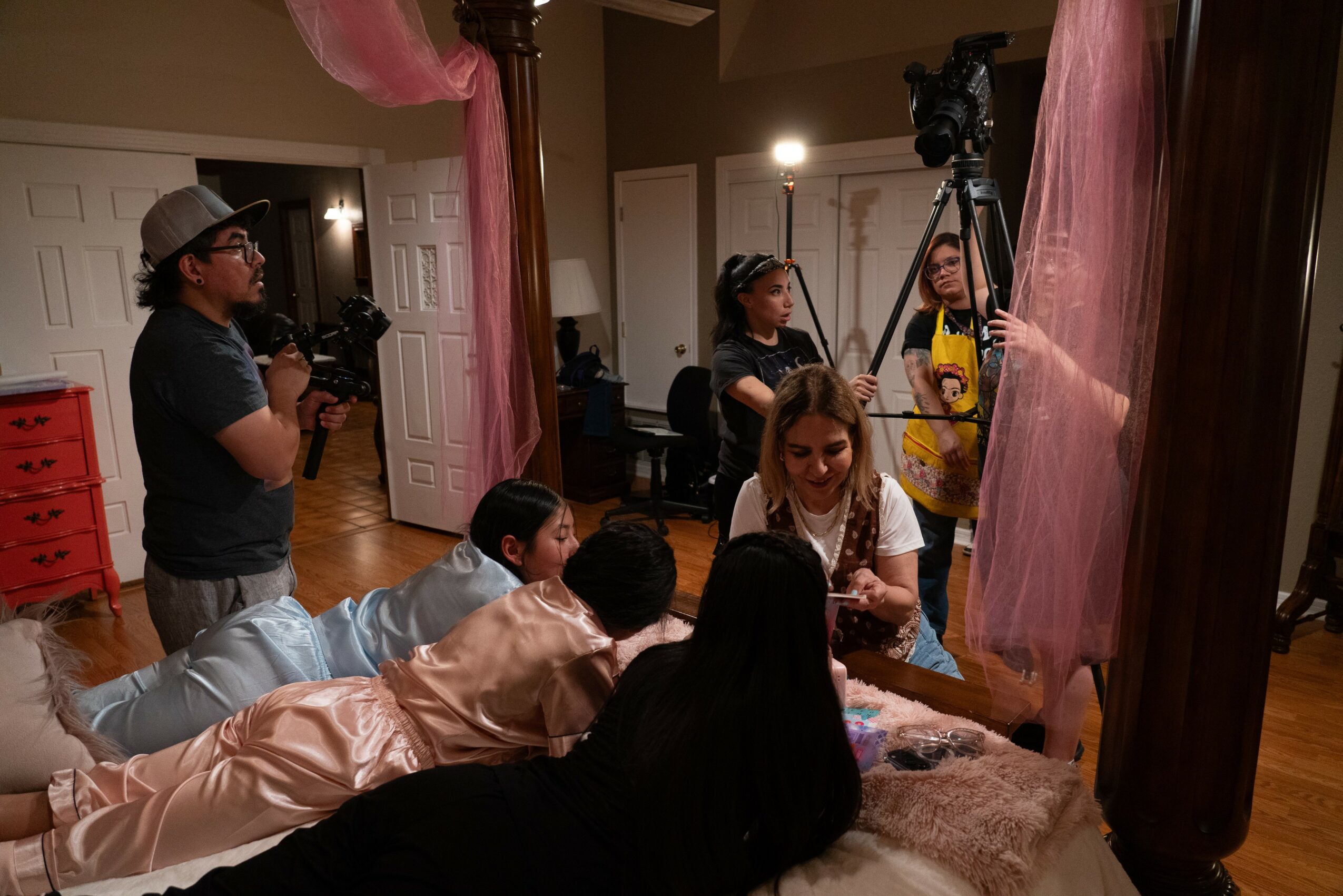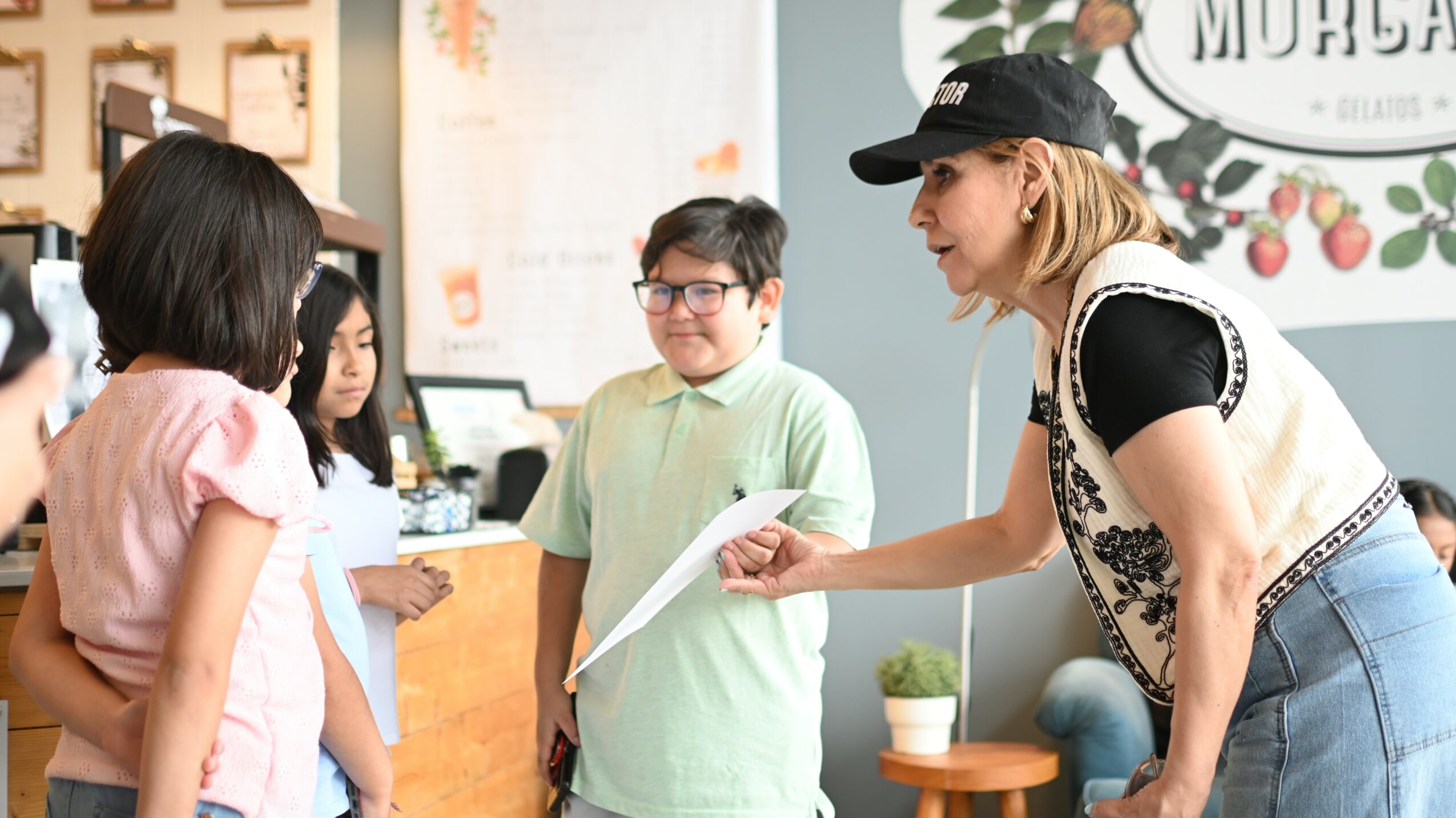





Today we’d like to introduce you to Teresa Garza.
Hi Teresa , it’s an honor to have you on the platform. Thanks for taking the time to share your story with us – to start maybe you can share some of your backstory with our readers?
I started working in television at a young age in Monterrey, Mexico, where I first discovered the power of storytelling. Later, I earned a bachelor’s degree in Communication, and while I was in college, I directed my first short film. Filmmaking was my first passion, and journalism became an important part of my journey as a storyteller. Working as a reporter, news anchor, producer, and editor in both Mexico and the United States taught me to listen, ask better questions, and understand that every person has a story worth telling.
One of the most inspiring chapters of my journey came while covering the film industry in Los Angeles. I had the opportunity to interview filmmakers like Guillermo del Toro, Alejandro González Iñárritu, and Clint Eastwood. Hearing them speak firsthand about their creative process, the challenges behind their work, and what inspires them was a privilege that stayed with me. Those conversations gave me the confidence to step behind the camera again, carrying with me everything journalism had taught me about curiosity, empathy, and the responsibility that comes with telling someone else’s story.
Today, I tell stories through documentary and narrative films that explore social issues, resilience, and the complexity of the human experience, especially through the experiences of women and women of color. I’m drawn to stories that invite reflection, raise awareness, and spark meaningful conversations. My goal is to create work that encourages people to see one another with greater curiosity, compassion, and understanding.
I’m sure it wasn’t obstacle-free, but would you say the journey has been fairly smooth so far?
It definitely hasn’t been a smooth road. Building a career in both journalism and filmmaking has meant constantly adapting, starting over, and proving myself in different environments and countries. Filmmaking, especially independent filmmaking, requires persistence. Every project comes with its own challenges, from securing funding to balancing creative vision with the realities of production.
As a woman and a Latina working in the industry, I’ve also learned that sometimes you have to create your own opportunities instead of waiting for them. Those experiences have made me more resilient and strengthened my commitment to telling stories that matter. Looking back, I wouldn’t change any of it because every challenge has shaped not only the filmmaker I am today, but also the person I’ve become.
As you know, we’re big fans of you and your work. For our readers who might not be as familiar what can you tell them about what you do?
At my core, I’m a visual storyteller. I write and direct films that explore universal human experiences through compelling characters and emotionally engaging stories. As a Latina filmmaker, I’m interested in telling stories shaped by my perspective and culture while speaking to emotions and experiences that connect with audiences everywhere. Whether I’m working in a psychological thriller, a family drama, or another genre, my goal is to create stories that resonate beyond the screen.
I’m especially drawn to stories centered on women. I enjoy creating female characters who are complex, resilient, and defined by their choices rather than their circumstances. Themes of female empowerment naturally emerge in my work—not because I set out to make a statement, but because I’m passionate about portraying women with agency, depth, and humanity.
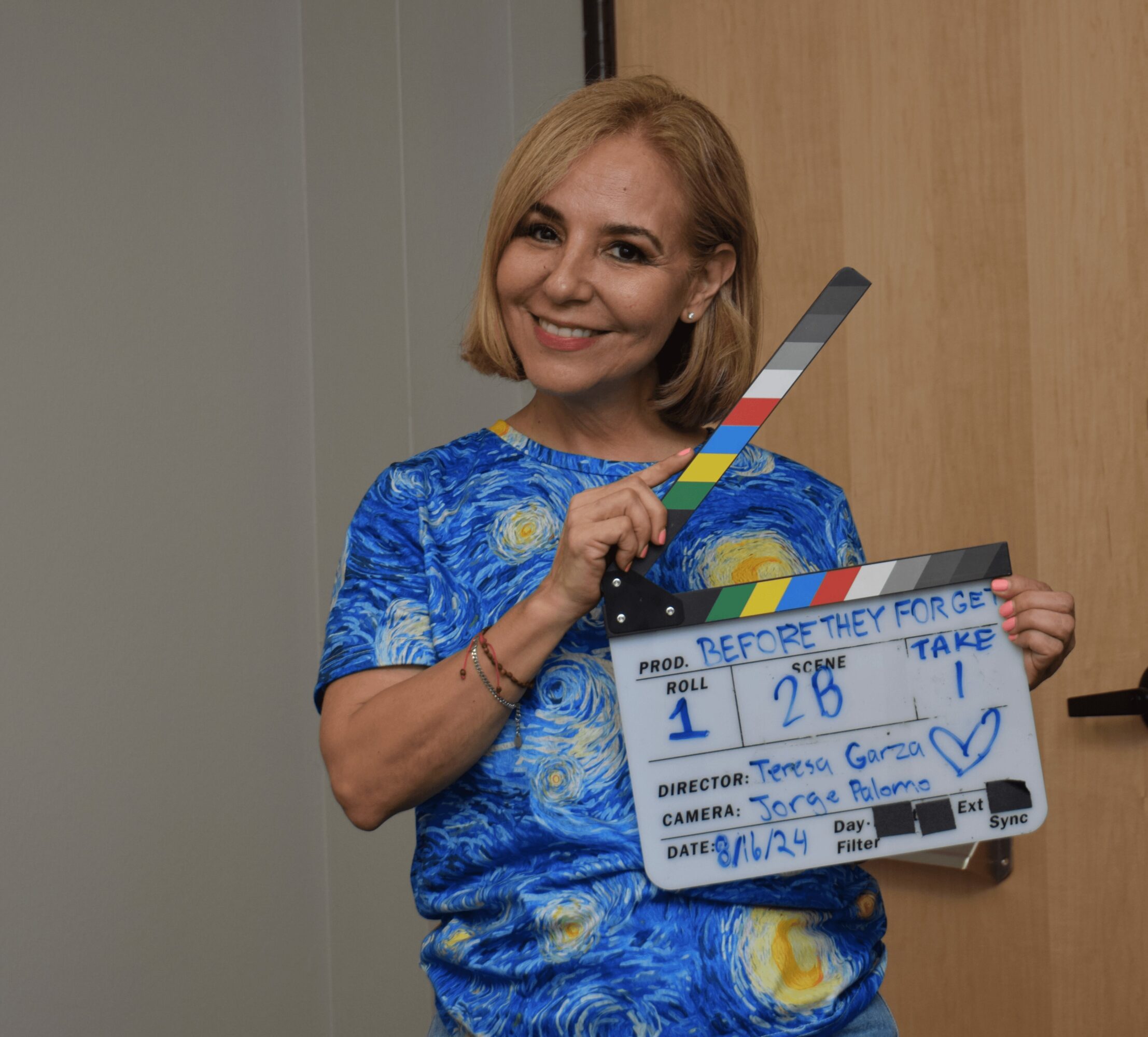
One of the things I love most about filmmaking is that every audience member brings something different to a story. I don’t believe films should tell people what to think. Instead, I hope they invite reflection and conversation while leaving room for interpretation. Someone may experience Easy Prey as a horror film, while someone else sees it as a story of female empowerment. Before They Forget may resonate as a family drama for one viewer and as a reflection on migration, memory, and love for another. To me, that’s the beauty of cinema.
I’m proud of projects like Easy Prey, Before They Forget, and La Cuenta Pendiente because each one allowed me to explore a different genre while remaining true to my voice as a filmmaker. Although each story is different, they’re connected by a commitment to emotionally honest characters and stories that encourage audiences to look beyond the surface.
What sets my work apart is the combination of a Latina perspective, character-driven storytelling, and a belief that the best films don’t provide simple answers—they create space for audiences to discover their own. If my films entertain people, move them emotionally, and continue to spark conversation after the credits roll, then I feel I’ve accomplished what I set out to do.
Networking and finding a mentor can have such a positive impact on one’s life and career. Any advice?
I’ve been fortunate to have incredible mentors throughout my career. One of the greatest privileges I’ve had was spending time in Hollywood, where I had the opportunity to learn from some of the industry’s most accomplished filmmakers. Those experiences taught me not only about storytelling, but also about discipline, collaboration, and the importance of continually growing as an artist. At the same time, I’ve learned that mentorship doesn’t only come from formal mentors. Some of the most valuable lessons have come from simply observing the people around me and staying open to learning from every experience.
Networking has also been an essential part of my journey, but I’ve learned that it’s about building genuine relationships, not just making connections. One of the biggest lessons I’ve learned is that other filmmakers aren’t your competition—they’re your community. Cinema is a collaborative art form, and every project depends on people bringing their unique talents together. Some of my most meaningful collaborations, friendships, and creative opportunities have come from supporting one another, sharing ideas, and learning together.
My biggest advice, especially for independent filmmakers, is not to wait until everything feels perfect before you start. There were times when I was the only woman presenting a project at a film festival, and it would have been easy to let that intimidate me. Instead, I learned to trust my voice, focus on the work, and keep moving forward.
I also believe we have to create with the resources we have instead of waiting for the perfect camera, the perfect budget, or the perfect opportunity. If you have a story to tell, start telling it. Every project teaches you something new, and each one prepares you for the next. There’s no substitute for doing the work.
Contact Info:
- Instagram: https://www.instagram.com/teresagarzahoy/?hl=en
- Facebook: https://www.facebook.com/teresa.garza.7798/
- Youtube: https://www.youtube.com/channel/UCCoBTqoAASaGywIlgRzHWyA