



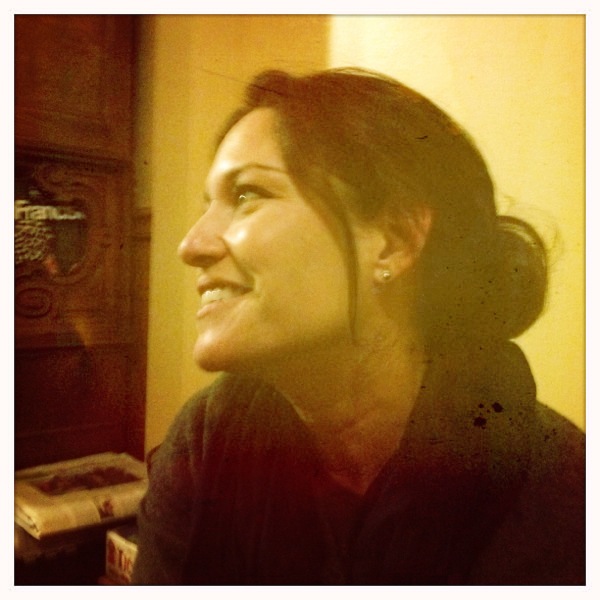
Today we’d like to introduce you to Kinkel Rowan.
Hi Kinkel, thanks for joining us today. We’d love for you to start by introducing yourself.
As an only child, I spent a lot of time entertaining myself. I’d sit in my room drawing while listening to Austin radio stations like KLBJ and K98. Drawing wasn’t just a hobby—it was my escape. It allowed me to create any world I wanted, and from an early age I knew I wanted to be an artist.
I didn’t know what that career would look like. I just knew I wanted to create.
My parents, both teachers, were supportive but practical. They encouraged me to earn a teaching certificate in case being an artist didn’t work out. It was good advice, but I was fortunate enough to land a job as an illustrator right out of college. I never needed that teaching certificate.
What I didn’t realize was that my career would become less about drawing and more about learning.
The creative industry doesn’t stand still. If you want to survive, you have to evolve. Over the years, I found myself constantly reinventing who I was and what I could do. I worked as an illustrator, a commercial film producer, a digital producer, a creative producer, and even a product producer in San Francisco.
Every new position required different skills, different ways of thinking, and a willingness to start over. I was constantly molding myself into the person the job needed me to be. The creative world was changing quickly, and staying relevant meant being willing to change with it. I had to learn new technologies, understand new audiences, work with different teams, and solve different problems.
Looking back, I realize that each job wasn’t starting over, it was expanding my skillset.
I moved back to Texas in 2015 to learn and lead creative teams through the Human Centered Design, Scrum and Sprint Methodologies, even becoming a Certified Scrum Master for a number of years.
Alright, so let’s dig a little deeper into the story – has it been an easy path overall and if not, what were the challenges you’ve had to overcome?
This lead to work as a Creative Producer for Microsoft and At&T, but those were only 1 year contracts. I wanted something long term where I could make a lasting impact.
Can you tell our readers more about what you do and what you think sets you apart from others?
Then came Compatible Lands Foundation.
At first, it felt like starting over. I joined CLF as a graphic designer, helping create marketing materials and tell the organization’s story. I designed our 15-Year Report, created brochures, posters, business cards, and began building our social media presence.
Then something unexpected happened.
The job kept growing.
I found myself learning about grants, fundraising, strategic communications, and conservation partnerships. None of those things had been part of my background, but I had spent an entire career learning how to adapt. Asking questions, learning new skills, and embracing change had become second nature.
What made this chapter different wasn’t the work. It was the purpose behind it.
For the first time in my career, I was working for a cause I truly believed in.
Compatible Lands Foundation specializes in conservation through the Department of Defense’s Readiness and Environmental Protection Integration (REPI) Program. We work with willing landowners, conservation partners, and military installations to permanently protect working farms and ranches, wildlife habitat, water resources, and open space from incompatible development.
People are often surprised to learn that conservation and military readiness can work hand in hand. The truth is, protecting open landscapes benefits everyone. It keeps ranches and farms in production. It protects wildlife habitat and water resources. It helps communities retain their rural character. And it ensures military installations have the space they need to train safely and effectively.
It’s conservation through collaboration.
Today, I have the privilege of leading marketing communications for CLF and working alongside an incredibly talented team. Every day, I get to tell the stories of landowners protecting their family’s legacy, partners coming together to solve complex challenges, and conservation projects that will benefit future generations.
My role has changed dramatically over the years, but the thread connecting every chapter has remained the same. Today, I get to tell stories that help people understand why conservation matters.
As a leader, I try to create the kind of environment that allowed me to grow throughout my own career. I believe people need room to learn, ask questions, make mistakes, and develop—not pressure to be perfect. Every opportunity I’ve had came because someone trusted me to grow into it, and I try to offer that same opportunity to others.
When I look back, every job taught me something I still use today. I didn’t know it at the time, but each one prepared me for the opportunity to tell the story of Compatible Lands Foundation.
Contact Info:
- Website: https://www.compatiblelands.org/
- Instagram: https://www.instagram.com/compatiblelandsfoundation/
- Facebook: https://www.facebook.com/compatiblelands/
- LinkedIn: https://www.linkedin.com/company/compatible-lands-foundation-inc/
- Youtube: https://www.youtube.com/channel/UCefomQhozjqsf-hL_Waloig
- Other: https://www.tiktok.com/@compatiblelands