




Today we’d like to introduce you to Marinee Zavala.
Hi Marinee, we’re thrilled to have a chance to learn your story today. So, before we get into specifics, maybe you can briefly walk us through how you got to where you are today?
Lately, I’ve felt completely fearless in life, because what is meant for you will be yours, and what isn’t simply won’t happen.
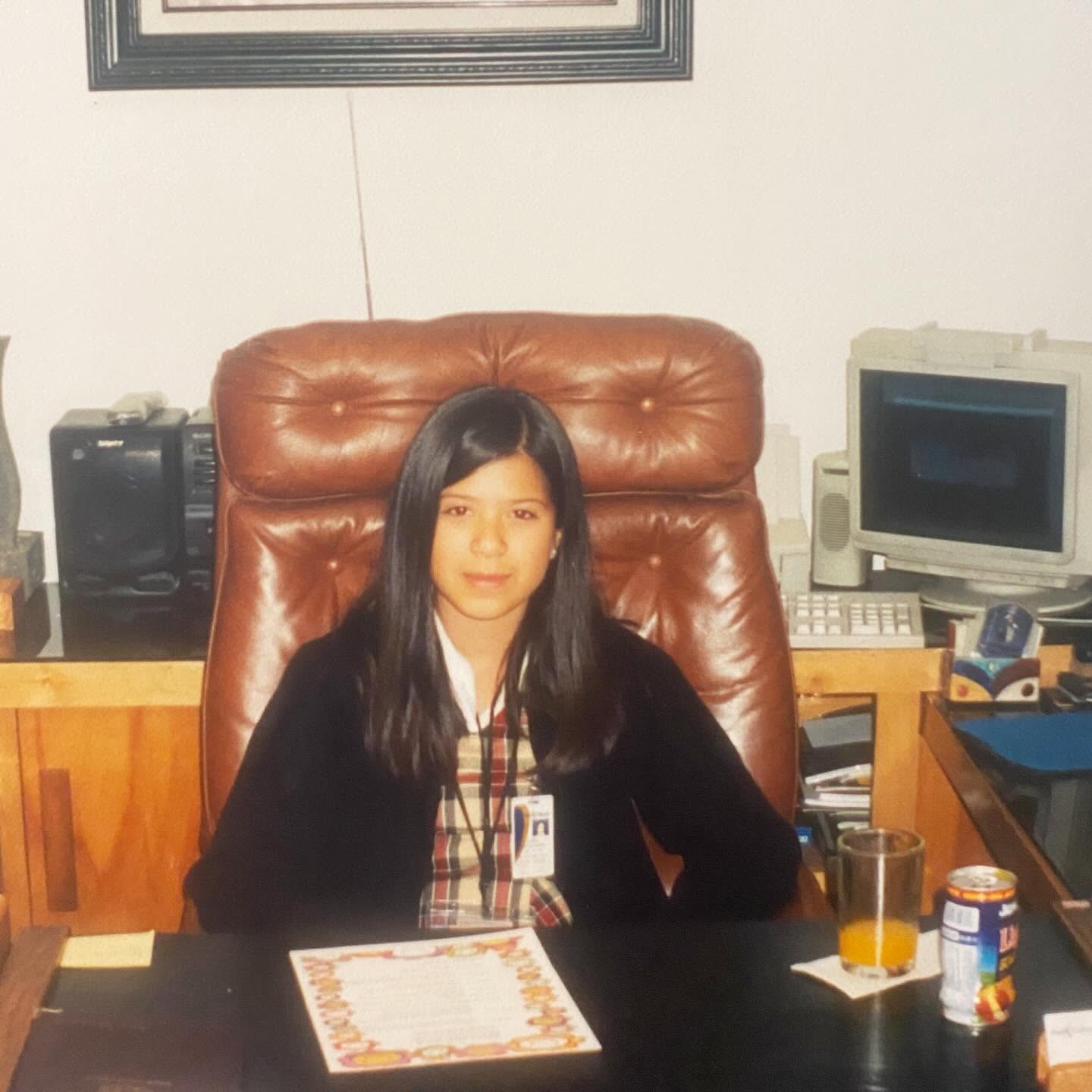
My name is Marinee Zavala. I must confess it took me time to reach this realization. It was my hunger to escape the small town where I grew up—Playas de Rosarito in Baja California—and to face the professional world I had always dreamed of that drove me to pursue every opportunity within reach. I did it through sheer hard work, with heavy steps, but always with integrity—never stepping on anyone to get ahead. I truly believe I’ve managed to pave my way in this complicated life.
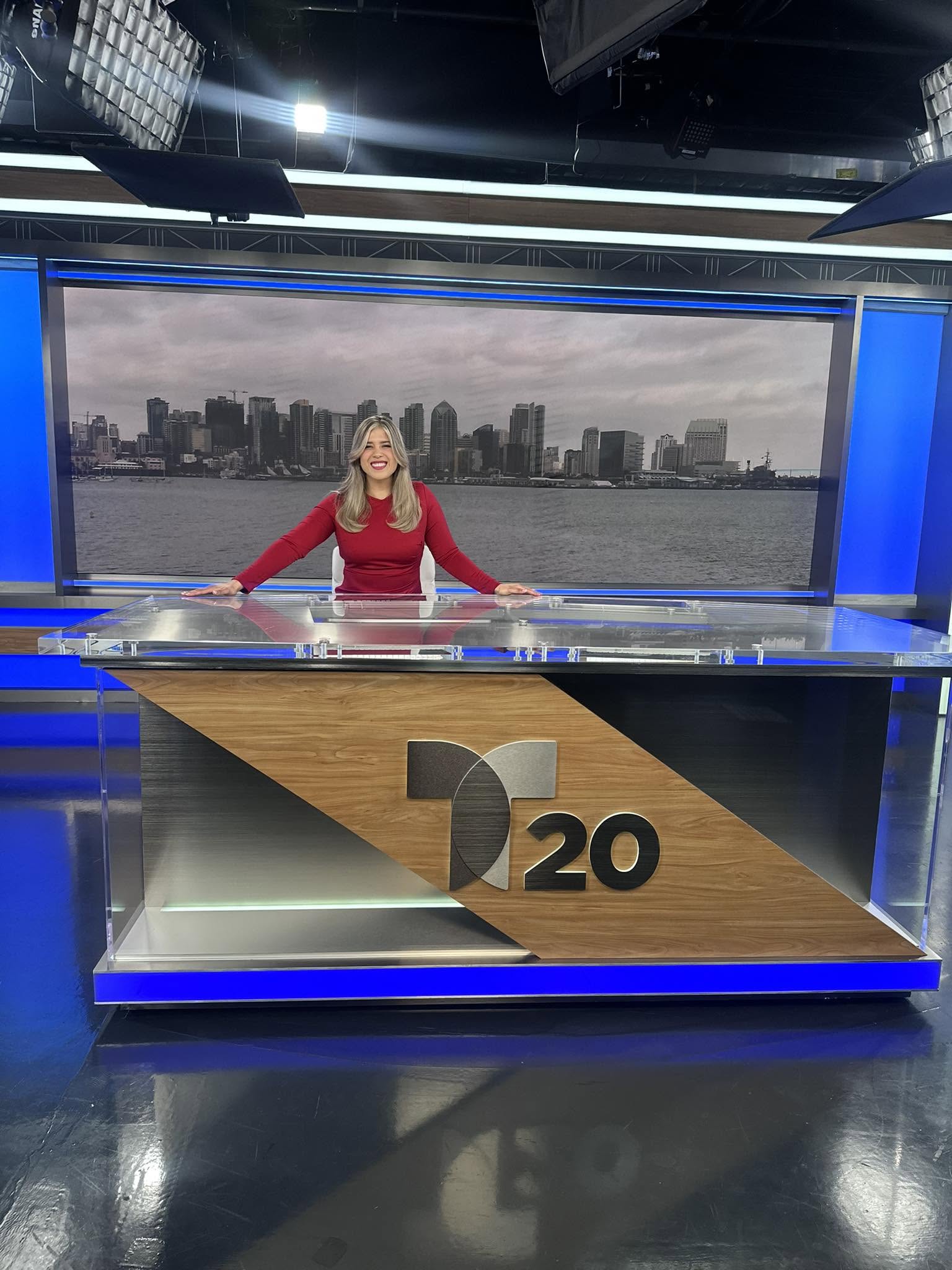
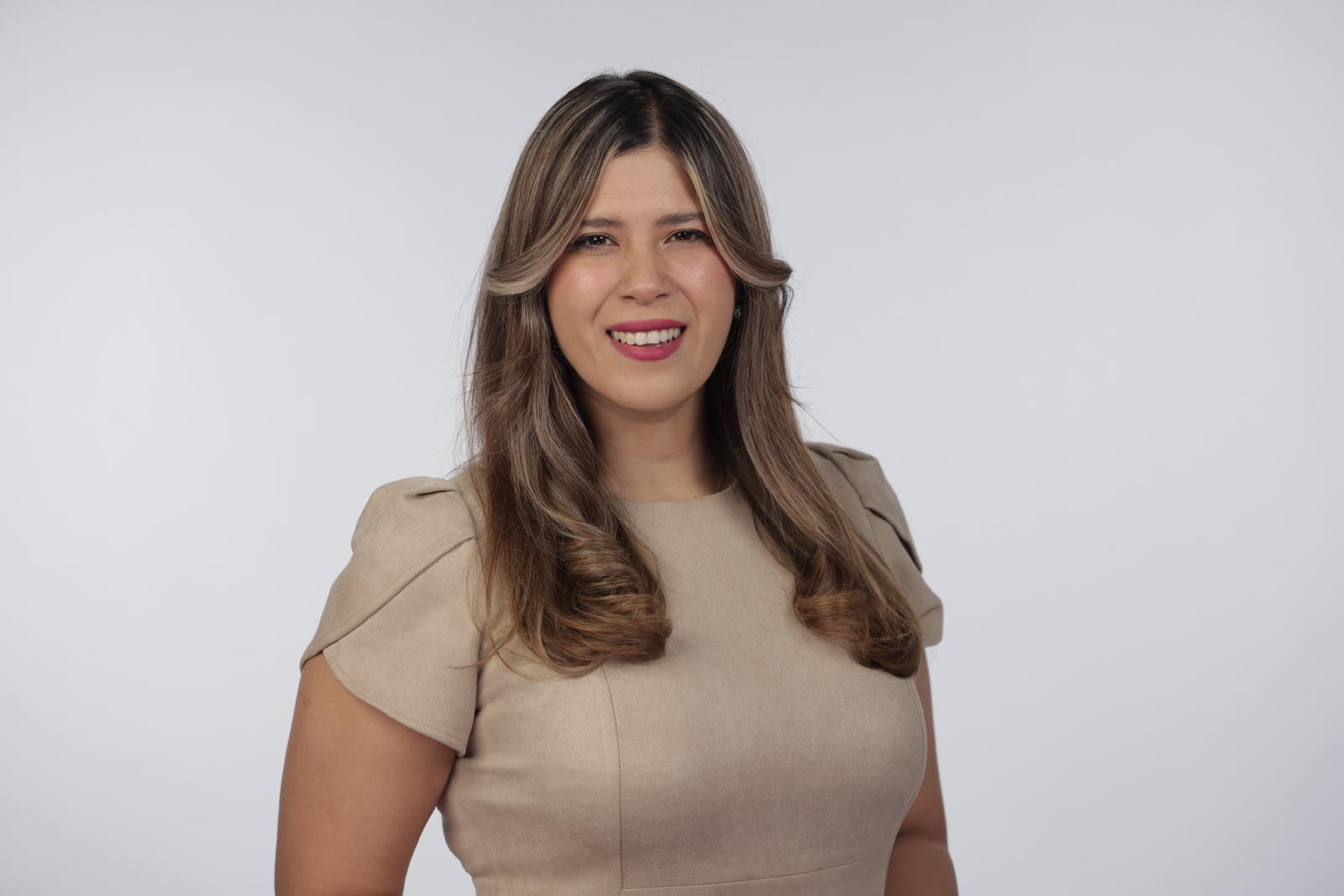
I am a journalist and weekend news anchor in San Diego for the best Spanish-language television newscast in the United States: Telemundo.
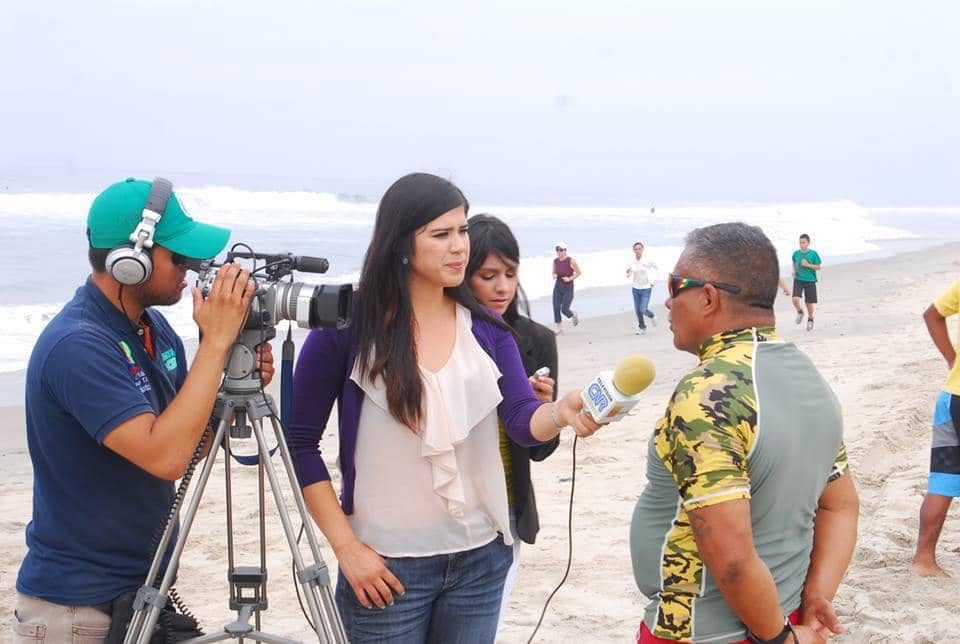
My path has not been easy, as much as I might have wished it to be. I come from a hardworking family where nothing was ever handed to us. Born in Mexico, I am grateful that despite our circumstances, my parents never limited my dreams. I got my first job at a local station in Rosarito by looking up the phone number for the news director at CNR. I called the station and asked the secretary for an appointment with him. I think she assumed I was a vendor or a potential client, because without hesitation, she booked me into his office. Having just started my third semester of university, I showed up with a manila folder under my arm and told him I wanted to work with him. I presented a television show I had created on my home computer aimed at promoting local restaurants; the show was called Guía Gourmet. For a year, I worked without a base salary, earning only what was made from each segment sold to the participating restaurants. After that year, once the station knew who I was, I officially asked for a job. Since I didn’t actually know how to do anything yet, they gave me a one-month trial. That’s where I began to understand how local television worked. For days, I acted as a camera operator, operated switchers and audio consoles, and even edited an English-language newscast they were trying to promote.
Eventually, the station genuinely needed a reporter. But what did a young student—who spent her free time on a swimming team and wasn’t even 21 years old—know about journalism, political institutions, or civil organizations? With absolutely no idea what I was doing, but with a lot of help from local journalists in the region—including Carmen Gutiérrez and my late friend, journalist Luciano Rivera—I learned the beautiful craft of journalism. What incredible times those were; freedom and creativity were entirely in my hands. What more can I say? Within three years, I knew every community leader in Playas de Rosarito. I knew which neighborhoods had issues with electricity or parks, and which day every single farmers’ market set up. At that point, I felt I knew Rosarito like the palm of my hand.
It was time to move forward, using the exact same formula. After three years, I called Maricarmen Flores, the news director at Televisa Tijuana, who gave me an appointment over the phone right then and there. I remember when she walked in, it was like seeing Miranda Priestly from The Devil Wears Prada. Everyone feared and respected her; she was a true institution of journalism in those days, before the arrival of social media, and someone everyone had known since the ’90s. There, doors opened for me. I improved my English and went from being a culture and entertainment reporter to the San Diego news correspondent for Televisa. That is where I learned how journalism functions in the United States. It was another massive challenge. I perfected my English—which I still don’t feel is flawless—took more courses and workshops, and set my sights on a new country. It was a place where I felt safer as a woman—and as a female journalist—than in Mexico. Nevertheless, I stayed at Televisa for five years, during which I was able to finish an MBA at CETYS Universidad.
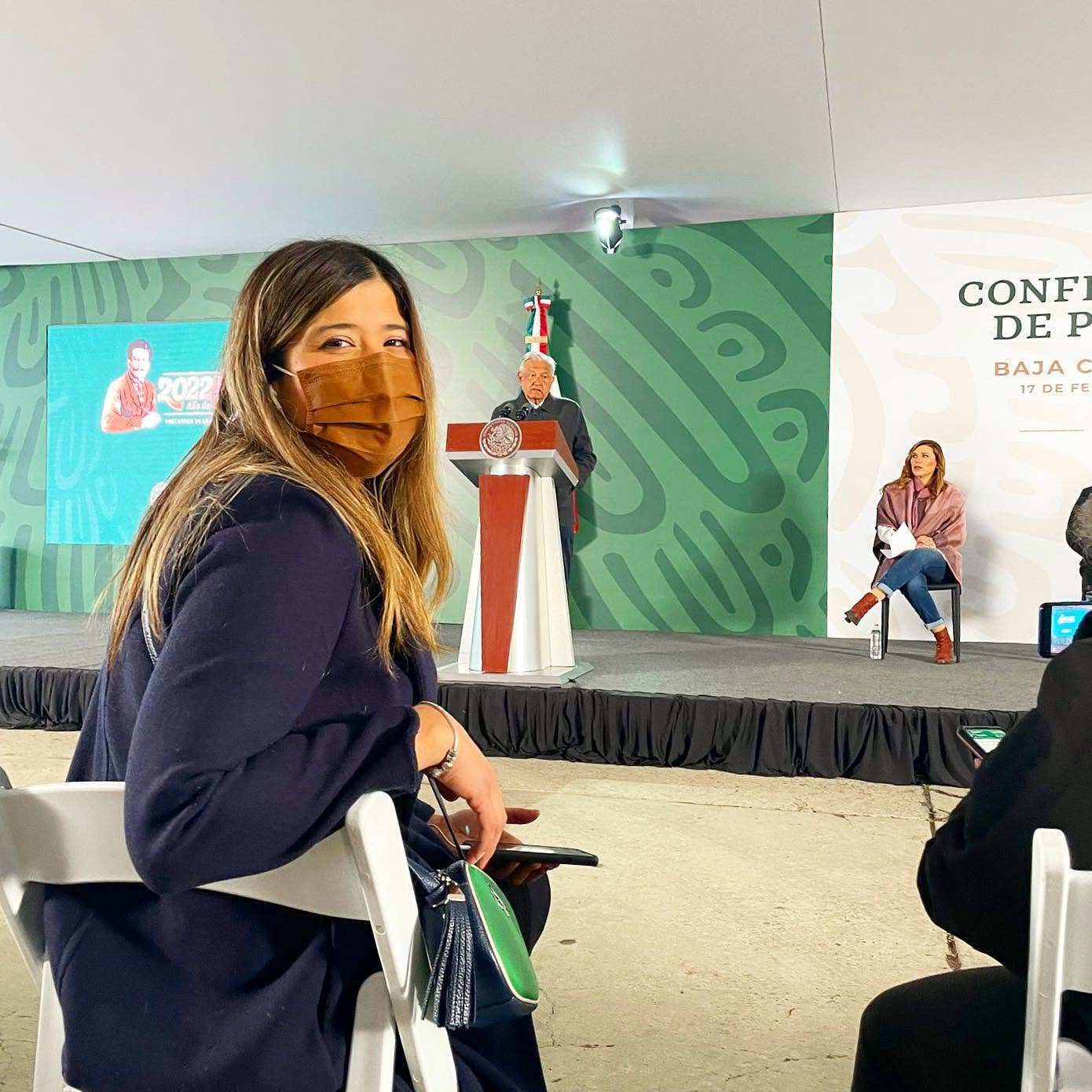
Then came my moment to pursue the American Dream—one that people told me I would only achieve through marriage, but which actually arrived through the strict discipline I learned as an athlete on a Mexican swim team, paired with a hunger that still won’t let me rest today. After facing an initial rejection, I called the news director at Telemundo San Diego once more. He told me, “Come in on Wednesday.” The next day, the job was mine, and I returned as a cross-border correspondent for Telemundo San Diego in Tijuana. That sparked five years of truly intense journalism. I confronted Mexican politicians, waded into crowds, followed migrant caravans, and pushed forward with my cell phone to question President Andrés Manuel López Obrador, successfully asking questions during two of his mañaneras (daily morning press conferences). I won my first Emmy and fully grasped the weight of journalistic ethics. This time, I was perfecting the craft, reporting on news that, even though it unfolded in Tijuana, felt like it impacted the entire world. I will never forget my days reporting in Tijuana—the most complex and the most rewarding of my life.
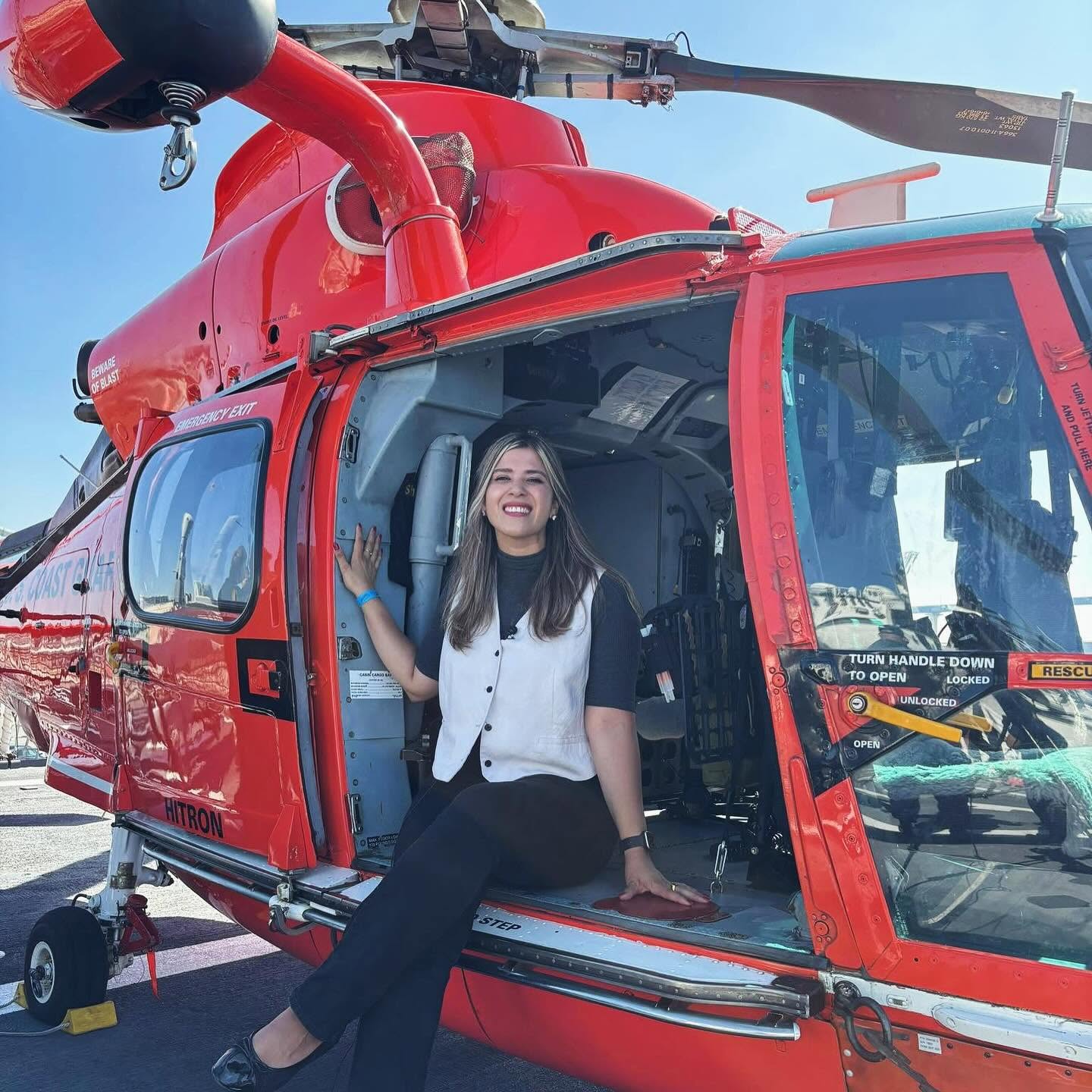
In 2023, I achieved what I had dreamed of my entire life. I still feel tears welling up in my eyes when I remember it. Greg Dawson and Mike Gaytan gave me the opportunity to secure a work visa to come to the United States and continue my career on this side of the border. I am the first journalist that NBC and Telemundo San Diego have brought directly from Mexico to work, which makes me feel an even greater commitment every day—not just to the company I am with, but to the migrant community. Like them, I earn my place every day in this country, which has given us so much in just a few short years. Being in San Diego and practicing journalism in the United States gives me a sense of freedom that I often didn’t feel in Mexico. “Don’t mention the names of drug traffickers in your stories”—that cost my colleague Margarito Martínez his life. “Don’t go out at night to report”—because you never know who you will encounter on the streets. Today in San Diego, I feel safer, protected, and filled with an immense passion to keep exploring this work that makes me so happy. I hope that with every report, I can inspire and help many people, both those thriving today and those who are less fortunate.
Can you talk to us a bit about the challenges and lessons you’ve learned along the way. Looking back would you say it’s been easy or smooth in retrospect?
I think the most difficult moments were entering institutions all at once. During my first approach to journalism, when I was nearly 20 years old, it was about understanding the entire governmental process, civil organizations, and how journalism itself functioned. Later, when I moved between cities within the same country, it became easier because it was just a matter of finding my sources.
It was the same story when I arrived in the United States, which has a different political system, a different way of interacting with civil organizations, and even a different way of requesting interviews—it’s as if immediacy is measured differently there. For example, in Mexico, you can—or could back then—get an interview with a single phone call; people usually answered the phone when you called them. In the U.S., I found that people didn’t always answer the phone, especially Anglo-Americans, and you had to send an email and request interviews often at least a day in advance. Those issues were the most complex parts of practicing journalism.
I also think that, as a woman, it was very difficult, especially in Mexico in 2010 when I started. I remember I was just starting out as a reporter and went alone to a homicide scene in a remote area. When I arrived, there was a large group of police officers talking to a veteran female journalist. I remember hearing her say, “She’s afraid to get out of the car.” And it was true—I was alone in my car in a remote area, and there was a body right there; of course I was afraid. Looking back now, I would have loved to have had support from the older generations for the newer ones; it’s something I try to remind myself of lately. In the end, in that situation, I think I did get out of the car, but I believe that not finding guidance during my beginnings, or not having a mentor during those first few months, made my work much more complicated. Over time, I learned to surround myself with those who knew the craft—as I mentioned, Carmen Gutiérrez ended up being my mentor in Rosarito, and I feel like Alexandra Mendoza sometimes still is in San Diego.
Appreciate you sharing that. What else should we know about what you do?
I think what distinguishes me the most is not being afraid to ask questions. And well, if you’ll allow me to rephrase that slightly, I am afraid—many times—but I ask the question anyway. I am always the first to raise my hand because that tiny opportunity life gives you to raise your voice and get answers on a topic you’re pursuing might not come around again. So, even with the fear of making a fool of myself, and lately, of being dismissed by the new government actors, I always ask. I always try to do it respectfully and never with the intention of causing offense.
But yes, I think everyone knows that if I have a politician in front of me, I will ask a question and raise my voice. This has given me the opportunity to question figures as prominent as former President Andrés Manuel López Obrador about organized crime, pressing him to answer whether he believed the governor of Baja California and the mayor of Tijuana had links to organized crime. It has also allowed me to ask the current president of Mexico, Claudia Sheinbaum, about the criminal groups smuggling migrants across the border, and to interview Bernie Sanders through the border wall in Playas de Tijuana, among thousands of other interviews.
My favorite topics are related to the border and the incredibly complex relationship that exists between both countries. I love everything connecting the United States, Mexico, and the world—how drug trafficking influences the relationship, how wildfires in the U.S. bring refugees to Tijuana, or how the pollution that exists in Tijuana today affects a city as privileged as Coronado. In the end, the physical borders created by humans are always at odds with our daily lives and our personal relationships, which naturally cross those physical limits.
How do you think about happiness?
My small, wonderful family—I am just a few months away from getting married, and I think my happiness can be summed up by watching my future husband play with our dog, Milka, whom we absolutely adore. We die laughing at her antics, and those moments when we are both laughing with her are my entire happiness. What can I say? I’m a romantic when it comes to love, but also when it comes to life.
I also want to say that even though I’ve seen a rise in the number of people and the trend toward using substances, being fully present in this chaotic life makes me incredibly happy. Walking and feeling the wind, landing the interviews I needed for my report, hearing a bit of gossip, being with my parents, my siblings, and my little nephew—this life is so wonderful. Why would I want to detach myself from that? I know I speak from a place of privilege, but I truly feel that despite the adversity, life is beautiful, and I love living it.
Contact Info:
- Instagram: https://www.instagram.com/marinee_za/
- Facebook: https://www.facebook.com/MarineeZavalaAguirre
- LinkedIn: https://www.linkedin.com/in/marinee-zavala-668a07155/
- Twitter: https://x.com/MarineeZavala