



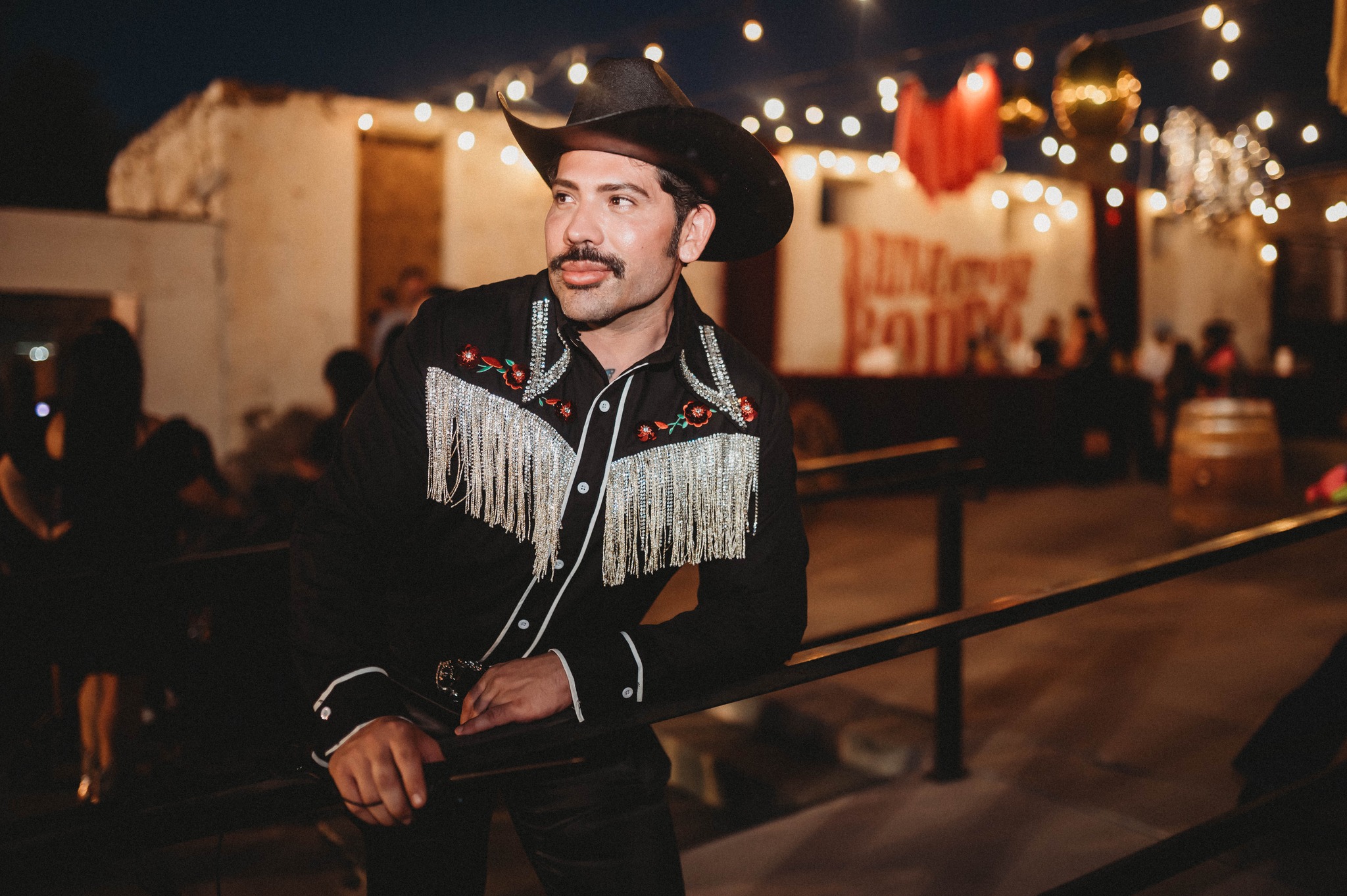
Today we’d like to introduce you to Elias Diaz.
Hi Elias, thanks for sharing your story with us. To start, maybe you can tell our readers some of your backstory.
They call me crazy for living here.
Sometimes I understand why.
Eagle Pass is the town that bore me. It gave birth to so many of my wounds. It is where I learned early that some places can make a child feel invisible before he even has the language to explain why. I grew up in a colonia on the U.S.-Mexico border, where the roads were not paved, where trash pickup was not guaranteed, where potable water lines did not reach us the way they seemed to reach other people. When I try to explain where I am from, people confuse us with El Paso or the Valley. I usually point somewhere near Del Rio and say, “We’re about an hour from there.”
It is hard to explain what that kind of invisibility does to a child.
You start to believe that being forgotten is natural. You learn that some communities are expected to survive without the things other communities call basic. Safe roads. Clean water. Health care. Mental health support. A place to ask questions without shame.
And I had questions.
I knew early that I was not like other little boys. I did not have the words for it at first, only the feeling: a quiet distance between who I was and who the world expected me to be. Around me, masculinity was often measured by silence, toughness, and control. Boys were supposed to harden. Men were supposed to endure. Anything soft was suspect. Anything feminine was dangerous.
Before I ever came out, I already understood the threat of being seen.
The names came first. Jotito. Marica. Maricón. Words people used as weapons before I even understood the full weight of them. Later came the lesson that many queer children learn too young: sometimes the people who are supposed to protect you are also the people you are most afraid of disappointing. My mother begged me to stay quiet because she feared what my father might do. My father, trapped in his own inheritance of machismo and violence, tried to beat the softness out of me.
He was not the first man to try to erase a part of me through violence.
He would not be the last.
For a long time, I thought survival meant leaving. I dreamed of getting out of Eagle Pass and finding a place where I could finally breathe without apology. I wanted distance from the small-town whispers, from the shame that clung to my body, from the fear that my life would always be defined by what had happened to me. I carried emotional, physical, and sexual abuse into adolescence. I carried anger. I carried depression. I carried coping mechanisms that helped me survive in the moment and hurt me later.
When people saw the aftermath, they called me crazy.
Maybe it was because they saw the rawness of my emotions. Maybe it was because they saw the habits of my past. Maybe it was because they could not understand that what looked like instability was, in many ways, a body trying desperately to stay alive.
But I knew something they did not.
I knew how to turn chingazos into power.
Still, knowing that did not make healing simple.
As I became an adult, trauma shaped the way I moved through love. I found myself in relationships where fear was always present. The first time I was afraid of contracting HIV, I was 16 and dating an older man. Friends called to warn me that his previous partner had died of AIDS. They were scared for me, and then I was scared too. That fear stayed. It followed me into my twenties, into violent relationships, into sexual encounters where I did not always feel I had the power to negotiate safety, into friendships where I watched too many gay brothers face the realities of HIV in a world still soaked in stigma.
For years, fear was my primary partner.
It came with me to relationships. It came with me to sex. It came with me to work. It came with me when I tried to build a life that looked successful from the outside while inside I was still bargaining with shame. I told myself stories about who I was allowed to become. I told myself that because I had been hurt, unhealthy love was inevitable. I told myself that because I came from a forgotten place, I should be grateful for whatever I could get. I told myself that my pain was a prophecy.
That is the danger of trauma: it does not only wound you. It narrates you.
Eventually, I became a therapist. I learned the language for things I had lived before I could name them. I learned about adverse childhood experiences, family systems, stigma, attachment, and survival responses. I learned how people turn pain inward when they are not given safe places to put it. I learned that communities carry trauma too. Not metaphorically. Literally. In our bodies. In our policies. In the absence of clinics. In the silence around sexuality. In the lack of transportation to care. In the young person who does not know where to get tested. In the mother who wants to help but does not know how. In the man who asks, “Are you clean?” because fear has taught him to confuse status with worth.
I also learned that stories can be rewritten.
That became the work of my life.
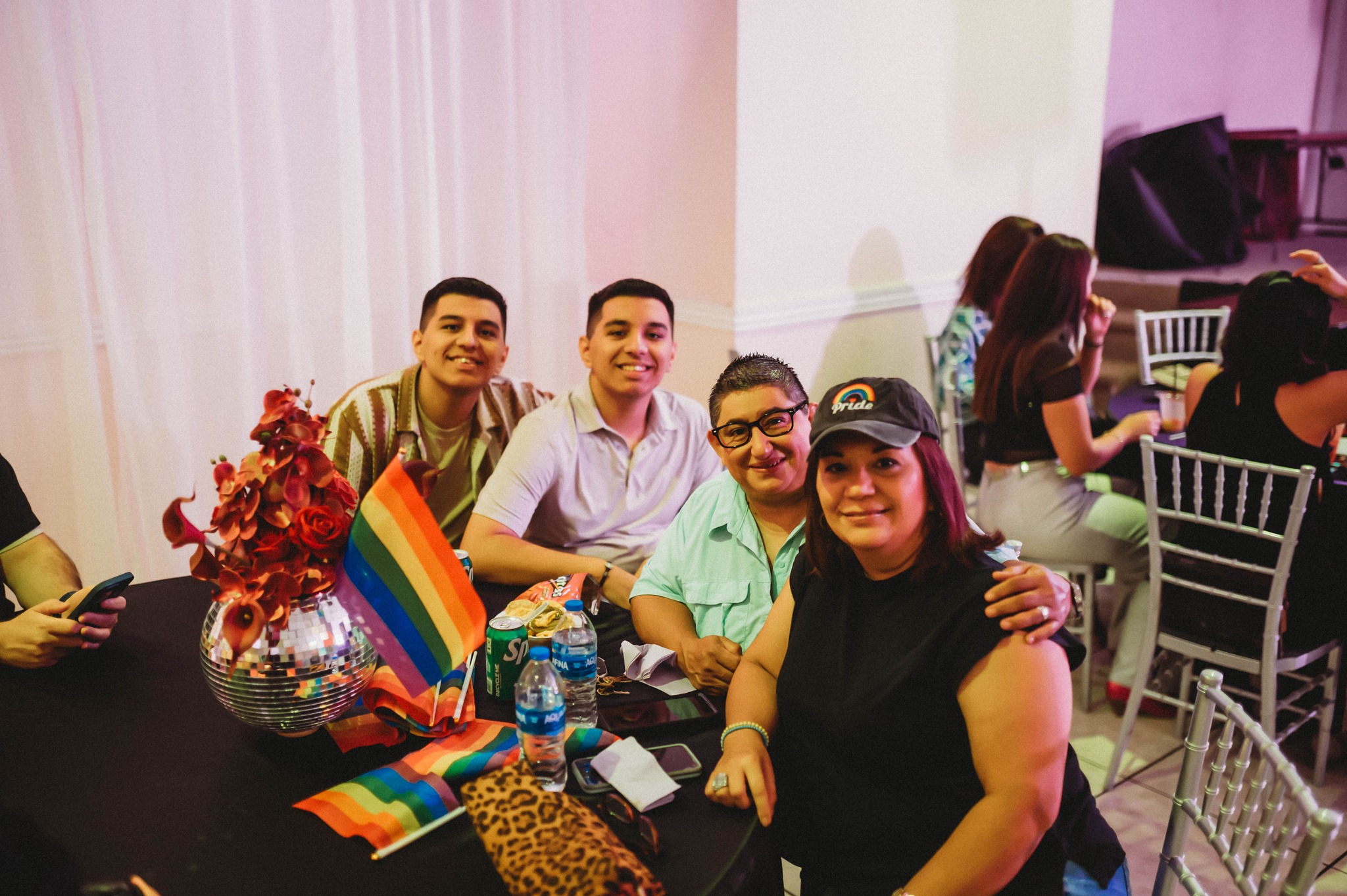
I am a mental health provider, a public health advocate, and a community organizer. Politics was never the plan. Truthfully, I hate politics. I do not think of myself as a politician, even after becoming the first LGBTQ elected official in Eagle Pass. I ran not because I wanted a title, but because I knew what happens when decisions are made without the people most affected by them in the room.
My fight has never really been for a position.
My fight is for the little brown boy who learned silence as his first language. It is for the queer youth trying to survive their family’s fear. It is for the person living with HIV who deserves care without shame. It is for the mother searching for mental health support for her child. It is for the farmworker’s back, the grandmother’s prayers, the sex worker’s dignity, the immigrant’s exhaustion, the survivor’s trembling hands. It is for everyone who has been told, directly or indirectly, that their suffering is too complicated to matter.
When I returned to Eagle Pass, people called me crazy for that too.
Why go back to the place that hurt you?
The answer is complicated. Eagle Pass wounded me, yes. But Eagle Pass also made me. Its dust is in my lungs. Its language is in my mouth. Its people are my people. The Nahuatl hiding in my Spanish, the Spanish clinging to my English, the English decorated with my accent — all of it is home. I did not come back because healing was finished. I came back because healing had to happen here too.
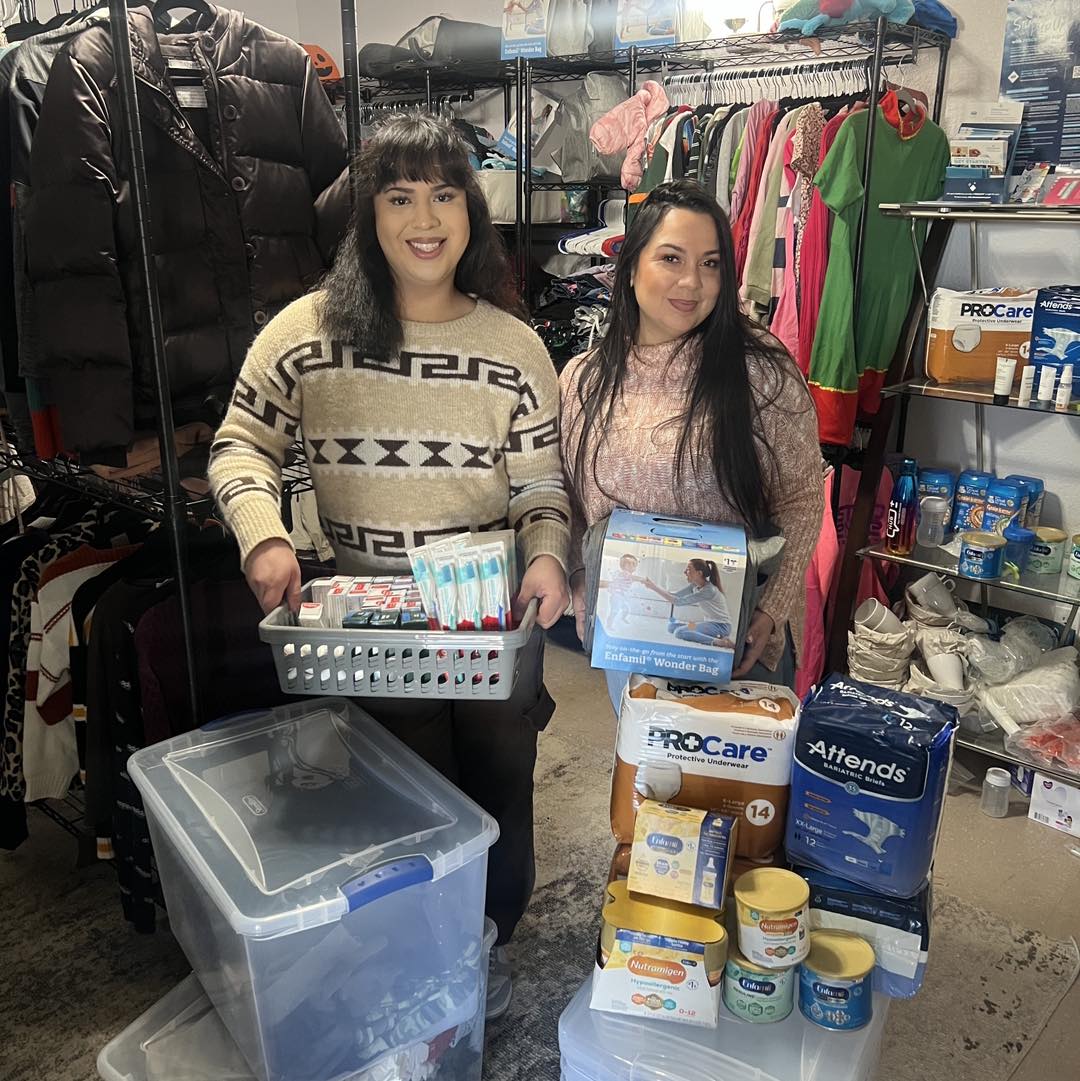
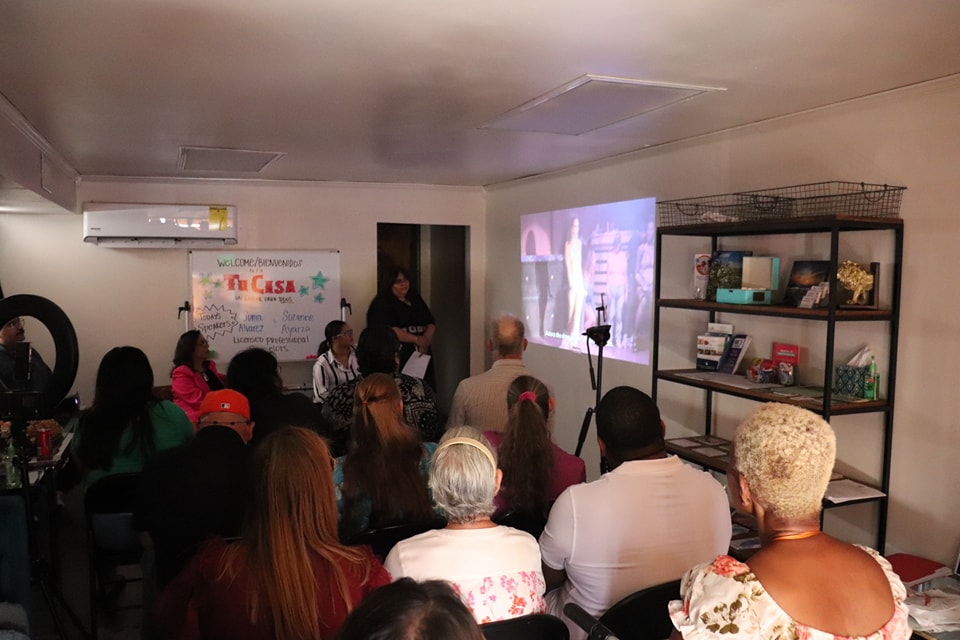
Through Eagle Pass SAFE, I helped build a grassroots effort focused on mental health, community education, stigma reduction, and basic needs. Through my work in public health, I have pushed for better systems of care in rural communities that are too often left out of the conversation because our numbers do not always look urgent on paper. But anyone who lives here knows urgency does not always show up neatly in a spreadsheet. Sometimes urgency looks like a person choosing between gas money and a medical appointment. Sometimes it looks like a teenager afraid to ask where HIV testing is available. Sometimes it looks like a family with no language for mental health until crisis arrives.
In my professional life, I have helped build programs, secure funding, expand partnerships, and strengthen services for people facing barriers to care. But the deeper work is not only institutional. It is personal. It is cultural. It is spiritual.
It is teaching people that shame is not a treatment plan.
It is teaching our community that machismo does not have to mean violence or emotional disconnection. It can mean bravery. Honor. Pride. Protection without control. Strength without cruelty. It can mean a father who does not need to break his child to make him strong. It can mean men learning to love each other without fear as the first language.
I used to think my story was proof that I was broken. Now I understand it differently. My story is evidence. Evidence of what happens when systems fail. Evidence of what children carry when adults choose silence. Evidence of what queer people survive in places that ask them to disappear. But it is also evidence of resilience. Of return. Of the stubborn, sacred decision to keep getting up.
They call me crazy.
Maybe it is because I talk about things people would rather keep hidden. Maybe it is because I lead with my heart in a world that rewards numbness. Maybe it is because I believe a border town deserves more than survival. Maybe it is because I still have faith in people who have been failed over and over again.
Or maybe they call me crazy because they do not yet have another word for someone who refuses to be erased.
I do not mind anymore.
I have been called worse.
Crazy is what they call you when you tell the truth before they are ready to hear it. Crazy is what they call you when you come back to the place that hurt you and say, “We can heal here.” Crazy is what they call you when you take the rumors of your past and refuse to let them destroy your opportunity. Crazy is what they call you when your life becomes a battle cry for a heartbroken community.
Eagle Pass is the town that bore me.
Now I want it to be the town that heals us.
And if that sounds crazy, then let them call me crazy.
I know what I am building.
Alright, so let’s dig a little deeper into the story – has it been an easy path overall and if not, what were the challenges you’ve had to overcome?
Right now, we are facing the kind of challenges that do not fit neatly into one box: limited access to healthcare, HIV stigma, mental health needs, poverty, machismo, homophobia, and the quiet exhaustion of living in a rural border community that has been forgotten for far too long. We know how to survive because our people have always known how to survive, but survival should not be the highest standard we set for ourselves. Too many of our families are still trying to navigate broken systems without the resources, language, transportation, or culturally competent care they deserve. Too many of our LGBTQ youth are still learning silence before they learn safety. Too many people living with or vulnerable to HIV are still carrying shame instead of support. Too many of us are being asked to heal from trauma while fighting just to be seen. But we are not powerless. We are building sanctuary out of struggle, turning chingazos into power, and demanding a community where care is not a privilege, visibility is not dangerous, and healing belongs to all of us.
Alright, so let’s switch gears a bit and talk business. What should we know?
What began as a small group of five volunteers committed to meeting real community needs has grown into a trusted nonprofit resource hub serving Eagle Pass and beyond. What started as a grassroots effort quickly turned into meaningful action, expanding into programs that increase access to care, reduce barriers, and strengthen community connection. We are a network of community members and advocates who turn lived stories and experience into real, lasting impact. As we move forward with the same love and dedication that sparked our beginning, SAFE continues to expand access, build opportunity, and create pathways to well-being for more of our community.
Contact Info:
- Website: https://epsafe.org
- Instagram: https://www.instagram.com/eaglepasssafe
- Facebook: https://www.facebook.com/EaglePassSAFE