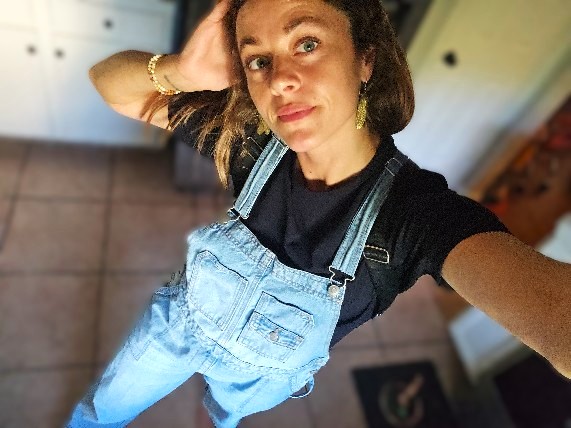





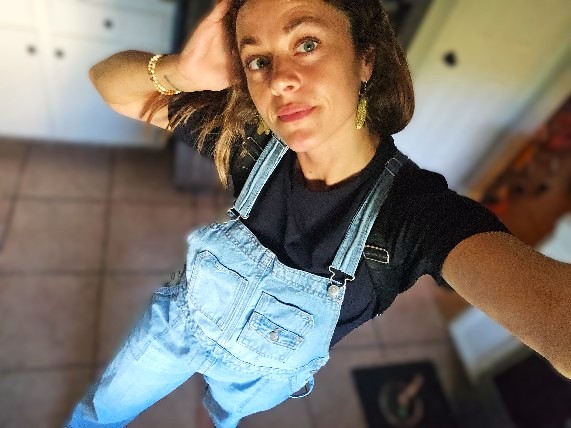
Today we’d like to introduce you to Elise Galperin.
Hi Elise , we’re thrilled to have a chance to learn your story today. So, before we get into specifics, maybe you can briefly walk us through how you got to where you are today?
In Austin, I was painting, performing, and staging collaborative happenings where dancers, musicians, visual artists, and strangers all became part of the work. it looked chaotic from the outside. From the inside, it felt like orchestration. I didn’t know the language for it then, but I was already designing systems. I was observing humans co-create meaning in real time. Anyone who knew me then would say, “She’ll bring you together—she’ll make something out of nothing.” And that’s exactly what it felt like.
Then I had a baby. My first son.
And suddenly, art wasn’t just expression, it was responsibility. The question shifted from what do I want to make to what kind of world do I want my child to inherit? That moment pushed me back into my degree, not just to finish it, but to finish it with intention.
I earned my Bachelor of Fine Arts in Education, with a minor in Communication, and became a certified Texas educator. Early in my career, I worked with infants and early childhood development, studying patterns of attachment, cognition, and identity formation. I also worked with children who had experienced trauma, living with them, witnessing grief, helping them navigate loss and later with special needs students from adolescence into adulthood.
I didn’t realize it at the time, but I was learning from people who had already been shaped, learning from their identities, histories, and resilience. I had no blueprint, no playbook, and that felt freeing. I was a novice, messy, and constantly failing but I wasn’t afraid. I had been a “mistake” so often that nothing I did could break some archetype. Looking silly, being different, failing publicly, it all felt normal to me. That fearlessness became the ground where real learning could take root.
When I moved into a large 6A high school, I encountered a very different kind of contrast. I worked closely with students in AP classes, creating the very first National Art Honor Society chapter at the school, a chapter I had never seen built before. Students collaborated with international artists and cultural leaders, built portfolios, and connected to real-world mentorships.
I realized that information, growth, and curiosity can really be born from contrast. By this point, I had experienced two kinds of contrast, lived and theoretical. I grew up feeling like a mistake, with little in the way of resources, building everything from scratch. At the same time, I was studying these ideas in textbooks and working directly with children across a wide range of experiences, from students navigating systemic disadvantages to those enrolled in AP and honor courses. Holding both realities at once showed me something important.
Contrast does not divide learning it expands it .
That dual perspective became a powerful lens for understanding potential, identity, and learning in ways that are both personal and universal. The challenge was never the information itself. It was helping people engage with new perspectives, tolerate contrast, and remain open when answers weren’t immediate.
That space of not-knowing is where learning has the greatest potential for growth. It was in that realization that I began experimenting with what would later become the Middle Mentor Method™. I began working with children navigating loss, neurodiversity, and systemic barriers. I watched how some children expanded when given permission, while others, just as capable, collapsed under invisible narratives about who they were allowed to become.
Same resources.
Same intelligence.
Different identity stories.
Different futures.
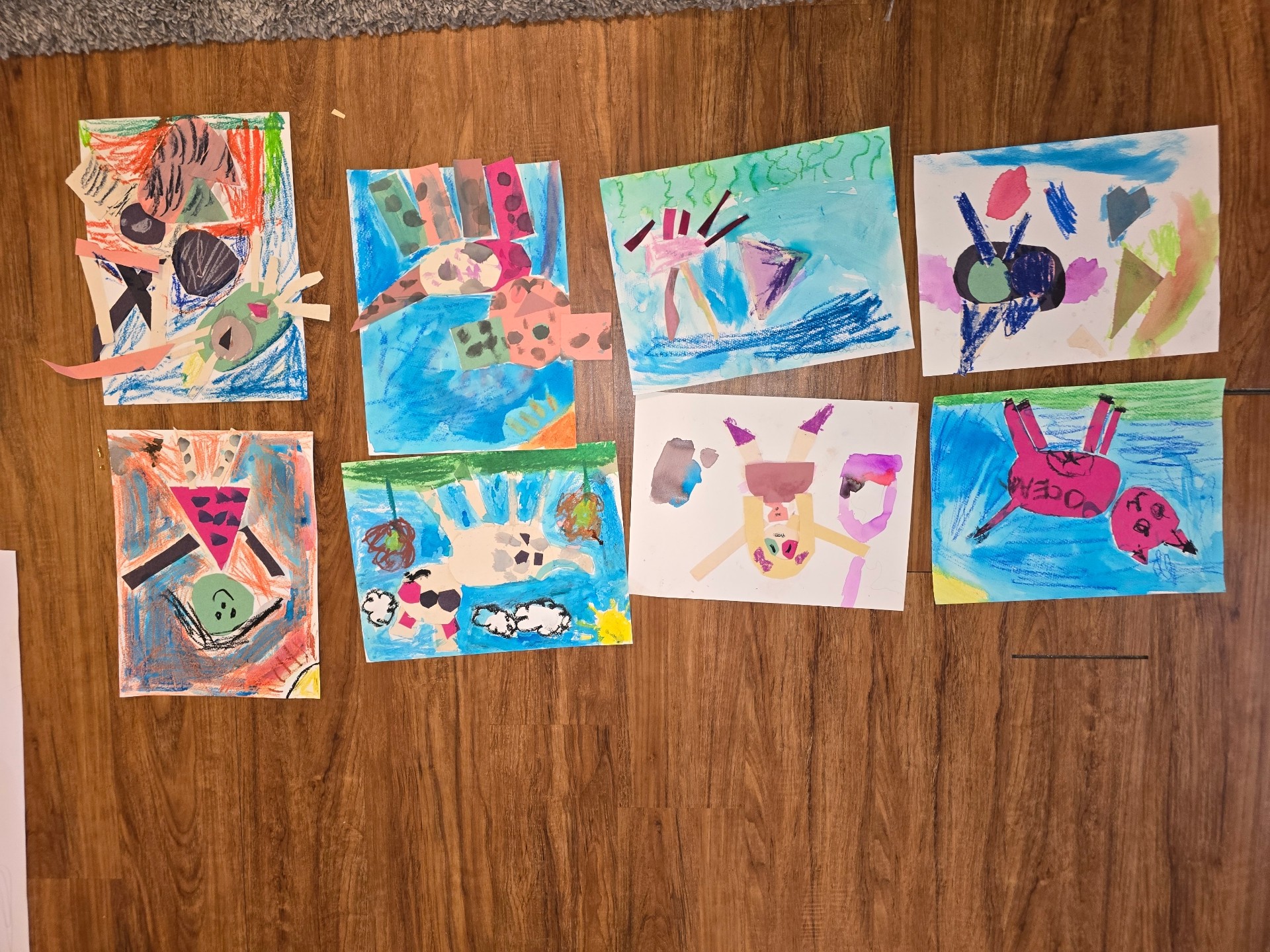
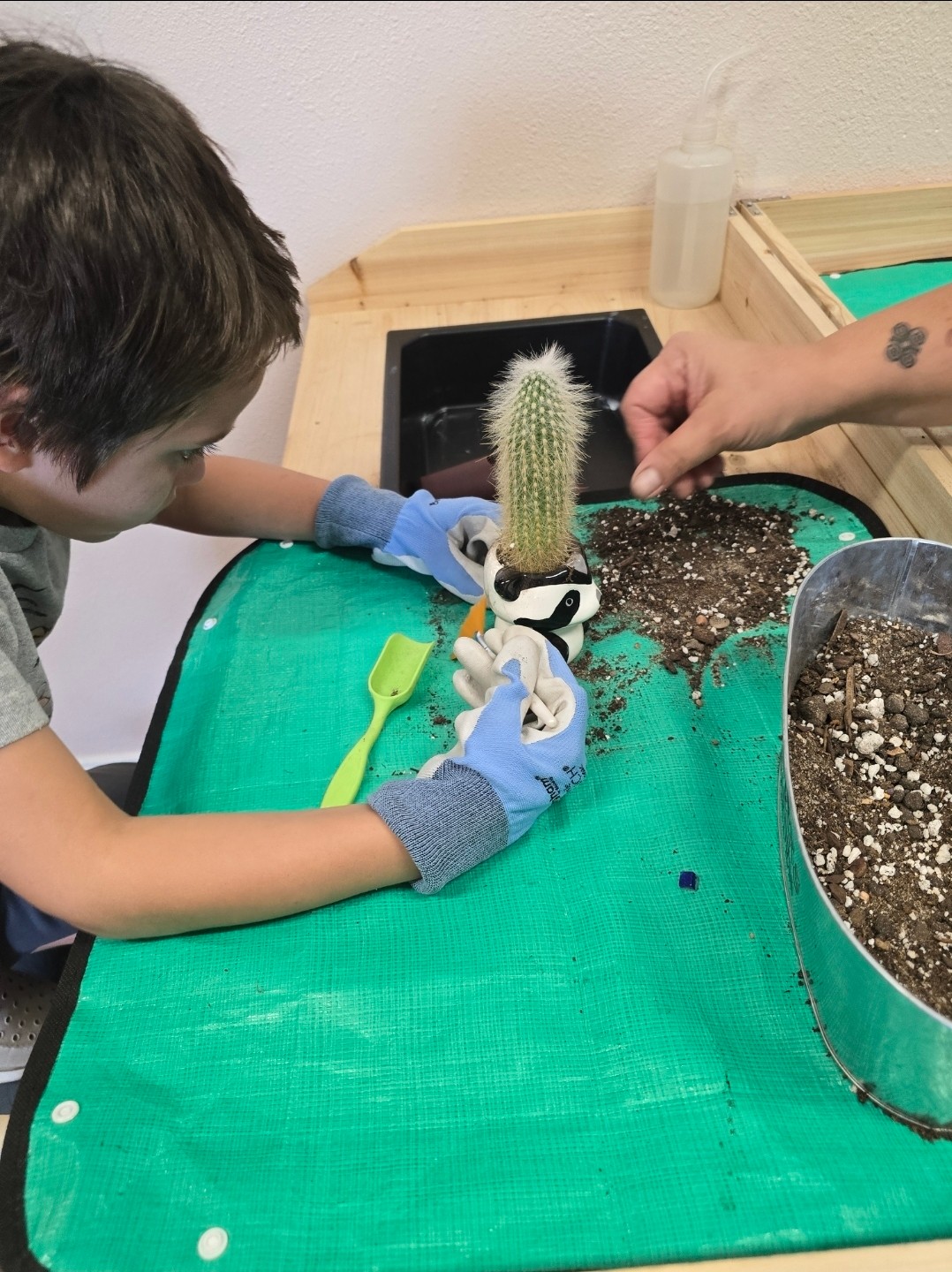
It wasn’t about academics. It was about self-concept as curriculum. I started building experiments inside classrooms, homeschool networks, and community spaces bringing artists into schools, blending intuition with cognitive science, mentoring students in uncertainty rather than certainty. Every success built foundation and every failure became data.
That’s how the Middle Mentor Method™ emerged.
I realized education wasn’t missing intelligence, effort, or content. It wasn’t about fixing teachers or fixing students. It was missing the relational bridge between them. The Middle Mentor™ is the guide who stands between structure and freedom, between curriculum and identity. Not an authority above, not a peer beside, but a living translator between systems and self. I believe every learner needs a Middle Mentor because learning isn’t just cognitive, it’s relational, emotional, and existential.
We don’t just teach content. We mentor identity formation in real time. A core principle of this work is normalizing uncertainty. In the classroom, this looks like creating a space where it’s safe to not know yet. When uncertainty is safe, curiosity grows.
Curiosity sounds like:
• “What if…?”
• “Why does this work this way?”
• “Can I try another way?”
• “I’m not sure, but I’m wondering…”
These are open questions, not closed ones. When curiosity grows, students move from trying to be “right” to trying to understand. And when understanding becomes the goal, identity evolves.
Students begin to see themselves as:
• Thinkers
• Problem-solvers
• Creators
• Capable learners
When identity has room to evolve, learning is no longer a one-time event. The same concept can be revisited and understood again and again each time from a more expanded, connected, and integrated place. That’s where deeper learning lives.
That philosophy became the foundation for Curate the Mind™, a curriculum architecture that takes TEKS-aligned standards and layers them with experience, anchors, and child-driven vision. Instead of forcing standards onto children, we map child curiosity back onto academic benchmarks.
Math becomes city design.
Literacy becomes storytelling for real audiences.
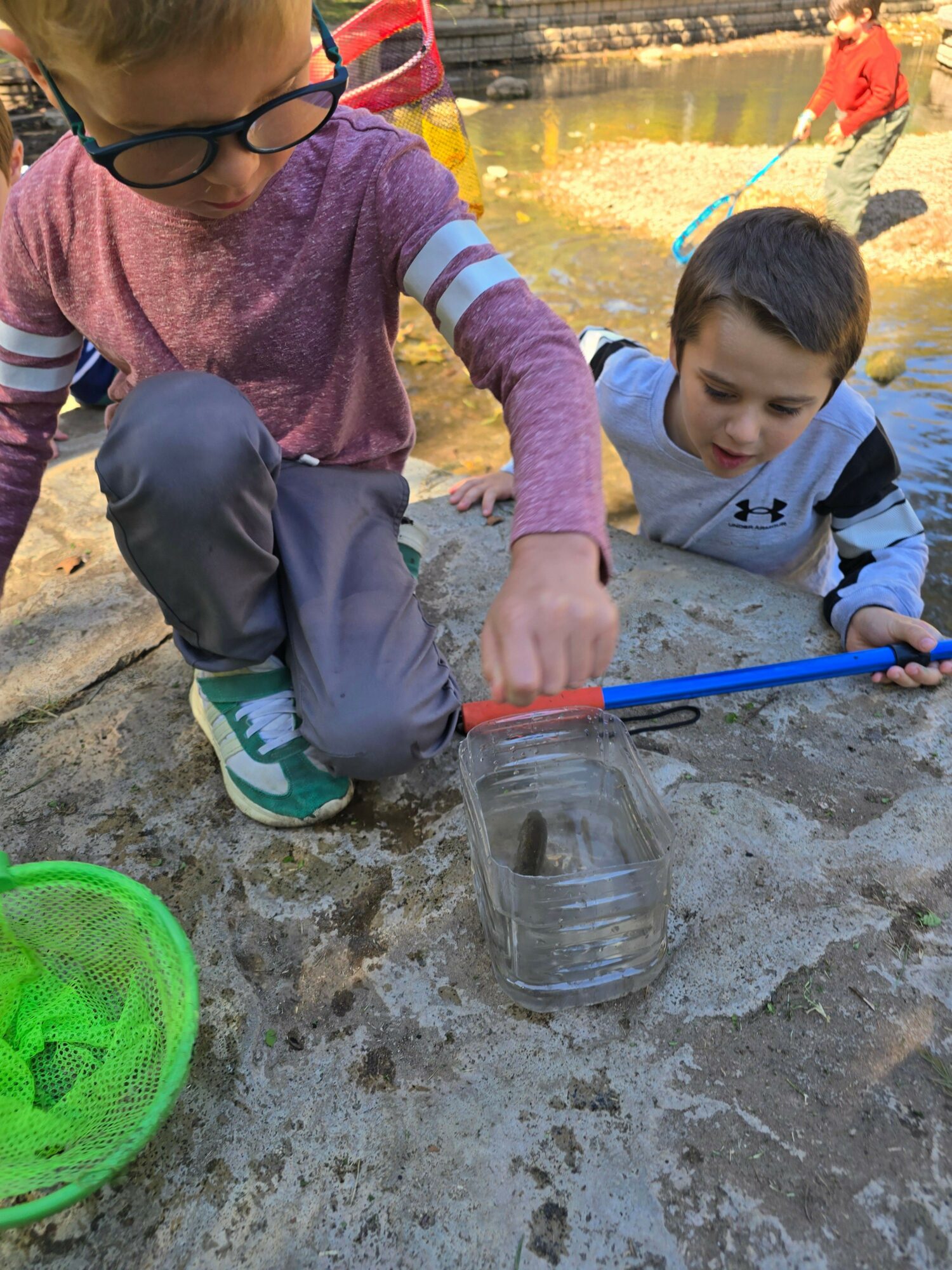
Science becomes environmental inquiry.
History becomes lived narrative.
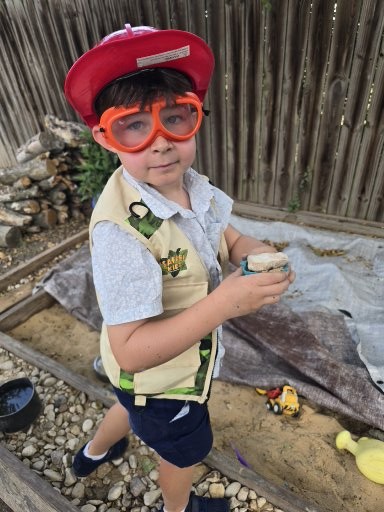
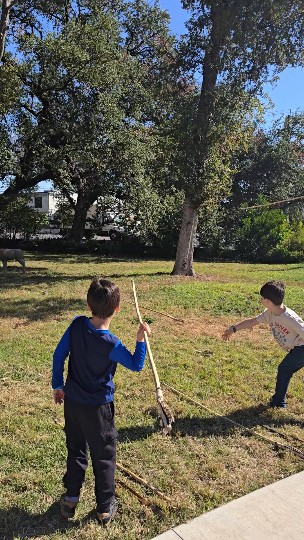
This is why we are project-based, child-centered, and experiential.
Learning is not consumed.
It is constructed.
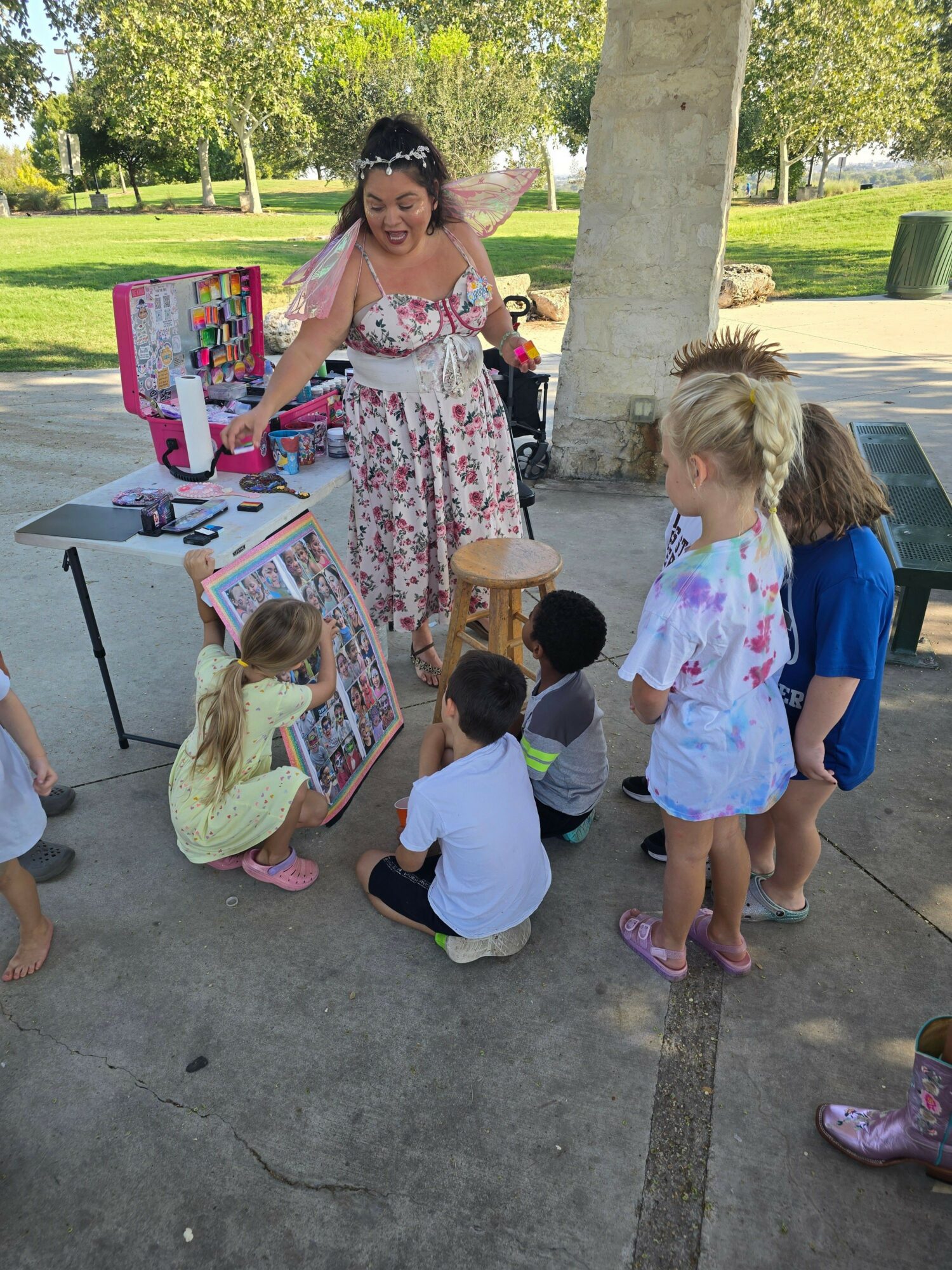
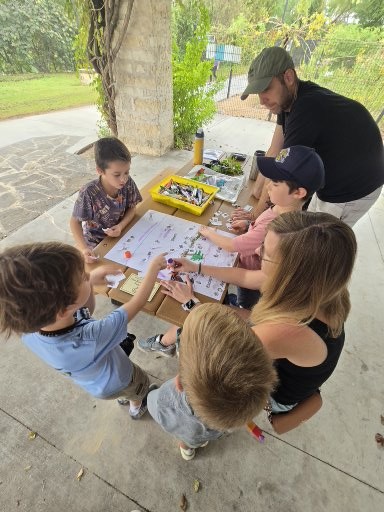
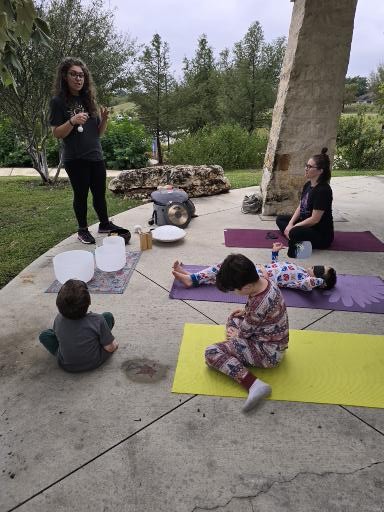
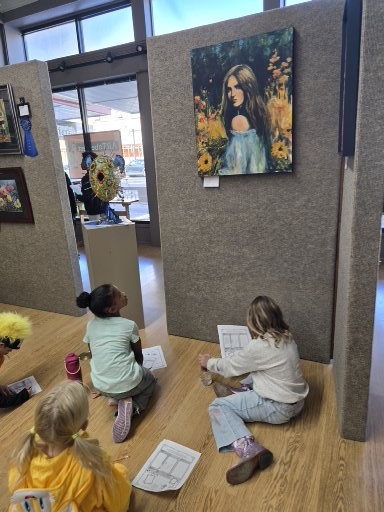
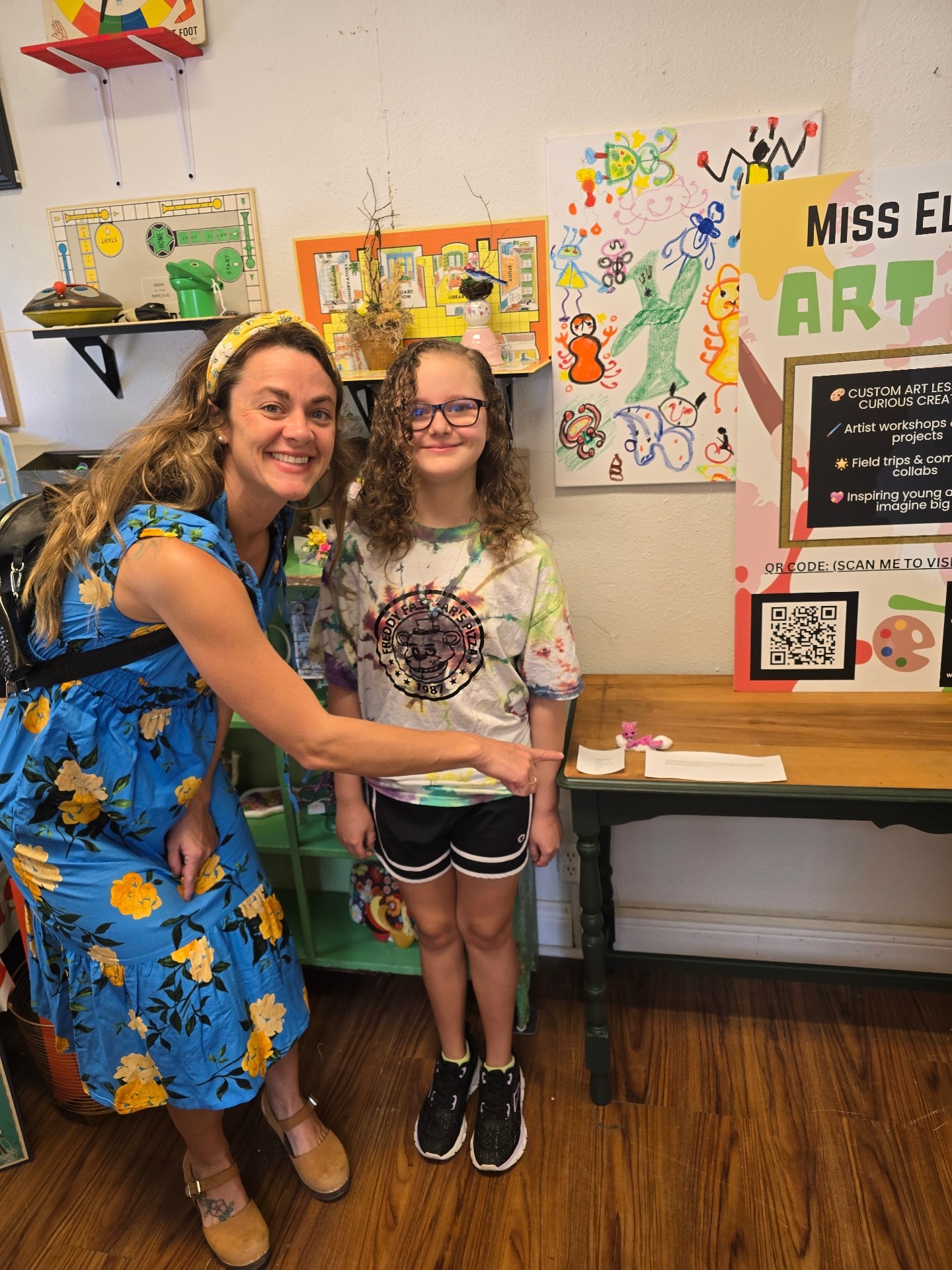
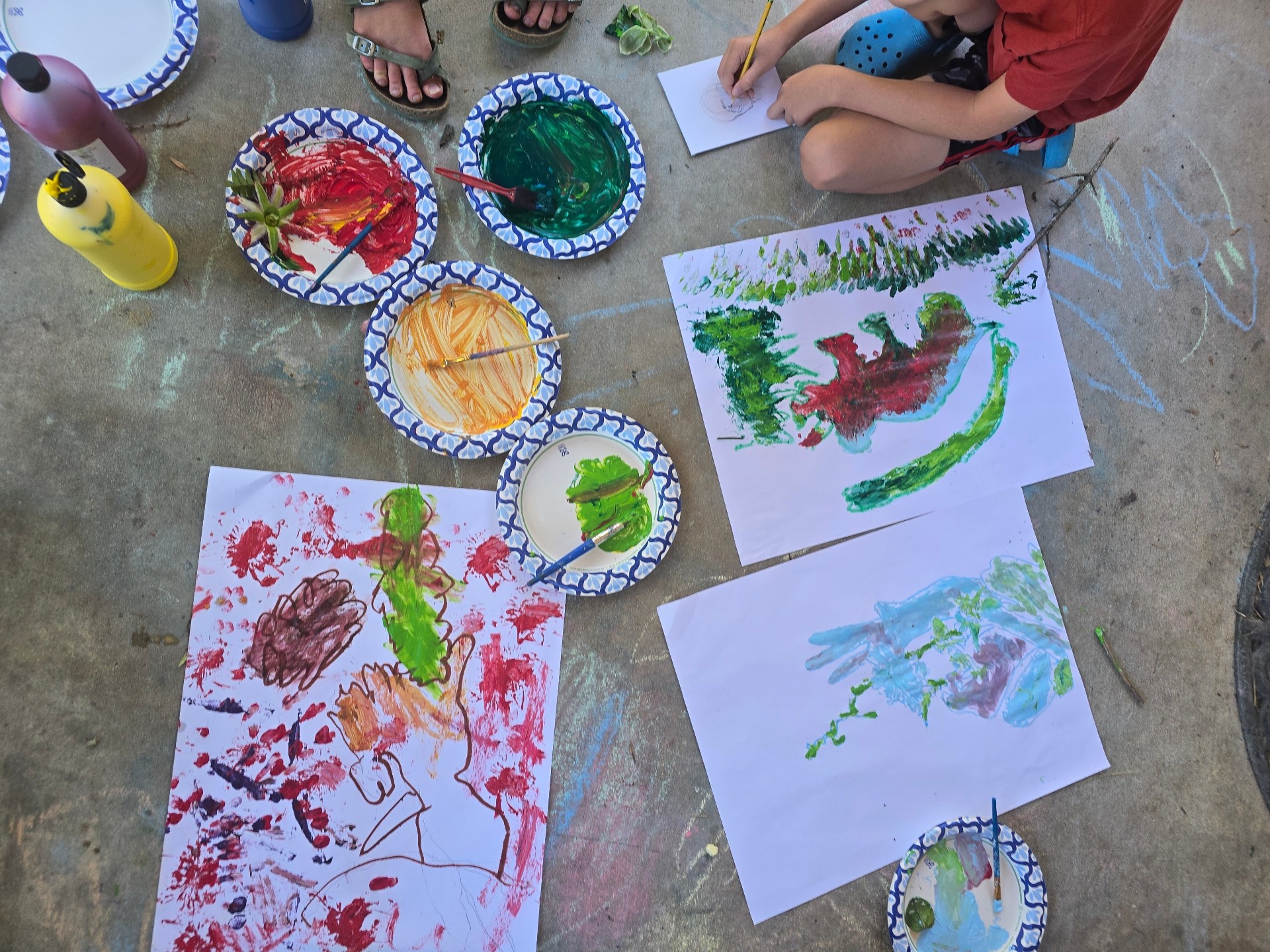
This idea grew into Miss Elise’s Art House and the Micro Learning Academy, an inquiry-driven microlearning environment blending Montessori, Waldorf, Charlotte Mason, and contemporary systems theory. We collaborate with artists, educators, entrepreneurs, and families to make learning a living ecosystem rather than a classroom event.
We also train the adults. Today, this work spans an academy, educator communities, youth mentorship networks, workshops in public schools, homeschool mentorship programs, and international collaborations. We train teachers, creatives, and vendors because every adult in a child’s ecosystem is curriculum.
We teach TEKS-aligned reading and math.
But we also teach something harder to measure:
How to trust your own thinking.
How to listen to your body.
How to play with uncertainty instead of fearing it.
Because play is how humans prototype reality.
My mission is simple and radical:
Help people love where they are, so they can actually move from there.
What if being “behind” is just a narrative?
What if mistakes are prototypes?
What if confidence is not a personality trait, but a practiced relationship with play?
I don’t think education needs to be fixed.
I think it needs to be experience.
Would you say it’s been a smooth road, and if not what are some of the biggest challenges you’ve faced along the way?
Early in my career, I faced many challenges, teaching new subjects, limited resources, system breakdowns, and navigating personal transitions. At the time, I believed the difficulties meant I was in the wrong place, and I was always looking for something better elsewhere.
With experience, I realized the challenges weren’t unique to one setting, they exist everywhere. What changed was my mindset. I developed gratitude, a clearer understanding of what growth actually looks like, and the ability to focus on what I can control.
I now understand that effective teaching isn’t about perfect systems; it’s about emotional safety, adaptability, and strong relationships. I focus on how I show up, how I regulate myself, and how I support students in real, imperfect conditions. That perspective has made me a stronger, more grounded educator.
Thanks – so what else should our readers know about your work and what you’re currently focused on?
What I created, and what I’m most proud of, began at my lowest point.
I was completely burned out, physically, emotionally, and professionally, in motherhood, teaching, and life. In that moment, I made a clear vow to myself: I will get through this, and I will never again treat myself poorly for supporting my family and my community.
From that vow, I built a sustainable way of working and living. I created learning environments and mentorship models with care, regulation, and respect for students and for myself. My struggles became my strengths because I learned how to meet difficulty with compassion instead of self-judgment.
What I’m proud of is this: I kept going without abandoning myself. Now, when things are hard, I remember that promise and choose to be kind to myself. That choice is what allows me to show up consistently, lead with integrity, and support others in meaningful ways.
Do you any memories from childhood that you can share with us?
Pushing my doll down the road in the rain when we lived by the mountains. It has no real attachment to what I do other than I always remember it and it feels calm and sweet.
Contact Info:
- Website: https://curatethemind.wixsite.com/website
- Instagram: @misselisesarthouse
- Facebook: http://facebook.com/share/1AhBVHXvoG/
- LinkedIn: https://www.linkedin.com/in/elise-galperin-43451439a/
- Youtube: @misselise’sarthouse