




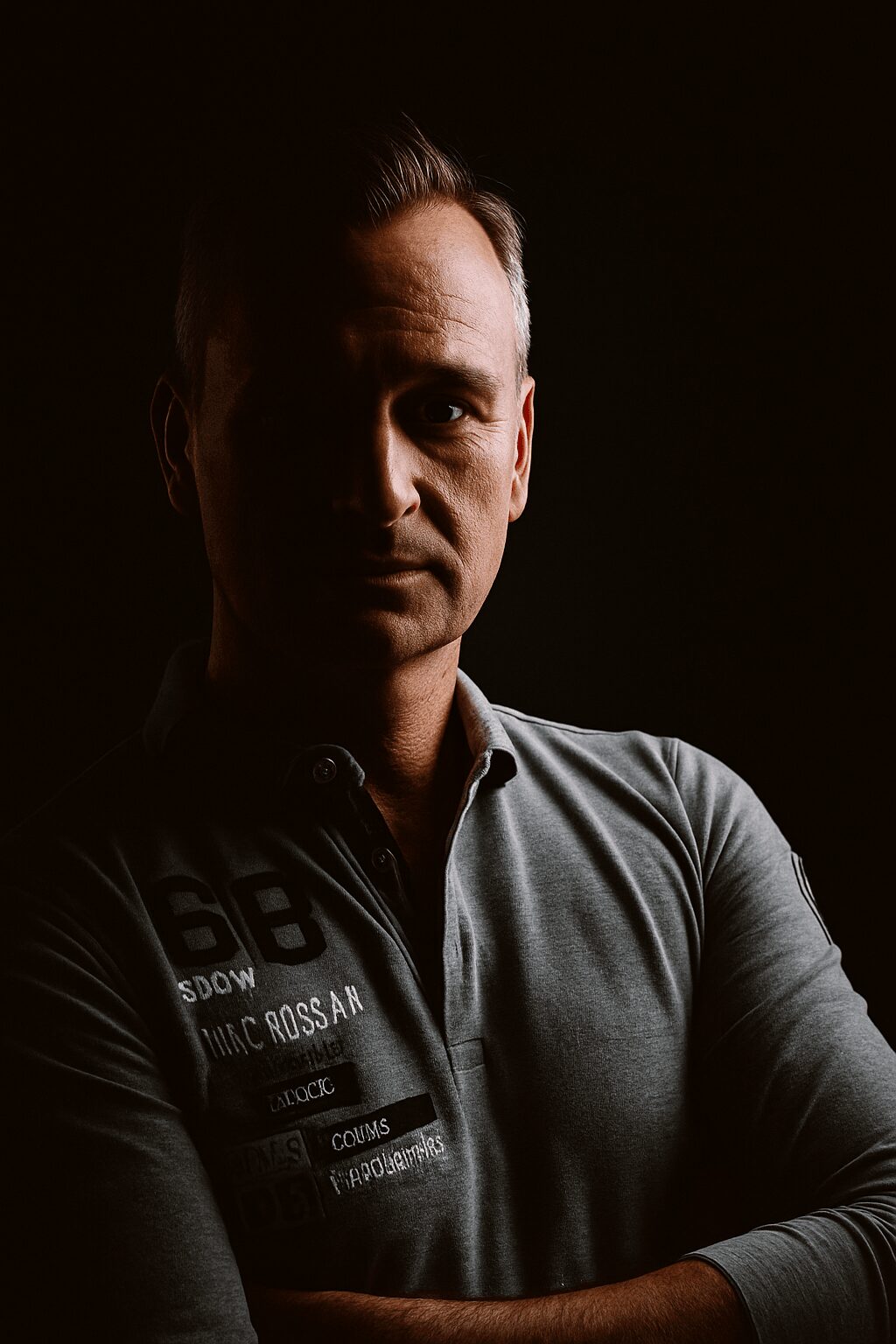
Today we’d like to introduce you to Stefan Dragitsch.
Stefan, we appreciate you taking the time to share your story with us today. Where does your story begin?
I didn’t come to art through a traditional path. I came to it after a long career in sales and marketing, driven by a need to build something slower, more physical, and more honest. I was born in Bucharest, grew up between Eastern Europe and Germany, and later immigrated to the U.S. with little more than conviction and grit. That constant movement shaped how I see materials, space, and identity.
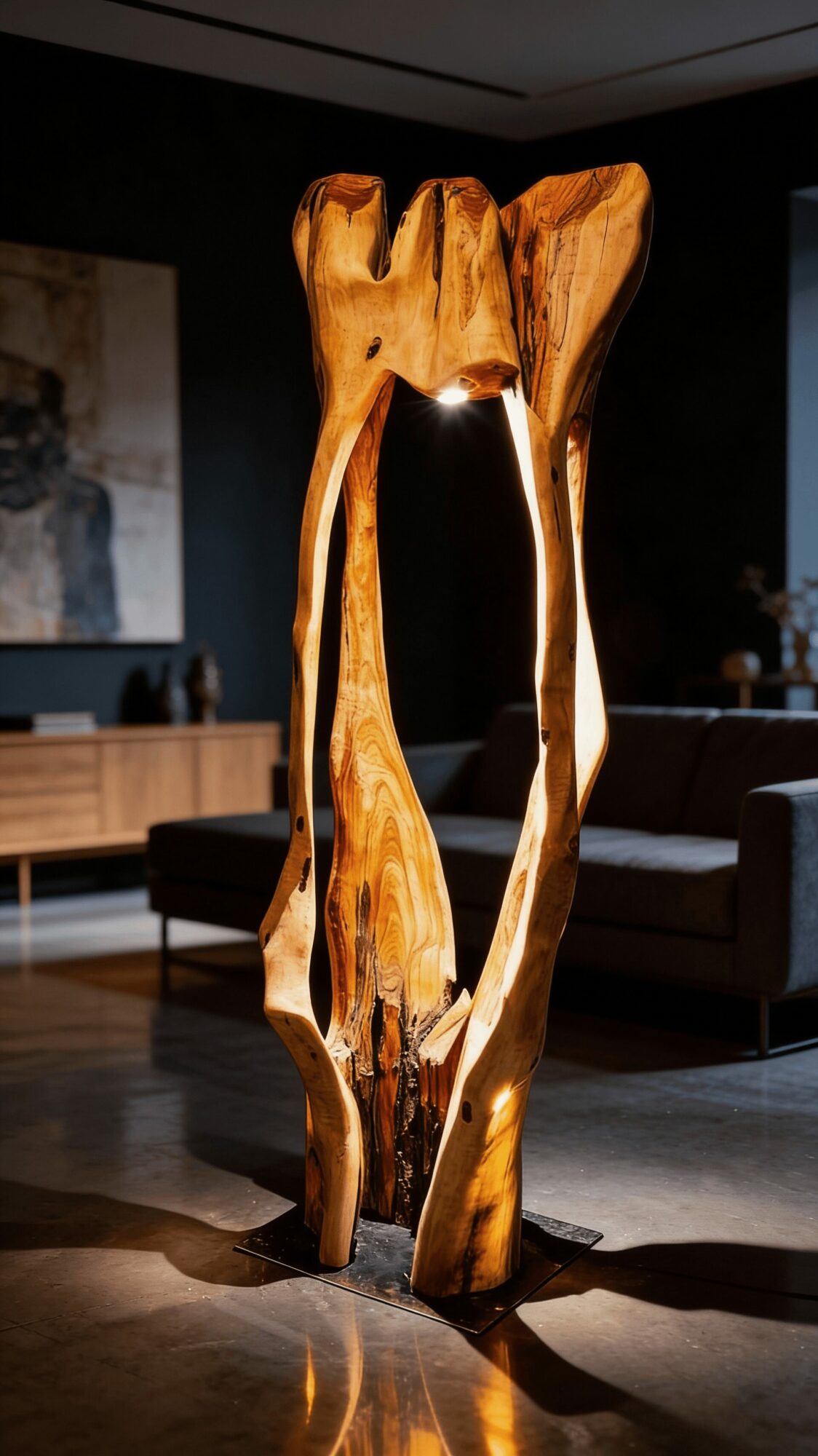
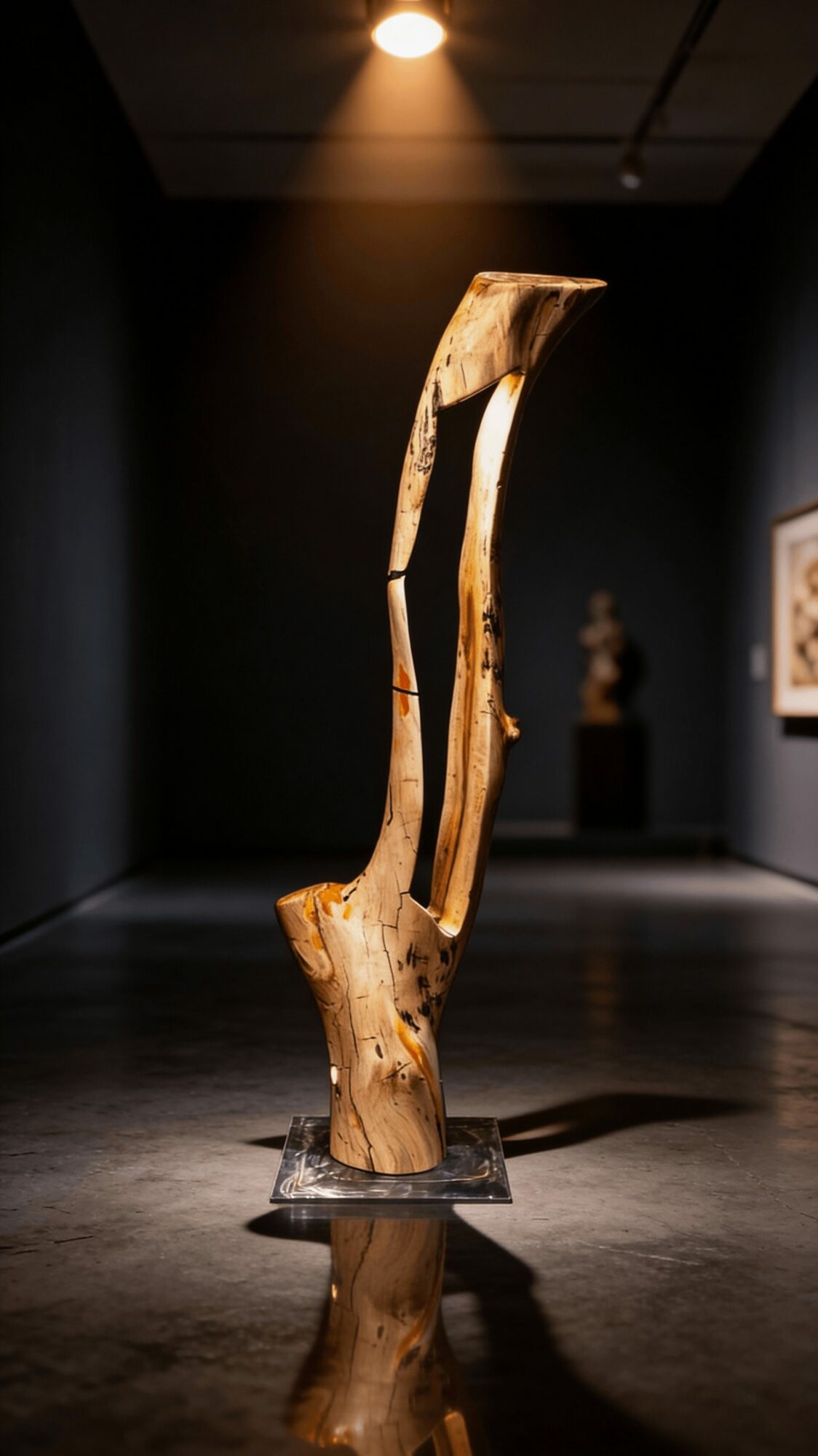
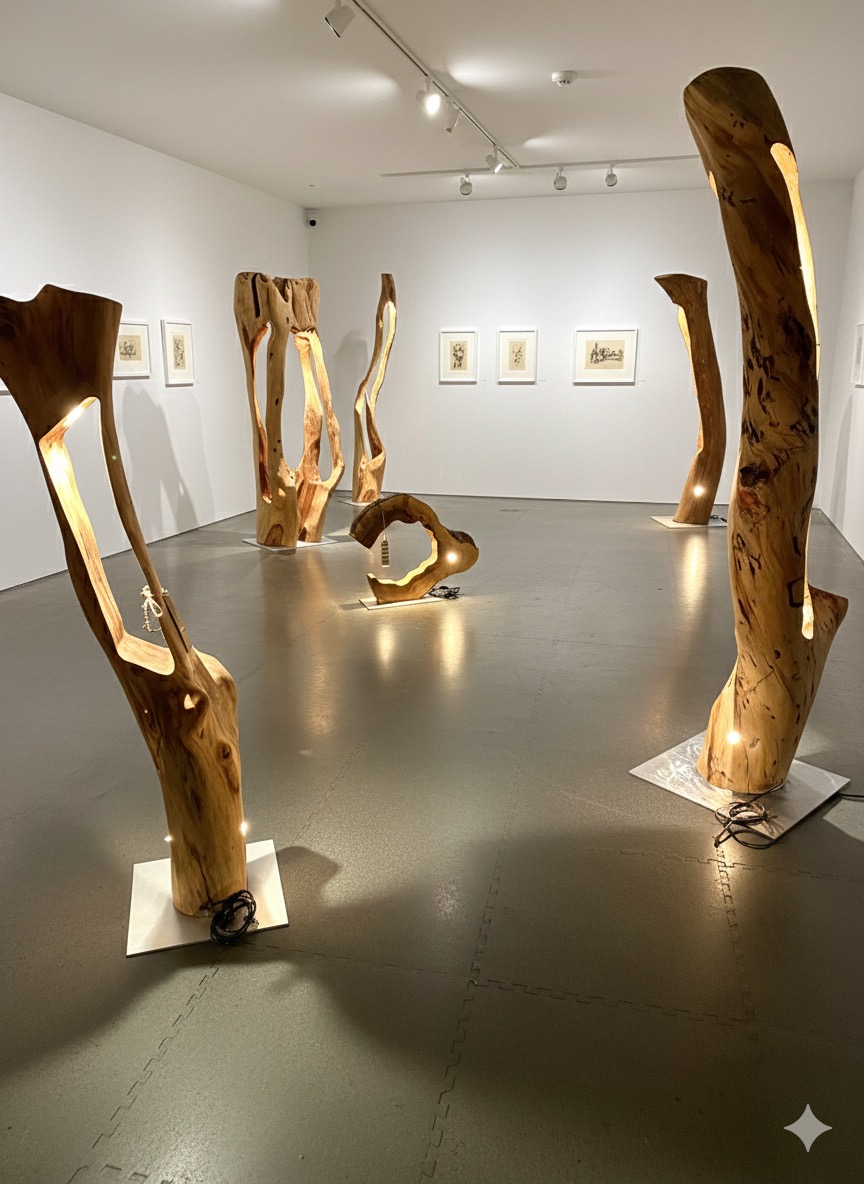
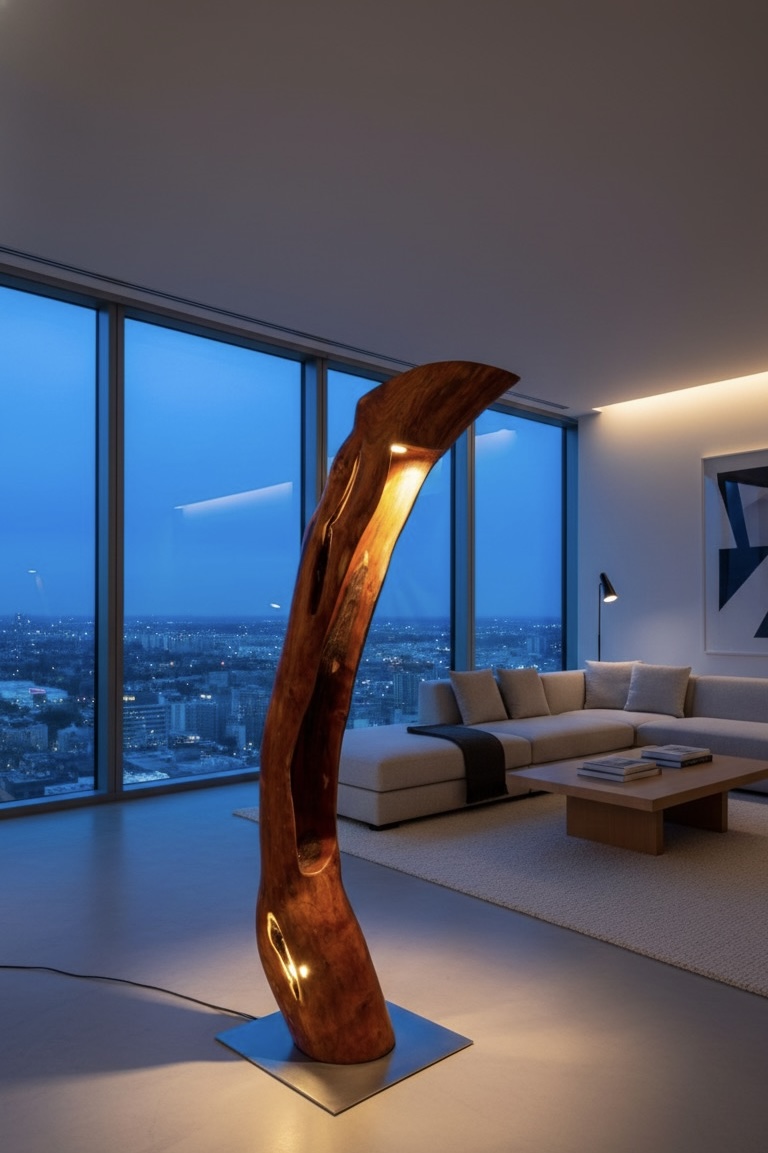
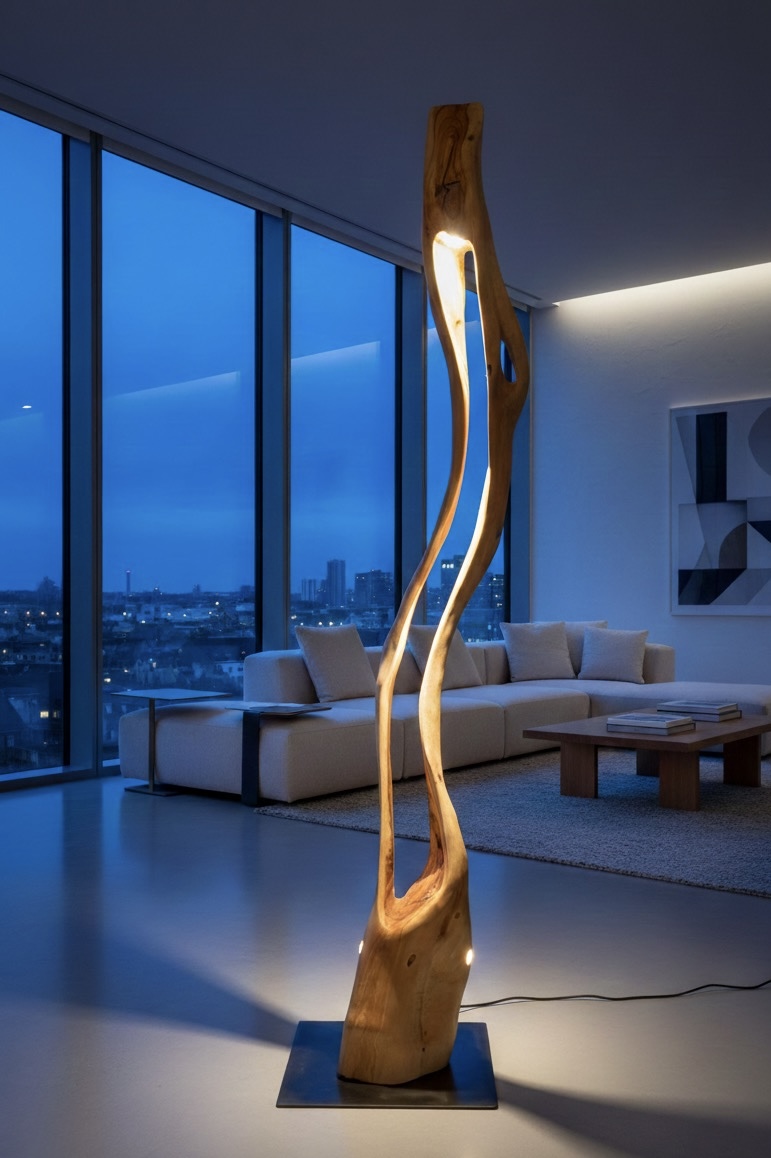
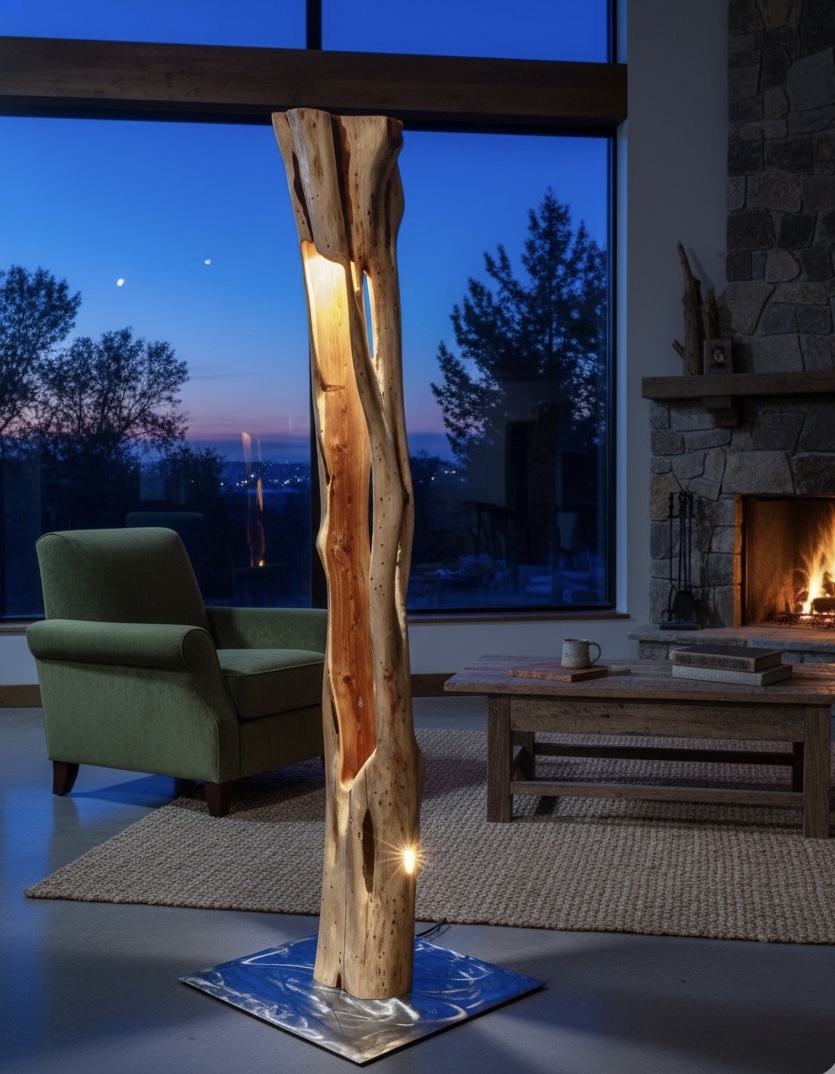
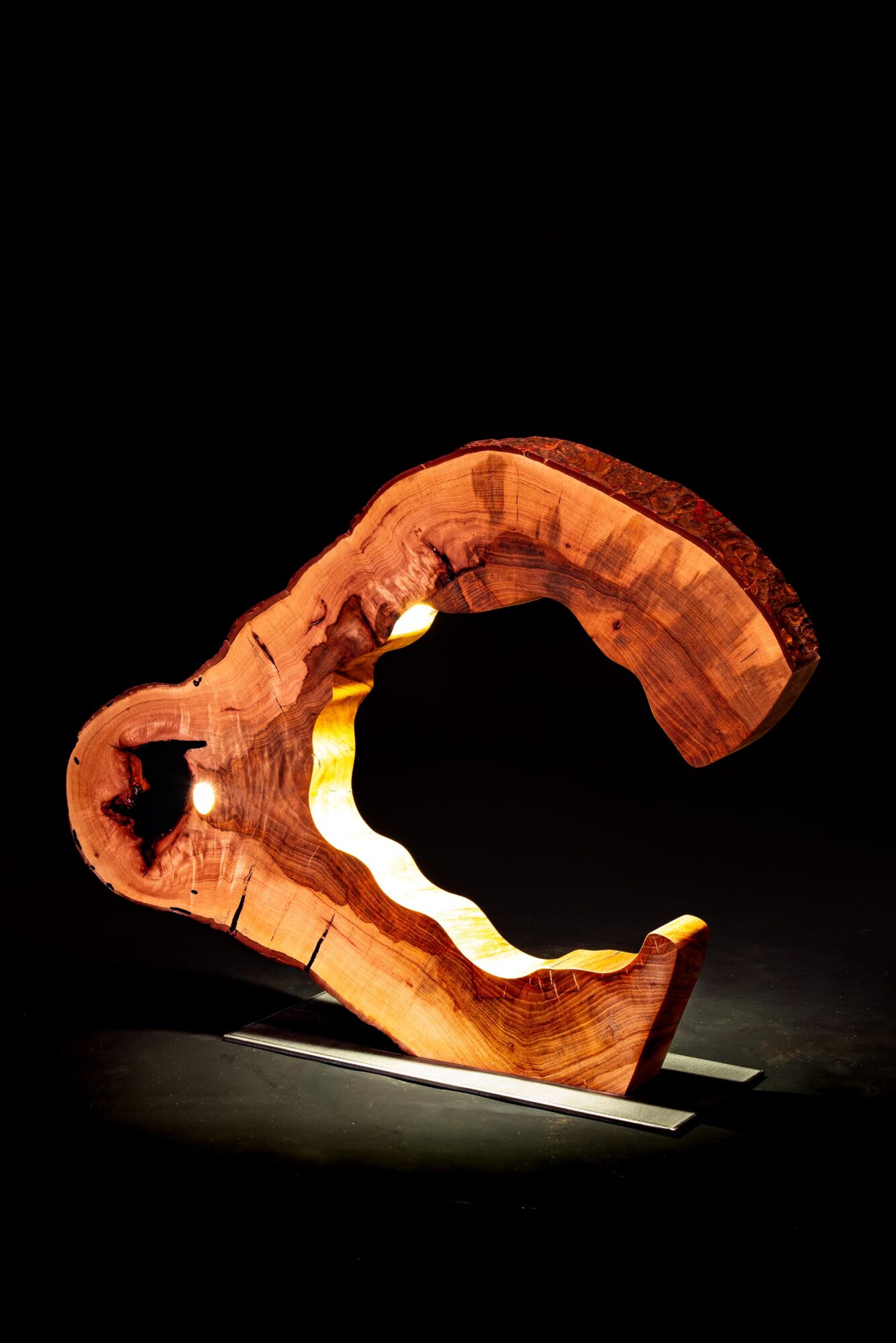
Arte LUMIS began in 2024, shortly after I returned to Texas and settled in the Austin–San Antonio corridor. I started working with reclaimed wood—entire logs and cross-sections sourced locally through tree-reclamation programs and storm fall. Rather than forcing the material into a preconceived form, I collaborate with it. The grain, voids, cracks, and history of each piece dictate the final sculpture. Light isn’t added as decoration; it’s carved into the work as a structural element.
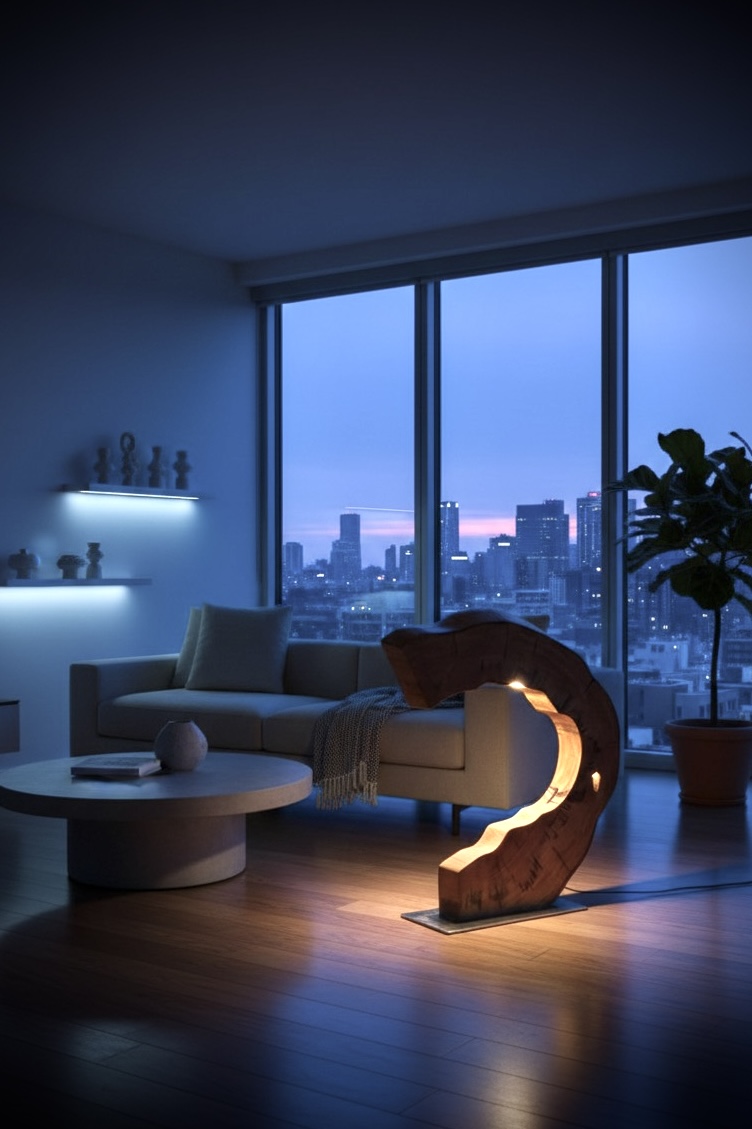
Each piece I create is one of one. No molds. No repetition. I work with chainsaws, chisels, grinders, and hand tools, refining the raw form slowly until the sculpture reveals itself. The result sits somewhere between furniture, sculpture, and atmosphere—functional light that changes how a space feels rather than how it looks.
Today, Arte LUMIS operates as a small, focused studio producing a limited number of sculptural light works each year. My work is rooted in patience, material truth, and restraint. In a world optimized for speed and replication, I’m intentionally moving in the opposite direction—making objects meant to last, to anchor a space, and to be lived with for decades.
If there’s a throughline to my story, it’s this: I didn’t set out to become an artist. I set out to build something meaningful—and light became the language that finally fit.
Alright, so let’s dig a little deeper into the story – has it been an easy path overall and if not, what were the challenges you’ve had to overcome?
Not at all. It’s been anything but smooth. I came into this with no formal training in woodworking or light art, no inherited workshop, and no existing network to lean on. Every skill—from safely working large logs, to understanding light behavior, to finishing, wiring, and installation—has been learned by doing, by failing, and by correcting course in real time.
At the same time, I was building a business from zero. New city, new state, no audience, no collectors, no gallery relationships, no shortcuts. Arte LUMIS didn’t emerge from a scene—it had to create its own gravity. That meant figuring out branding, positioning, pricing, photography, digital presence, and outreach while still doing the physical work alone in the studio. Most days, that’s less “artist” and more logistics, discipline, and problem-solving.
There were moments where nothing worked the way it was supposed to—tools failed, materials cracked, pieces had to be rethought or scrapped entirely. There was no team to hand things off to, no safety net. Just decisions and consequences.
But that difficulty is also the reason the work looks the way it does. Learning in isolation forces clarity. Mistakes leave marks, and those marks become part of the language. Building everything from scratch—skill, process, and brand—has made the work more honest, more deliberate, and more resilient.
If there’s a struggle I’m still navigating, it’s scale: staying small enough to protect the integrity of the work, while building enough momentum for it to survive. That tension isn’t a problem to solve—it’s the work.
As you know, we’re big fans of you and your work. For our readers who might not be as familiar what can you tell them about what you do?
I create sculptural light works that sit at the intersection of art, material, and atmosphere. My practice centers on working with entire logs and cross-sections of reclaimed wood—often storm-fallen or salvaged trees—allowing the natural form, grain, cracks, and voids to dictate the final piece. Rather than imposing a design, I collaborate with the material and carve light into it as a structural element.
I specialize in one-of-one pieces. No molds, no repetition, no production runs. Each work is shaped slowly using a mix of chainsaws, chisels, grinders, and hand tools, then refined until the balance between mass and light feels resolved. The light is not decorative—it’s integral. It reveals depth, creates shadow, and changes how a space is experienced.
What I’m most proud of is the restraint. In a world optimized for speed and replication, I’ve built a practice that values patience, imperfection, and material truth. Every piece carries its own history—from where the wood came from to the marks left by the process—and nothing is hidden or corrected to look “perfect.” Each piece is documented with the GPS coordinates of where the tree once stood, anchoring the work to a specific place and moment rather than treating the material as anonymous.
What sets my work apart is that it doesn’t try to dominate a space. It anchors it. The goal isn’t to make a statement object, but to create a quiet presence—light that feels organic, grounding, and lived with rather than displayed. Each piece is meant to last for decades, not seasons, and to grow more meaningful the longer it exists in someone’s home or environment.
Before we go, is there anything else you can share with us?
If there’s one thing I’d add, it’s an invitation rather than a conclusion. My work is meant to be experienced slowly and in person when possible, but for those who want to explore it further, a curated selection of finished pieces, works in progress, and process documentation can be viewed at artelumis.com. I also maintain a digital lookbook for designers, architects, and collectors who want a deeper view into scale, materiality, and how the work lives in real spaces.
Arte LUMIS is intentionally small and produces a limited number of pieces each year. Inquiries, and conversations about custom or site-specific work are always welcome. For me, the most meaningful outcomes come not from volume, but from placing the right piece in the right space, with the right person.
Contact Info:
- Website: https://artelumis.com/
- Instagram: https://www.instagram.com/artelumis
- Facebook: https://www.facebook.com/artelumis
- LinkedIn: https://www.linkedin.com/company/arte-lumis-llc/