



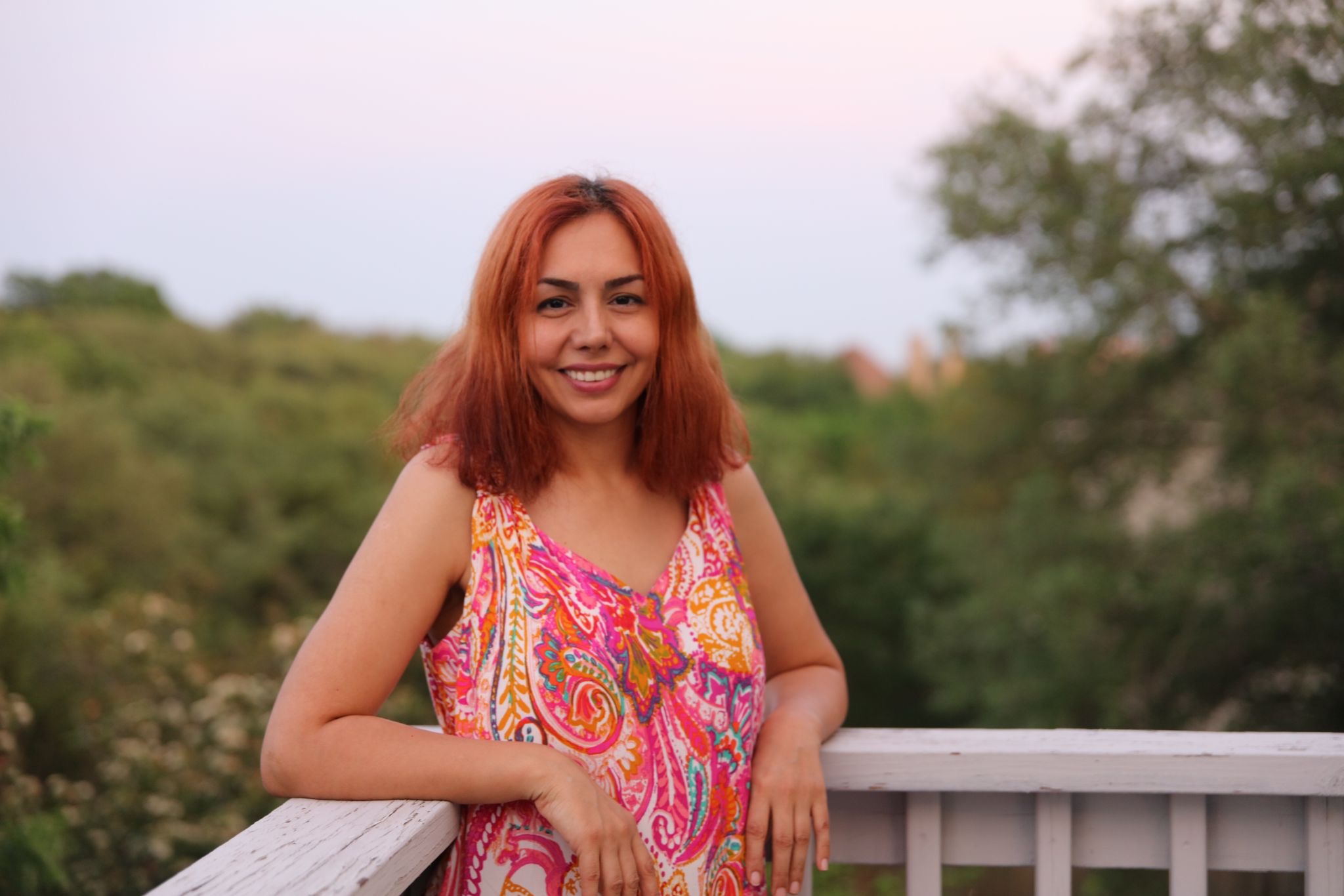
Today we’d like to introduce you to Samira Didehkar.
Hi Samira, can you start by introducing yourself? We’d love to learn more about how you got to where you are today?
I was born in 1981 in Iran—a country which is often regarded as the cradle of ancient civilizations, with an indelible mark on the history of art, from the grandeur of the Persian Empire to the evolving expressions of the 20th and 21st centuries. An influence which is most vividly seen in architecture, poetry, painting, and the delicate tradition of miniature art. However, the landscape of creativity changed dramatically there after the 1979 Revolution. Growing up in Tehran, I quickly realized that pursuing art—particularly as a woman—was seldom recognized as a viable or respected career path. Yet, I discovered early on that painting was my most authentic form of expression. Colors, shapes, and textures became my first true language, a way to create a world entirely my own. In painting, I found both redemption and freedom.
Between 2002 and 2012, I dedicated myself fully to my craft, creating over 100 paintings and participating in more than 10 exhibitions in Iran. I co-founded and managed an art gallery, collaborated with city districts in Tehran on cultural projects, and worked on humanitarian campaigns and advertisements. This experience not only shaped me as an artist but also as an entrepreneur—someone who could create opportunities for other artists to thrive while earning a dignified living from their passion.
Eventually, however, circumstances forced me to bring my artistic activities to a halt, largely due to the restrictions and limitations imposed on creative expression by governmental authorities. Migration, though challenging, opened a new chapter in my life—one that allowed me to rediscover my voice and reimagine the possibilities of my art. I arrived in the United States alone in 2015, starting over from nothing except the one constant in my life—painting. It became both my anchor and my light through difficult times.
Since settling in San Antonio in 2017, I have continued to work from my studio, producing a number of new paintings using even more sophisticated methods and techniques than before, and have shown my work in a number of exhibitions, galleries, showings, and events. I remain actively engaged with the local art community, seeking collaborations with galleries and cultural spaces.
In many ways, I see myself as a hybrid—part woman, part artist, part survivor. Life’s challenges have been many, but each has reinforced my belief that choosing to be an artist, especially as a woman from a developing country, requires not only creativity but also courage, sacrifice, and unwavering determination.
Can you talk to us a bit about the challenges and lessons you’ve learned along the way. Looking back would you say it’s been easy or smooth in retrospect?
Not at all—the road has been anything but smooth. Being a woman from a developing country and choosing to pursue art meant going against cultural norms and general expectations from the start. I have faced cultural barriers, financial constraints, language differences, and the isolation of migration. The COVID-19 pandemic compounded these challenges, as I navigated pregnancy and motherhood in the US far from family and friends or their support.
During the pandemic, a number of galleries that I worked with either closed or suffered greatly from a significant drop in the number of visitors and art enthusiasts, which lead to negative impacts on my sales and network. Right then, motherhood completely changed everything. I’d say with complete certainty that my life can be divided into two distinct parts—before becoming a mom and after that. Probably, my only glimmers of hope and causes of joy during the pandemic were my daughters, Maneli and Shaili, who were born in 2020 and 2021. Motherhood, gave me newfound perspectives on love, happiness, and resilience, as well as higher levels of admiration and respect for life in general. The unique gift of having kids, however, came at a cost! While the pandemic was a devastating blow to my art career, becoming a mother drastically restrained me by limiting my time and focus on painting.
To sum it up, going through all of that while still being acclimated to living and working in a new country as an artist, as well as coping with challenges of becoming a first-time homeowner in Texas, all in less than 5 years, made for a rollercoaster ride of a journey!
Through it all, I returned to painting. It became my sanctuary—a place where I felt whole, strong, and understood. Art has been my way of processing life, expressing emotion, persevering through hardship, and healing from trauma. Every challenge I’ve faced has left its mark on my work, deepening the emotion, intensifying the colors, and sharpening the truth within each piece.
It has not been a smooth path by any measures. But, I wouldn’t erase a single struggle—they have shaped my voice as an artist and have given my work its distinctive character.
Can you tell our readers more about what you do and what you think sets you apart from others?
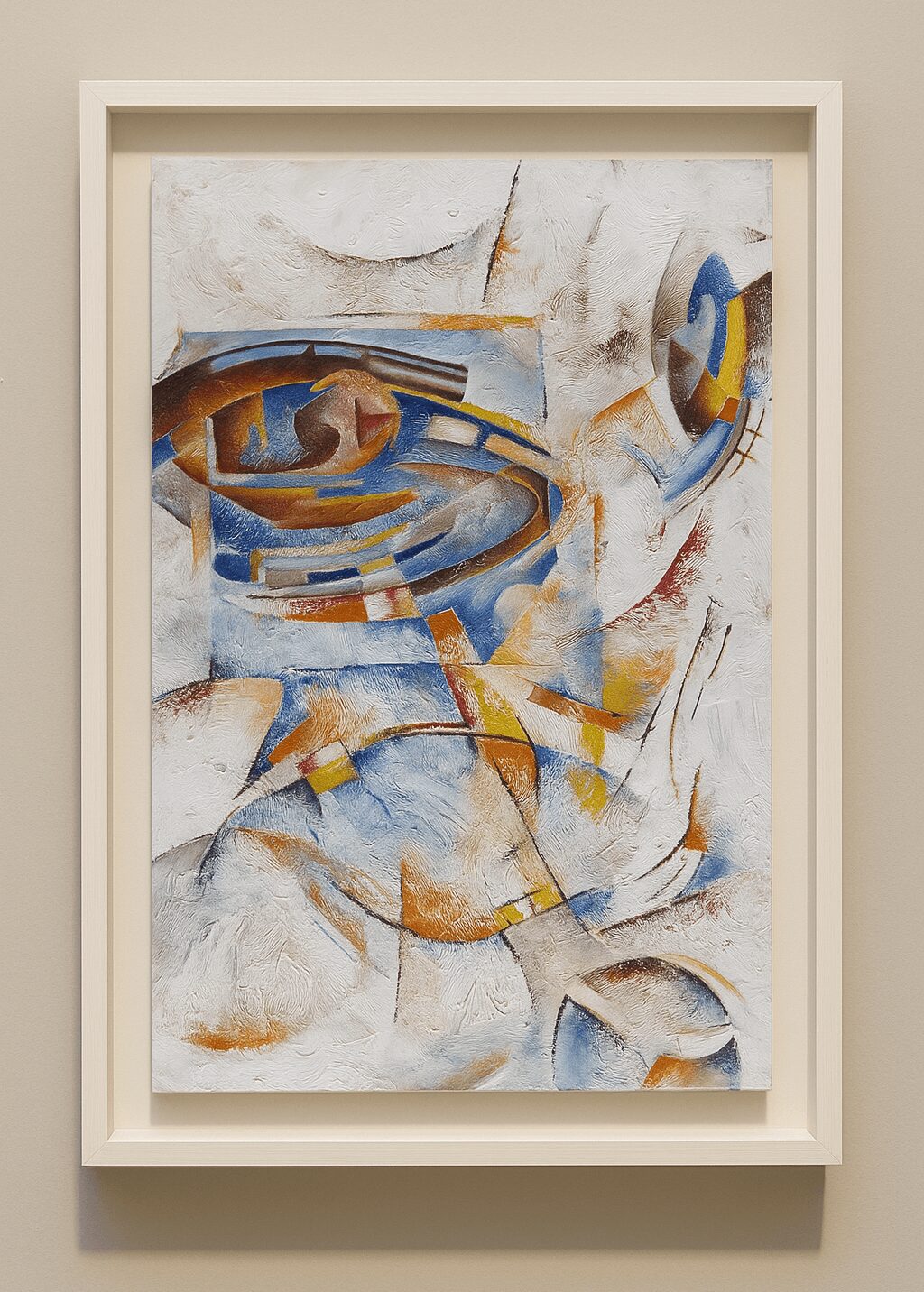
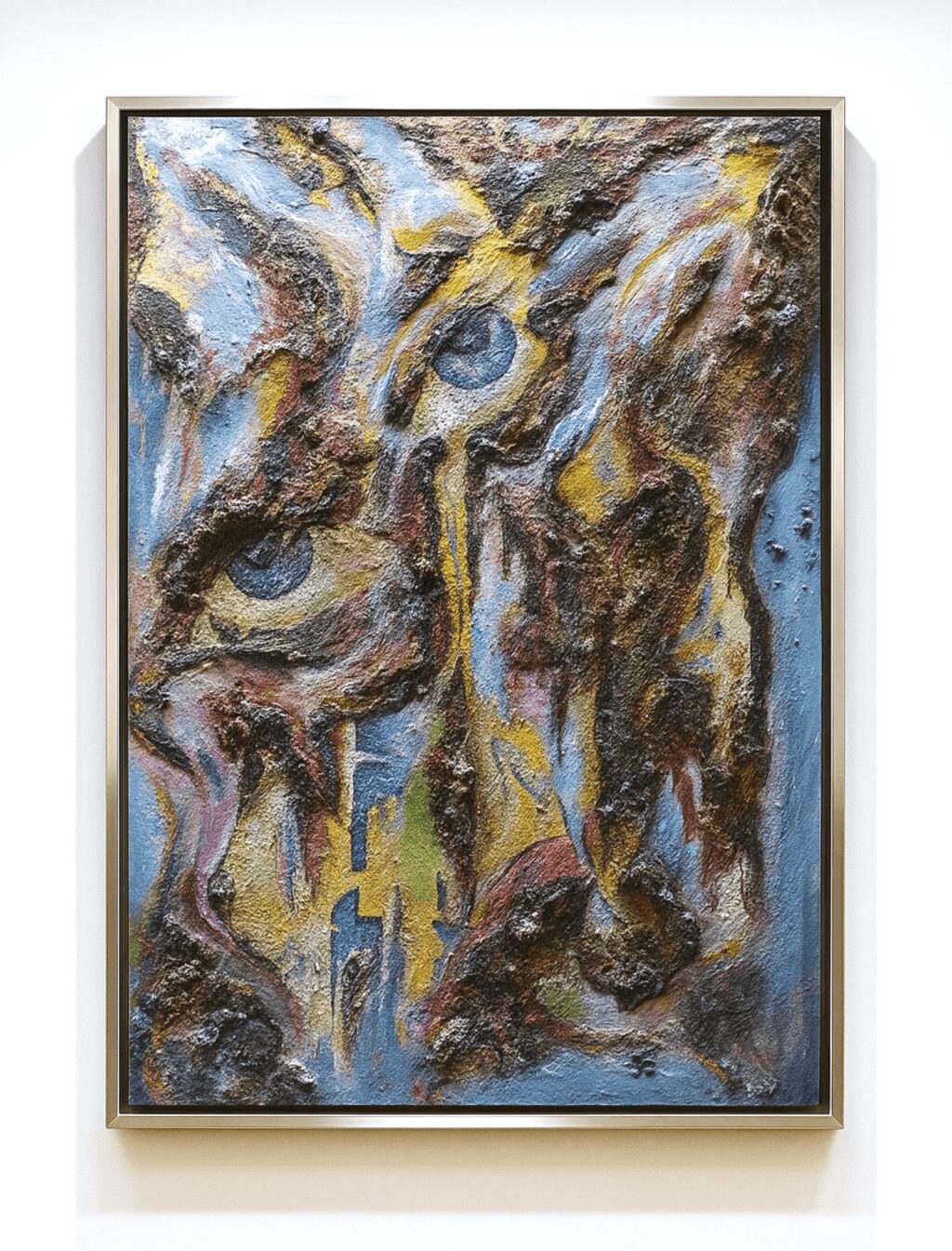
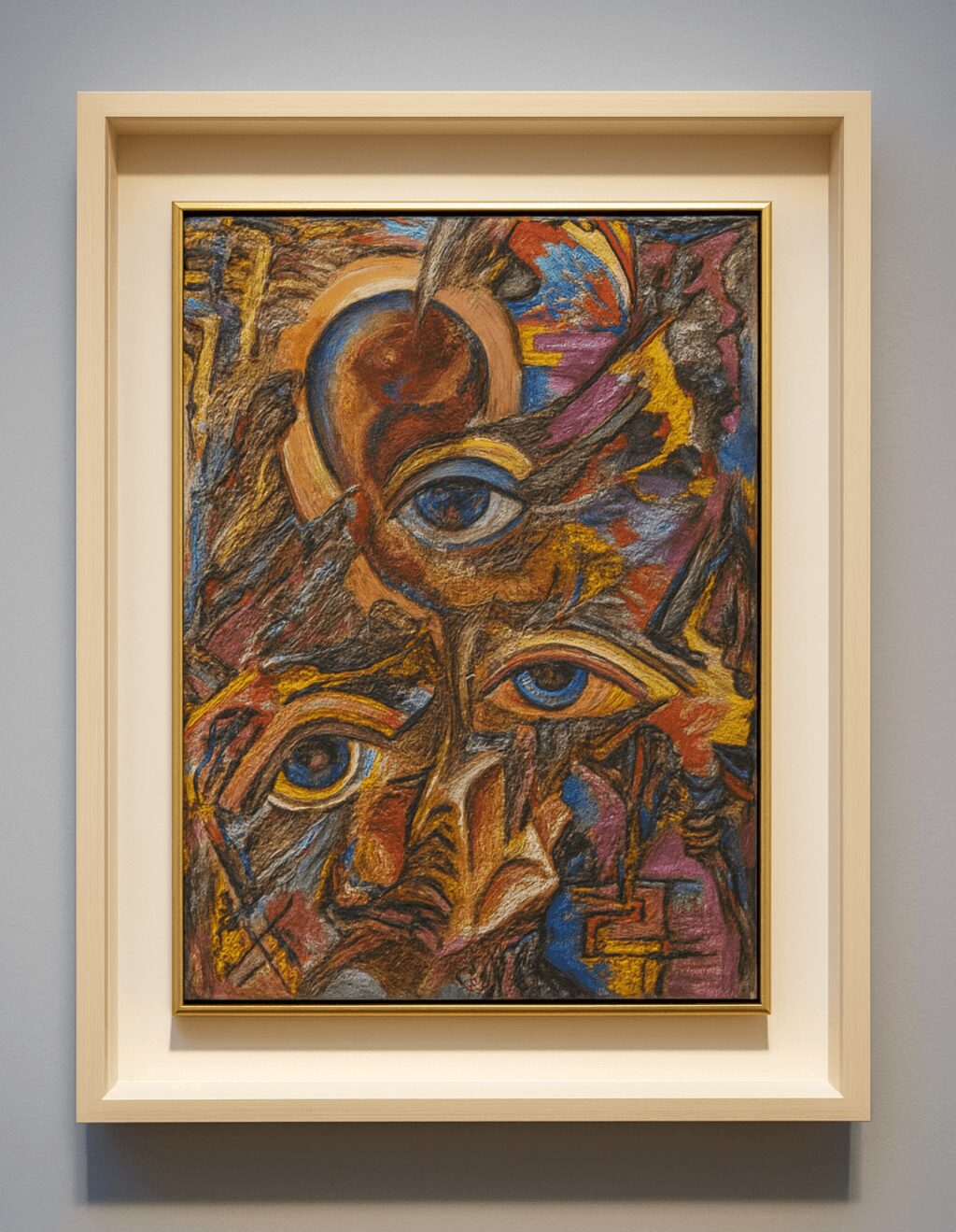
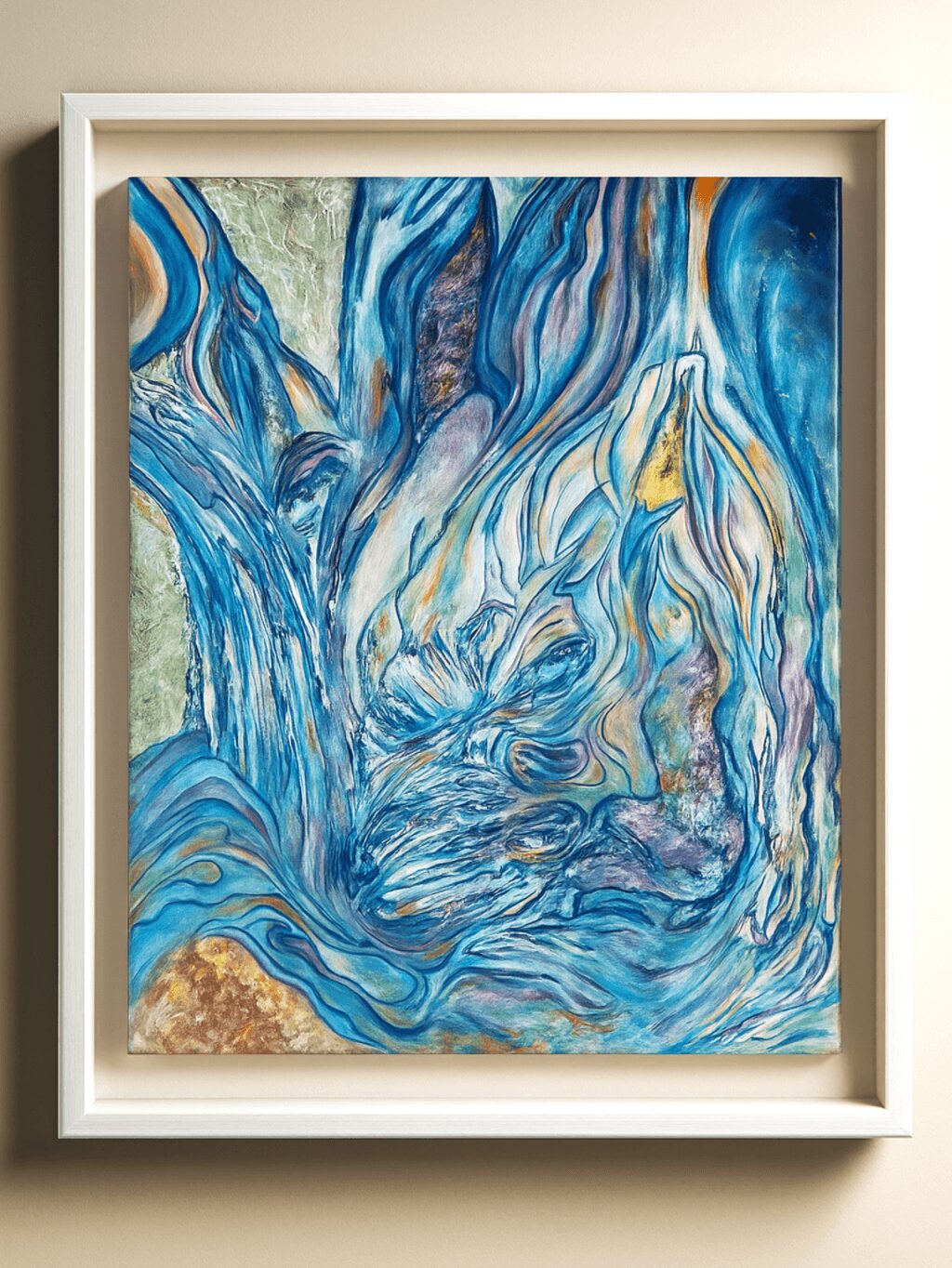
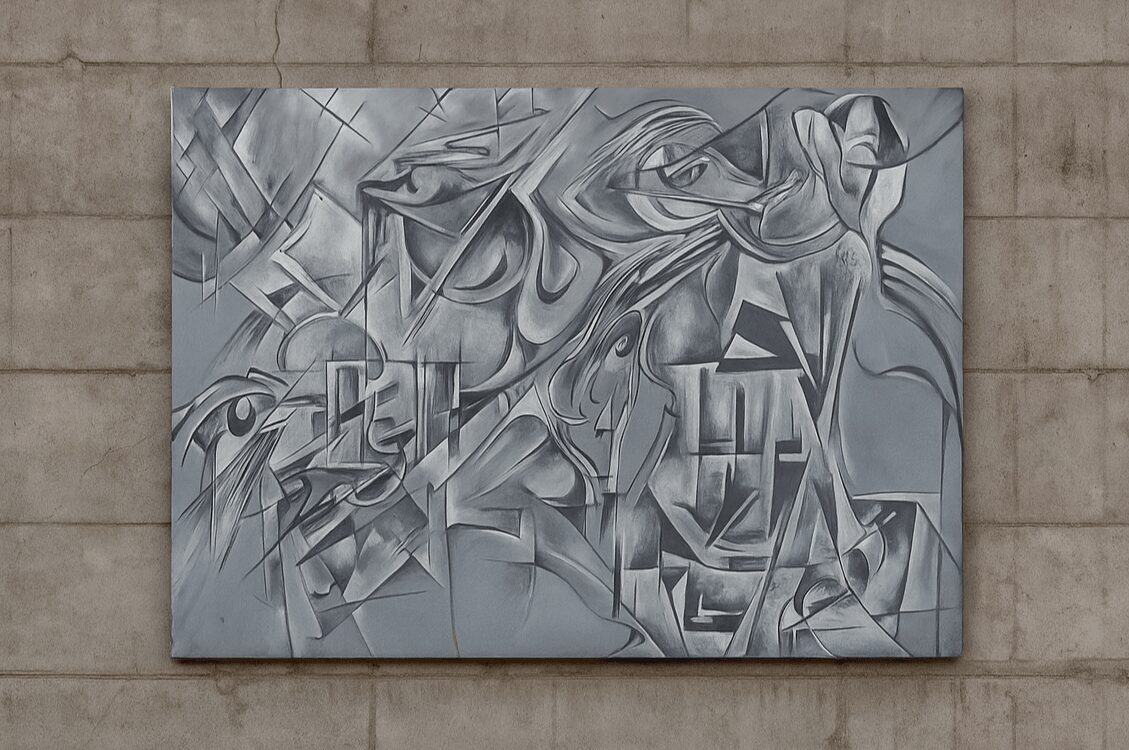
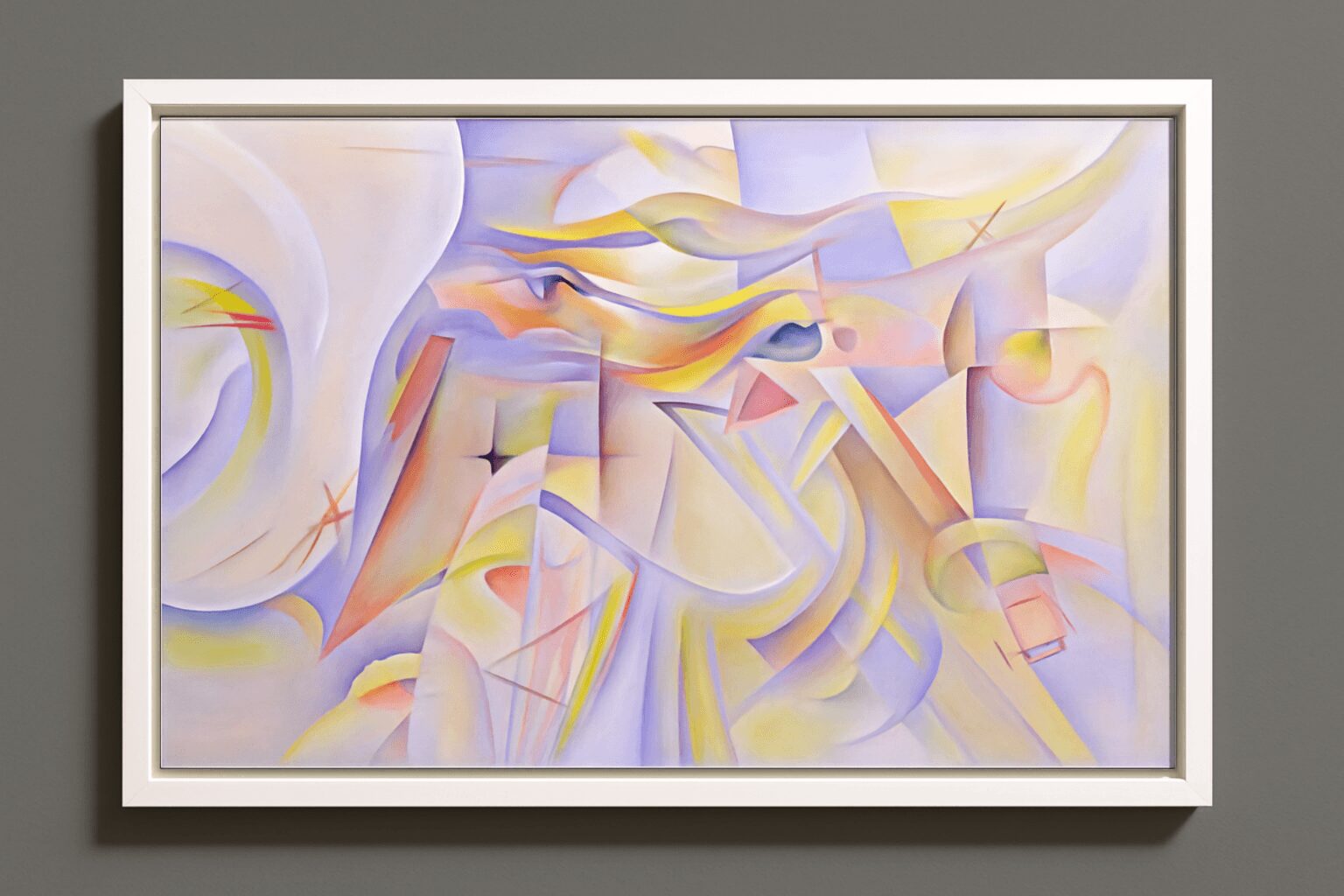
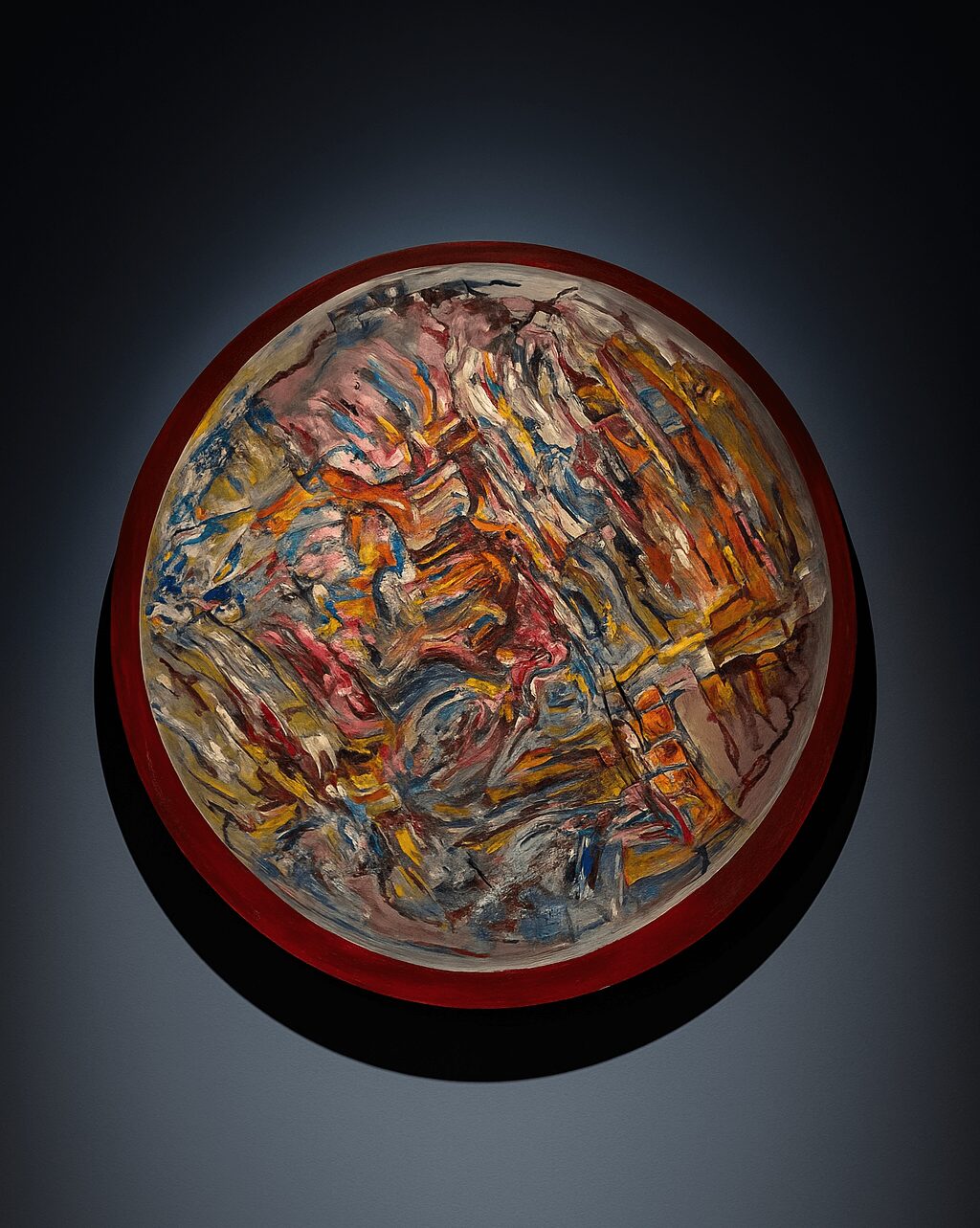
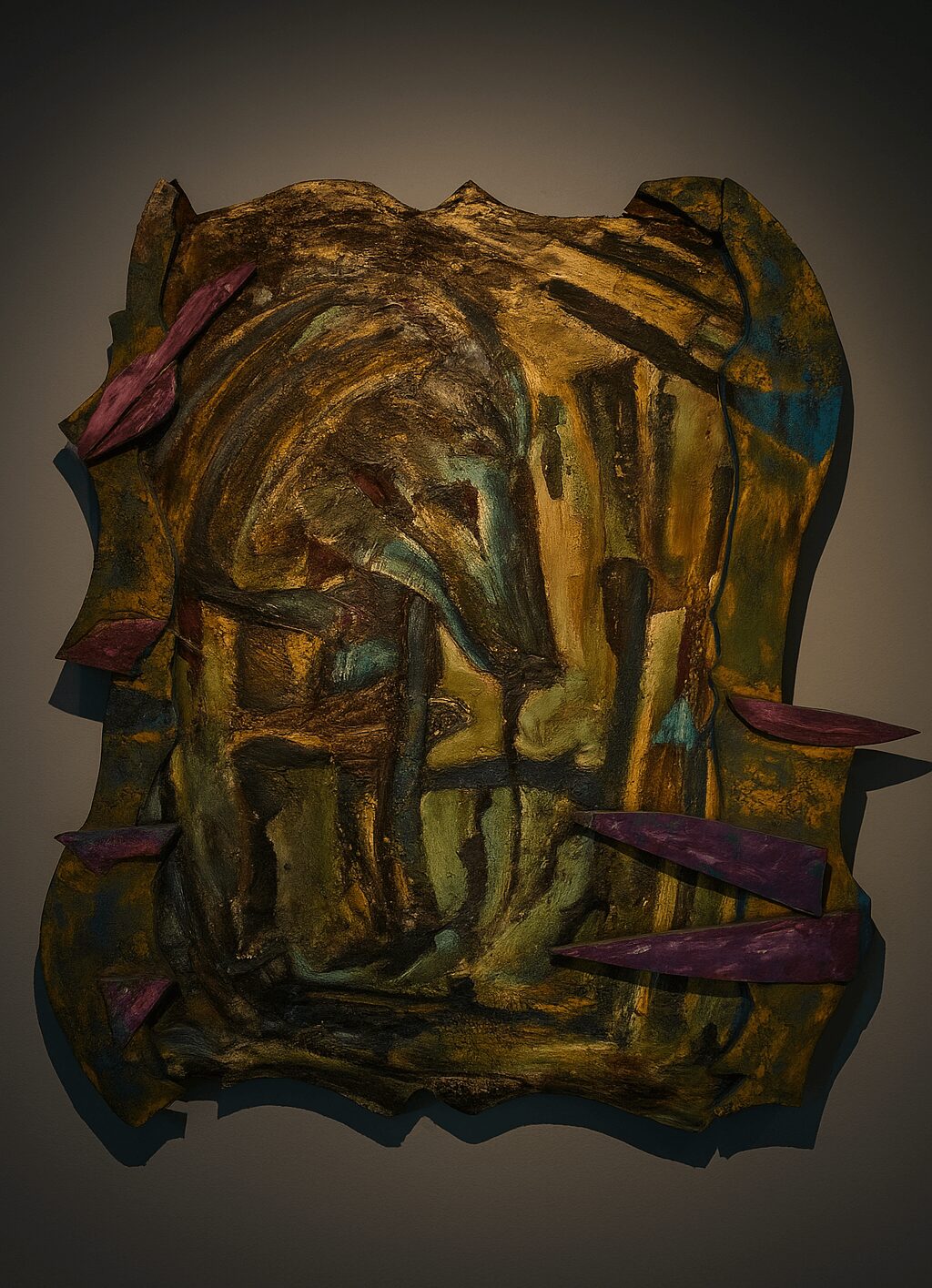
My life is so intertwined with painting that my artwork are, basically, like the soundtrack and of my life, since they are deeply rooted in my personal journey—womanhood, migration, motherhood, solitude, and resilience. What began as a means of emotional survival has evolved into a transformative process. I don’t simply paint what I see or imagine; I paint what I feel, what I have endured, what I long for, and sometimes what I notice about others going through pivotal moments in their lives. At times, I set aside intention altogether, allowing the canvas to guide me spontaneously.
I find inspiration in moments of silence, in the intersection of cultures, and in the quiet strength of women who carry unseen burdens. My work often explores emotions that defy easy description—grief, loneliness, hope, and rebirth. Nature, too, profoundly inspires me, particularly its cycles of renewal and self-healing, which mirror my own life’s rhythms.
My style is intuitive, layered, and emotional. I rarely begin with a fixed plan; instead, I start with a feeling—sometimes unresolved emotions, a vague memory, a dream, or simply a mood. This guides my choices of color, texture, and form. Occasionally, I paint without conscious thought or ideas, embracing emptiness to allow something pure and unfiltered to emerge from the canvas.
I primarily work with acrylics and mixed media, incorporating materials like paper, fabric, plastic, wood, metal, tar, and more. The layering reflects the complexity of inner life—each layer representing a different version of myself or a different moment in time. Some layers remain visible, others buried beneath, much like memories.
My palette is often bold yet restrained, using contrast in color, shape, and texture to reflect the tensions of life. The process is physical and involves full sensory immersion – a state where thought dissolves and transforms into form. I strive to create artwork that transcend using familiar, resembling, or representational figures or artifacts, inviting the viewer into a dialogue with their own unconscious memory and suppressed imagination where sight is merely the entry point, and the other senses are subtly awakened afterwards.
Painting is not just what I do, but how I make sense of the world. It is my way of transforming chaos into form, silence into color, and private truths into something that can be shared, seen, and felt.
Are there any books, apps, podcasts or blogs that help you do your best?
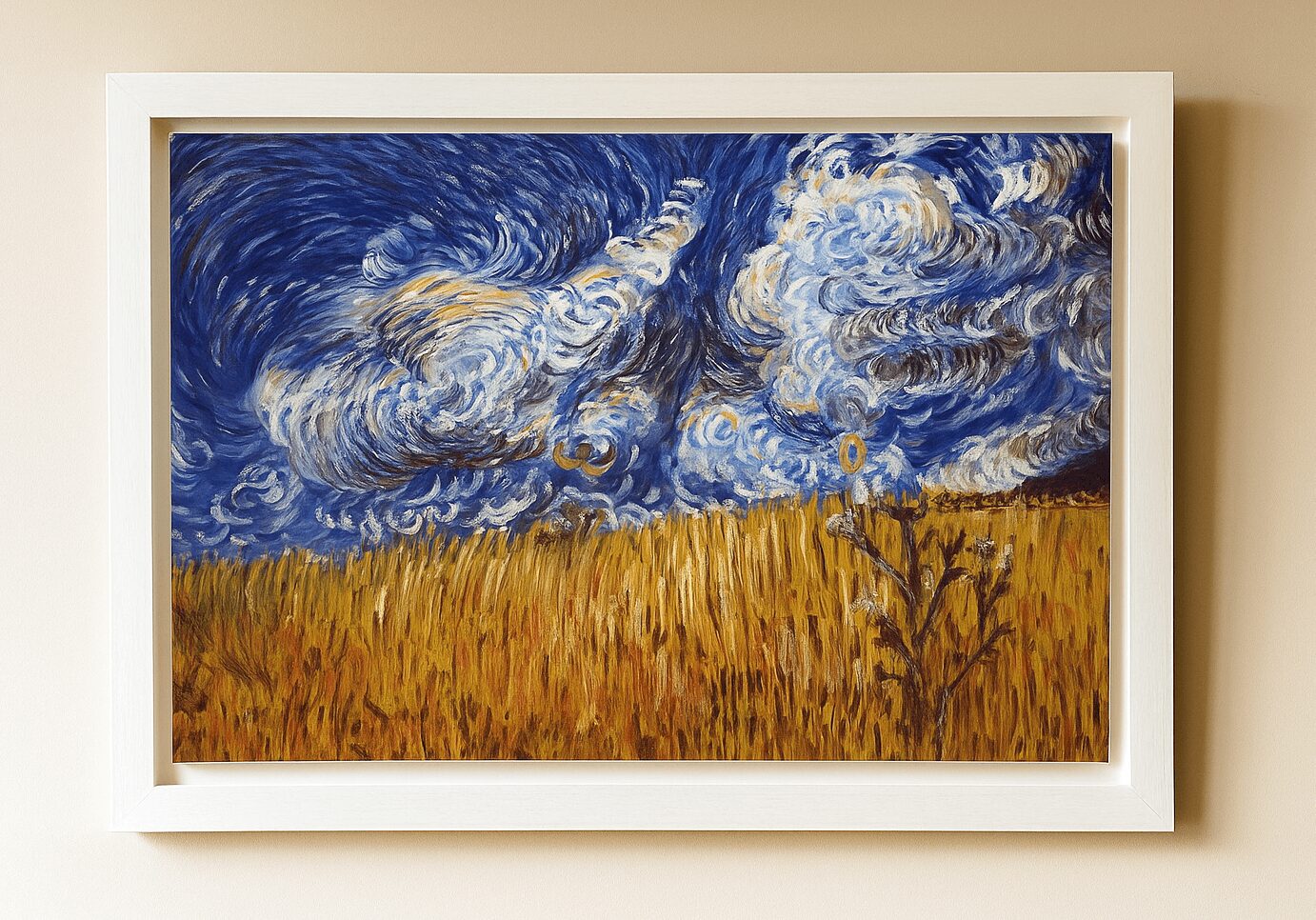
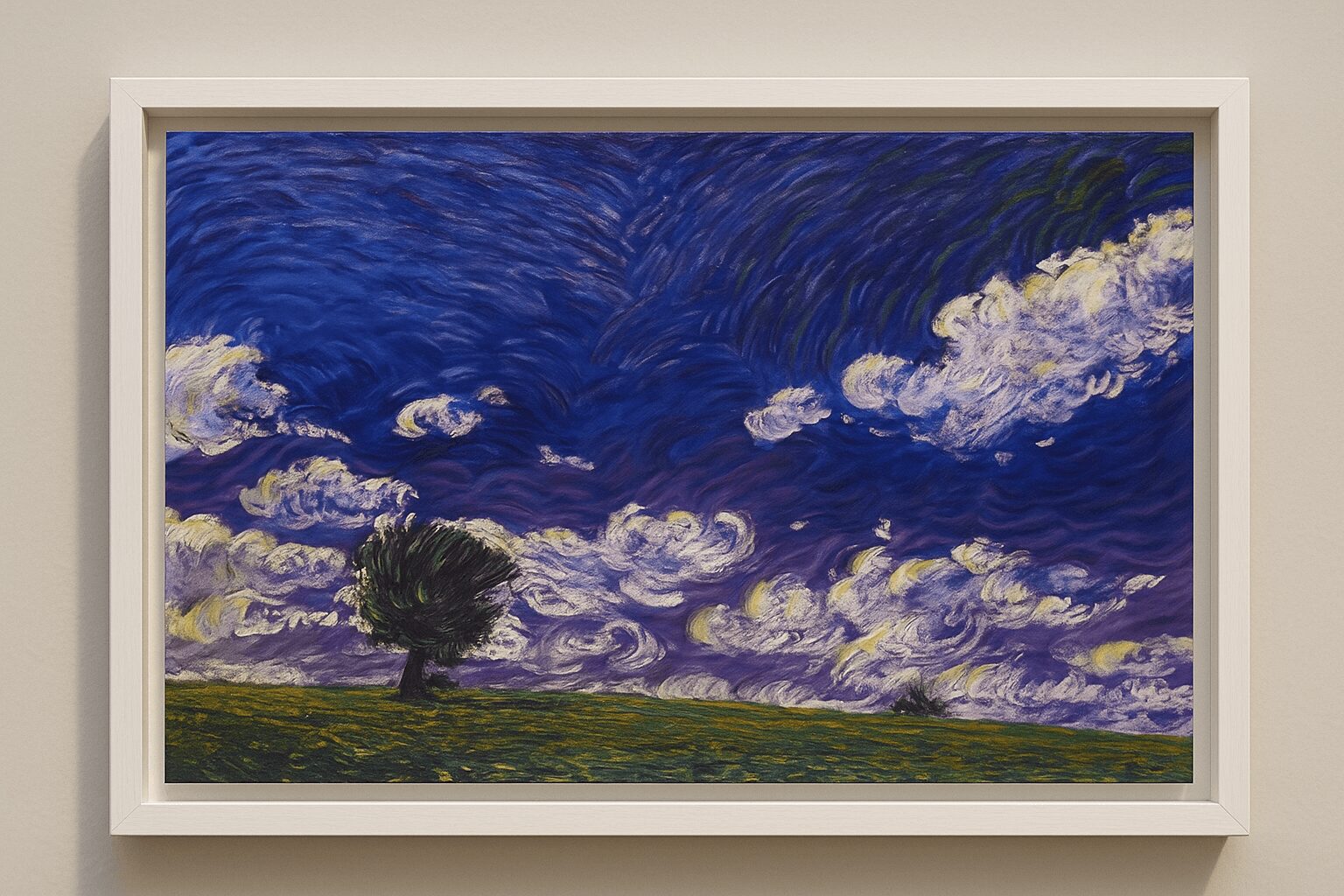
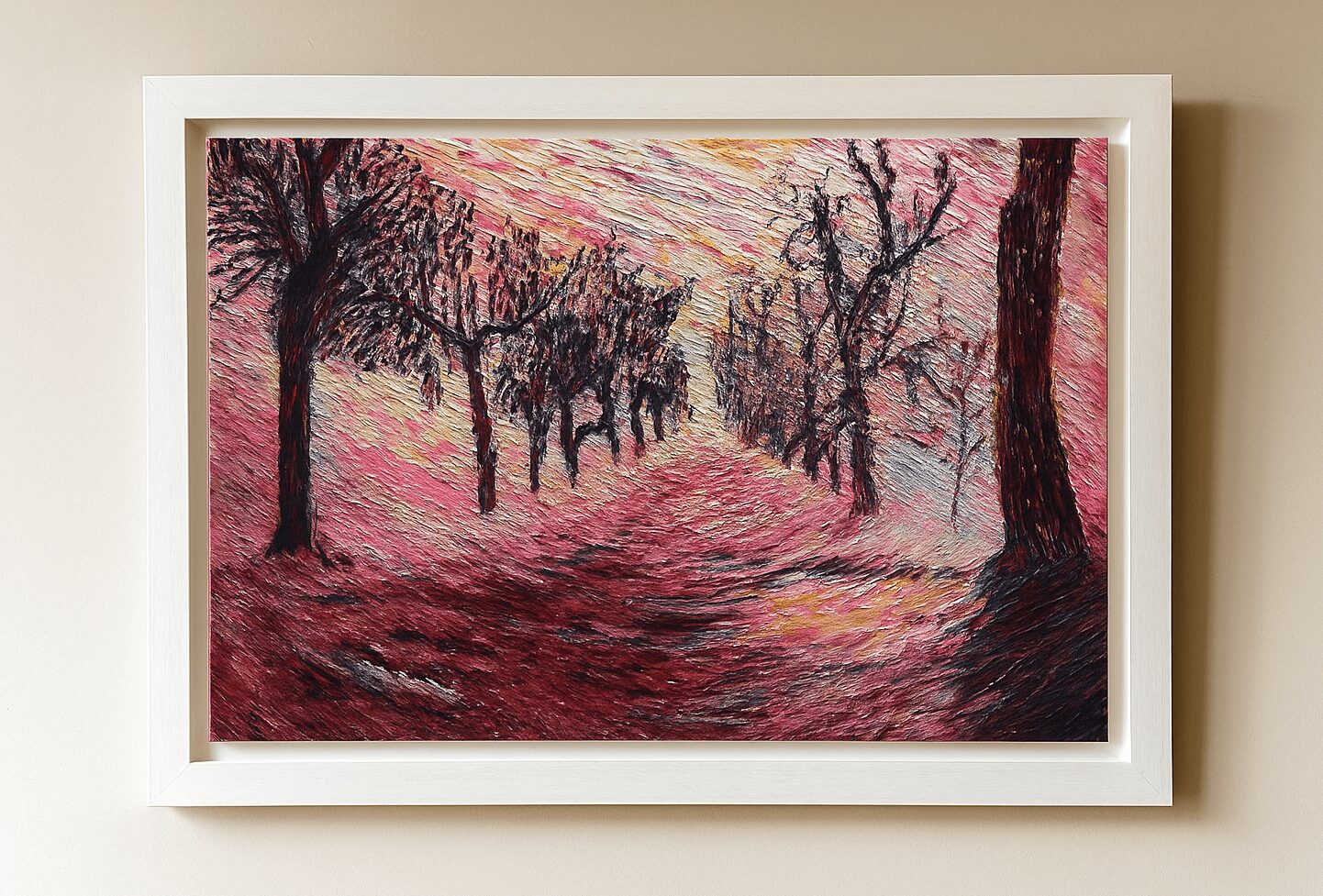
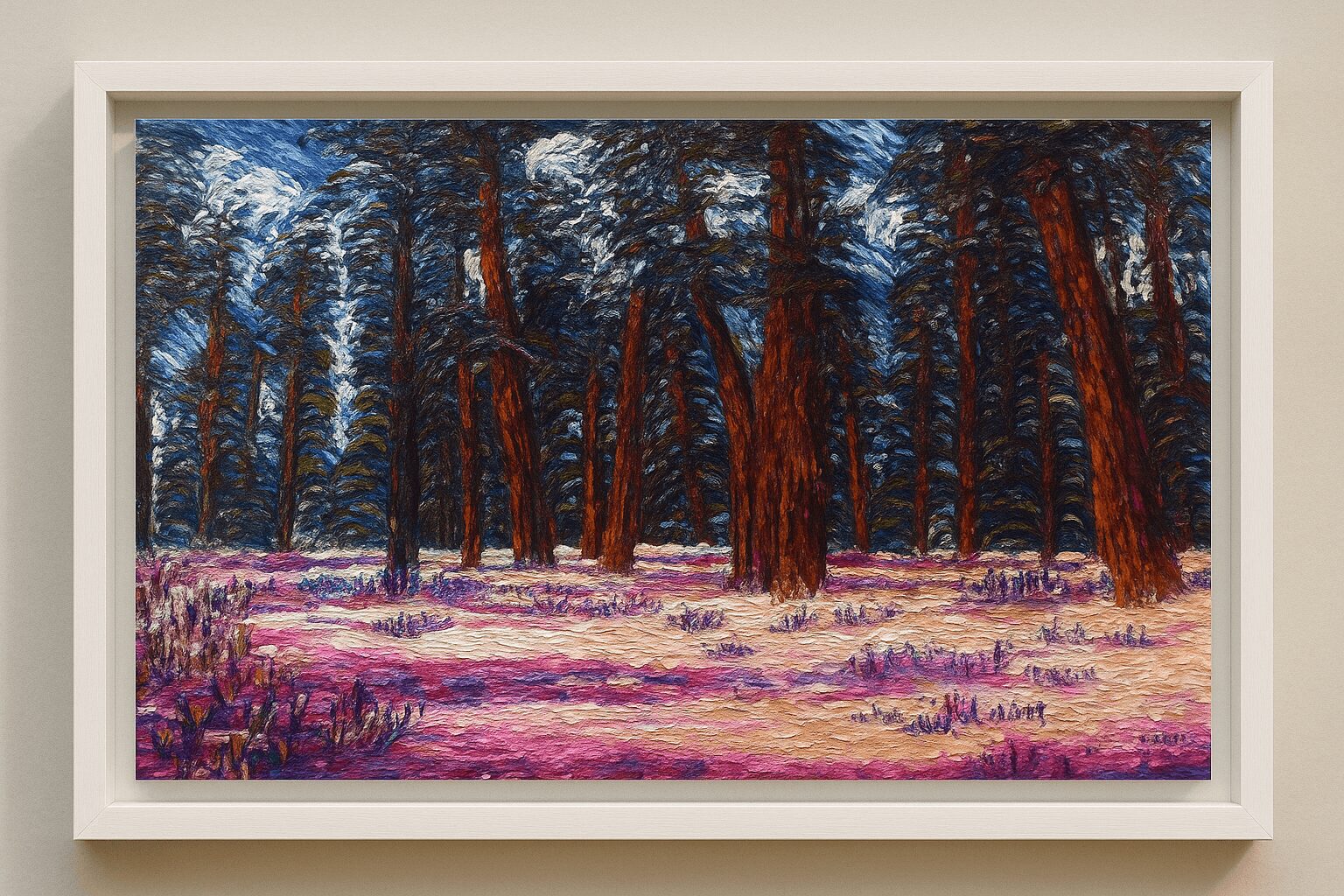
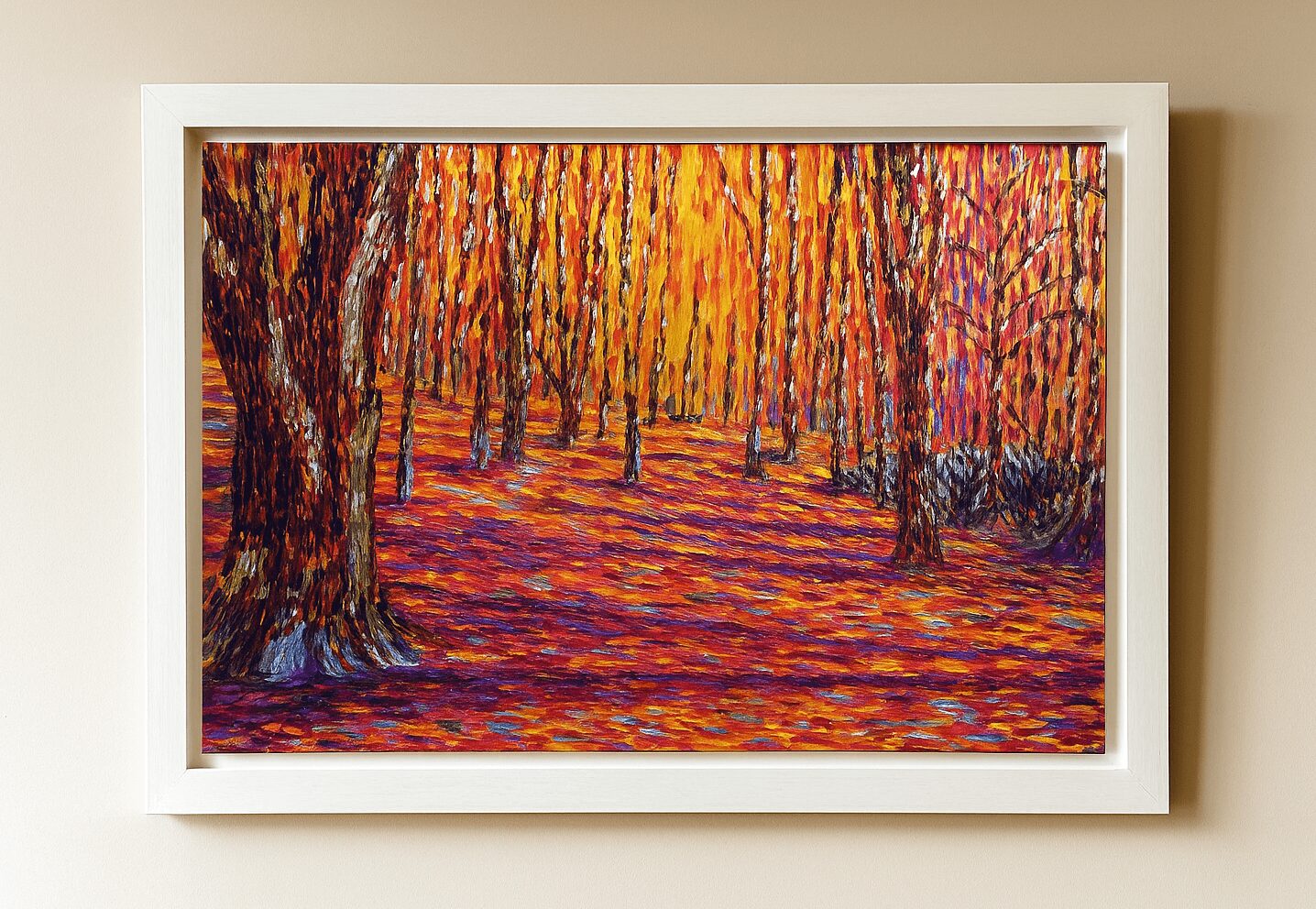
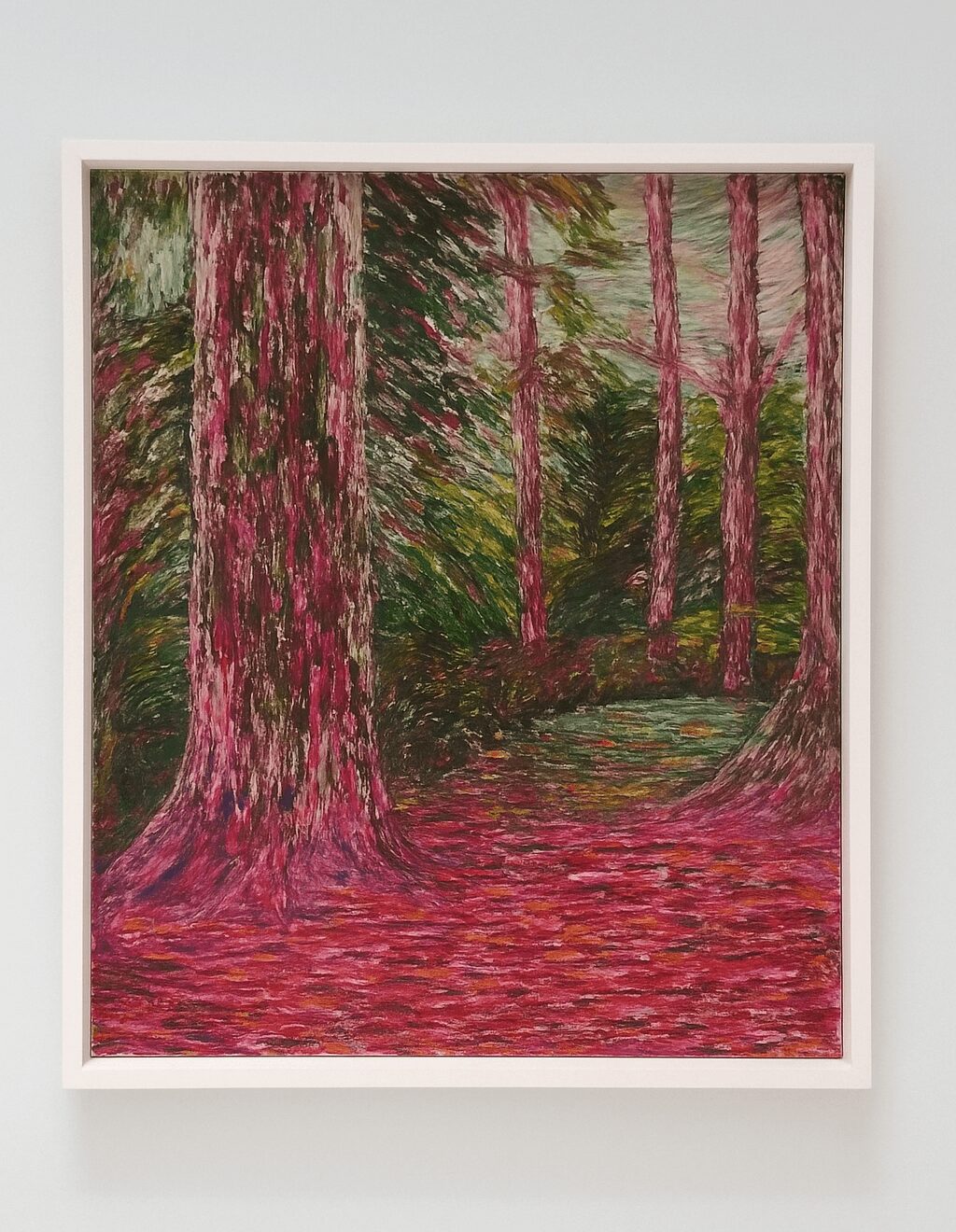
My work is inspired by a number of painters, specially a few masters of the impressionism style. However, van Gogh has probably had the boldest and the most distinctive influence on my artistic life’s journey. His ability to convey raw emotion through bold brushstrokes and vibrant colors has always resonated with me. There is an honesty in his work that I deeply admire. His approach has shaped how I see the world as an artist – not just visually, but also emotionally. That influence naturally flows into my own painting process, where I aim to create work that feels alive, expressive, and deeply human.
Vivaldi’s “Four Seasons” is almost like my constant companion in the studio. I have listened to it countless times while painting, yet its magic never fades away. Each movement reveals something new, like brushstrokes and colors hidden in sound. It stirs up something deep in me – gives me energy, focus, and a kind of vision that sharpens my senses. Those close to me know how much it fuels my work. Many of my friends have even started listening to it themselves, and for some of them it has opened the door to the world of baroque and classical music. This masterpiece is more than just music to me – it is part of my creative rhythm.
Music is the emotional thread that runs through everything I paint. I work mostly in expressionism and abstraction styles, and for me, that means reaching beyond what’s visible and into what is felt.
I think the artists that I admire, such as Simone, Gaber, Cohen, Winehouse, Yanni, and many others, have one thing in common: they resist conformity. They break form to tell the truth, and that is what abstract painting is for me; a space where I can break language, break expectations, and speak through pure feeling. Music doesn’t just inspire me, it activates my inner truth-teller and enables me to be honest.
Certain books have not just influenced, but haunted me. They seep into my canvas, shaping the way I distort, obscure, and reveal stories. Works like One Hundred Years of Solitude by Gabriel García Márquez, Orwell’s 1984 and Animal Farm, Murakami’s Kafka on the Shore, Saramago’s Blindness, as well as The Stranger by Camus, The Suicide Shop by Jean Teulé, The Blind Owl by Hedayat, The Alchemist by Coelho, The Little Prince by Saint-Exupéry, and Midnight’s Children by Rushdie have profoundly shaped the emotional language I draw upon in my work.
These books don’t appear in my paintings as direct references; instead, they emerge as textures, atmospheres, and undercurrents. Márquez gave me permission to dream in layers, to let time loop back on itself and myth to dissolve into abstraction. Orwell taught me to recognize the quiet violence beneath ideology, while Camus and Hedayat left me with the lingering ache of solitude – the kind that seeps into shadows and form. Saramago showed me the power of disorientation, of trusting the blur. Murakami opened a door between dream and reality that has never fully closed. And, Saint-Exupéry reminded me that fragility is not weakness but a form of strength and wonder – a quiet resistance.
In practice, I work intuitively. I layer, erase, disrupt. Instinct often leads me more than intention. The books I carry don’t appear visibly on the canvas, but they are always present, like echoes in the brushstrokes or ghosts in the silence. I don’t paint their stories – rather the residue and the impact that they have left behind.
At the same time, my understanding of art’s evolution is deeply informed by foundational texts such as E.H. Gombrich’s The Story of Art, Helen Gardner’s Art Through the Ages, Rolf Toman’s The Art of the Renaissance, and Nouri Hadjestani’s Key Ideas in Art. These works have grounded me in the history, symbolism, and shifting movements of visual expression. They remain a steady foundation, even as my own practice grows increasingly abstract and emotional.
Contact Info:
- Website: https://www.didehkart.com