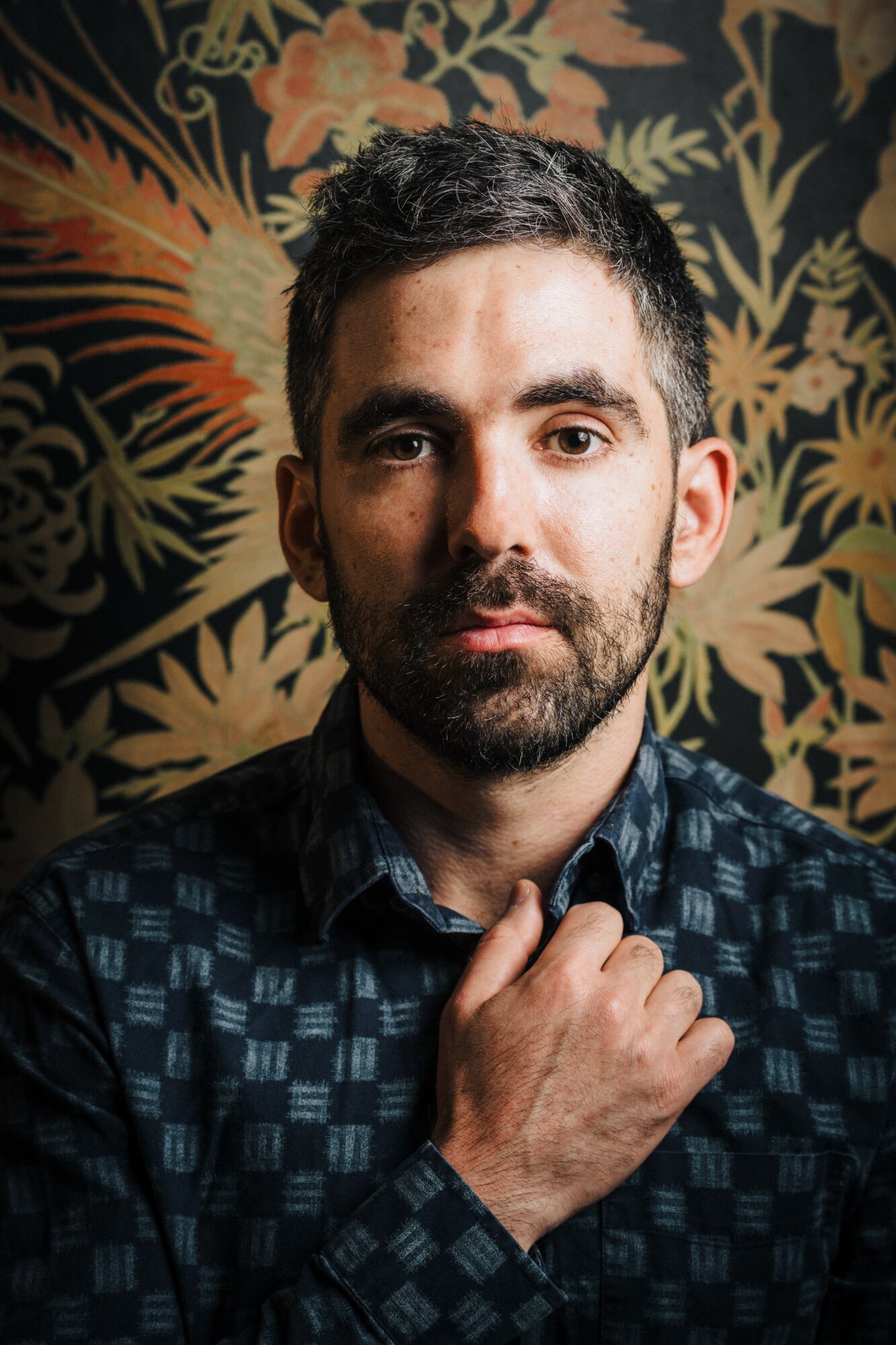





Today we’d like to introduce you to Daniel Anastasio.
Hi Daniel, thanks for sharing your story with us. To start, maybe you can tell our readers some of your backstory.
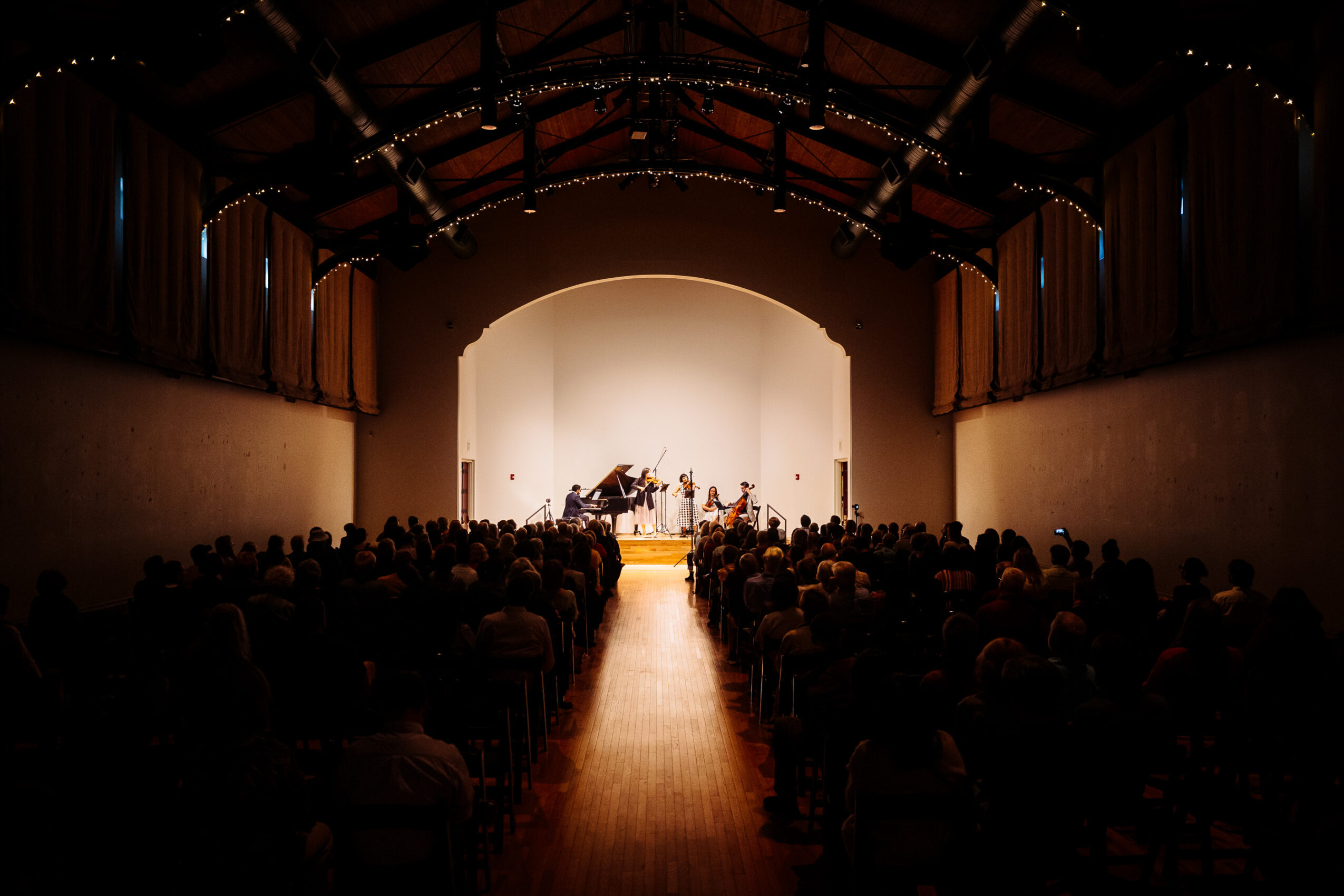
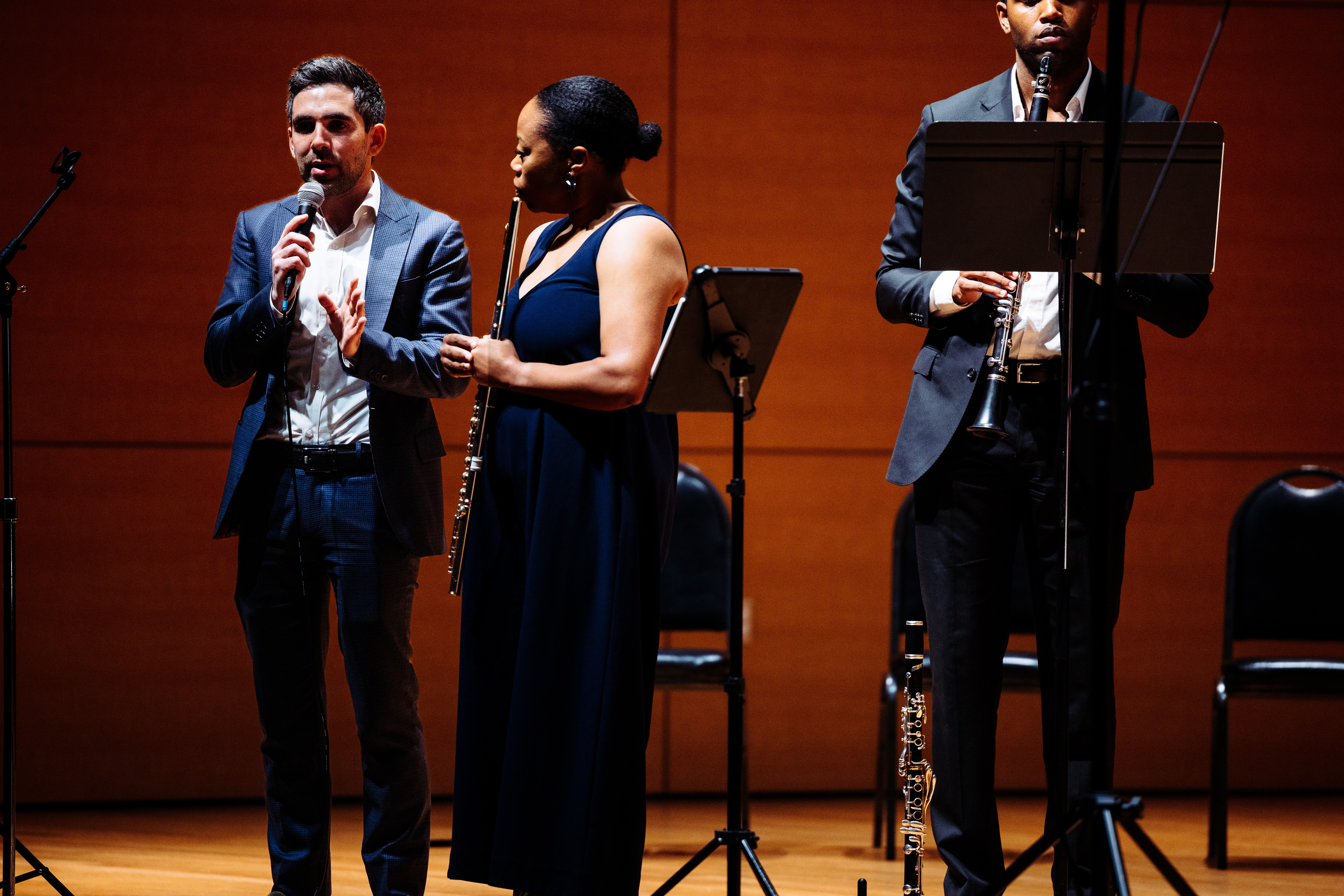
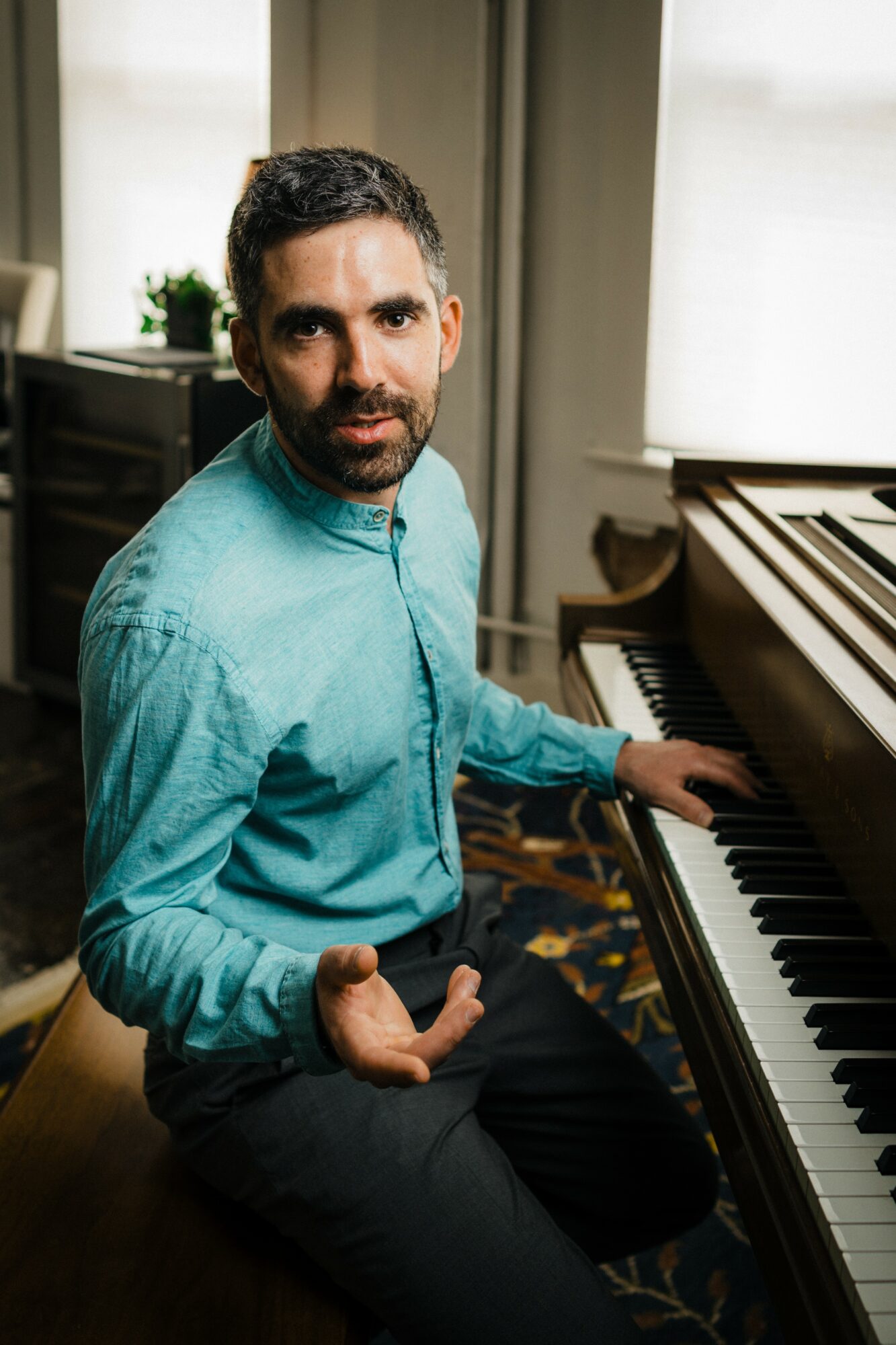
Born in Stamford, Connecticut, my family moved a few times in the early part of my life and we ended up settling in San Antonio, TX when I was 8 years old. I began playing the piano at age 5 and had a natural connection to it, but never dreamed of becoming a professional musician. My piano teacher in San Antonio, Rebecca Wilcox, helped me develop a healthy, unpressured relationship with music, and I continued to have other interests and hobbies. After graduating high school, I went off to Cornell University for undergrad (double majoring in Philosophy and Music), and there my piano teacher Xak Bjerken strongly encouraged me to pursue piano professionally. Taking his advice, I then attended The Juilliard School for my Masters, and Stony Brook University for my Doctorate in Piano Performance. The next step in my mind, for reasons both practical and personal, was to secure a teaching job. I applied for a full-time faculty opening at San Antonio College, won it, and moved back to San Antonio, teaching there for 7 years. During that time, I formed the local chamber group Agarita with three other members. Traveling back to New York City frequently to perform with my contemporary music group Unheard-of Ensemble, I was splitting my time between teaching, traveling for performance, and helping to build the organization Agarita, which was rapidly growing in scope and impact. Feeling pulled in too many directions, I decided to leave my teaching job at San Antonio College last year to devote more time to my chamber ensembles and to my personal projects. Currently, I’m sustaining a varied career of performing, lecturing, directing projects, and sharing my opinions about classical music — from details within the music to the state of the field today.
Can you talk to us a bit about the challenges and lessons you’ve learned along the way. Looking back would you say it’s been easy or smooth in retrospect?
Pursuing a career as a classical musician is not an easy journey. Opportunities are scarce, and conservatories and music departments across the country are filled with extremely talented, highly qualified artists. The pressure we put on ourselves to perform at our best and to impress both the public and our peers, can be damaging to the psyche. Rather than seek validation from the opinions of others and even ourselves, we need to remember the simple, direct, natural connection we have to the music, and continue to express that in whatever form feels right. For me, playing alone has not been enough to satisfy me. There are so many incredible performers out there, and already so many incredible interpretations of the classical works I perform. What has interested me more recently is sharing — through guided lectures and pre-concert talks — my knowledge and connection with the music in a way that a 21st century audience can understand, so that they might more closely feel what I feel. One of the biggest struggles in my field of classical music is how to bridge the gap between what the performer understands and feels about the music, and what the average audience member does. That is the ongoing struggle, but it’s a challenge I’m excited to take on.
As you know, we’re big fans of you and your work. For our readers who might not be as familiar what can you tell them about what you do?
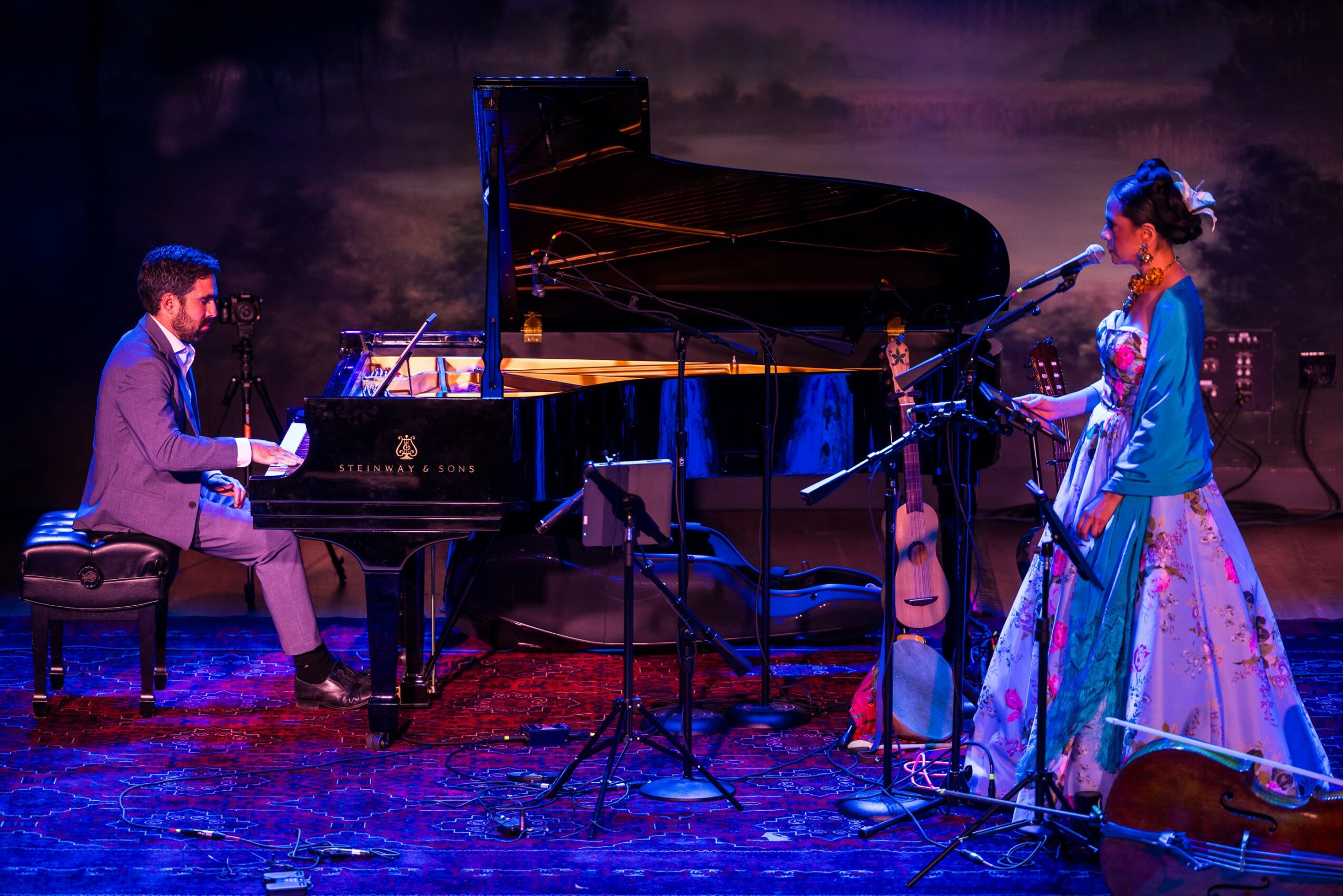
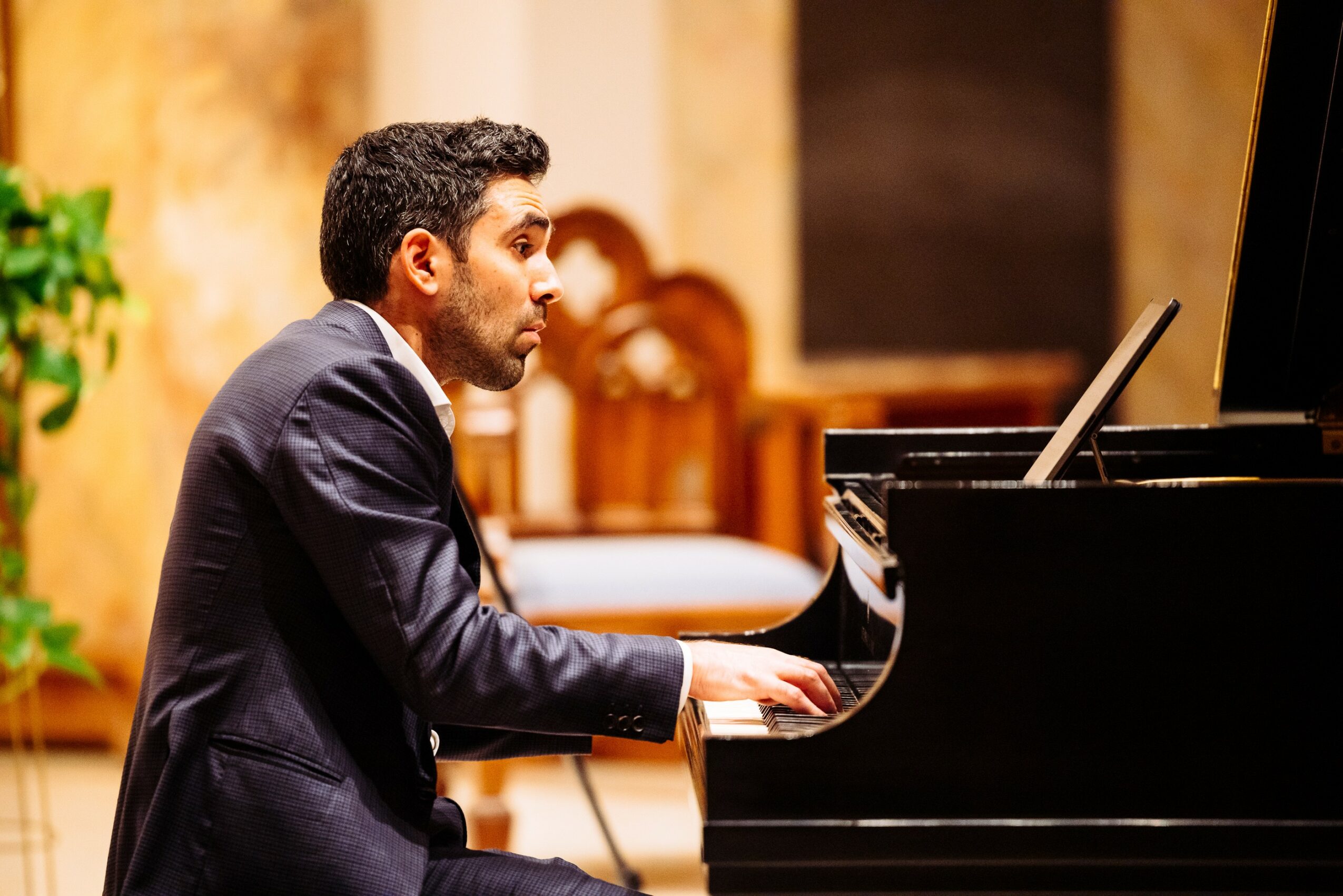
I am a professional classical musician, the artistic director of several musical organizations, and an educator of classical music. I perform music old and new, across the United States, in both solo and chamber music settings. I’m most proud of the way I’ve gradually developed the ability to communicate clearly and passionately about the music I love and find interesting, and I’m encouraged by the growing positive response regarding that ability. So many musicians in my field have trouble communicating about what they do, and I don’t blame them — it’s extremely difficult to put abstract artistic concepts into words, let alone in a public setting for hundreds of people right before you perform, and we were not taught how to do any of that in music conservatory. I think that needs to change, and in the mean time I’m attempting to demonstrate one way of doing it.
How do you think about happiness?
I am very often in my head, intellectualizing and lost in thought. While I don’t necessarily judge that because it represents a certain curiosity in me (as well as a futile need to understand things that can’t be understood through intellectualizing), I am happy when I’m able to drop the buzzing of reflective thoughts and rumination and enter the flow of the ever-emerging present. That happens most directly during and after meditation, or when in conversation with close friends, or when immersed in a powerful artistic experience. Deep connection with others (including the composers whose music I get to explore) brings a humility and vulnerability for me that removes me from my narrow-minded ego and allows me to recognize things from a more universal perspective.
Contact Info:
- Website: https://www.danielanastasio.com
- Instagram: https://www.instagram.com/daniel_anastasio_piano/?hl=en
- Facebook: https://www.facebook.com/daniel.anastasio.1/
- Youtube: https://www.youtube.com/channel/UCI_1B7uLwIojD_TgjB-MB-g